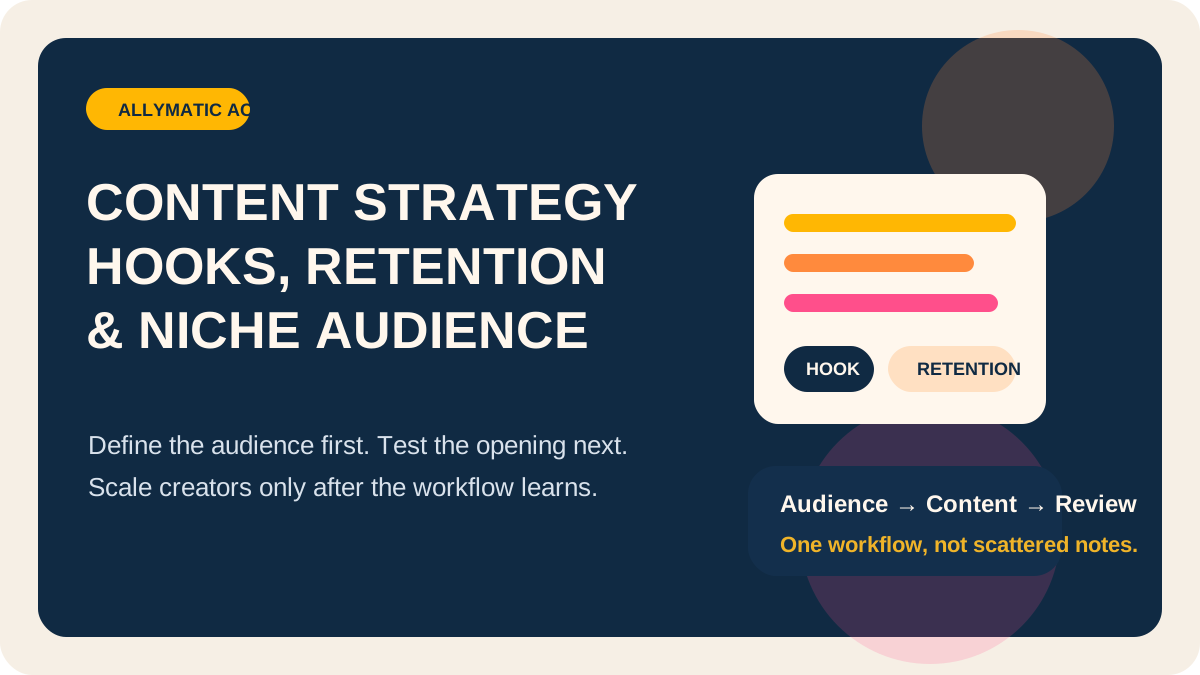
Estrategia de content para creators en TikTok 2026: niche audience, hooks y retention antes de scale
La primera pregunta no es “¿cuántos videos más publicar esta semana?”, sino si la estrategia tiene audience hypothesis estable, hook model repetible y retention feedback loop. Para creator marketing teams, un brief más largo no es estrategia. Hay que conectar audience, opening, retention y review action antes de sumar creators, samples o budget.
Cuatro layers trabajan juntos: elegir niche audience y no “todos en TikTok”; volver testable el first-three-second hook; usar retention y buying intent para reinvestment; regresar conclusion al creator outreach workflow, creator management system y creator affiliate workflow.
Strategy no es more content, sino mejor decisión model
Audio trends, viral references y script output son un marco pequeño. Reusable value existe cuando el equipo sabe qué audience vale ganar, qué opening volver a probar, qué structure sostiene attention y qué content no merece más spend aunque tenga views.
Sin model, outreach pide más posts sin explicar el nuevo angle. Review mira views y GMV sin separar retention, comment intent y link behavior. Brief empieza desde cero y learning cost se repite.
La meta no es output volume, sino que cada test deje judgment reutilizable.
Qué equipos deben corregir primero
- Outreach y sample rhythm son estables, pero content outcome fluctúa.
- Hay views y algunas orders, pero no se explica qué hook o narrative funciona.
- Se quiere ampliar creator roster, pero review termina en “se ve bien”.
No falta content; falta standard para decidir scale.
Cuándo no hacer overbuild
Si product-market-message fit cambia, hook library solo envuelve noise. Si creator supply es bottleneck y hay pocas samples, arregla discovery y outreach. Si financial boundary no está claro, usa el creator ROI calculator para break-even.
Con roster pequeño, empieza con una audience, dos o tres hook types y review cadence sostenible. El system crece con los tests, no antes que los data.
Framework de cuatro layers
1. Niche audience antes de platform style
“Hazlo más TikTok” no es actionable. Define first-time buyer, price-sensitive shopper, persona comparando substitute o viewer que vio creator content y no compró. Con audience clara, hook, proof, objection y CTA van en una dirección.
Escribe una hypothesis: quién, en qué situación y qué concern impide actuar. Evita una persona tan amplia que sirva para cualquier video.
2. Hook como hypothesis, no solo clever line
Hook es la razón para dejar de scrollear. Para el mismo producto, prueba price, pain point, outcome o anti-common-sense angle. Naming consistente permite saber qué opening type sostiene los primeros tres segundos.
Cambia un major variable por test. Si creator, audience, offer, hook y CTA cambian juntos, no hay learning. El creator mantiene creative freedom, pero entiende la hypothesis.
3. Retention para reinvestment, no solo views
High views no significa scale automático. Revisa si opening sostiene attention, dónde salen viewers, si comments muestran buying intent y si linked content crea downstream action. Retention separa lucky distribution de repeatable structure.
No uses un threshold para todos los formatos. Compara content groups similares y lee retention junto con intent, link behavior, orders y cost.
4. Regresa conclusion al workflow
Review debe cambiar next outreach wave, brief template, sample plan o reinvestment. Si hook A gana y batch siguiente sigue igual, strategy es meeting note.
Guarda audience label, hook type, key drop-off, comment intent, owner y next action en creator record para que quien envía brief y aprueba budget use la misma conclusion.
Cómo convertir un review en action
Primero agrupa videos por audience y hook type; después mira el nombre del creator. Compara early retention, key drop-off, comment intent, link action, orders y cost dentro de grupos equivalentes. No pongas un video largo junto a uno corto con objetivo distinto para concluir solo por views.
Elige una o dos conclusions para el siguiente batch: conservar audience y cambiar hook, mantener hook y cambiar creator format, o conservar ambos y ajustar CTA. Cada conclusión necesita owner, brief afectado y fecha de nueva medición. Si aún hay pocos data, registra “evidencia insuficiente” en vez de volver un winner la default rule.
Review también debe conservar creative freedom. El equipo puede estandarizar hypothesis, required proof y medición, pero no obligar a creators a copiar palabras, encuadres y personality. La meta es repetir la lógica ganadora, no clonar un video.
Comparación
| Dimensión | Output-only | Strategy con feedback |
|---|---|---|
| Audience | Broad | Niche y use case explícitos |
| Hook | Improvisado | Opening hypothesis testable |
| Retention | Views y likes | Early hold, intent, next action |
| Reinvestment | Opinión más fuerte | Un owner y review model |
| Coordination | Brief nuevo cada round | Learning vuelve a outreach, samples y ROI |
Errores comunes
No aísles strategy en content team. Outreach pace, sample timing, link setup y commission structure determinan repeatability y profit.
No estudies solo winner. Failure revela hook, audience y creator combination que no deben recibir spend. Retention debe cambiar next batch, no quedarse en un deck.
Punto de vista de allymatic: strategy debe mejorar la siguiente decisión
Strategy tiene que responder si next creator batch se amplía o estrecha, si cambia hook, narrative order o CTA y qué learning se vuelve default rule. Si no, sigue siendo presentation.
Lista de verificación
- ¿Niche audience cabe en una frase?
- ¿Hook es testable hypothesis?
- ¿Review separa retention, comment intent y link behavior?
- ¿Learning anterior cambió outreach, brief y reinvestment?
- Con result medio, ¿sabemos si cambiar audience, hook, creator o deal structure primero?
Si tres respuestas son vagas, falta workflow que preserve judgment, no more content.
FAQ
¿Cuál es la parte más importante de TikTok creator content strategy en 2026?
La conexión entre audience hypothesis, hook testing, retention judgment y reinvestment action, no un good video aislado.
¿Cuándo estudiar hooks y retention antes de aumentar creator volume?
Cuando outreach y samples son estables, pero outcomes siguen inconsistentes. Scale en ese punto aumenta trial cost más rápido que learning quality.
¿Cómo se conecta strategy con creator management system?
Strategy define qué merece inversión; system convierte judgment en owner, status y next step. Separados, review rara vez cambia execution.
Fuentes oficiales
Fuentes oficiales
Referencias oficiales consultadas para este artículo.