How Should You Choose a Platform for TikTok Creator Collaboration? Do Not Compare Databases First. Compare Workflow and ROI.
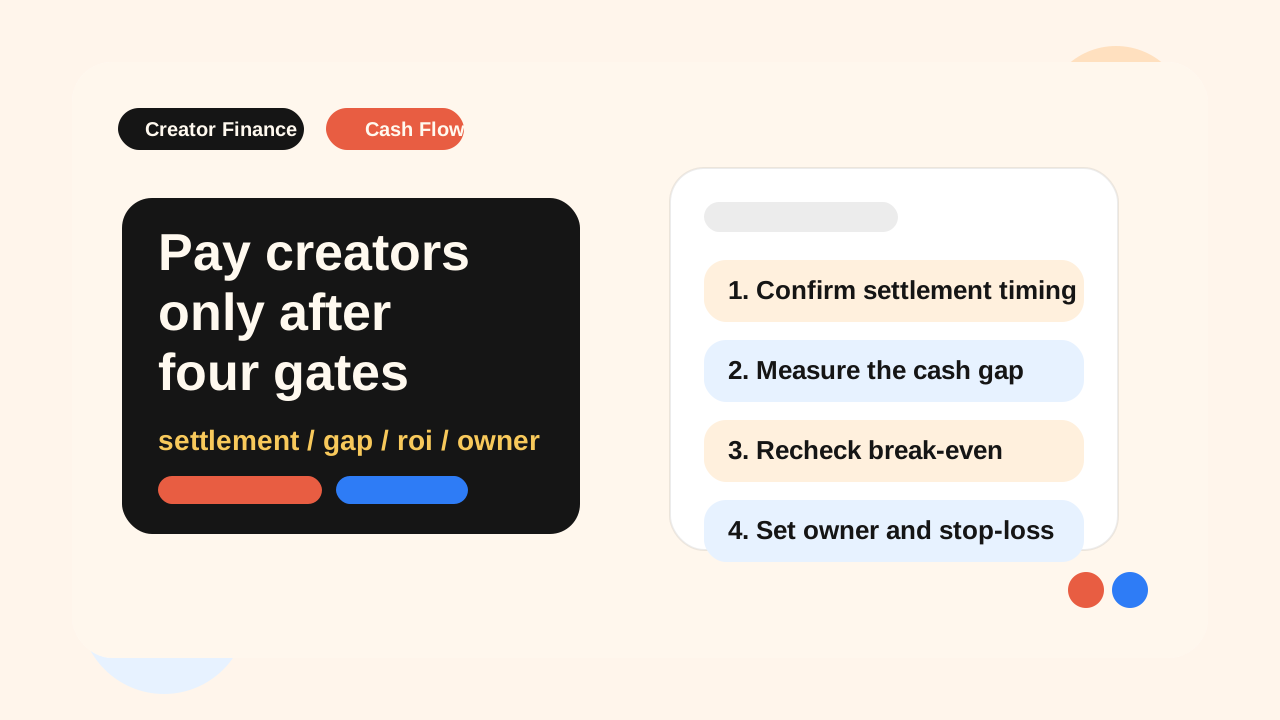
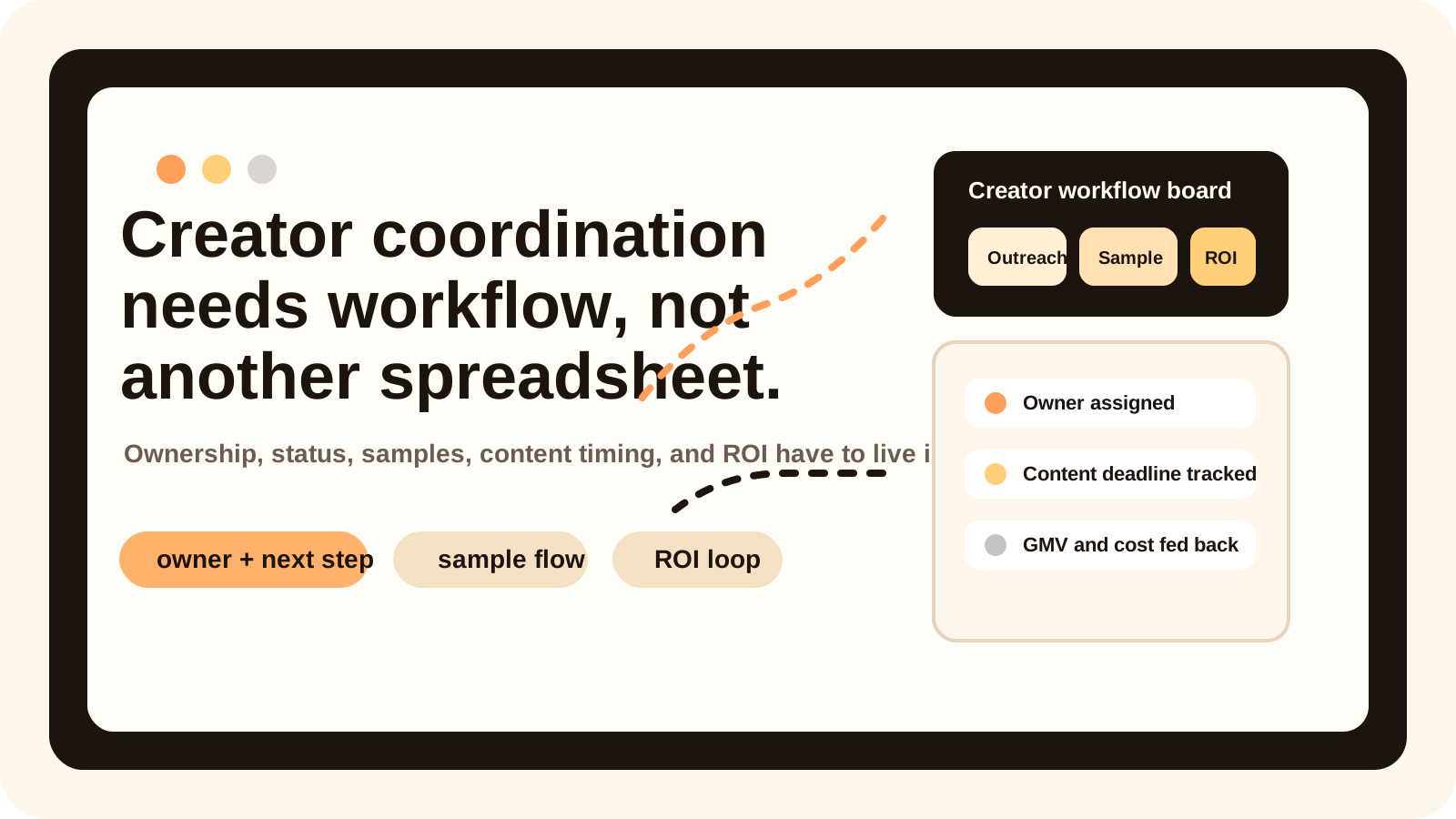
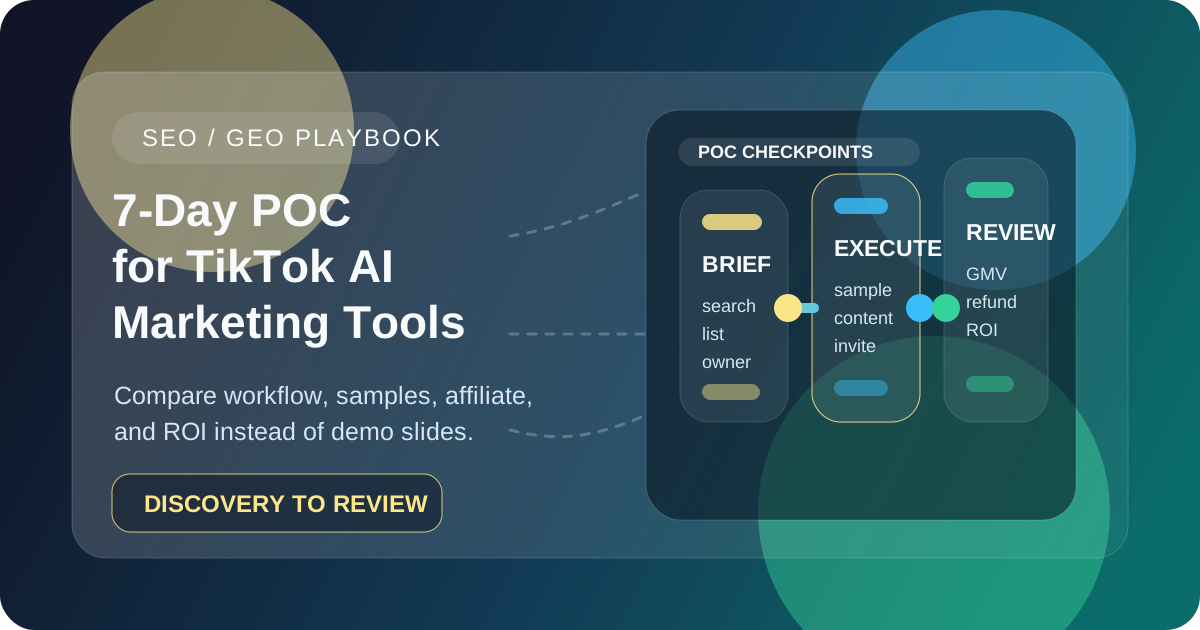
If you ask which platform is best for finding overseas TikTok creators, the most useful answer is usually not one platform name. It is a diagnosis of what your team actually lacks right now. If the immediate problem is creator discovery and campaign collaboration, start with official surfaces such as TikTok One. If the immediate goal is to let more creators sell products in TikTok Shop, start with Open Collaboration and Target Collaboration. If the team already runs BD, samples, content follow-up, affiliate, and review, the real bottleneck is often no longer creator supply. It is the lack of a workflow that connects outreach, ownership, samples, content milestones, and ROI. That is why TikTok creator platform selection in 2026 should not begin with database size. It should begin with the operating layer you need to strengthen first. A practical way to frame the decision is to compare the TikTok creator marketing tool selection hub, then map the decision to the workflow surfaces behind it: creator outreach, creator marketing management system, creator affiliate marketing, and the TikTok Shop creator ROI calculator.
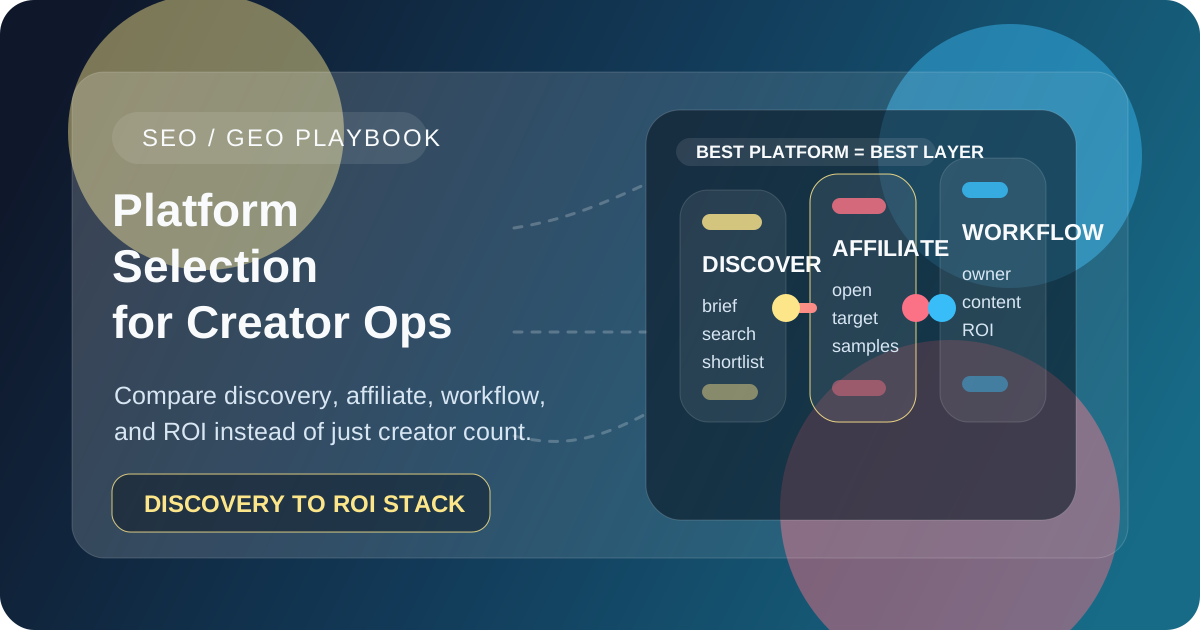
Separate platform selection into three layers first
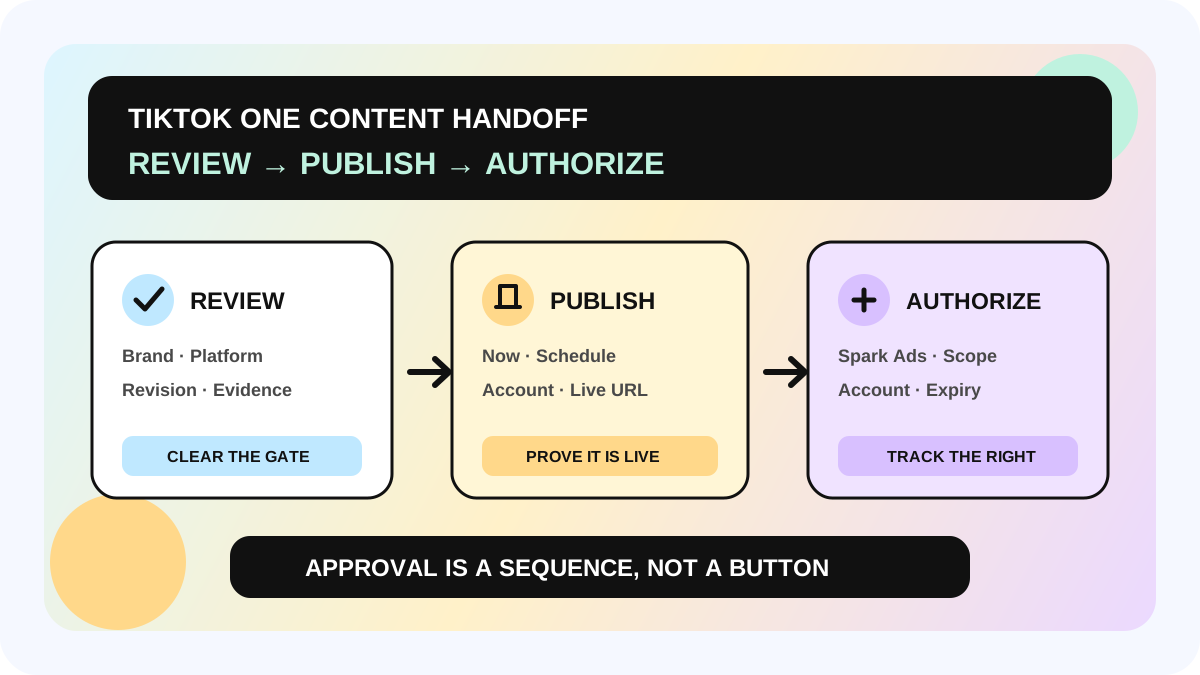
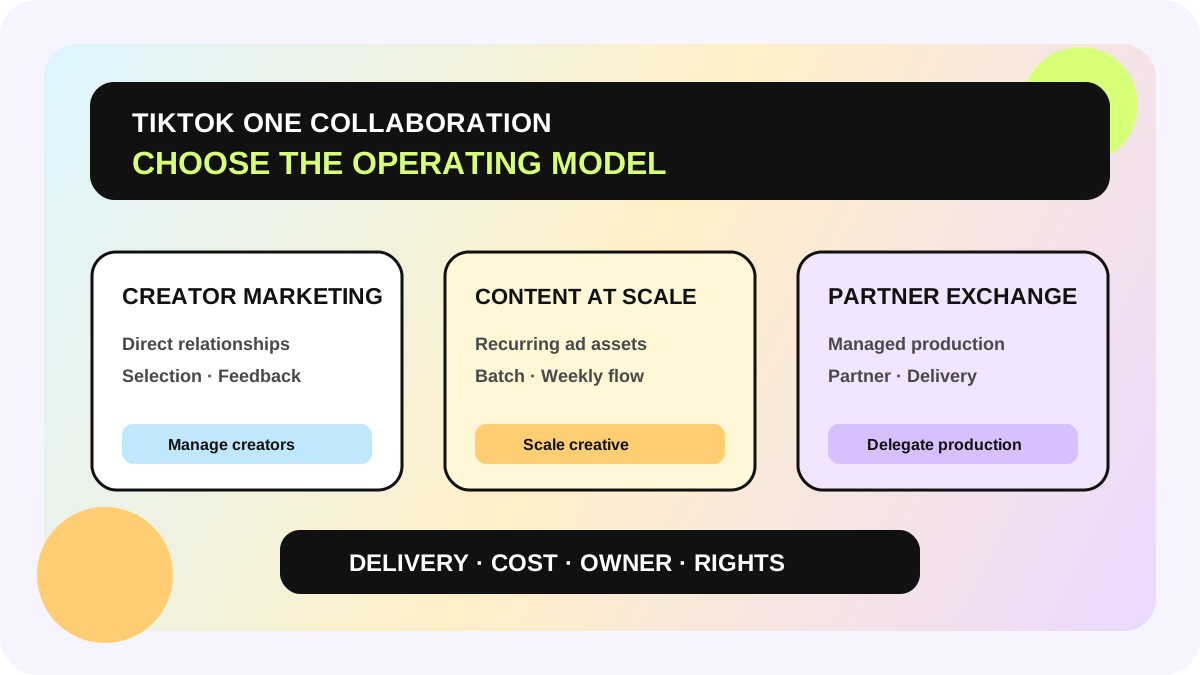
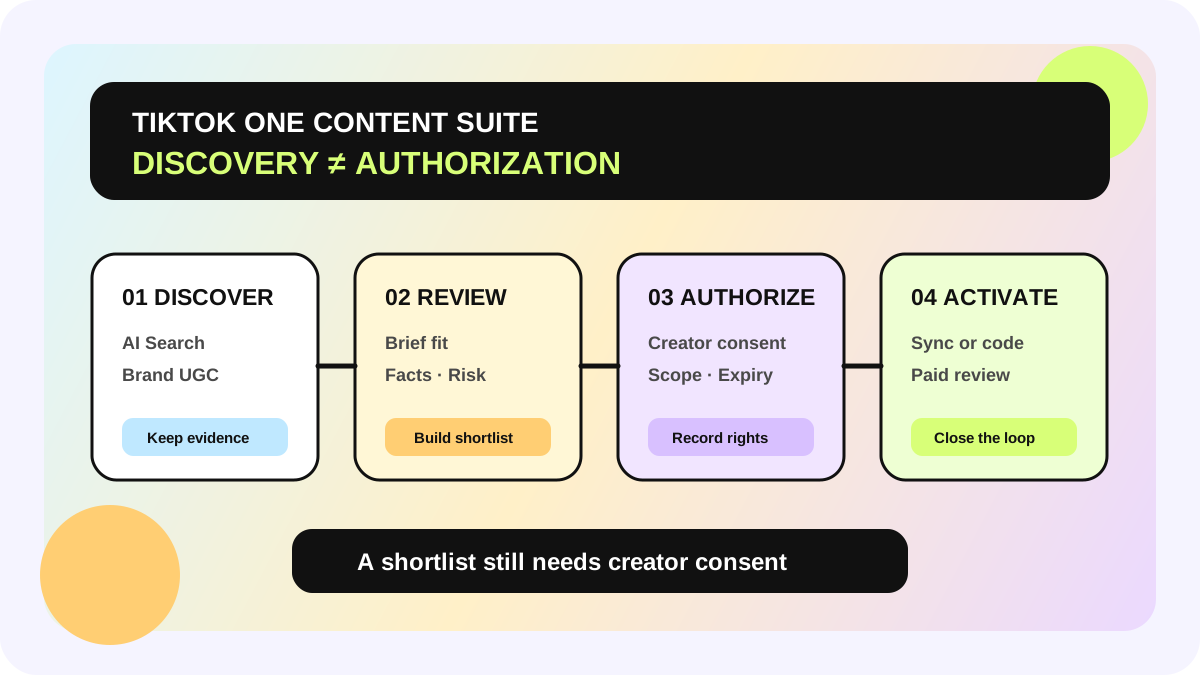
The first layer is official creator discovery and campaign collaboration. TikTok One sits here. It is best for questions like who should be invited, how briefs should be matched, how a shortlist should be built, and how campaign collaboration should move forward. If your team mainly needs creator discovery and campaign-level collaboration, this layer matters most.
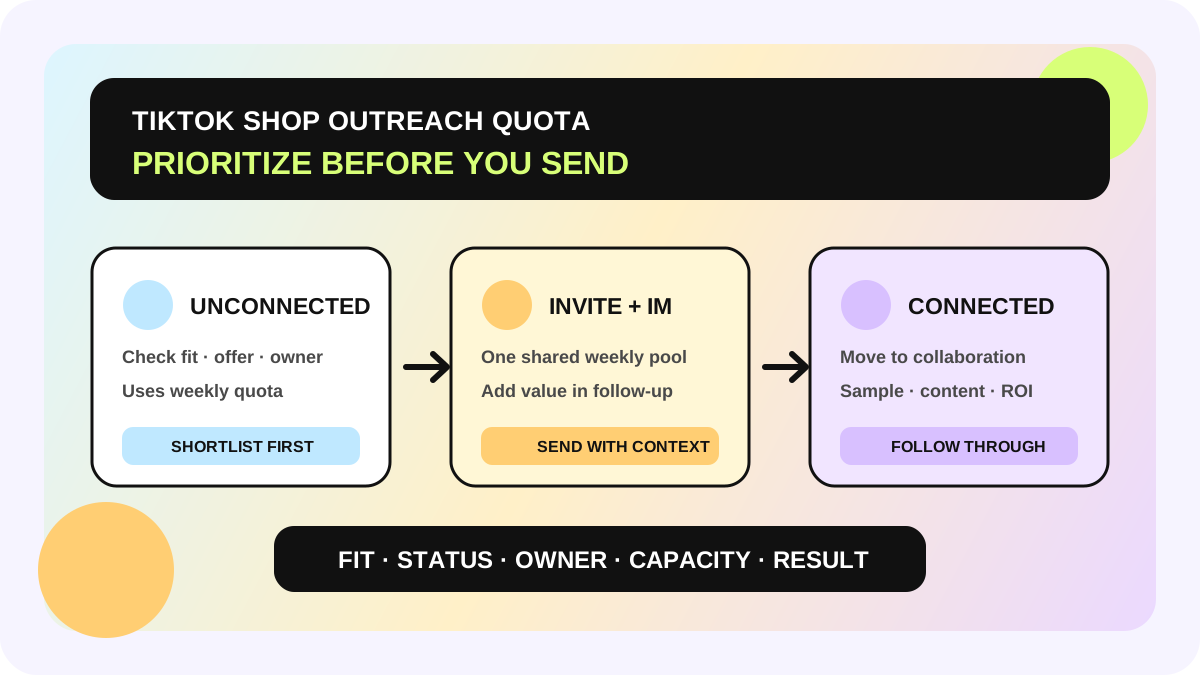
The second layer is TikTok Shop native affiliate collaboration. This includes Open Collaboration, Target Collaboration, official account linking, and Marketing Account workflows. This layer is about whether products can be exposed to more creators, whether affiliate plans can be launched quickly, and whether the shop can start selling through content channels at scale. It is much closer to store-side execution and commerce acceleration.
The third layer is your own workflow system. At this layer, the question is no longer whether a platform can surface creator names. The question is whether every creator can move through ownership, follow-up, samples, content delivery, link status, commissions, and review. Many teams believe they lack more creators, when in reality they lack a system that turns creator activity into durable operating assets.
When TikTok One makes sense, and when affiliate collaboration makes more sense
If your team mainly runs brand campaigns and needs better creator filtering, brief matching, and official collaboration flows, TikTok One is usually the right place to start. It is a better fit for content-led campaigns, paid media collaboration, and creator discovery.
If you are already running TikTok Shop and want more creators to see products, apply to sell them, request samples, and drive shoppable orders, Open Collaboration is often the more direct operating entry point. It is useful when the team wants to broaden the creator pool, test product-market fit through affiliates, and establish a baseline affiliate engine quickly.
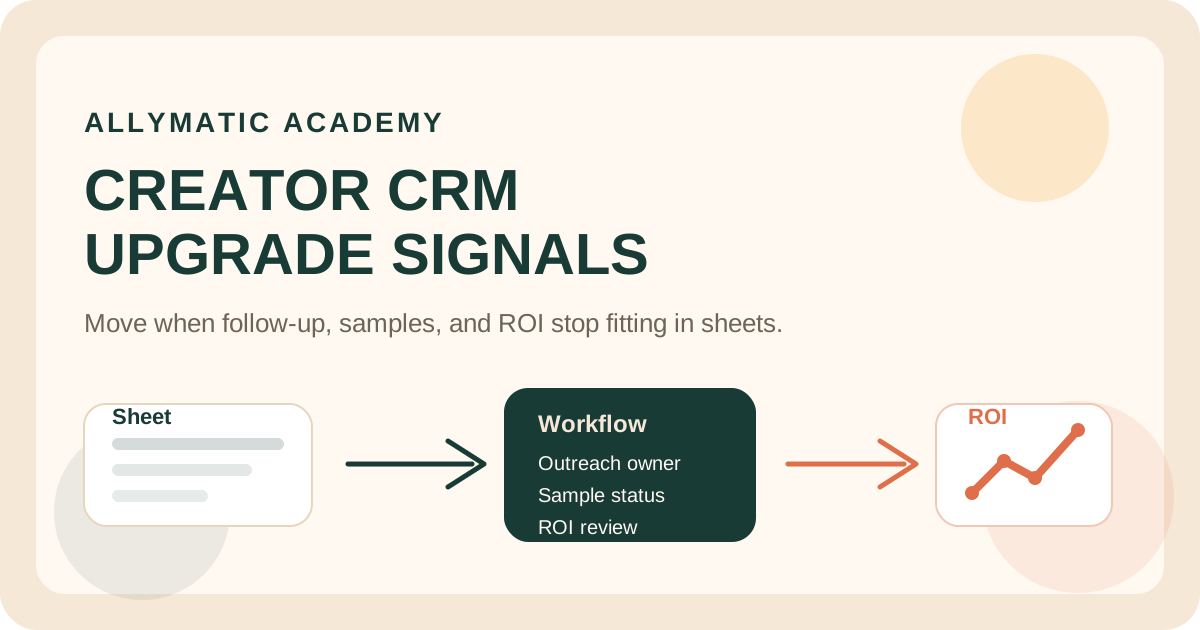
If your team has already moved beyond creator discovery into creator operations, neither of those layers is enough on its own. Once teams handle invites, replies, quotes, samples, deadlines, links, commissions, and ROI every day, the limiting factor is no longer where creators were found. It is whether the work can be managed in one repeatable CRM and follow-up system.
Compare these five dimensions instead of comparing platform names
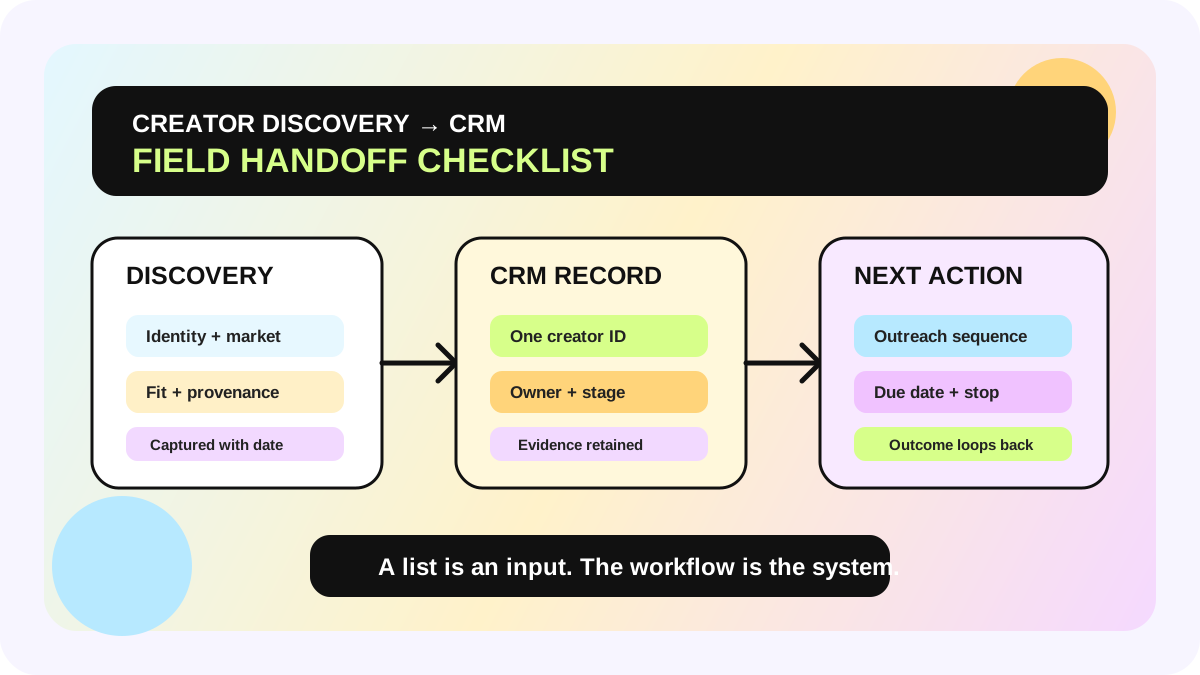
1. Can creators move into one shared creator base after discovery?
If creators are discovered in one platform but then exported into spreadsheets, DMs, and disconnected notes, duplication and ownership confusion show up quickly.
2. Can outreach continue into the next step?
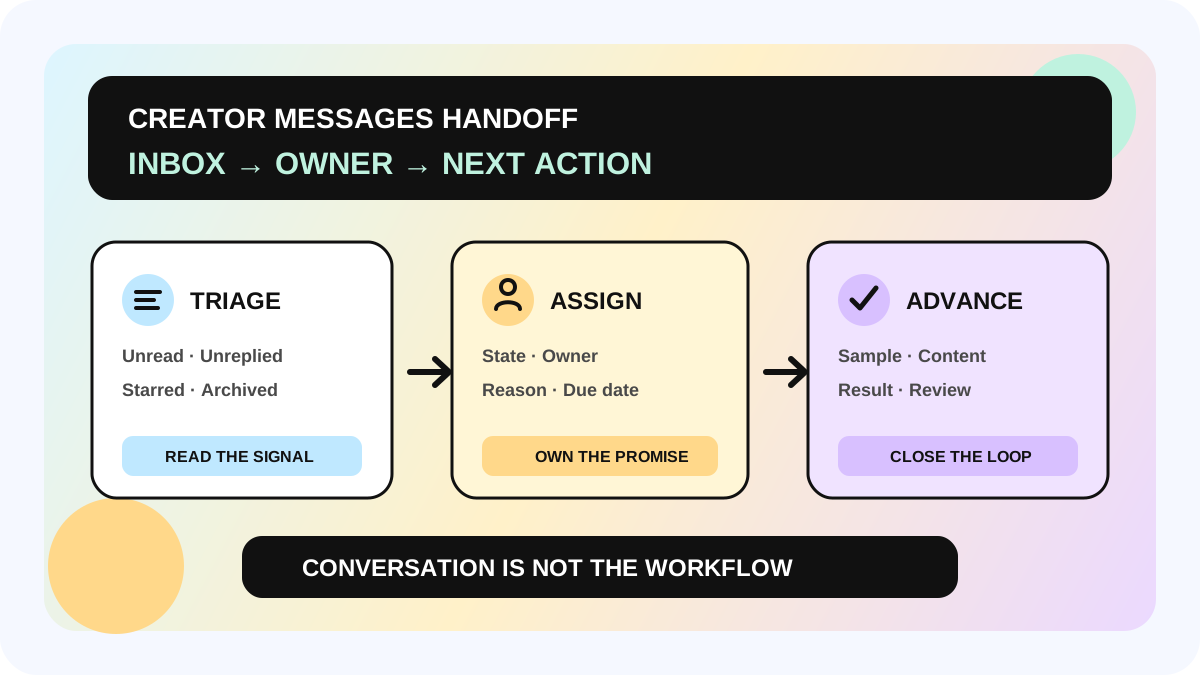
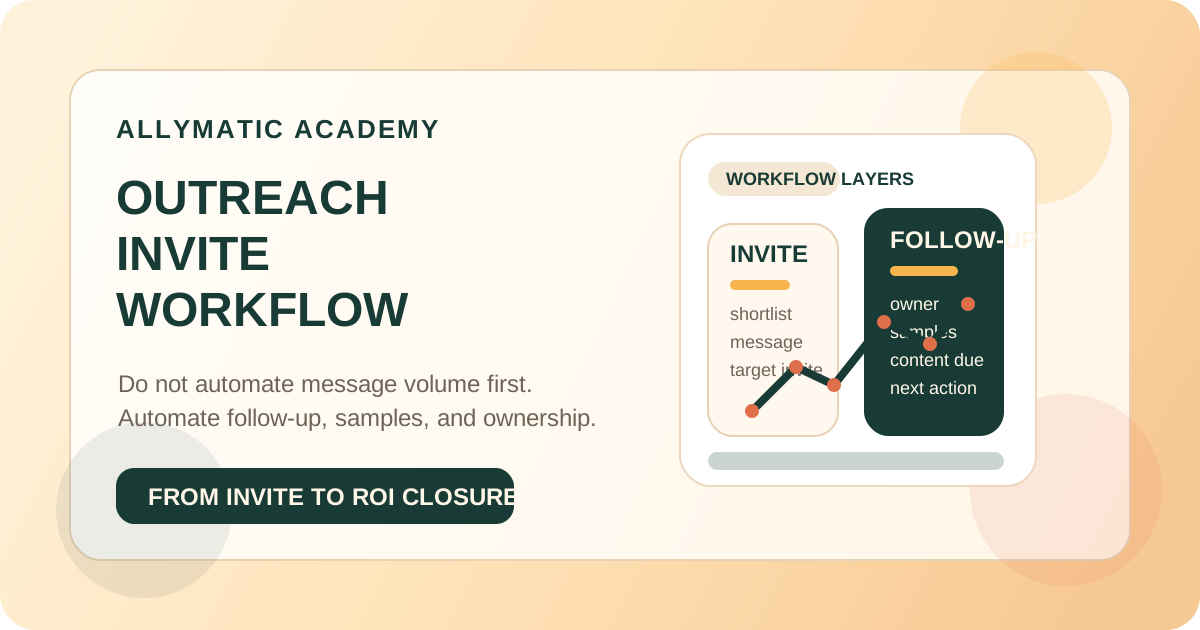
Many tools help teams send messages. Fewer tools help teams manage ownership, next actions, sample requests, content deliverables, and follow-up timing after a reply arrives.
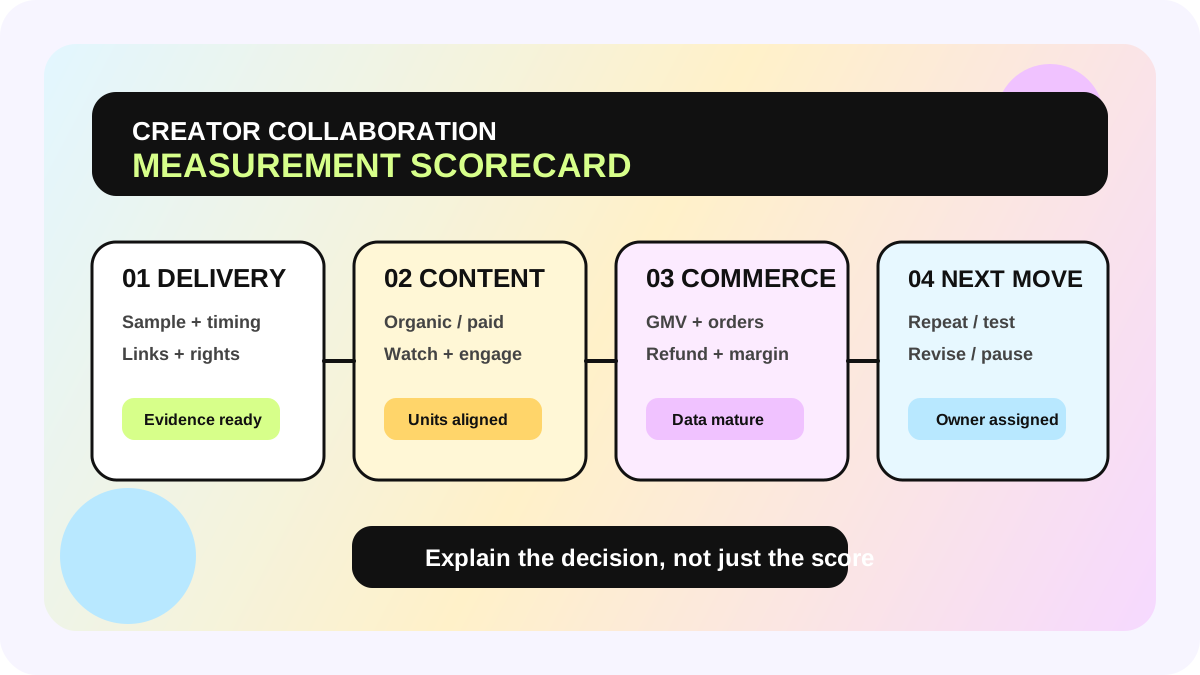
3. Can sample and content milestones be tracked?
As sample volume grows, delays are rarely caused by a lack of creators. They are caused by missing visibility into who received the sample, who is late, who needs revision, and who is ready for more spend.
4. Can affiliate results flow back into creator operations?
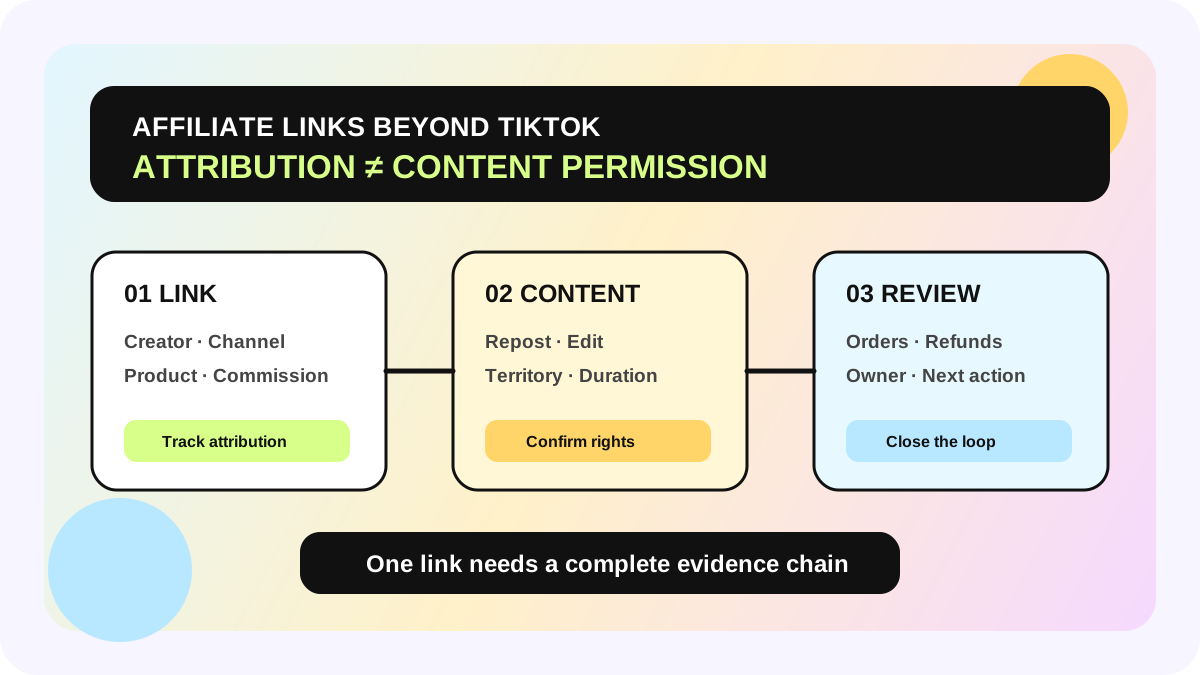
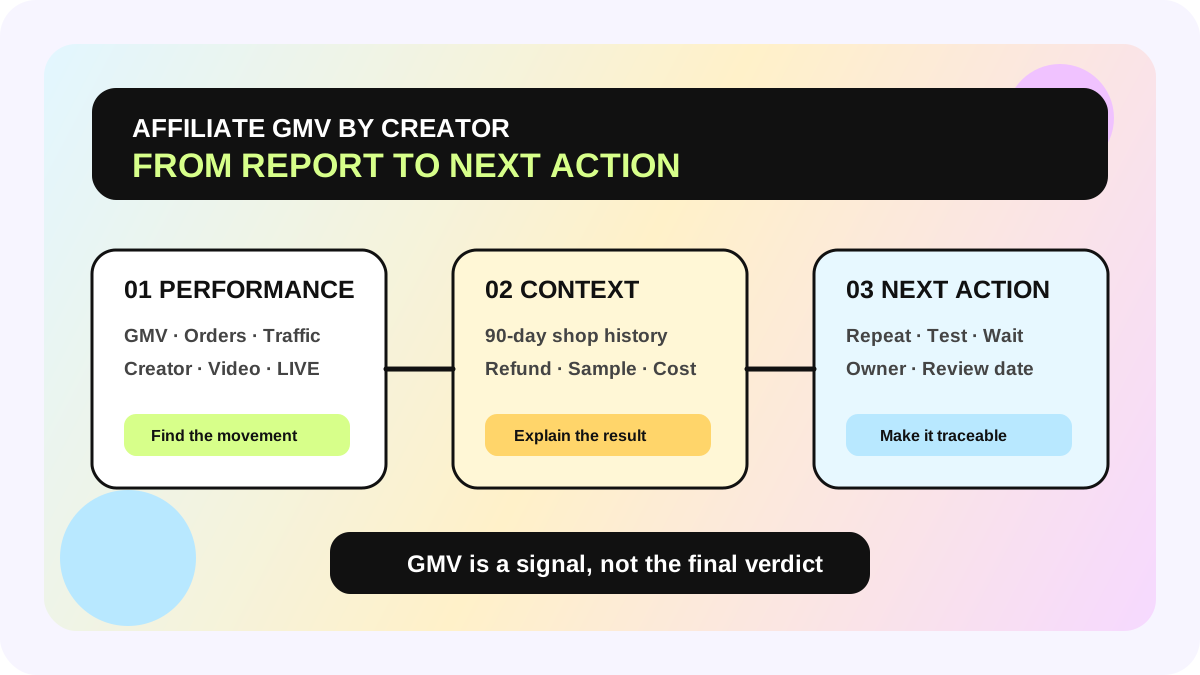
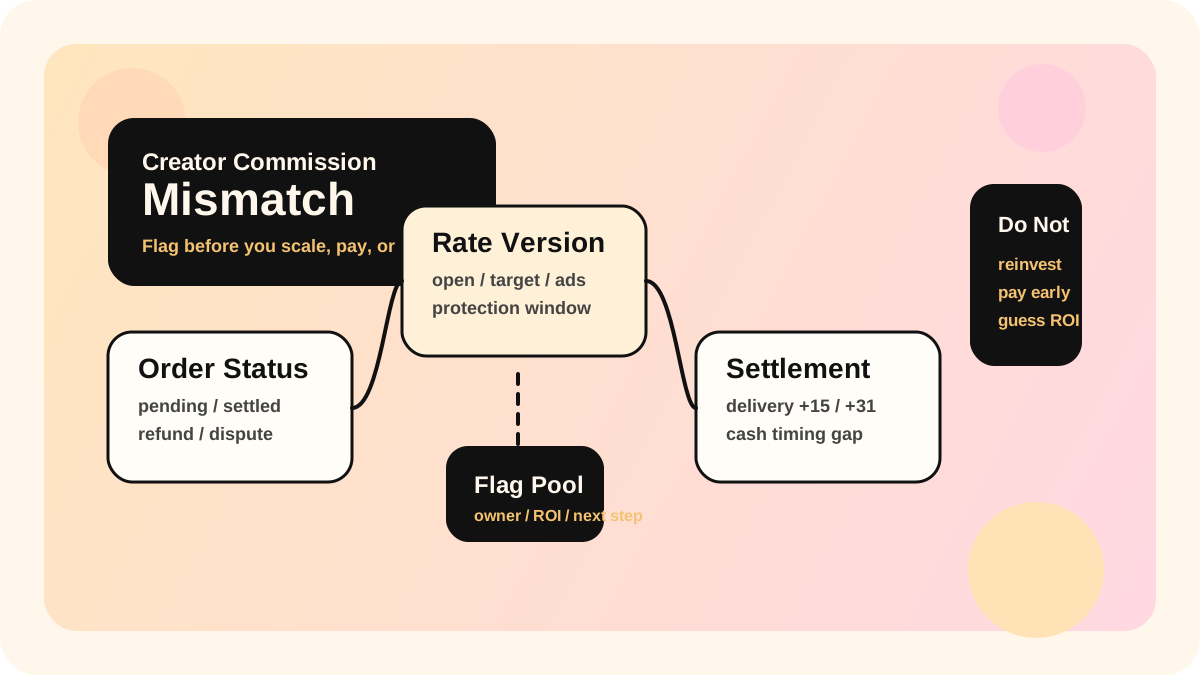
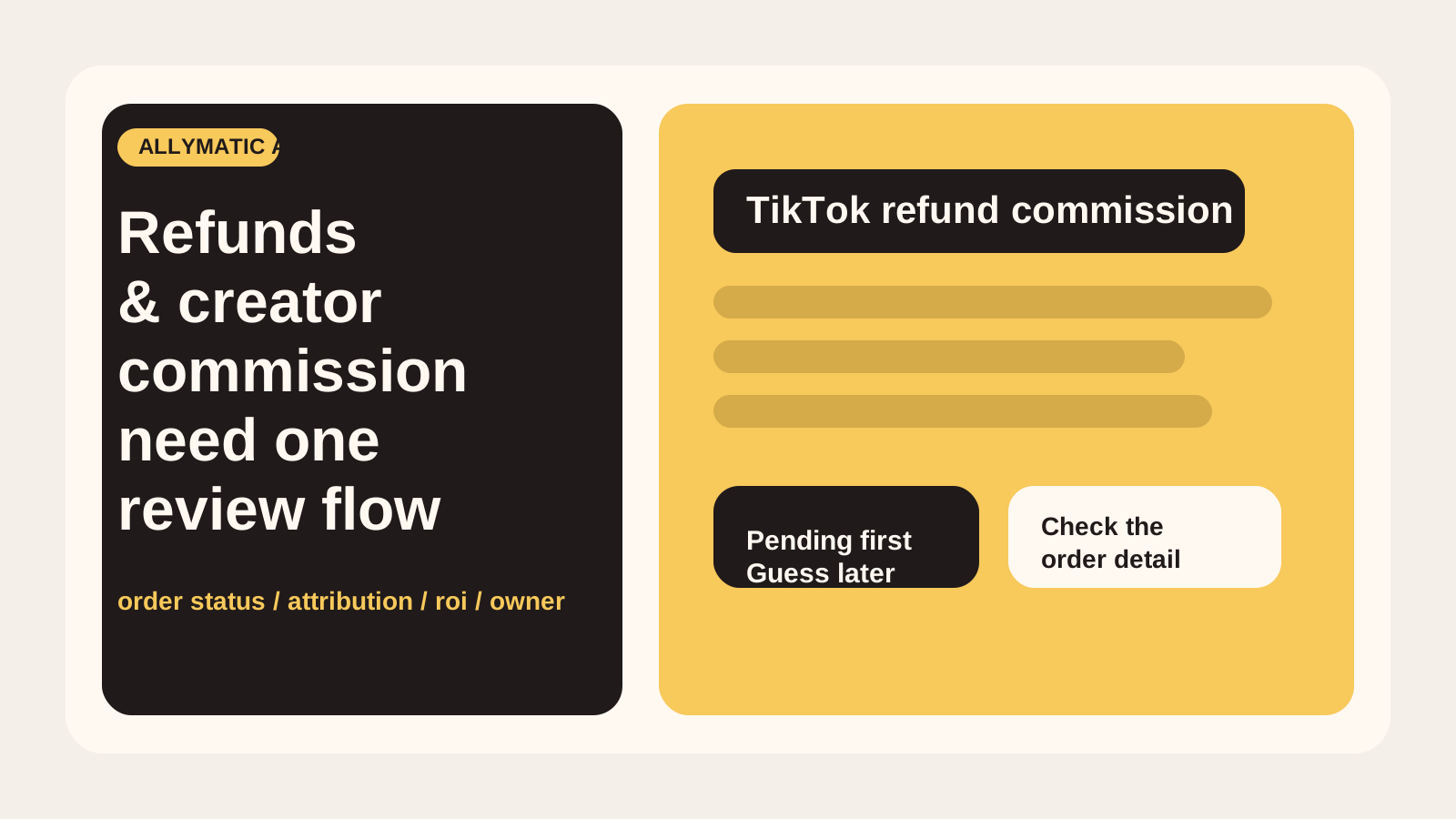
If GMV, commission, refunds, and ROI remain trapped in store dashboards, the next round of creator decisions will still depend on guesswork.
5. Can the team and management review performance using the same model?
Platform selection should not stop at who gives you more dashboards. It should end with who gives the clearest next decision.
allymatic's point of view: there is no single best platform, only a better stack
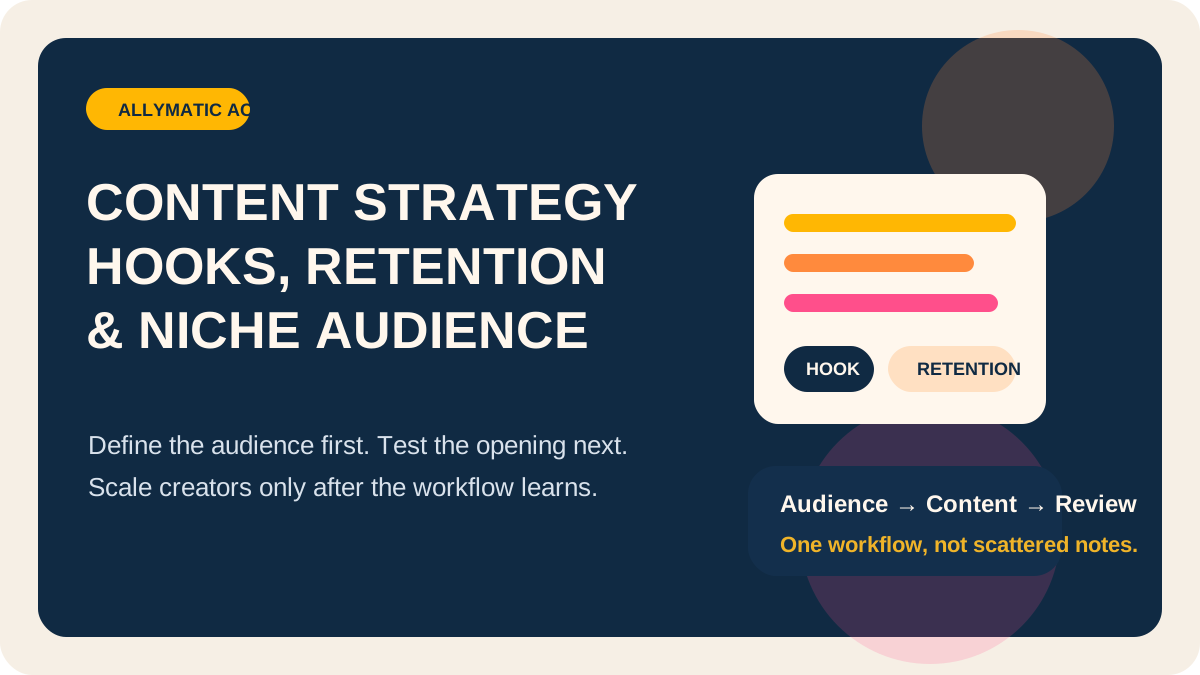
allymatic's view is that TikTok creator collaboration now works best as a layered stack instead of a single-platform bet. Official surfaces help with creator discovery and standardized collaboration entry points. TikTok Shop native affiliate tools help connect products to creators faster. But what determines whether a team can scale consistently is whether creator operations become a trackable workflow with ownership, reminders, milestones, and ROI review.
That is why the real question is not which platform is best in the abstract. The real question is which layer of the operating stack is your current bottleneck. Do you mainly lack creator discovery, or disciplined outreach execution? Do you mainly lack affiliate entry points, or sample and content coordination? Do you mainly lack more creator names, or a better reinvestment model? Once those answers are clear, platform selection usually becomes much more obvious.
Quick checklist
- If the job is creator discovery and campaign collaboration, evaluate whether TikTok One already solves the current need.
- If the job is TikTok Shop affiliate growth, compare Open and Target Collaboration against your current operating rhythm.
- If the team already works across multiple owners, invest earlier in creator CRM, outreach workflow, sample tracking, and ROI review.
- If the same question keeps coming up every week, such as who owns the next follow-up, the bottleneck is probably workflow quality, not creator volume.
Common mistakes
- Mistake 1: treating creator database size as the core KPI.
More creator names do not automatically create better execution.
- Mistake 2: treating AI copy generation as AI creator marketing.
The real value of AI is whether it can understand the live state of creator operations and move the next action forward.
- Mistake 3: separating creator process from commerce results.
If the team tracks GMV without tying it back to outreach, samples, content, and reinvestment, creator operations stay fragile.
FAQ
Is the official TikTok platform always the best option?
Not always. Official surfaces are strong for creator discovery and standardized collaboration, but cross-functional execution problems inside the team still need CRM and workflow infrastructure.
If I only run TikTok Shop affiliate, do I still need creator CRM?
For small-scale testing, TikTok Shop native workflows may be enough. Once creator volume, sample volume, and team handoffs increase, a CRM becomes important to avoid duplicate outreach, lost progress, and weak ROI feedback loops.
How do I know whether I should buy tools first or fix the process first?
If the team still lacks clarity on ownership, next actions, follow-up timing, and review rules, fix the process definition first. If the process already exists but execution is fragmented across disconnected tools, fix the system next.
Official Sources
Official Sources
Primary references used for this article.