Overseas Creator BD Operations: Quotation, Negotiation, Briefs and Sample Exceptions
Adapted from the Overseas Creator BD Operations Notes. This edition keeps the original operating topics—KOL/KOC choice, non-delivery, review, planning, contracts, workflow, rejection, gifting negotiation and relationship maintenance—while replacing coercive collection tactics and fixed promises with verifiable, contract-led practice.
16. KOL or KOC: choose by job, not label
KOL usually describes a creator with established authority or reach; KOC usually describes a smaller creator whose influence is closer to peer recommendation. Neither is automatically better.
| Dimension | Larger KOL | Smaller KOC |
|---|---|---|
| Typical strength | Reach, production consistency, category authority | Relatability, niche context, testing breadth |
| Typical constraint | Higher fee, longer negotiation, audience may be broad | Smaller absolute reach, variable production and response |
| Good use | Launch visibility, hero assets, expert explanation | Product seeding, angle discovery, distributed conversion |
| Control | Only what the agreement states | Only what the agreement states |
Do not assume a smaller creator will work for free or that a larger one is more reliable. Compare audience fit, recent branded-content quality, commercial disclosure, response behavior, fee, rights and expected role. A portfolio can combine a few high-reach creators with a wider set of niche creators, but every creator needs a defined outcome.
17. Preventing and recovering a missed deliverable
“Ghosting” is not a creator type or country trait. It is an unresolved state that may come from logistics, illness, product mismatch, unclear terms, workload or bad faith. Prevention starts before shipment.
Before agreement
- Confirm the creator, account, contact and delivery market.
- Discuss concept, product fit, deliverable, deadline, review and disclosure.
- Check recent posting cadence and branded-content pattern without treating either as a guarantee.
- Record whether the sample is unconditional gifting or tied to a contracted deliverable.
During cooperation
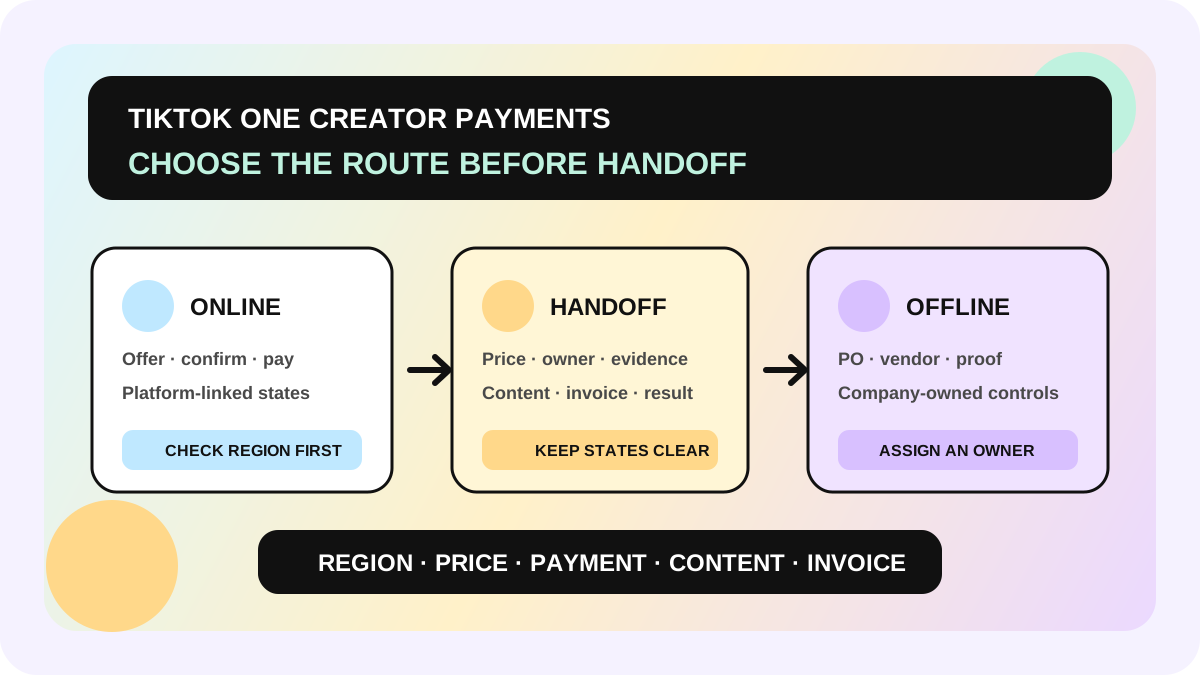
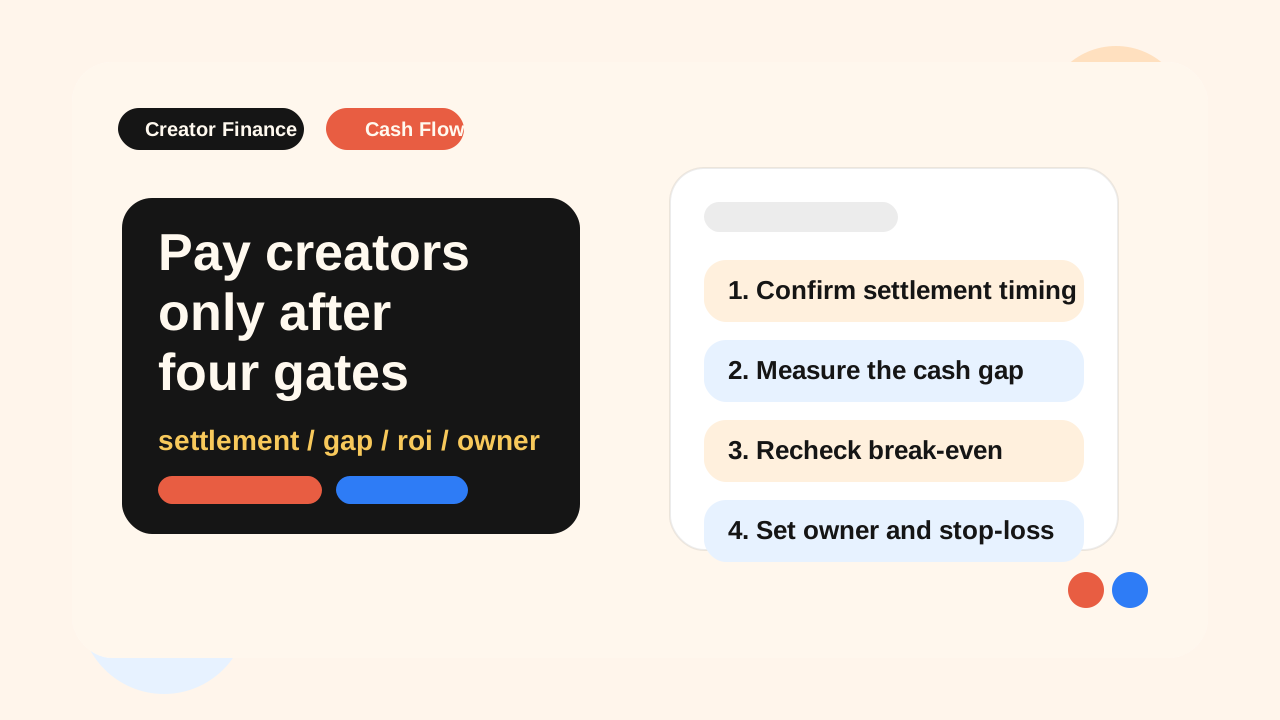
- Put fee, commission, deposit, balance, currency, payment trigger and fees in writing.
- For a new paid partner, connect payment milestones to agreed evidence such as contract, concept, preview or publication; never change terms after work begins.
- Use bonuses only when the metric, measurement window and payment are explicit. Do not make creators responsible for outcomes outside their control.
- Send tracking, delivery confirmation, one owner and one response channel.
When a deadline is at risk
First verify delivery and ask one neutral question: did the product arrive, and is there a product, timing or brief problem? Offer realistic choices: revised date, replacement, adjusted concept or termination under the agreement. Keep a dated contact log and stop duplicate outreach by different teammates.
Do not shame the creator in public comments, contact followers, threaten an industry blacklist or use private shipping data to call without consent. Escalation should follow the contract, platform process and applicable law. If recovery fails, close the CRM record with the factual reason and protect the team from repeating the same shipment.
18. A professional lost-contact sequence
Use a short sequence rather than emotional or intimidating messages.
Message 1: status check
```text
Hi [Name],
Tracking shows that [product] arrived on [date]. Could you confirm receipt and
let us know whether the product and agreed concept still work for you?
The current publication date is [date]. If timing or product fit has changed,
please tell us so we can agree on a practical next step.
Best,
[Name]
```
Message 2: present options
```text
Hi [Name],
We have not yet received an update on [campaign]. To keep the agreement clear,
please choose by [reasonable date]:
1) continue with publication on [new date];
2) discuss a replacement or revised concept; or
3) end the collaboration under the return/payment terms in our agreement.
No public response is needed—please reply through this business channel.
Best, [Name]
```
Final notice
State product, shipment and arrival dates; the missed contractual milestone; the response deadline; and the exact contractual next step. Do not invent a penalty. If there was no guaranteed deliverable, acknowledge that a gifting invitation may end without publication. For hygiene-sensitive or low-value samples, a return may be impractical; decide from the agreement and local rules, not frustration.
When the creator replies, agree to a calendar date, owner and next checkpoint. Avoid vague commitments such as “next month.” If they disclose a genuine problem, solve that problem before asking for content.
19. Review creator video with objective and subjective evidence
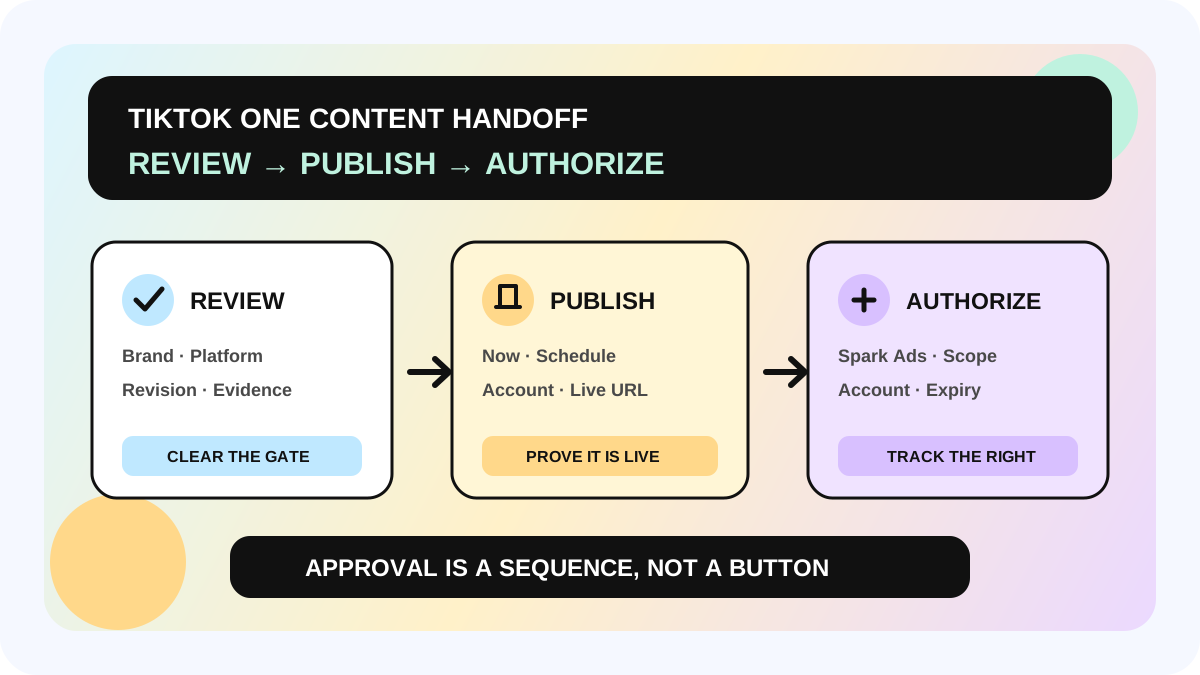
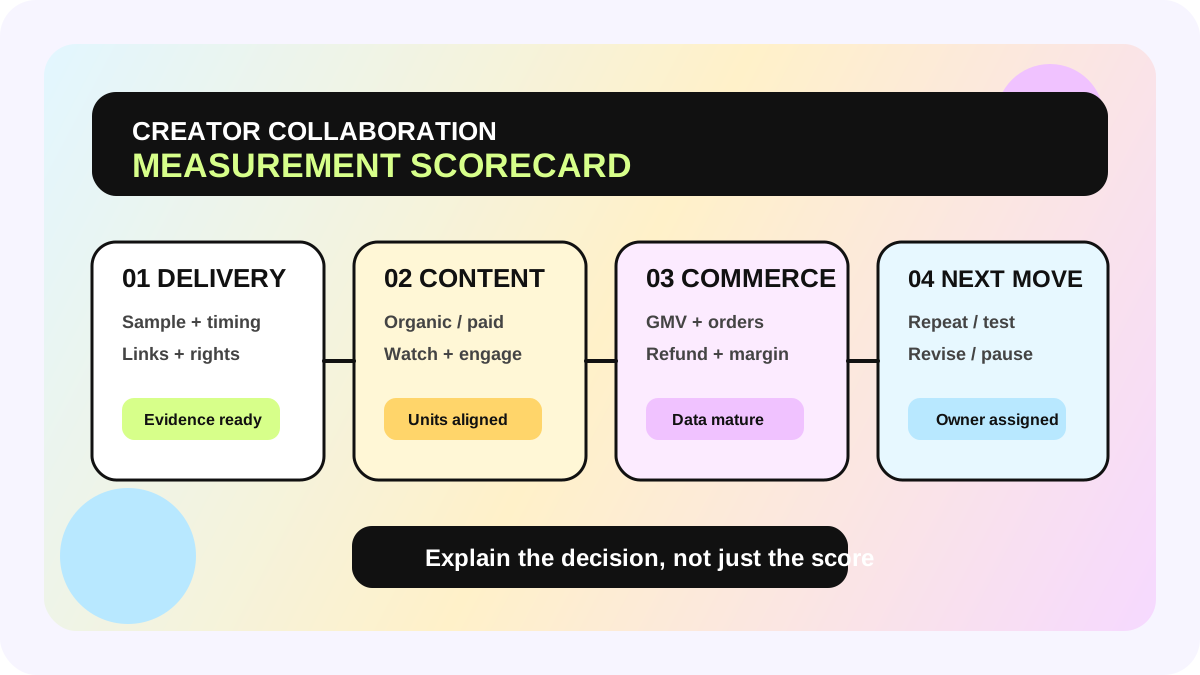
The workflow should not stop at “published.” Create a review record that separates delivery quality from commercial results.
Delivery review: correct product and link, required disclosure, factual claims, prohibited claims, format, duration, deadline, approved revision rounds and licensed usage.
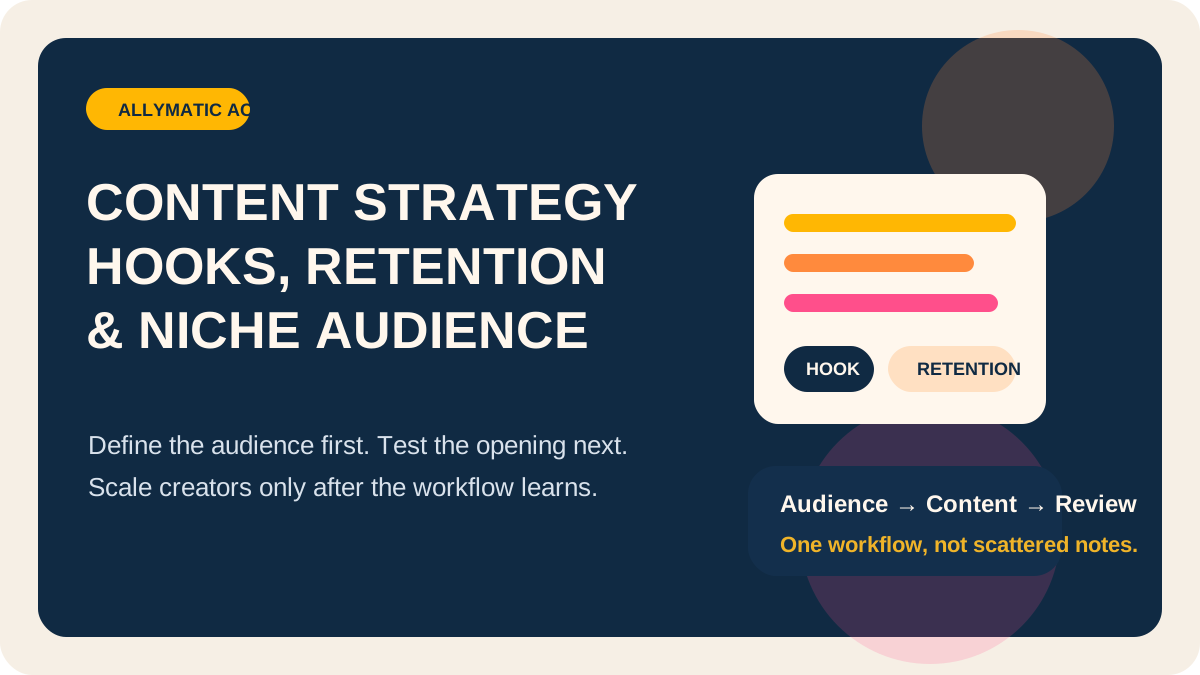
Content review: hook clarity, product visibility, demonstration, creator voice, audience fit, objection handling and CTA. A lower-polish video may still feel more native; document why rather than scoring aesthetics alone.
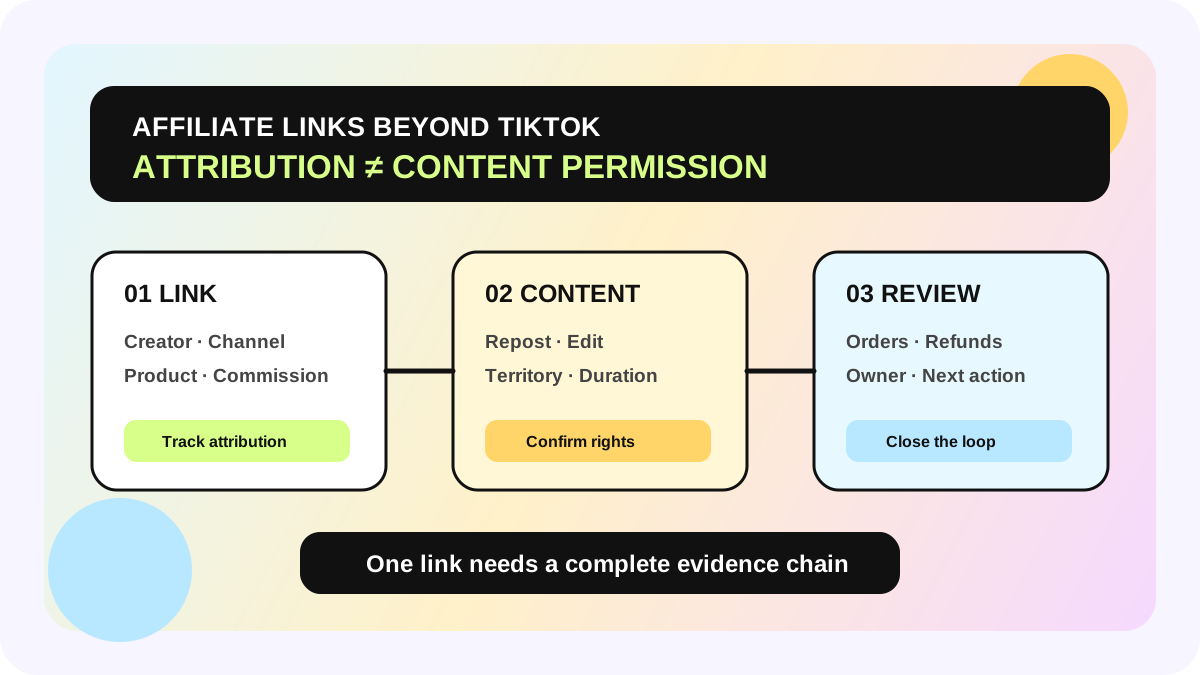
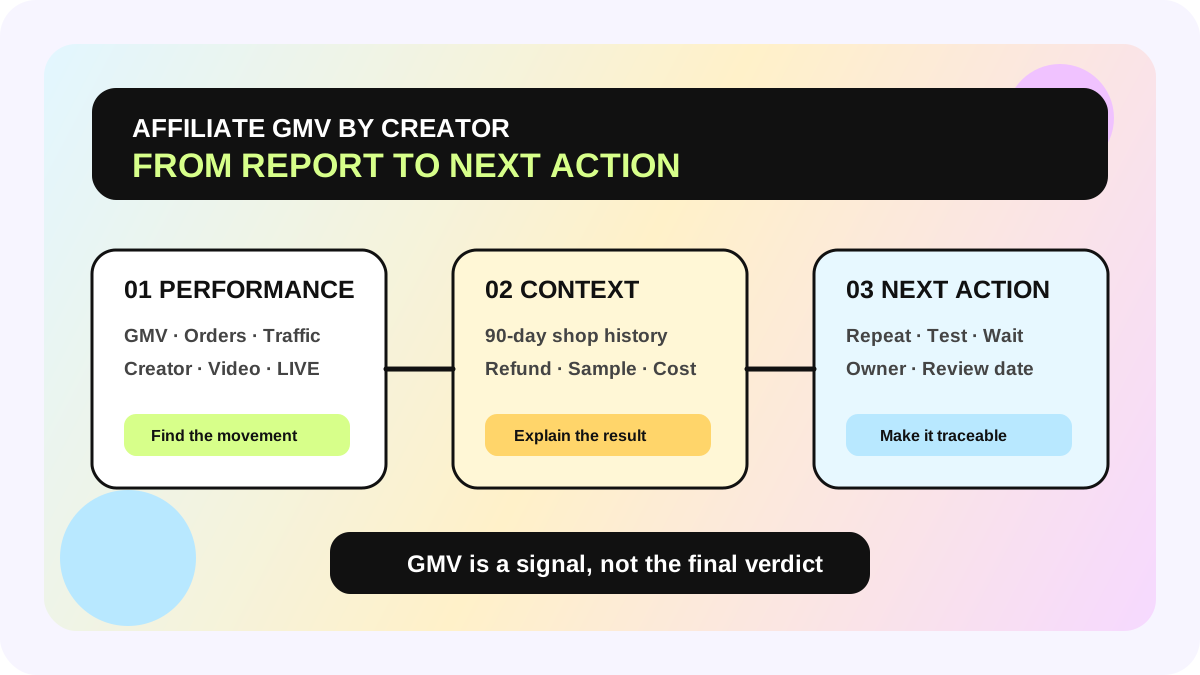
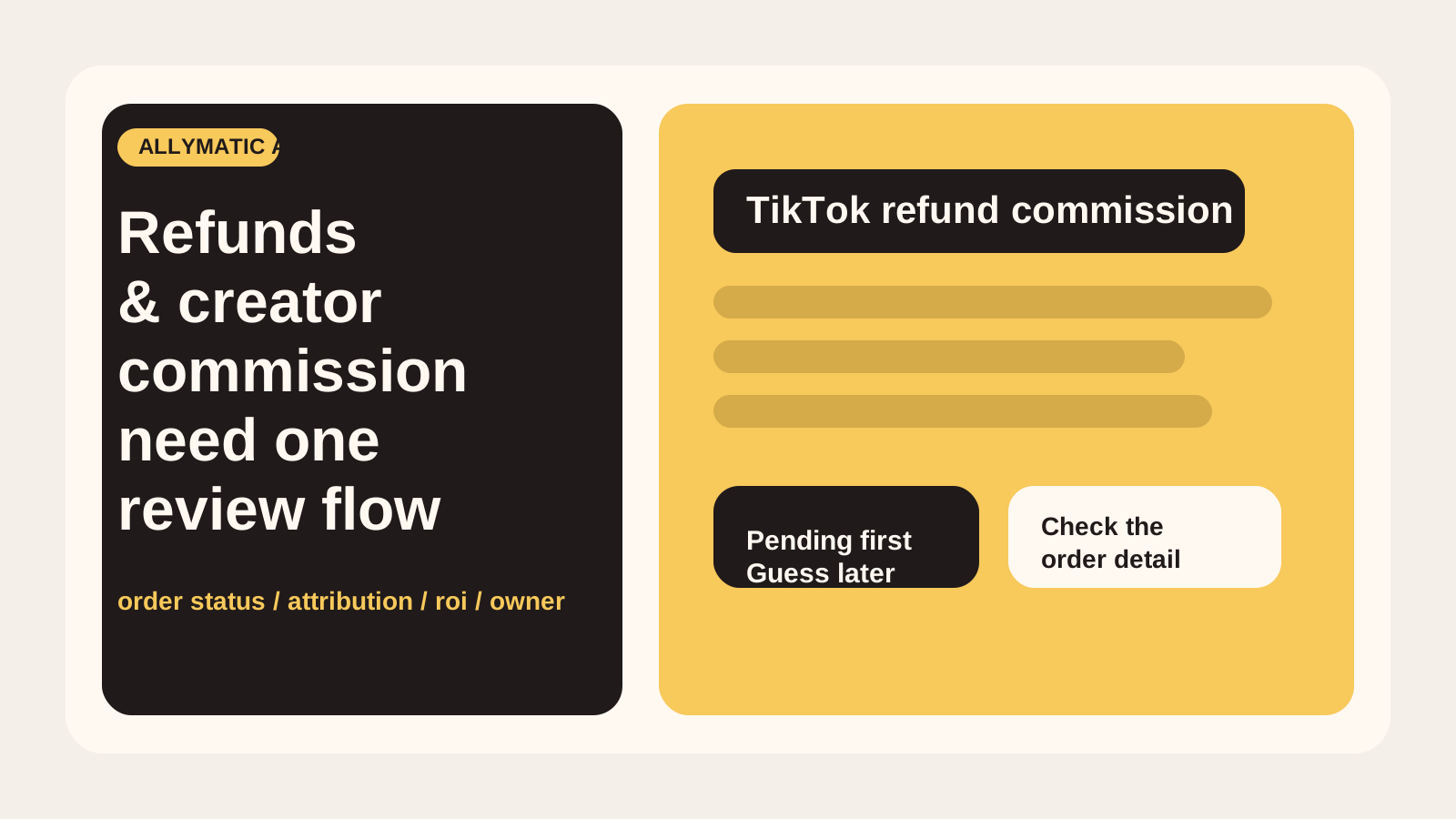
Performance review: define the window and source for views, watch time, clicks, product-page visits, orders, GMV, refunds, commission and paid amplification. Do not attribute all sales to one post when tracking cannot prove it. Review at comparable time points and preserve screenshots or exports.
End with a decision: repeat unchanged, repeat with a new angle, renegotiate rights or fee, pause, or stop. Use the creator scoring framework so one viral result does not override fit and reliability.
20. Tools for social and outreach work
The original notes listed fifteen browser tools, but product availability, pricing and permissions change. Choose by task and verify current terms before installation.
- TikTok and ad research: FastMoss or PiPiAds may support market and creative research; their data is directional, not platform truth.
- Channel research: NoxInfluencer, Upfluence, vidIQ, TubeBuddy and Social Blade may provide public channel trends, estimates or workflow aids.
- Email operations: GMass and Boomerang can support sending or scheduling; Grammarly can assist writing; Bitly can shorten and measure links.
Before adoption, review requested browser permissions, data retention, account access, privacy obligations, exportability and total cost. Never use a tool to scrape private contact data, evade messaging limits or treat an estimated fee or audience profile as verified. Keep source URLs and retrieval dates in the creator record.
21. Seven decisions before creator marketing starts
1. Brand and customer: market, language, audience, price band and buying barriers.
2. Platform: choose from actual audience behavior and product format, not fashion.
3. Creator type: size, category, use case, visual fit and audience—not follower count alone.
4. Primary objective: awareness, traffic, conversion, asset production, community or learning.
5. Budget split: platform, creator fees, samples, shipping, commission, rights, amplification and contingency.
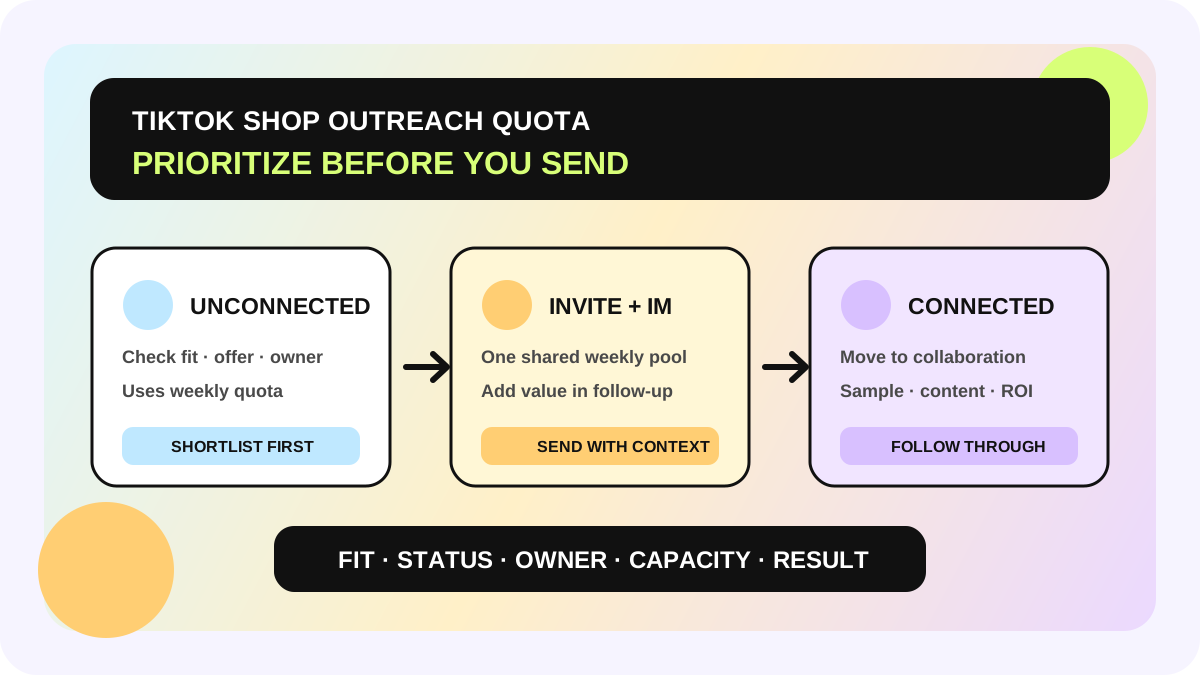
6. Monthly capacity: how many creators the team can source, negotiate, ship, review and pay correctly.
7. Cadence: seasonal campaign or always-on program, with lead times for inventory and approvals.
Write assumptions and stop conditions. A campaign without inventory, compliant claims, usable product links or an owner is not ready for outreach.
22. Ten contract areas to settle
This is an operating checklist, not legal advice. Use counsel appropriate to the parties and markets.
1. Parties: legal names, addresses and authorized signers.
2. Rates: fixed fee, commission, currency, tax, transfer fees, invoice and payment date.
3. Deliverables: platform, format, quantity, deadline and publication period.
4. Creative requirements: factual requirements, specifications, disclosure, preview and reasonable revision rounds.
5. Warranties: authority, original content, licensed music/assets and responsibility for approved claims.
6. Confidentiality: what is confidential, exceptions and duration.
7. Exclusivity: named competitors, territory, channel and limited duration; price it explicitly.
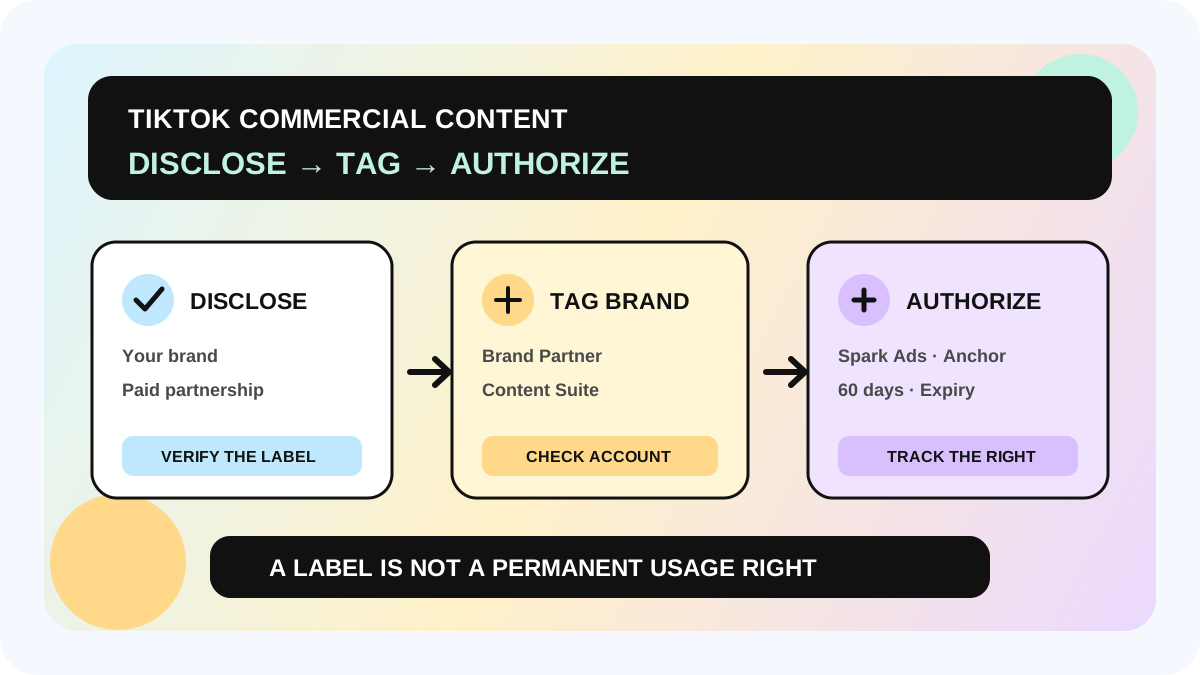
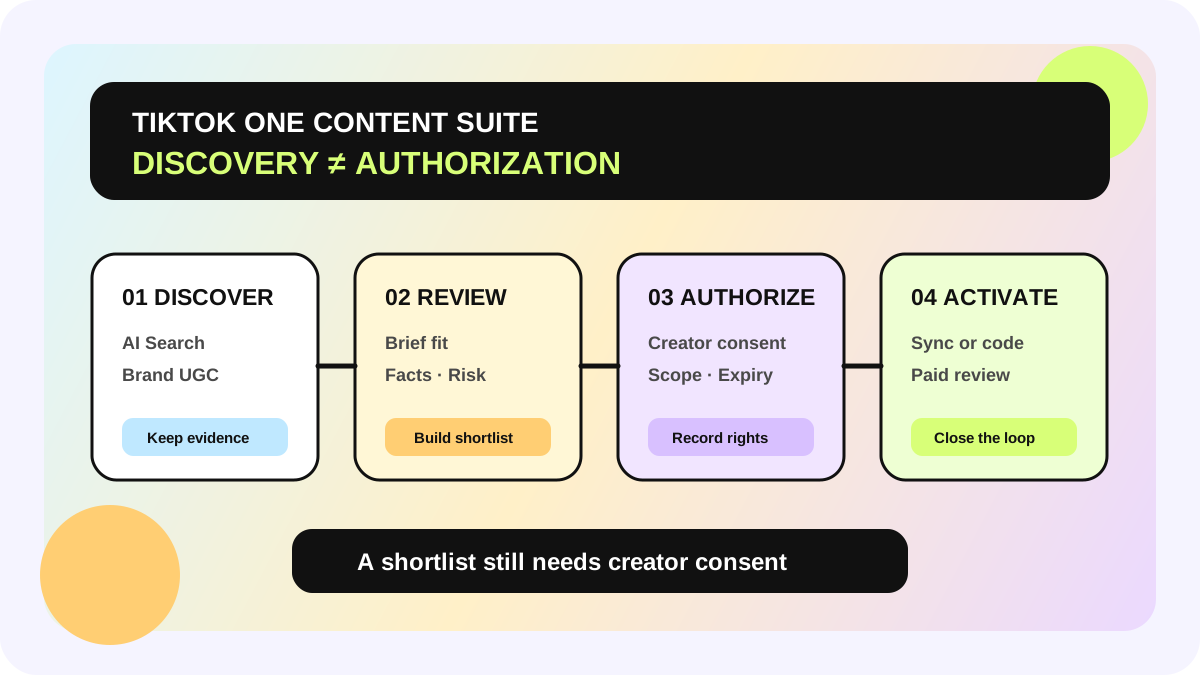
8. Usage rights: organic reposting, paid media, Spark Ads/whitelisting, editing, territory, duration and renewal.
9. Exceptions: cancellation, delay, product issue, force majeure, takedown, return and dispute process.
10. Signatures: names, dates and valid electronic or handwritten signatures.
Avoid an automatic one-year no-delete rule or “any purpose” usage. Retention and rights must be negotiated, proportionate and paid when appropriate.
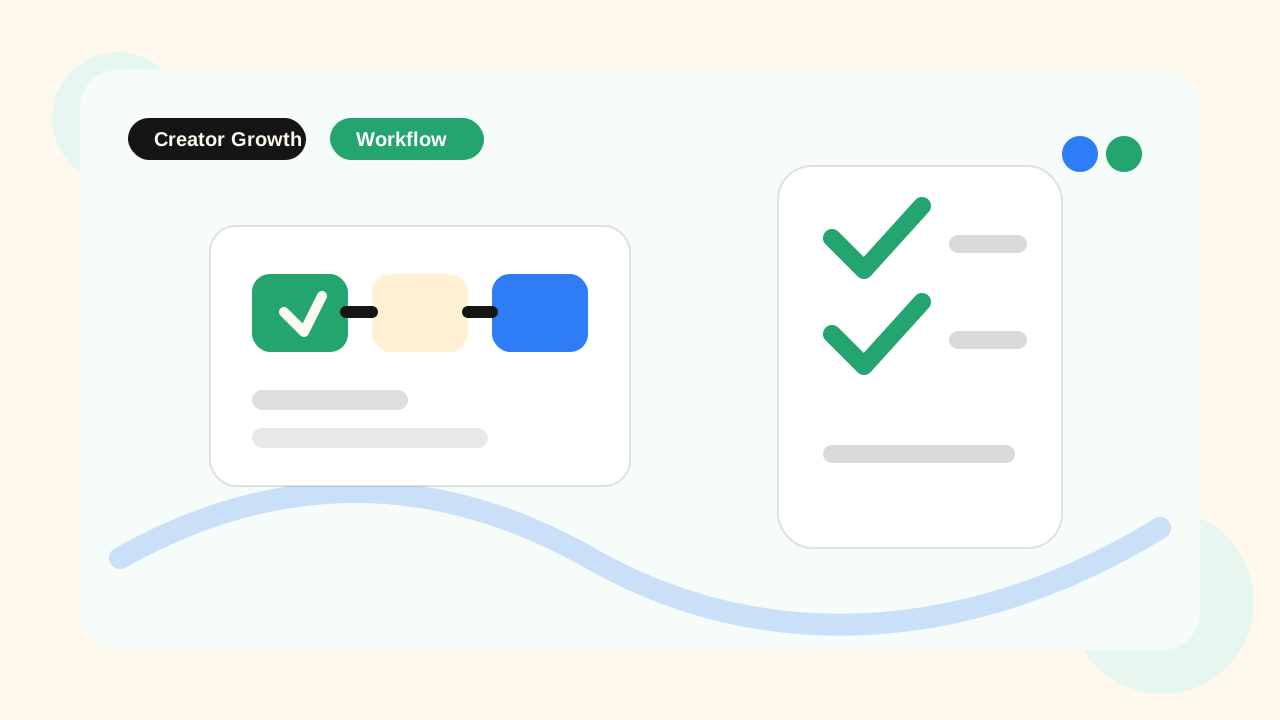
23. Ten-step operating workflow
1. Approve audience, objective, platform, budget, volume and cadence.
2. Source creators and assign A/B/C priority from fit—not personal worth.
3. Send personalized email or platform invitation.
4. Confirm concept, deliverable, schedule, fee, commission and rights.
5. Issue a concise executable brief.
6. Sign the agreement when a guaranteed deliverable or paid rights are involved.
7. Confirm address and consent, ship the correct sample, and share tracking.
8. Let the creator produce within the agreed boundaries.
9. Review only agreed facts and requirements, approve, publish and pay on time.
10. Review results at a defined window and decide the next action.
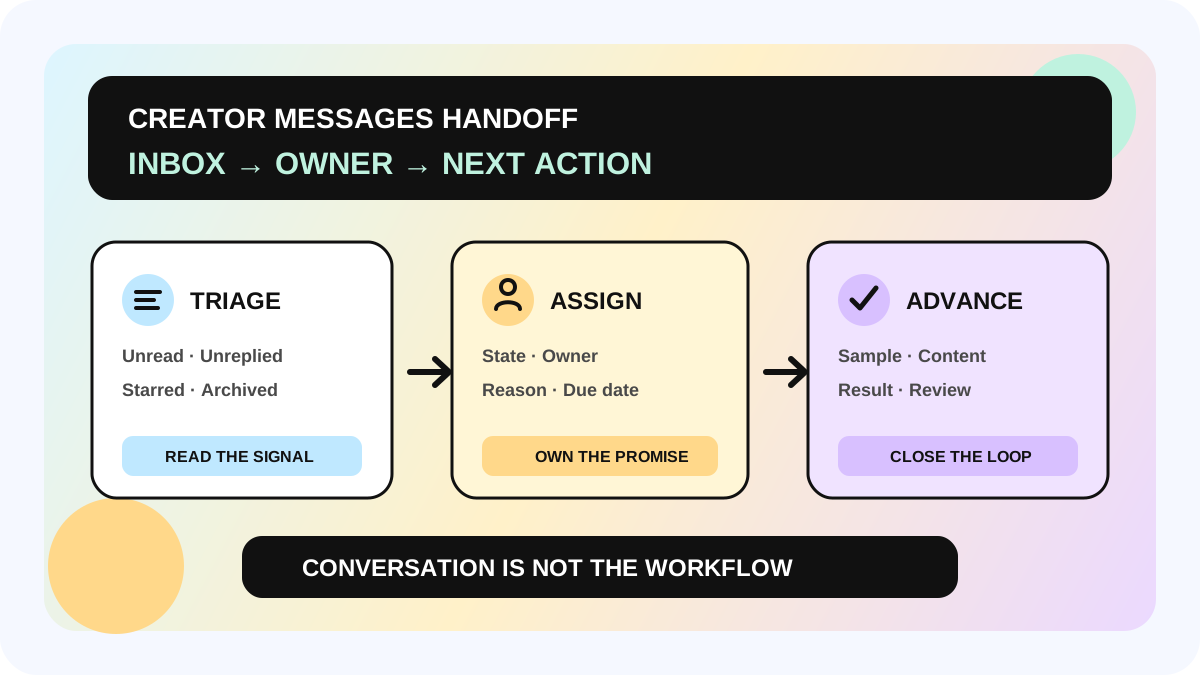
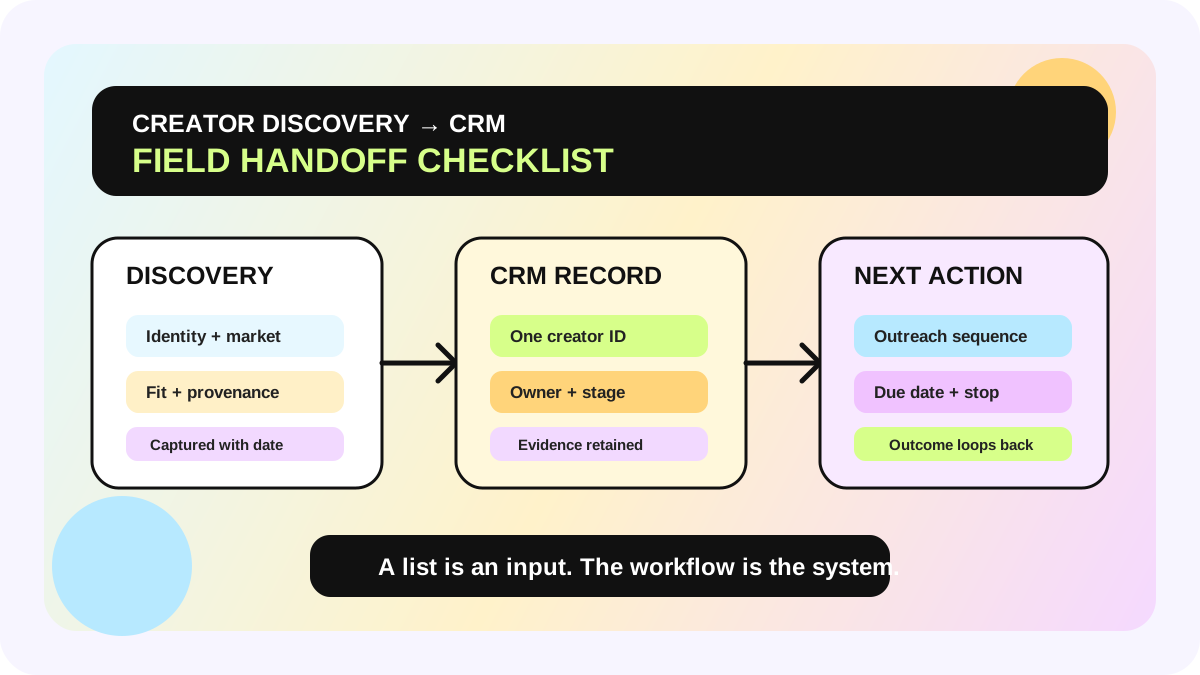
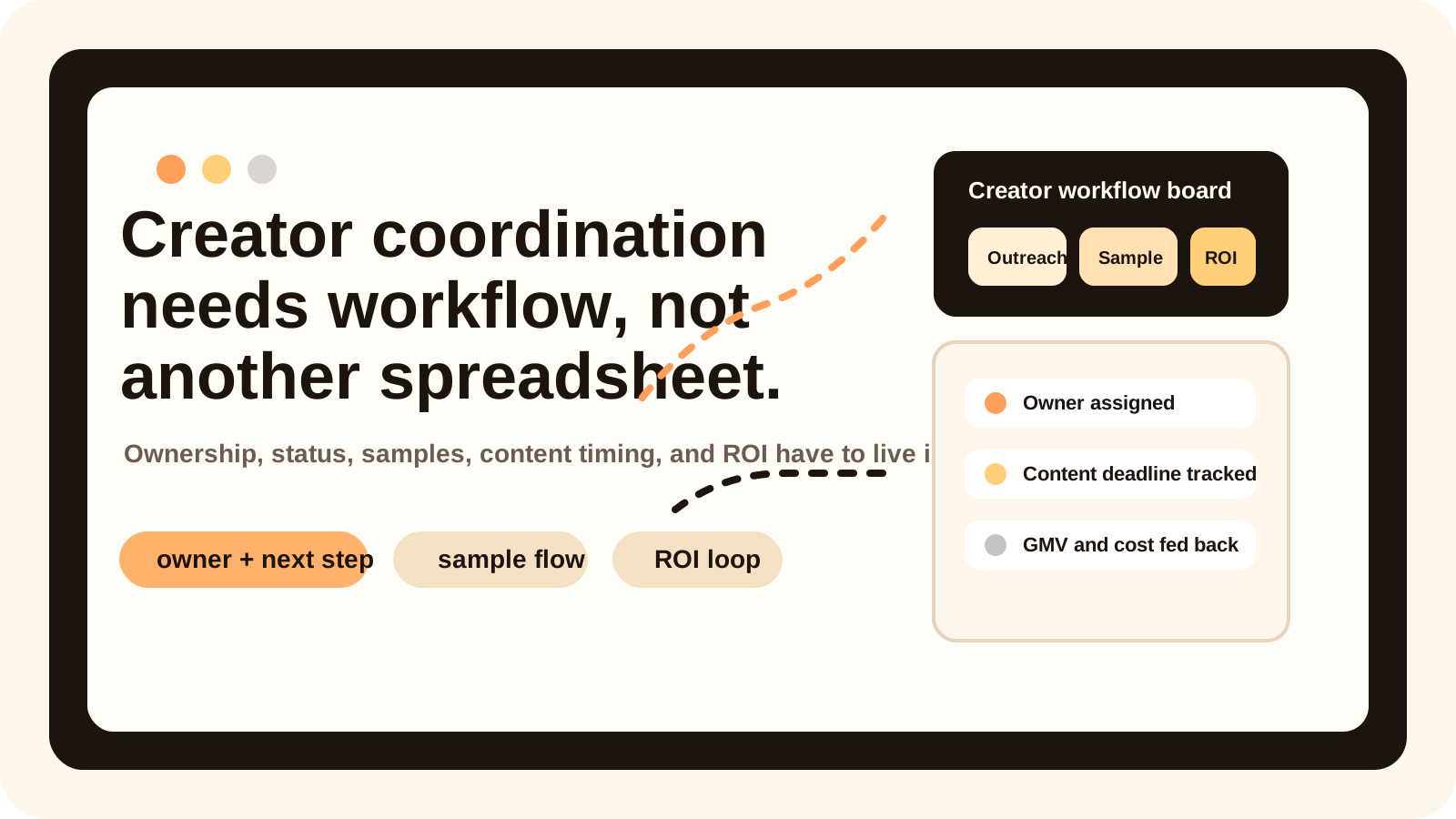
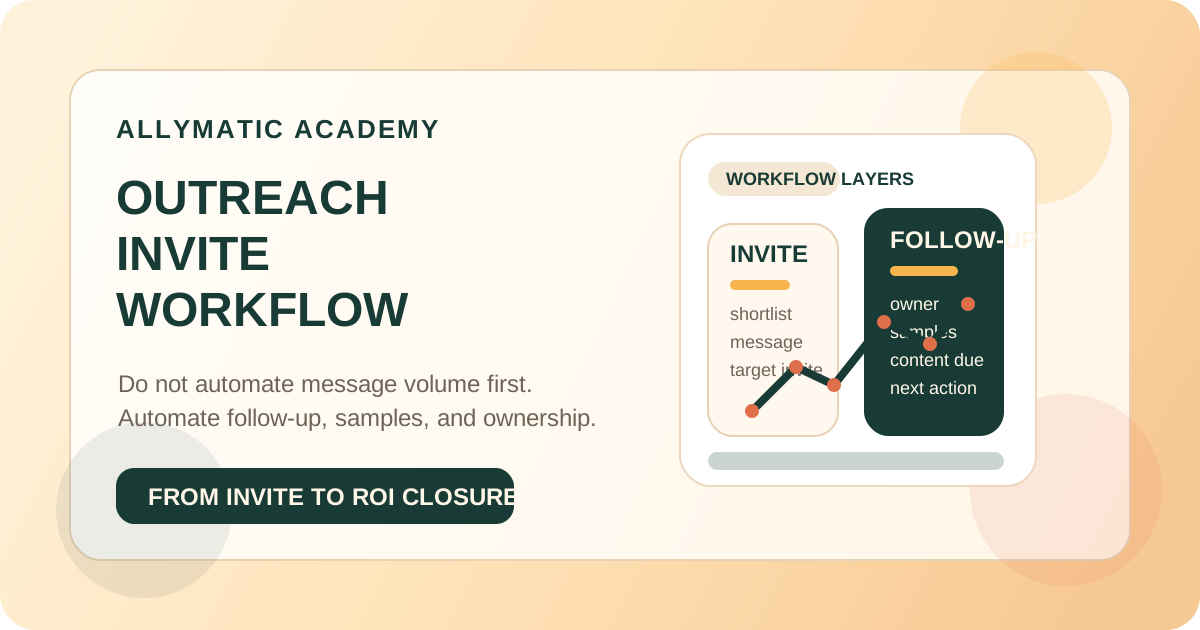
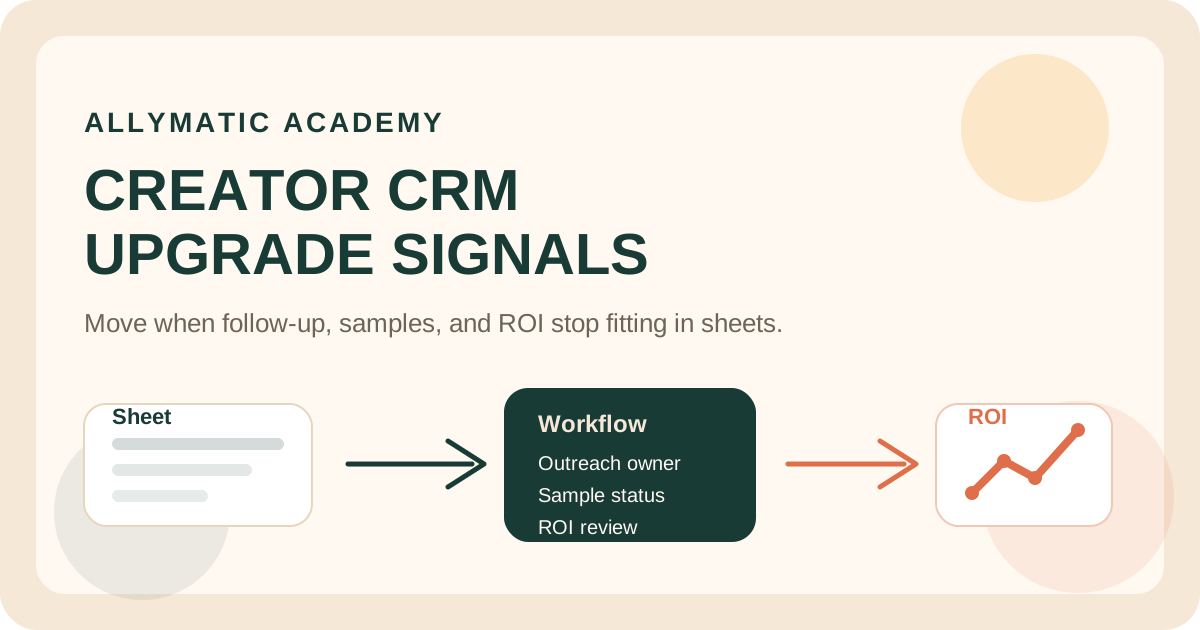
Track the full state in the creator outreach workflow rather than in individual inboxes.
24. Declining a creator or negotiating gifting
Decline clearly and respectfully
Reply with thanks, a factual reason and an honest future condition. Do not insult page quality or invent a full campaign if none exists.
```text
Hi [Name],
Thank you for considering [Brand]. This campaign is focused on [audience/use
case], so we will not move forward with this collaboration. If we open a
campaign for [relevant category/market], we would be happy to reassess current
fit. We appreciate your time.
Best, [Name]
```
Valid reasons include audience mismatch, content/category mismatch, closed capacity or budget mismatch. Keep internal scoring private and apply the same criteria consistently.
Negotiate gifting without devaluing labor
A creator who quotes a fee is allowed to decline product-only work. Present gifting as an option, not as “more valuable” than labor.
- Product-value route: state the real retail value and what is included, without implying that retail price equals creator compensation.
- Trial route: propose an unconditional sample or a small, clearly scoped first deliverable, then define what would unlock paid work.
- Affiliate route: state commission, attribution, eligible sales, refund treatment and payment timing. Do not promise income.
- Giveaway route: clarify units, shipping, winner data, content, disclosure and who runs fulfillment.
- Reduced scope: remove deliverables or rights rather than asking for the same work without the fee.
```text
Hi [Name],
Thank you for sharing your rate. Our approved option for this test is [gifted
sample / commission / smaller paid scope], with [clear terms]. We understand
if that does not fit your business. If you are interested, we can send the
complete brief before either side commits.
Best, [Name]
```
Choose the route from the creator's business model and campaign objective. If a fixed fee is required and the economics do not work, decline cleanly.
25. Maintain the creator relationships worth maintaining
Maintenance is not constant messaging. Prioritize creators using review data, content quality, reliability, audience fit, rights value and useful product feedback.
1. Be sincere at first contact: use the correct name and a specific, true reference.
2. Respect creative expertise: give immutable facts and boundaries, then listen to channel knowledge.
3. Praise specifically: name the useful hook, demonstration or audience response; avoid flattery designed to lower price.
4. Offer relevant opportunities: events, giveaways or sponsorship only when fit and terms are clear.
5. Share product updates selectively: invite meaningful testing, close the feedback loop and credit contributions with permission.
6. Use consent-based relationship notes: remember preferences and important dates only when appropriate; gifts must follow policy and anti-bribery limits.
The team represents the brand in every message. Respect does not mean accepting every quote, and procurement discipline does not justify treating creators as replaceable inventory.
FAQ
Should a new creator be paid entirely after publication?
Not by default. Use milestones and risk allocation agreed by both sides. Established creators may require a deposit; the brand must pay on the promised trigger.
Can the brand demand a return if no video appears?
Only when the agreement and local rules support it. An unconditional gift is different from a sample tied to a contracted deliverable.
Is affiliate commission a substitute for a creator fee?
It is a different commercial model. It can complement or replace a fee only when both sides accept the tracking, risk and payment terms.
The allymatic view
Creator BD becomes scalable when commercial terms, product movement, content state, rights, payment and review evidence live in one operating record. allymatic helps teams maintain that state; human owners still make fit, negotiation, compliance and relationship decisions. Pair this guide with the sample ROI workflow to connect shipments to valid outcomes.