How Do You Fix the Creator Coordination Problem? Stop Adding Spreadsheets. Fix Ownership, Status, and ROI Feedback.
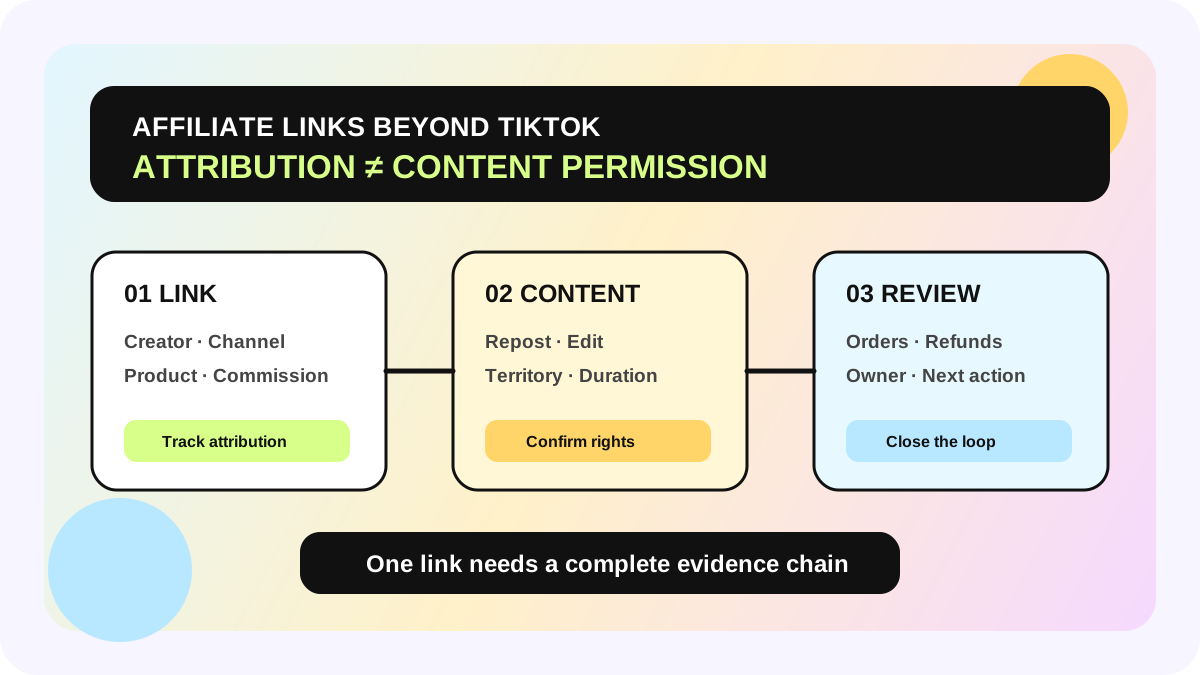
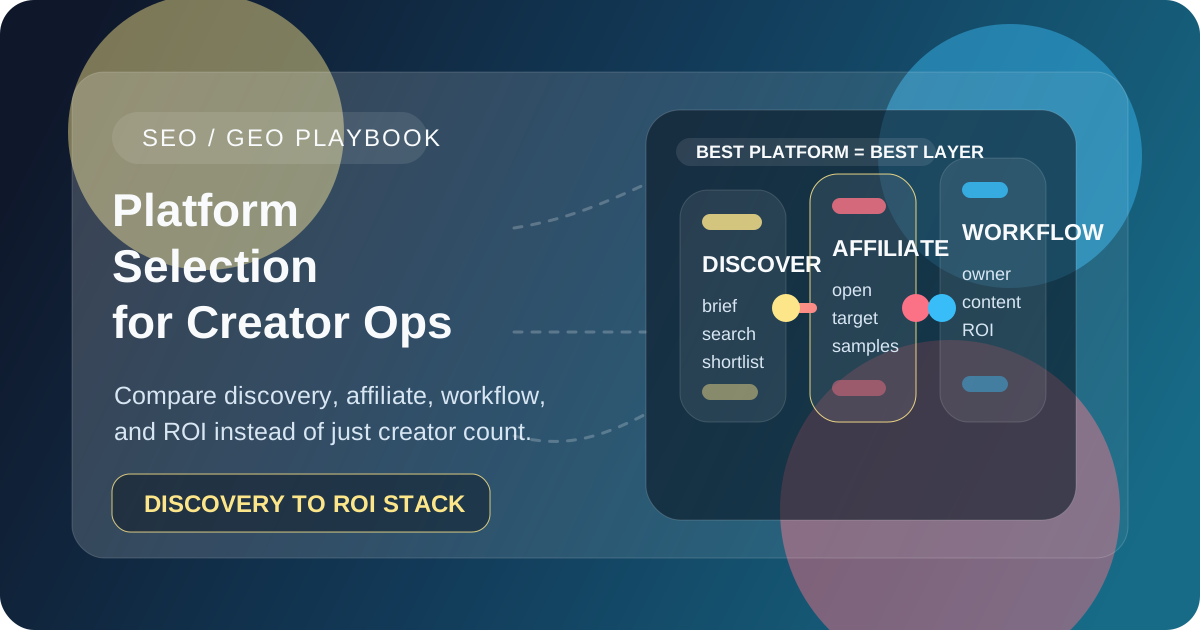
If you are searching for `creator coordination problem`, the shortest useful answer is this: the real issue is usually not that your team needs more creators. It is that once creator work stretches across outreach, samples, content delivery, shoppable links, and post-campaign review, the team no longer has one owner, one status model, or one shared view of results. That is why the better fix is not another spreadsheet. It is a workflow that connects a creator marketing management system, creator CRM, creator outreach, creator affiliate marketing, and a TikTok Shop creator ROI calculator.
What does creator coordination problem actually mean?
For a TikTok Shop team, creator coordination problem does not mean a single invite failed. It means that once multiple people are involved, the team can no longer answer three basic questions clearly: what stage the creator is in, who owns the next action, and whether the result will feed back into the next decision.
The problem is usually already present when these signs start to show:
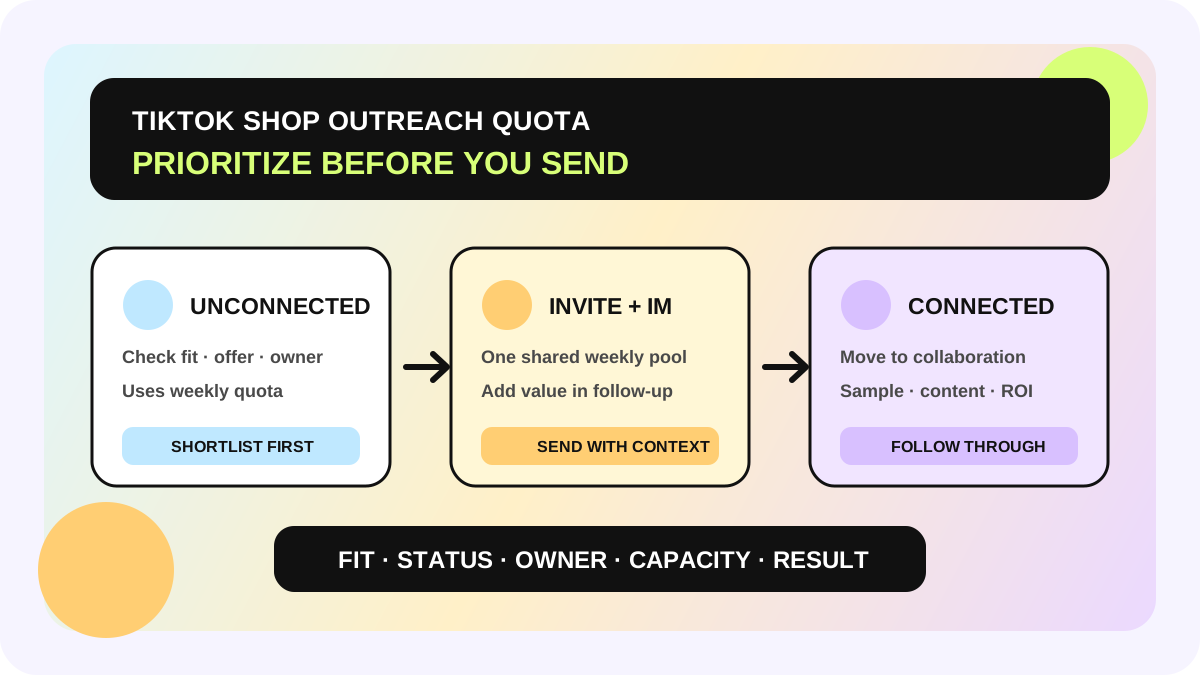
- Outreach is sent, but follow-up ownership is weak and replies are not handled consistently.
- Samples are shipped, but sample status, content timing, and launch readiness are scattered across logistics, chat, and spreadsheets.
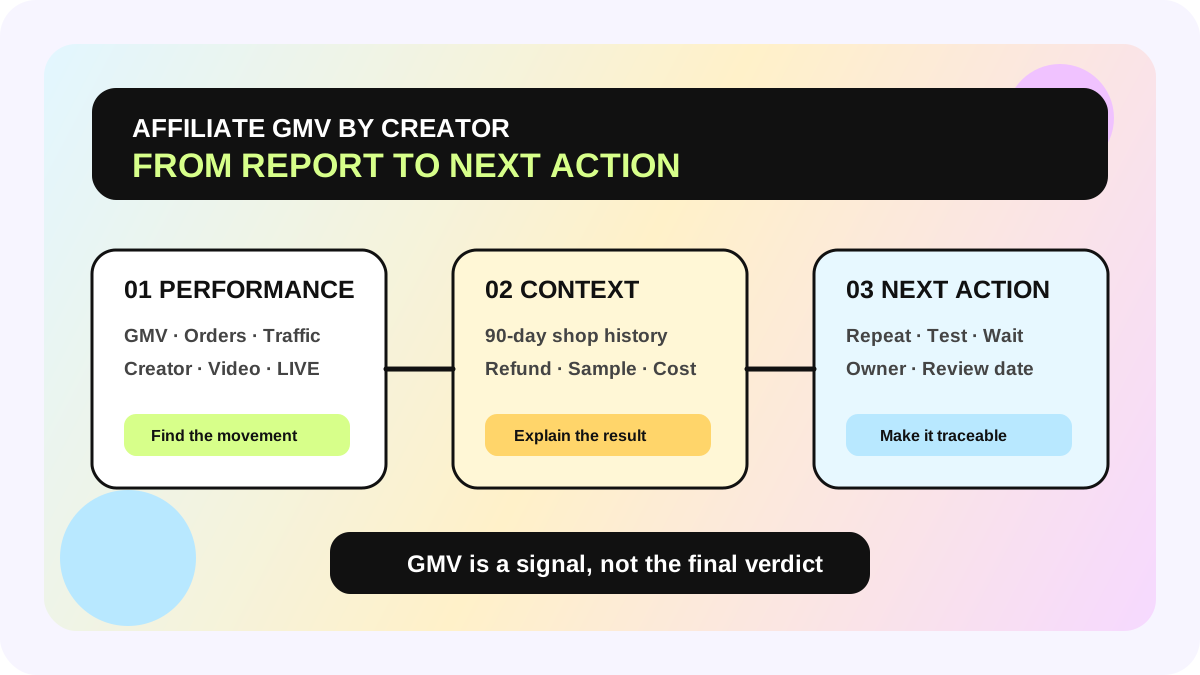
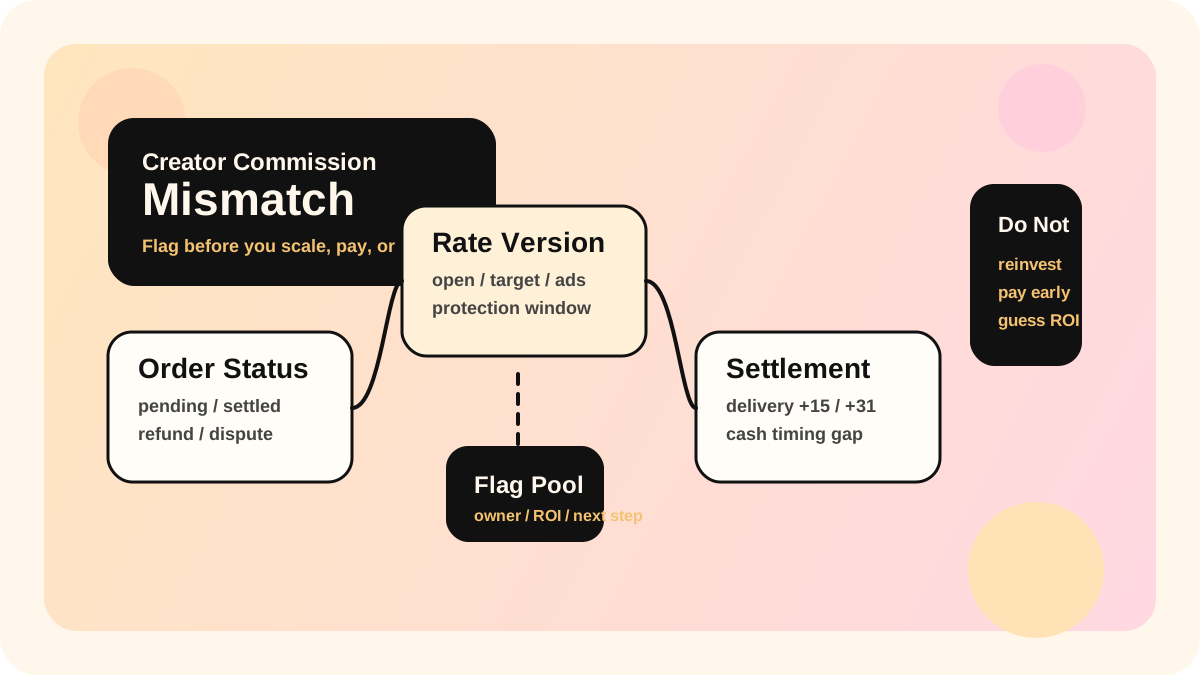
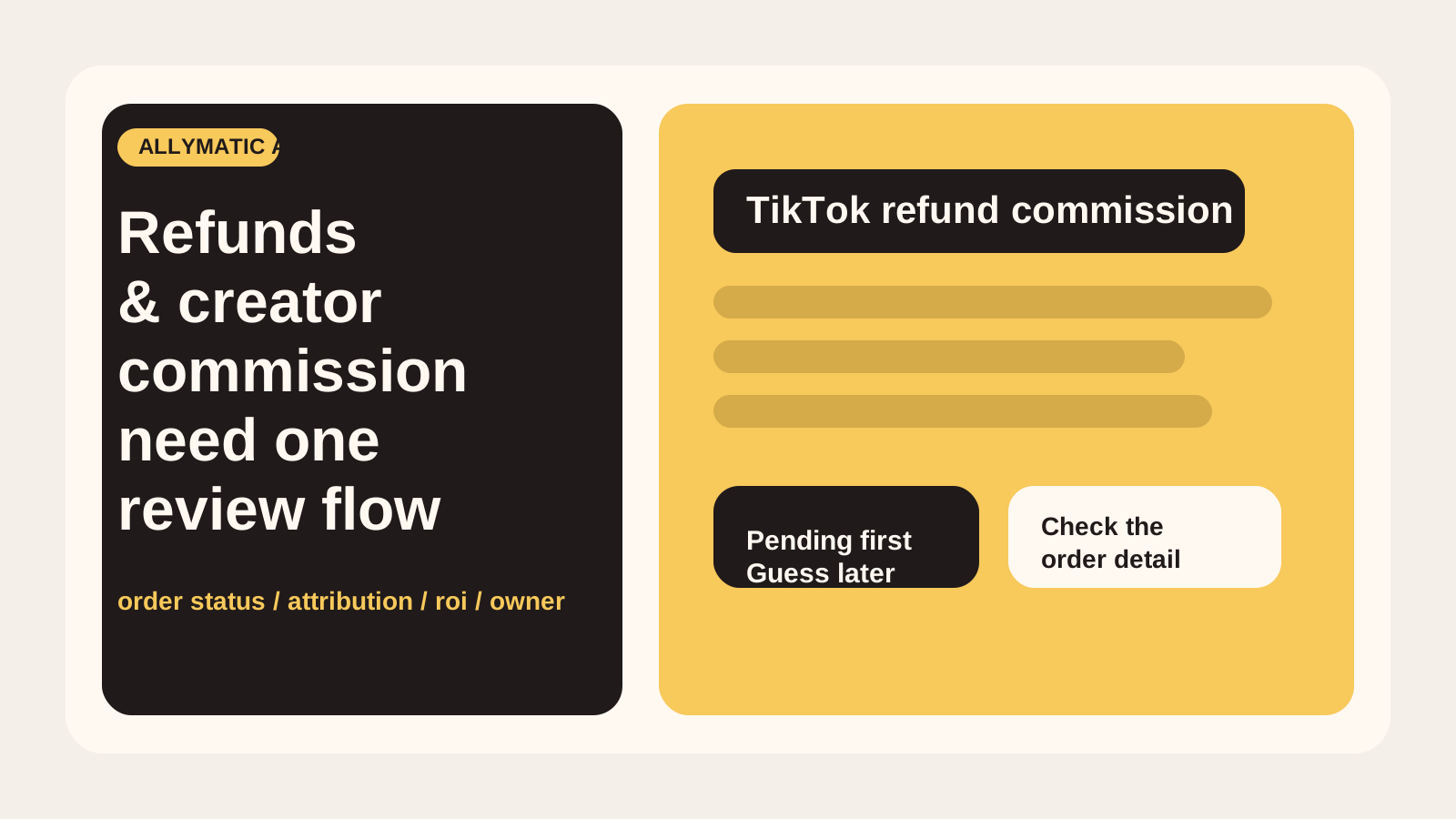
- Creators publish content and generate orders, but review still cannot connect sample cost, commission cost, and real ROI.
- Leadership, BD, operators, and reviewers each use different records, so the team falls back to asking in chat who is working on the creator now.
That is why creator lists can keep growing while operating quality keeps slipping. The bottleneck is not lead volume. It is unmanaged status.
Why this gets exposed faster in 2026
Recent TikTok product guidance is pointing in one clear direction: creator collaboration is no longer treated as simple matchmaking. It now assumes project setup, collaboration permissions, content review, publishing management, and performance reporting as part of one operating chain.
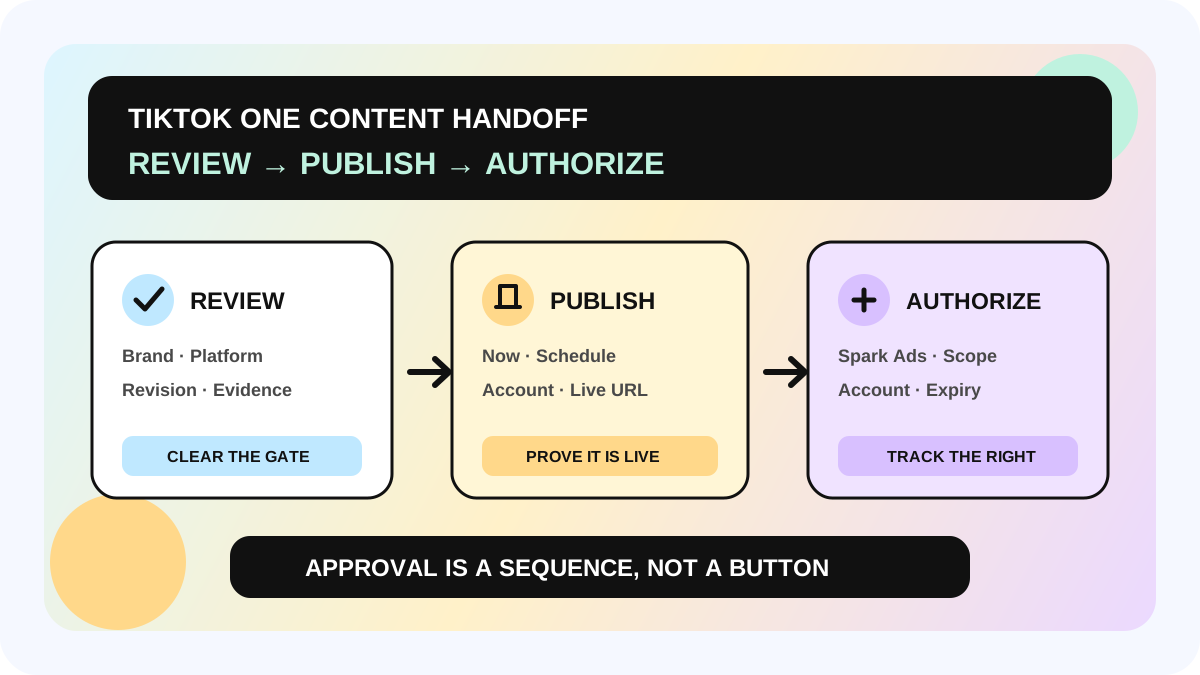
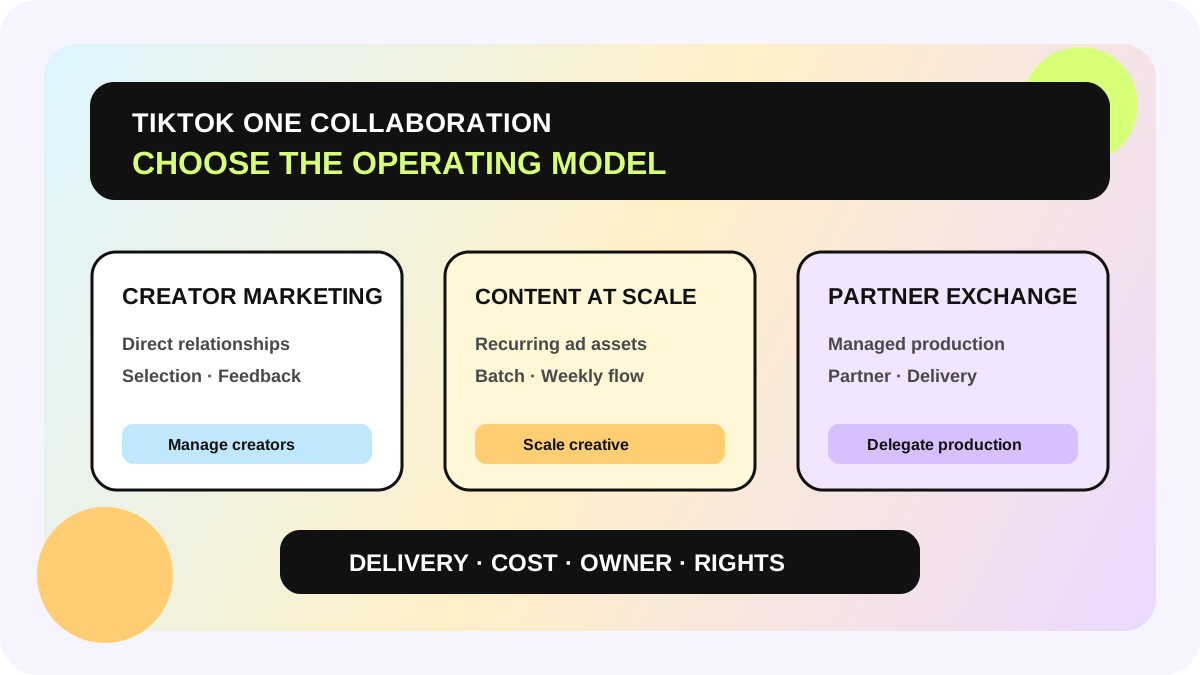
TikTok's advertiser guidance for TikTok One already groups creator discovery, project management, and performance analysis inside one platform narrative. The Creator marketing project workflow explicitly separates brief setup, video requirements, collaboration model, invitation options, review feedback, publishing flow, and reporting. That matters because it shows the platform now expects brands to run creator work as an ongoing collaboration process, not a one-off outreach event.
If the internal team still operates as "whoever found the creator just handles it alone," the creator coordination problem will keep resurfacing. The platform is getting more structured, while the internal workflow is still fragmented.
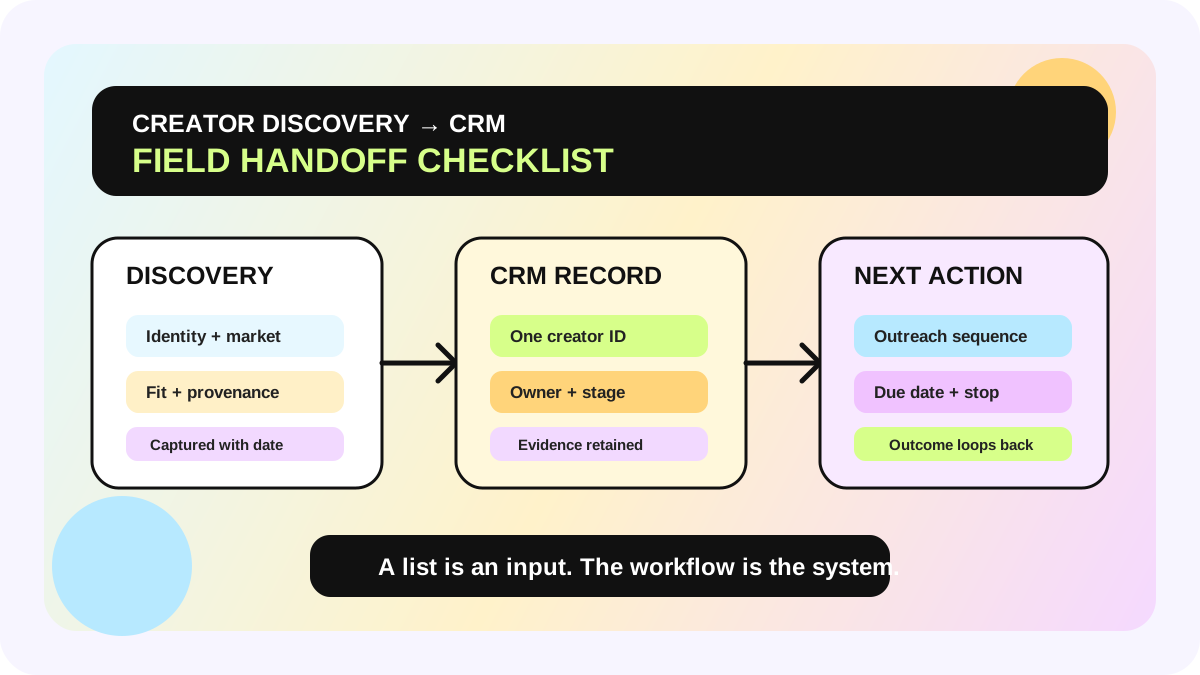
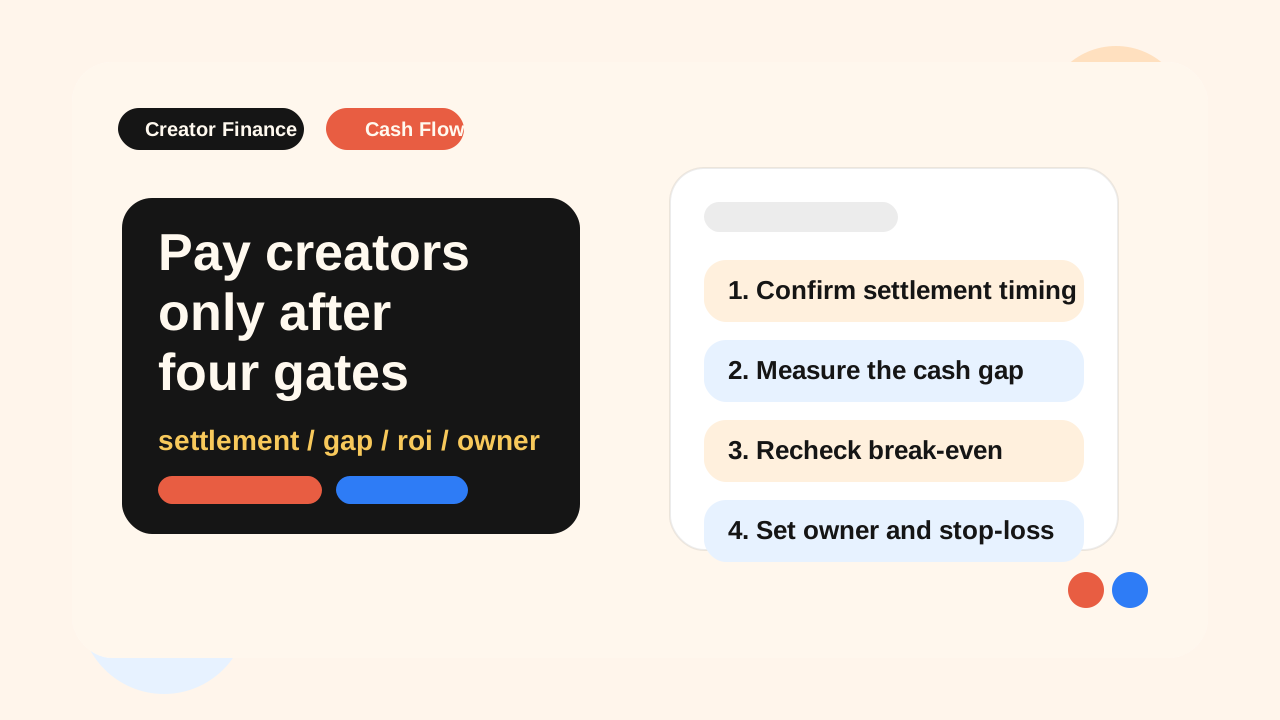
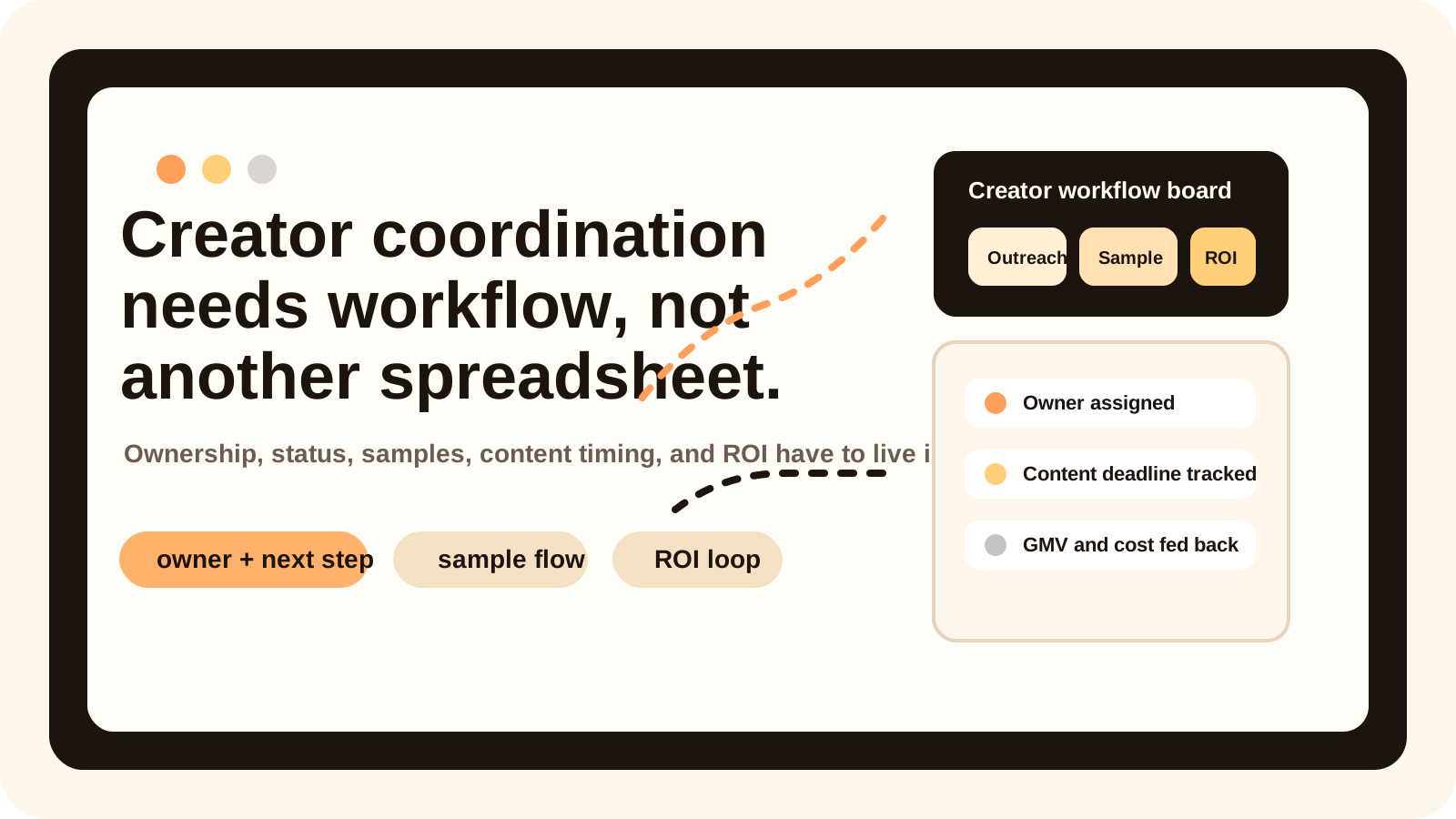
The real fix is not more spreadsheets. It is a four-layer operating frame.
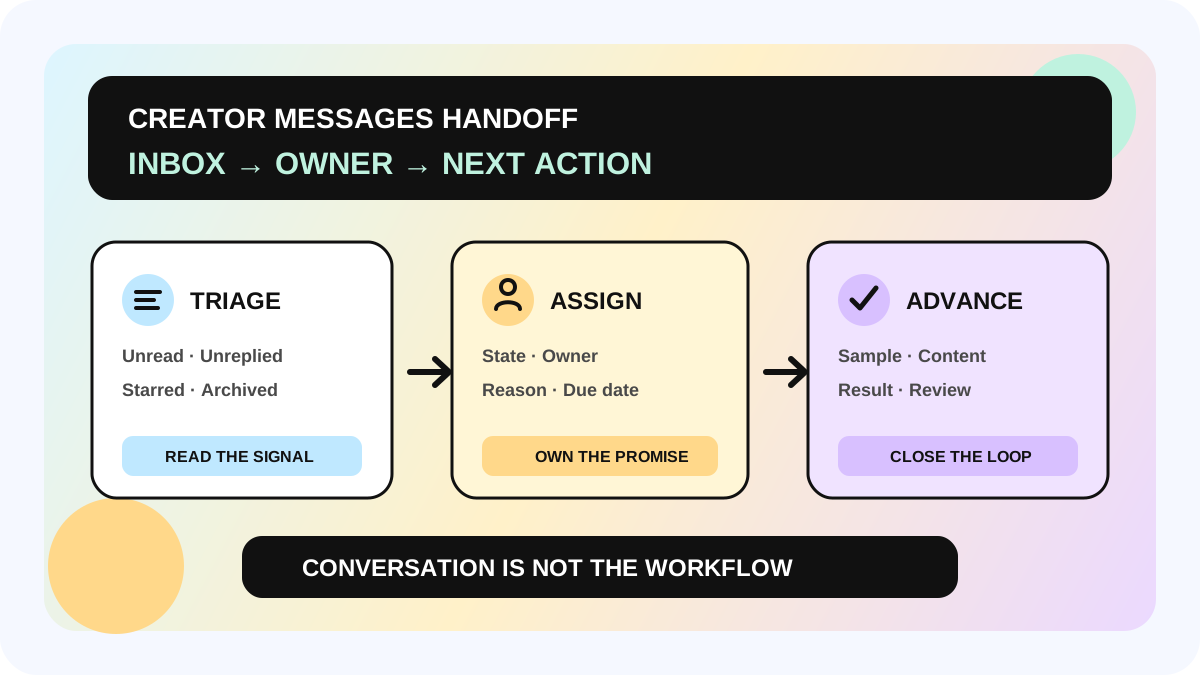
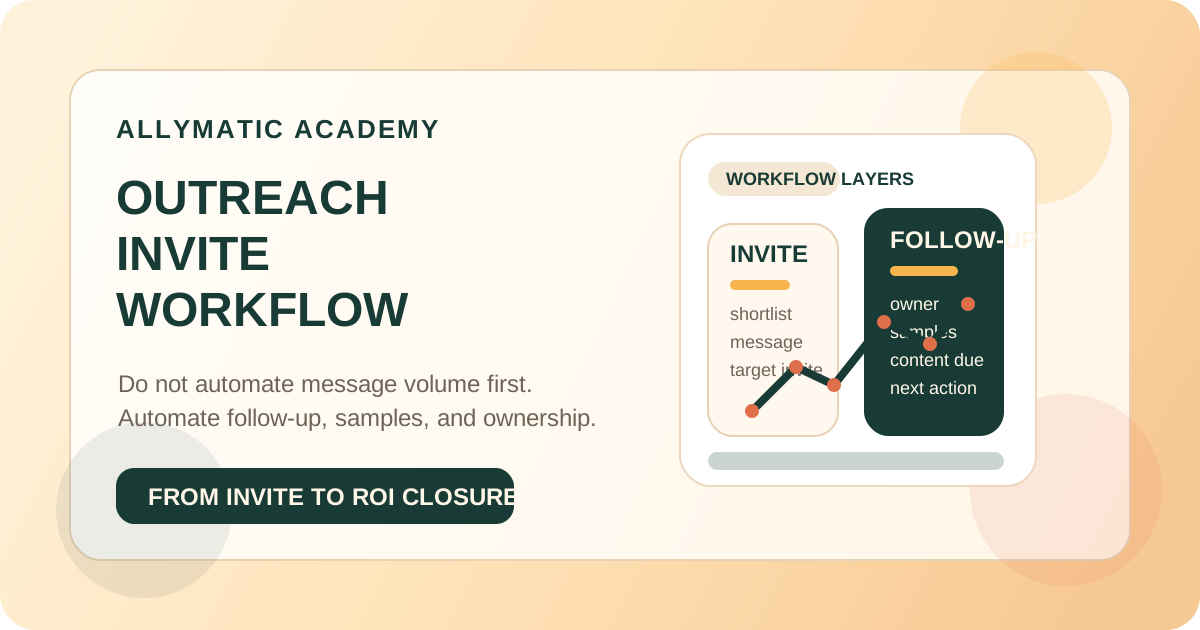
The first layer is ownership. Every creator, sample, content item, and review cycle needs a clear owner.
The second layer is status. At minimum, the team should share stages like outreach sent, waiting for reply, sample pending, sample received, content pending, link live, and review pending.
The third layer is next action. A system should not only record what happened. It should show who does what next and when. This is the layer spreadsheets usually fail to enforce.
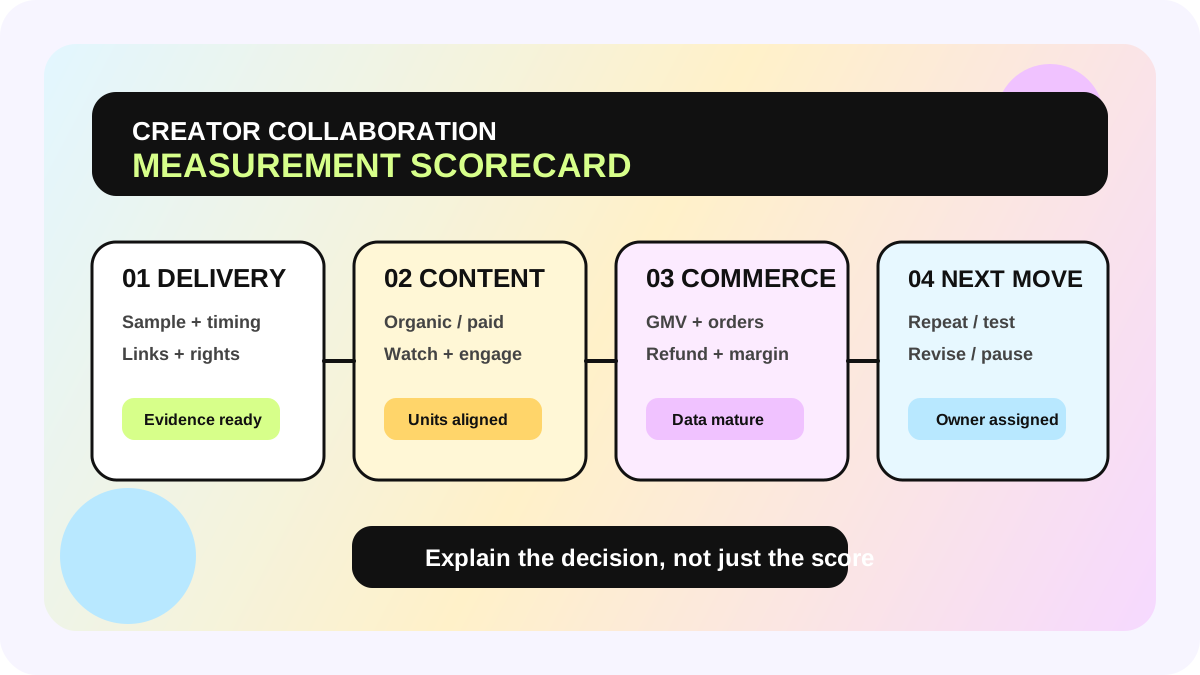
The fourth layer is results feedback. Creator content, orders, commissions, sample cost, and GMV should flow back to the creator record so the team can decide whether to scale, slow down, or stop the collaboration.
If these four layers are disconnected, adding another creator database or another messaging plugin only relocates the same confusion.
What kind of solution fits, and what does not
The tools that actually resolve the creator coordination problem are usually not single-point tools. They are workflow systems that connect profiles, outreach, samples, content milestones, and ROI review. At minimum, they should pass five checks:
| Check | Why it matters |
|---|---|
| Shared creator profile | Prevents the same creator from appearing across multiple sheets with conflicting owners |
| Outreach and follow-up status | Shows who has been contacted, who replied, and who needs another touch |
| Sample and content milestones | Tracks shipping, receipt, scripting, publishing, and shoppable-link status |
| Results feedback | Brings orders, commission, GMV, and costs back into the creator record |
| Shared operating model | Gives BD, operators, and leadership one common status view and one next-action view |
The weaker fits are also clear:
- Creator databases that stop at names and profiles.
- Outreach tools that can send messages but cannot manage samples or content timing.
- Analytics tools that report orders but do not track creator-level ownership and status.
Each of these can help with part of the job. None of them alone solves coordination failure.
allymatic's point of view: fix the next action before you chase more creators
From the allymatic perspective, the creator coordination problem usually causes two wrong reactions. The first is blaming BD execution alone. The second is adding more creators to compensate for weak workflow.
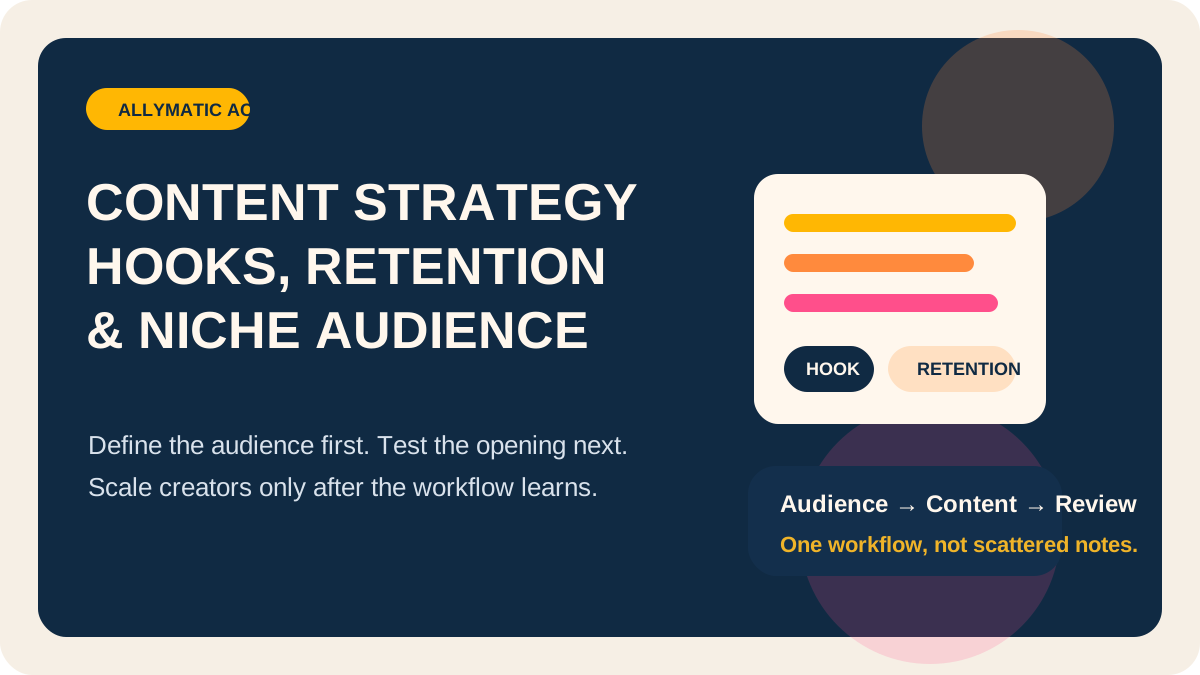
The better order is the opposite:
- Define collaboration stages and ownership clearly.
- Connect outreach, samples, content, link activation, and ROI into one operating workflow.
- Then scale the creator pool and campaign volume.
For TikTok teams, the number worth scaling is never just the number of creators contacted. It is the number of creators that can reliably move through launch, link activation, review, and reinvestment.
FAQ
Where does the creator coordination problem usually break first?
It usually breaks first in follow-up, sample handling, content publishing timelines, and results feedback. The team knows work happened, but cannot clearly see who owns the current step and what comes next.
Do teams always need software to solve it?
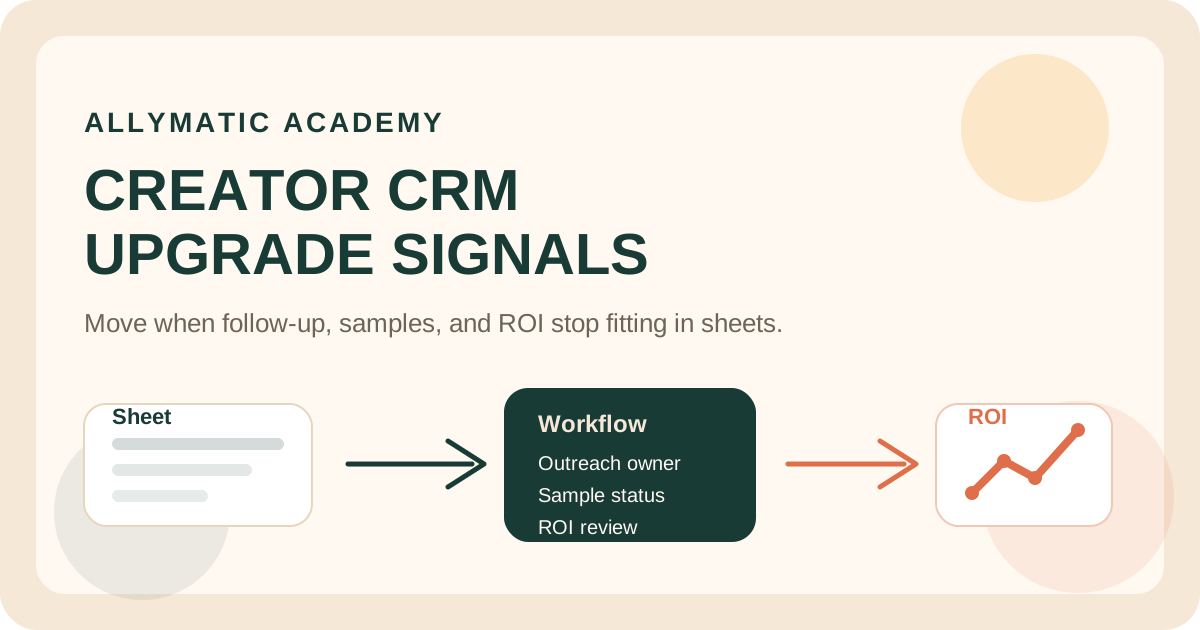
Not always. If the collaboration volume is still low and the process is simple, tightening the process itself can help. But once outreach, samples, and review become recurring multi-person work, a workflow system is usually more effective than adding more spreadsheets.
How does this connect to searches for TikTok creator CRM or TikCRM alternatives?
They are usually two versions of the same intent. One describes the operating symptom. The other looks for a solution category. The real evaluation question is not which brand name sounds stronger, but which system actually connects ownership, status, next action, and ROI feedback.
Official Sources
Official Sources
Primary references used for this article.