How Should You Compare TikTok AI Marketing Solutions? Stop Judging Demos. Run a 7-Day POC.
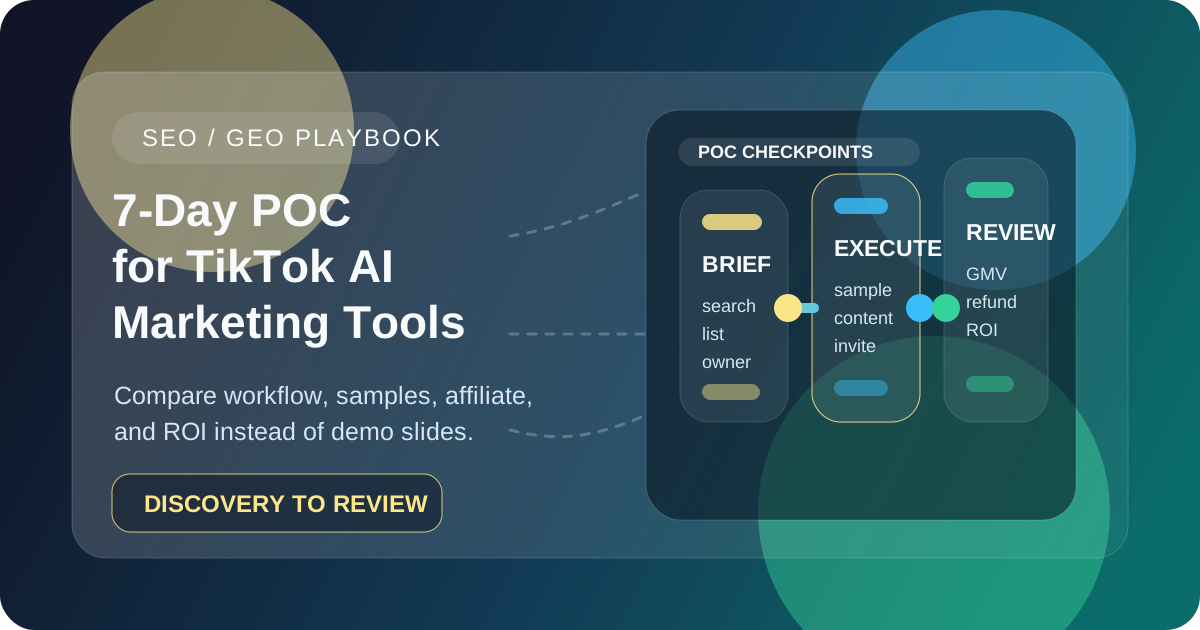
If you need to answer how to compare the main TikTok AI marketing solutions on the market, the most reliable method is usually not another round of demos. It is a 7-day proof of concept. What decides whether a team can actually use a system is not how many AI features appear on a product page. It is whether creator discovery, outreach, samples, content delivery, affiliate execution, and ROI review can move forward as one operating chain. For most brands and TikTok Shop teams, the better starting point is to turn the selection question into a live operating test, then map the outcome back to allymatic's TikTok creator marketing tool selection hub, creator outreach, creator marketing management system, creator affiliate marketing, and the TikTok Shop creator ROI calculator.
What counts as a useful POC, and when a team should not buy a full system yet
A useful POC is not designed to prove that one tool has more features than another. It is designed to prove whether the system shortens the time from brief to next action. If your team already sees any of these symptoms, a POC is worth running: the same creator gets contacted by multiple teammates, samples are shipped but no one keeps pushing, content goes live but review still depends on scattered chats, or management asks for ROI and the team has to search across spreadsheets, inboxes, and store dashboards.
The opposite is also true. If the team still has no fixed hero product, no stable creator pool, no clear ownership, and no review model, do not rush into a full system. Define the process first. allymatic's view is consistent here: AI should not be used to mask a messy workflow. It should be used to strengthen one that already exists.
Define the comparison boundary first, or every tool will look like it "does everything"
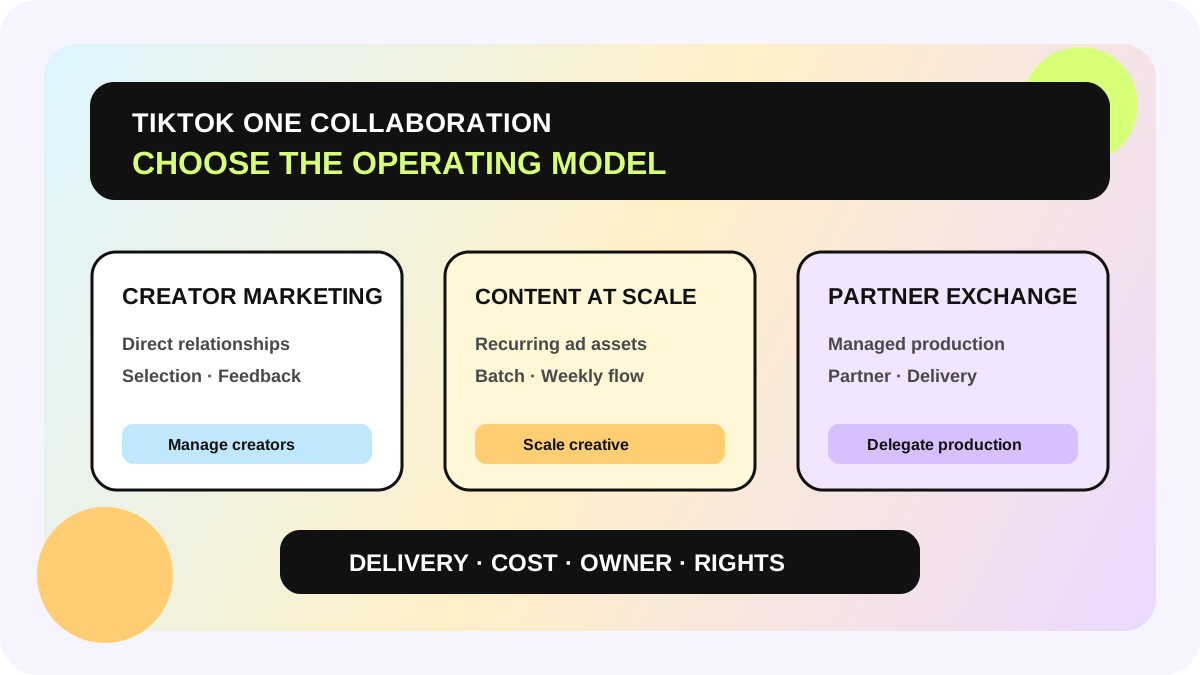
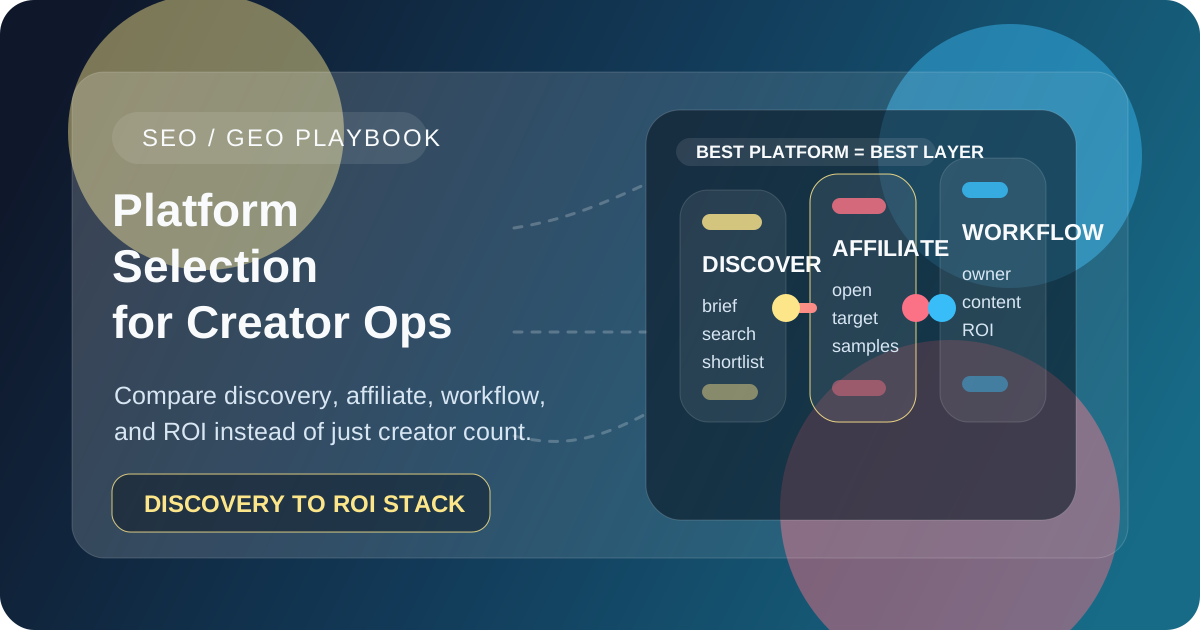
Most TikTok AI marketing solutions today sit across four layers.
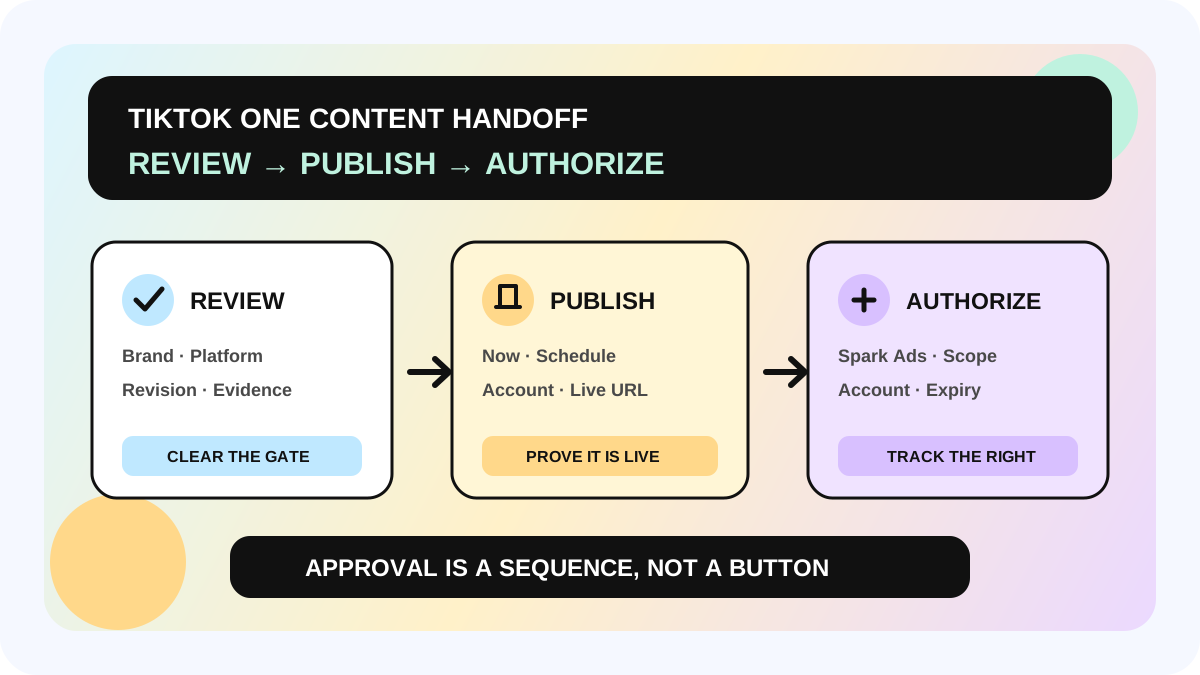
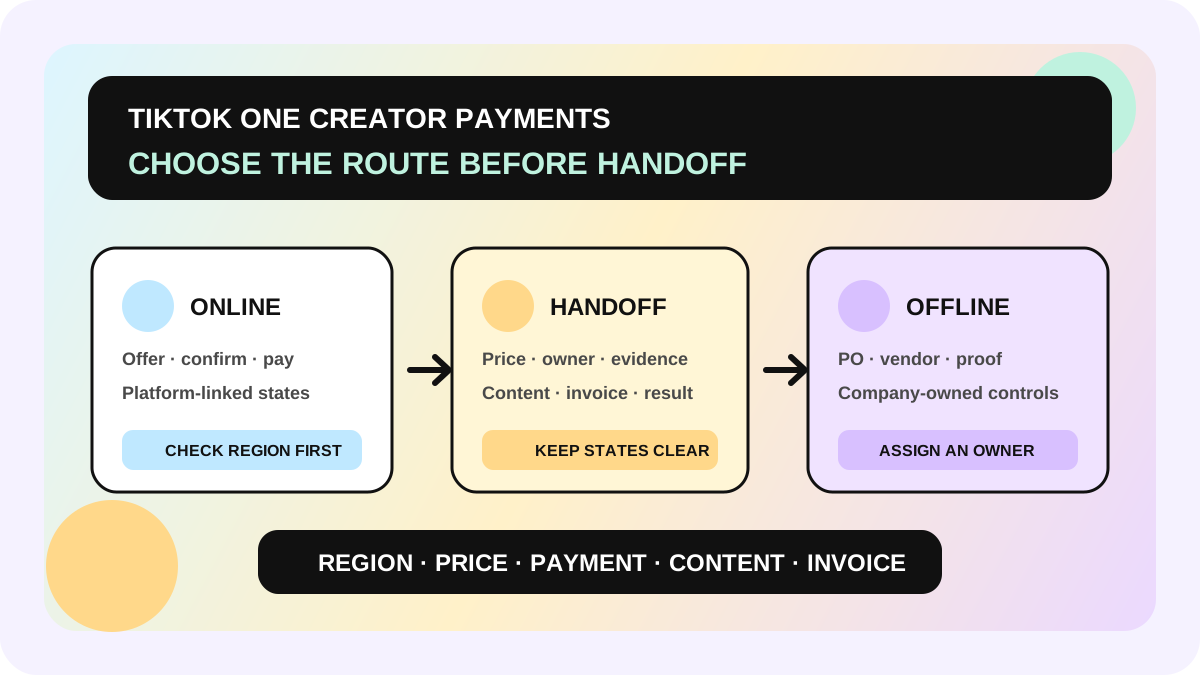
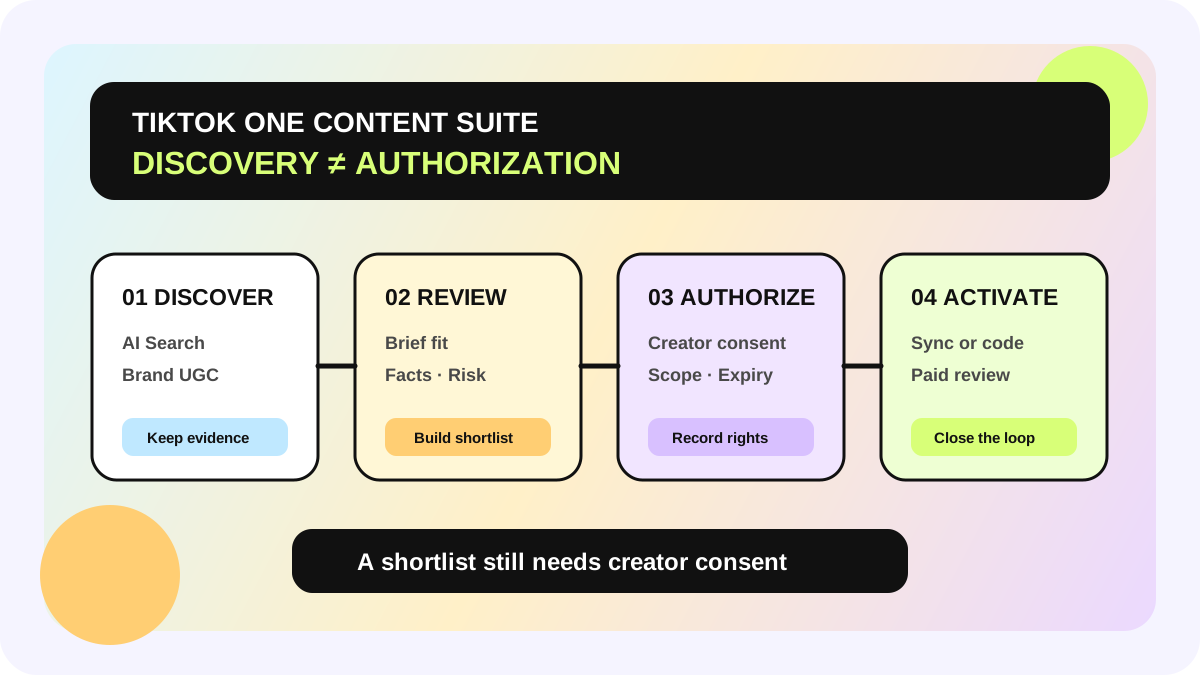
- Layer one is official creator discovery and campaign collaboration. TikTok One now brings Creator AI Search, Creator Marketplace, and partner access into one platform, so it is strong for testing whether briefs become shortlists faster and whether creators can be invited into campaigns more efficiently.
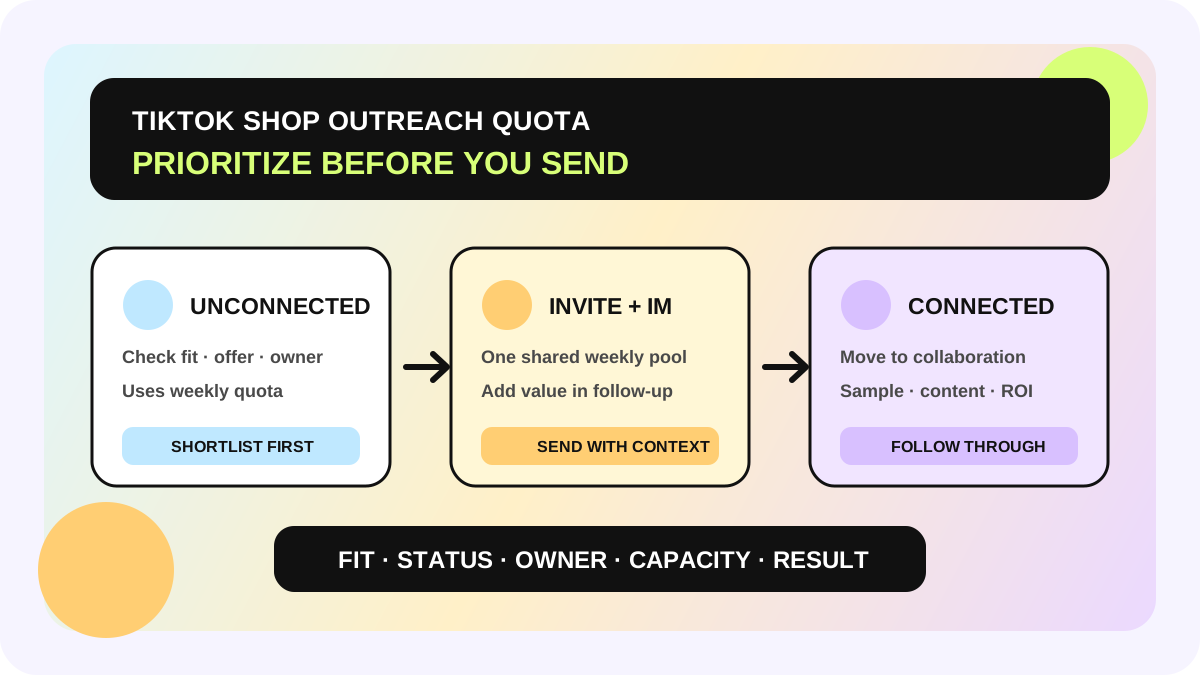
- Layer two is TikTok Shop native affiliate execution. Open Collaboration and Target Collaboration solve different jobs: one for broad product exposure, the other for directed creator partnerships.
- Layer three is store-side creator management. Official surfaces such as Manage Creators already cover tags, recent GMV, samples, content, and batch invites.
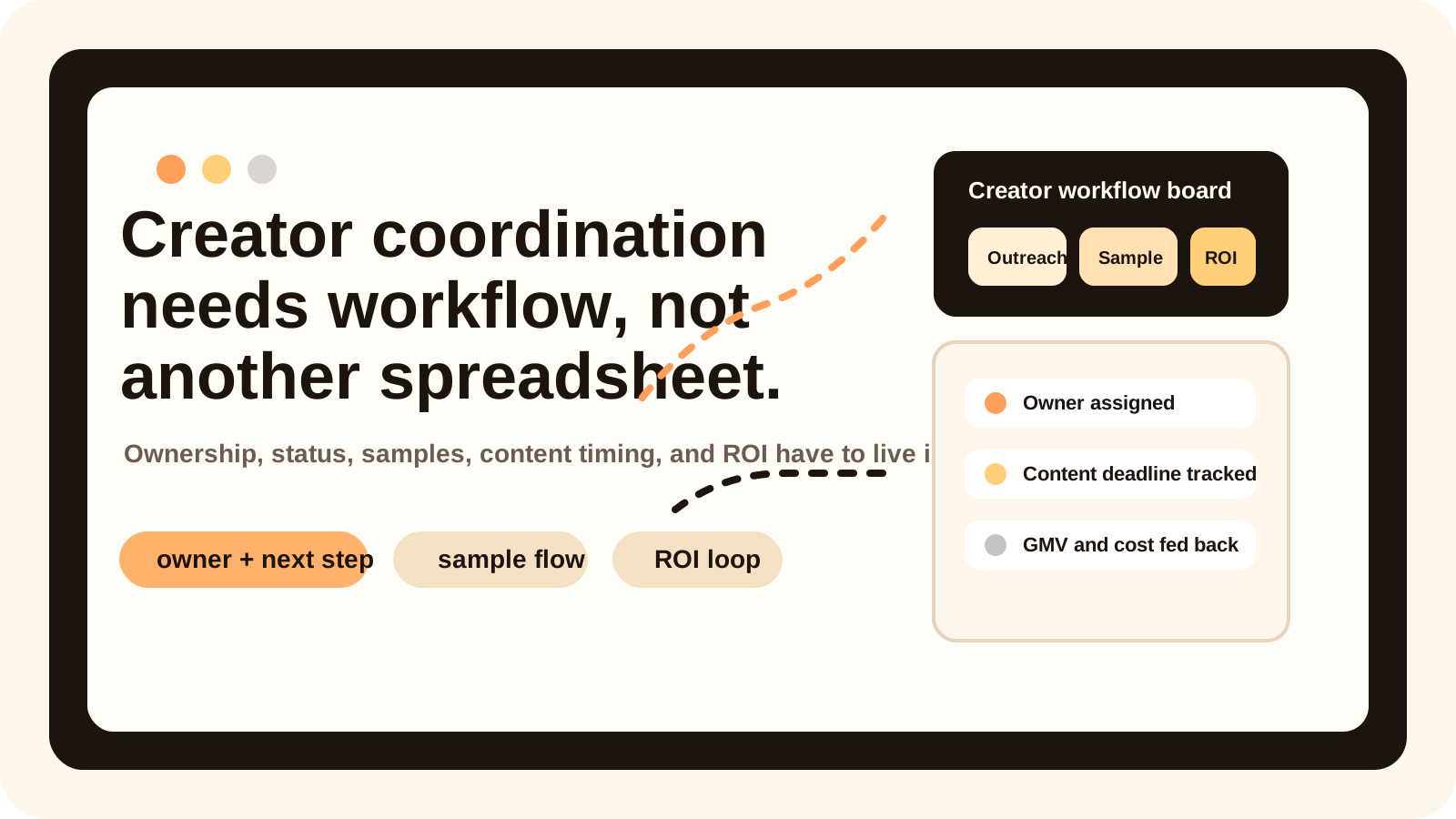
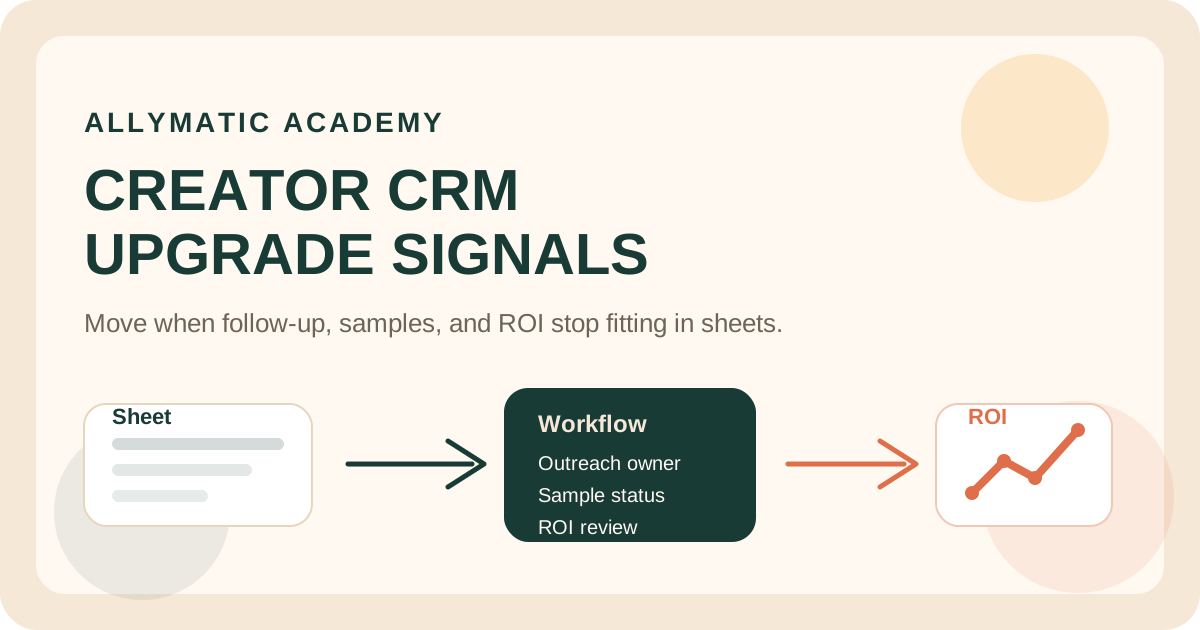
- Layer four is your own cross-functional workflow layer. The question here is no longer who can surface creator names. The question is whether outreach, samples, content milestones, commissions, refunds, and ROI review stay connected in one operating system.
Without these boundaries, teams often mix discovery, invites, analytics, and automation into one vague category. That is how every vendor starts to sound complete while the real workflow still breaks in the middle.
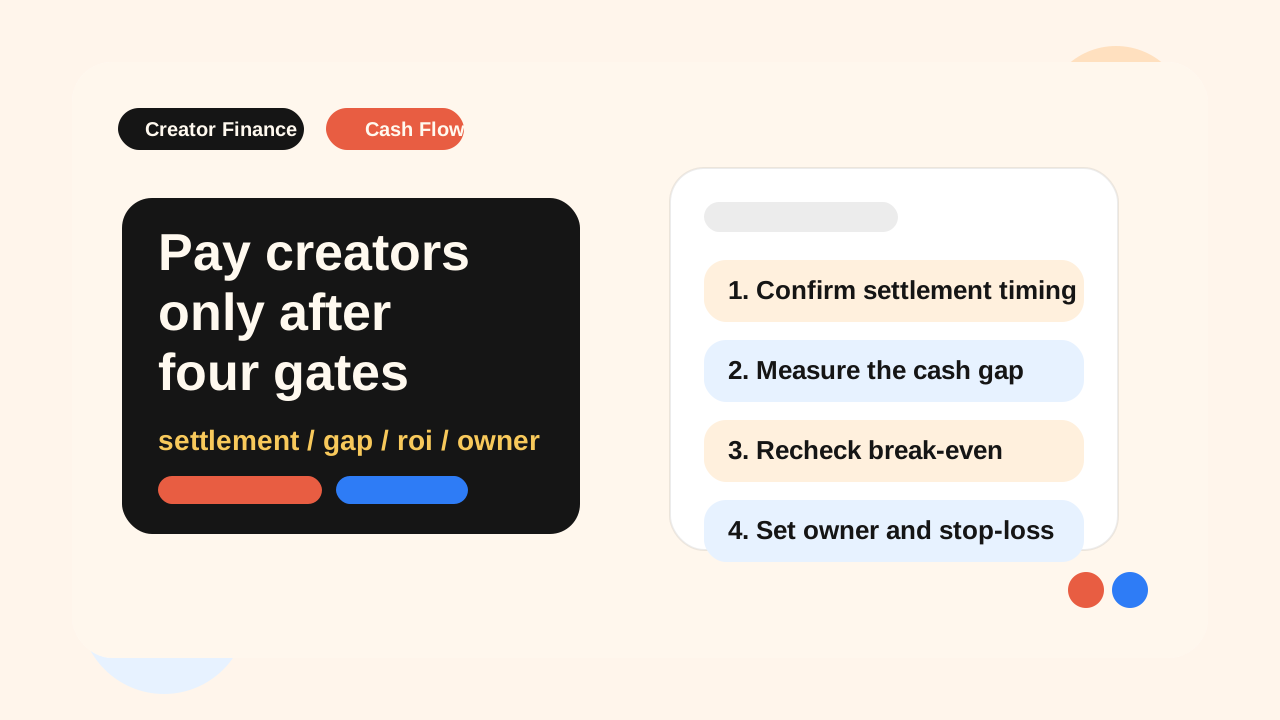
The 7-day POC checklist: stop asking who is stronger and start asking where the chain breaks
| Day | What to validate | Passing signal |
|---|---|---|
| Day 1 | Define the real brief, hero product, and creator target | The team can describe campaign goal, sample strategy, and review model clearly instead of using generic keywords |
| Day 2 | Validate creator discovery and shortlist quality | The system can turn natural-language briefs, categories, or past signals into an actionable shortlist |
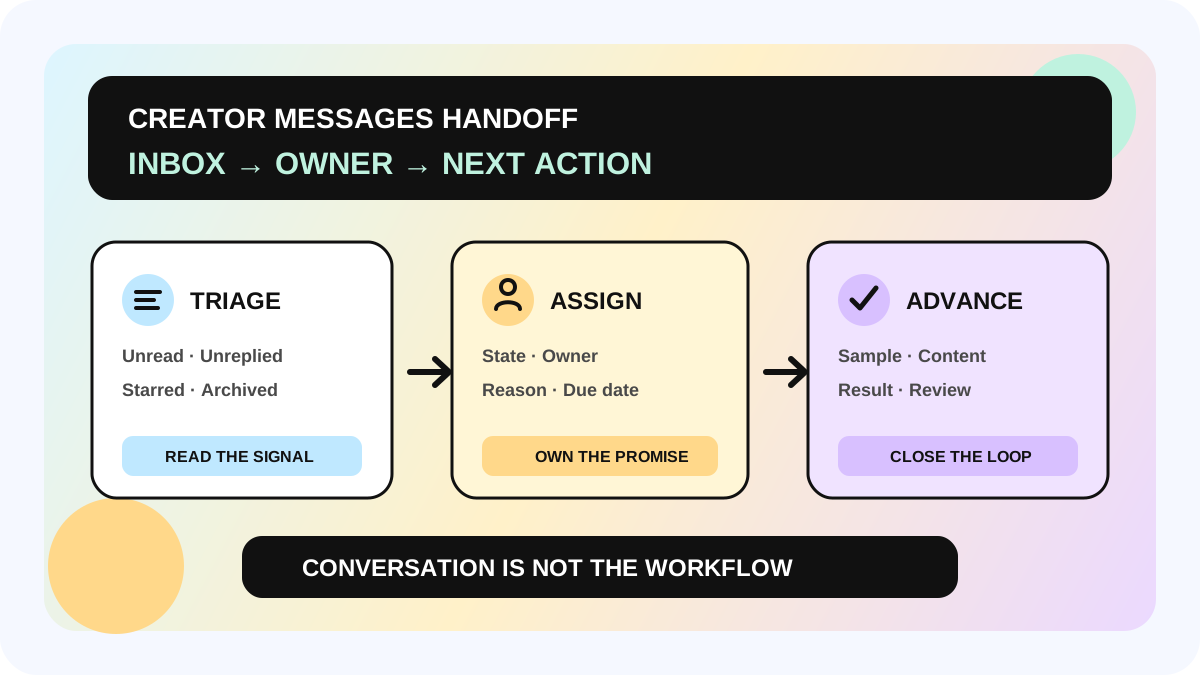
| Day 3 | Validate outreach ownership and follow-up structure | Once creators enter the pipeline, owners, statuses, and duplicate prevention are visible |
| Day 4 | Validate samples and content milestones | The team can track who received samples, who is waiting, who needs revision, and who is ready to publish |
| Day 5 | Validate affiliate collaboration model fit | Open, Target, or flat-fee collaboration matches the current product stage and partnership depth |
| Day 6 | Validate ROI feedback loops | GMV, commission, refunds, and content outcomes can flow back into creator decisions |
| Day 7 | Run a go / no-go review | The team can answer with one model whether to buy, partially adopt, or pause |
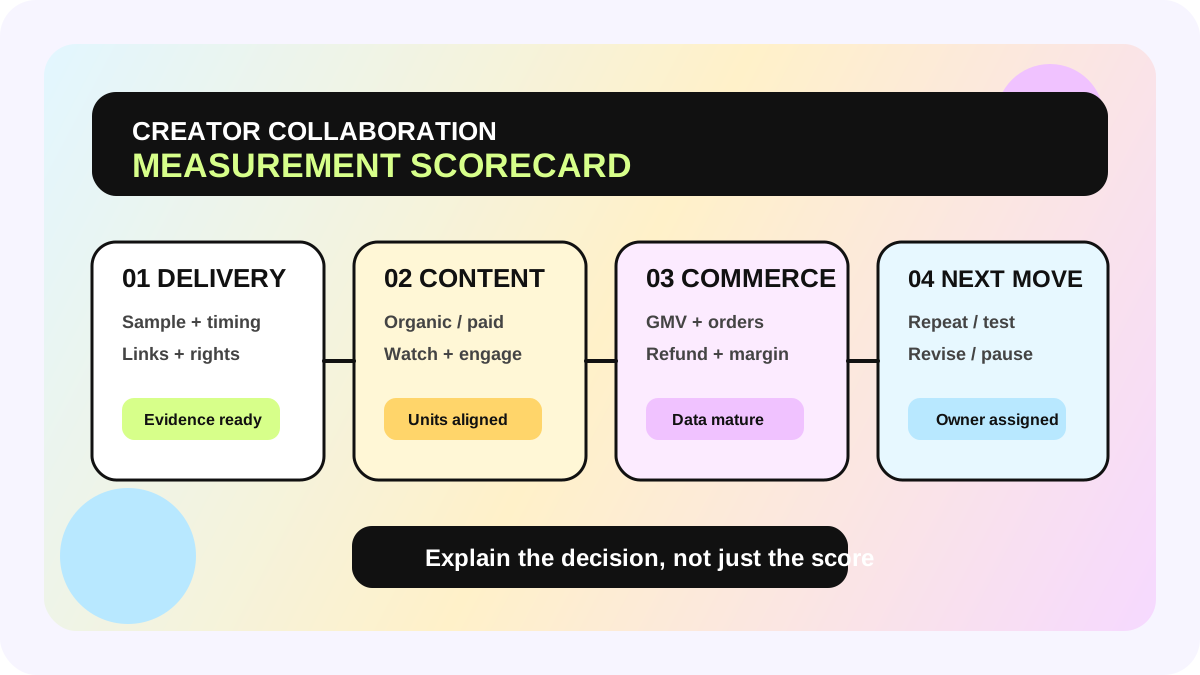
The point of the checklist is not to test every feature. It is to connect discovery, execution, and review. TikTok One's latest official update emphasizes AI discovery, creator shortlists, and creator collaboration. TikTok Shop Affiliate guidance emphasizes Open and Target models, samples, and batch invites. Manage Creators pushes creator tagging, 90-day performance visibility, and batch inviting deeper into the store-side stack. In other words, official surfaces are becoming more complete, but they still focus mainly on in-platform actions. If your team also works across email, spreadsheets, approvals, content review, and management reporting, the POC still has to prove that cross-tool handoffs do not collapse.
Which comparison points look good in demos but usually fail first in real execution
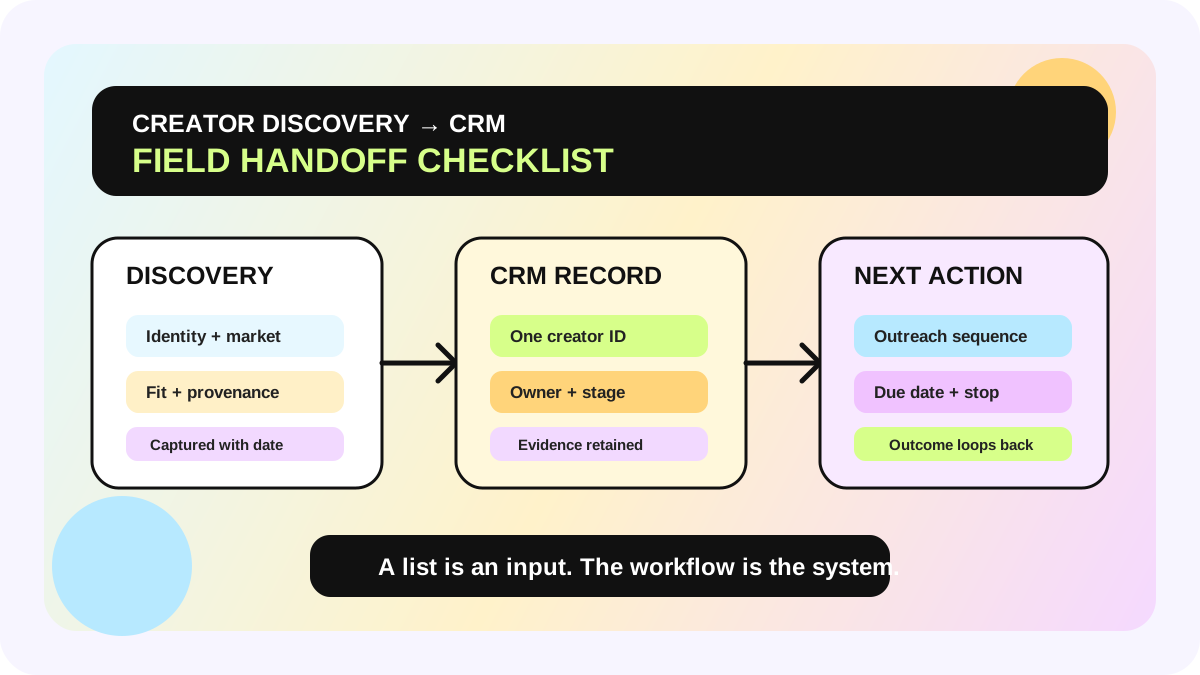
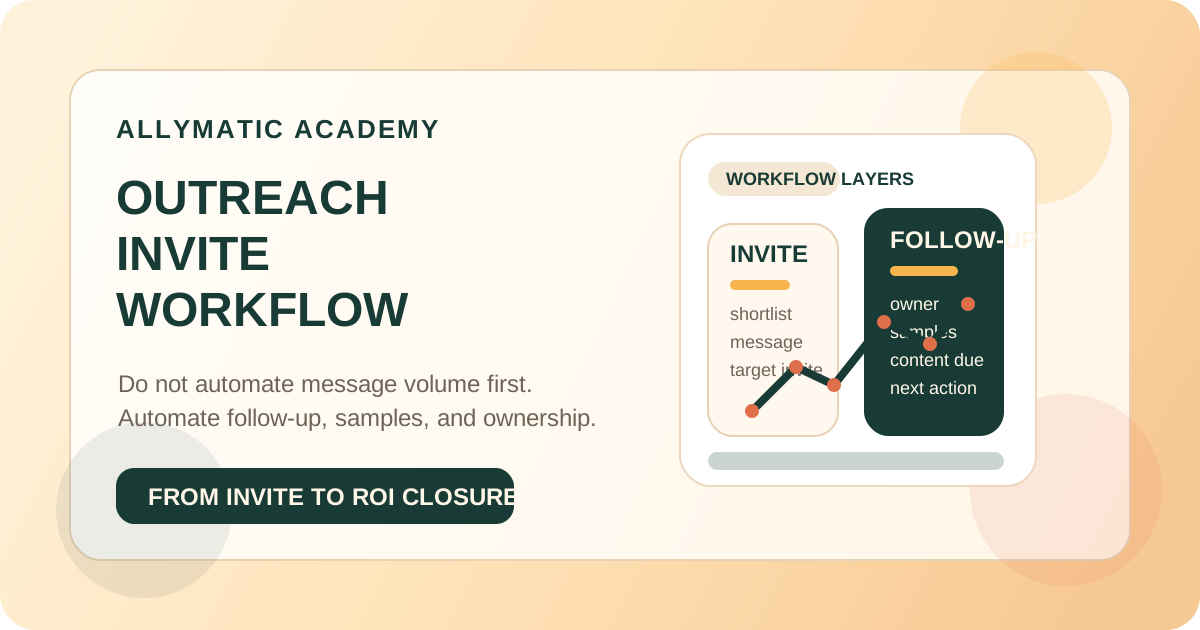
First, AI discovery may look smart while no one owns the shortlist after it is created. Many tools can turn a brief into creator names, but far fewer can turn those names into owners, follow-up dates, and next actions.
Second, invites may be easy to send while samples and content stall later. Once store operations, BD, and content are handled by different people, systems without workflow depth usually show only "invited" and not "why is this still blocked".
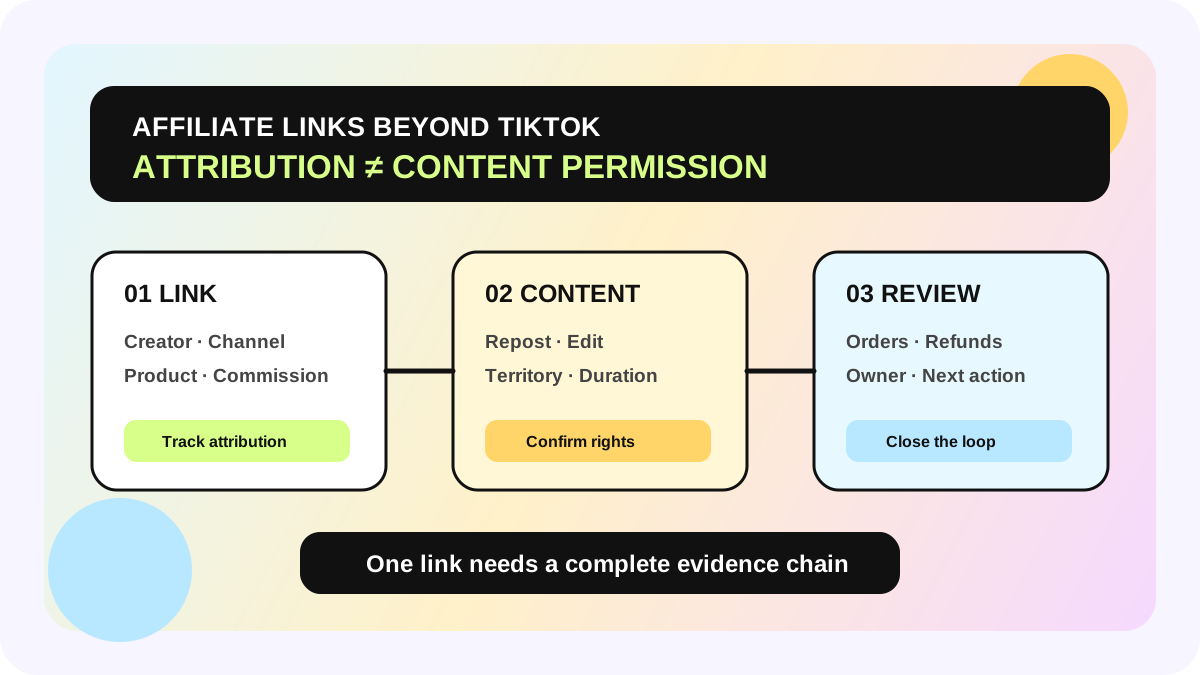
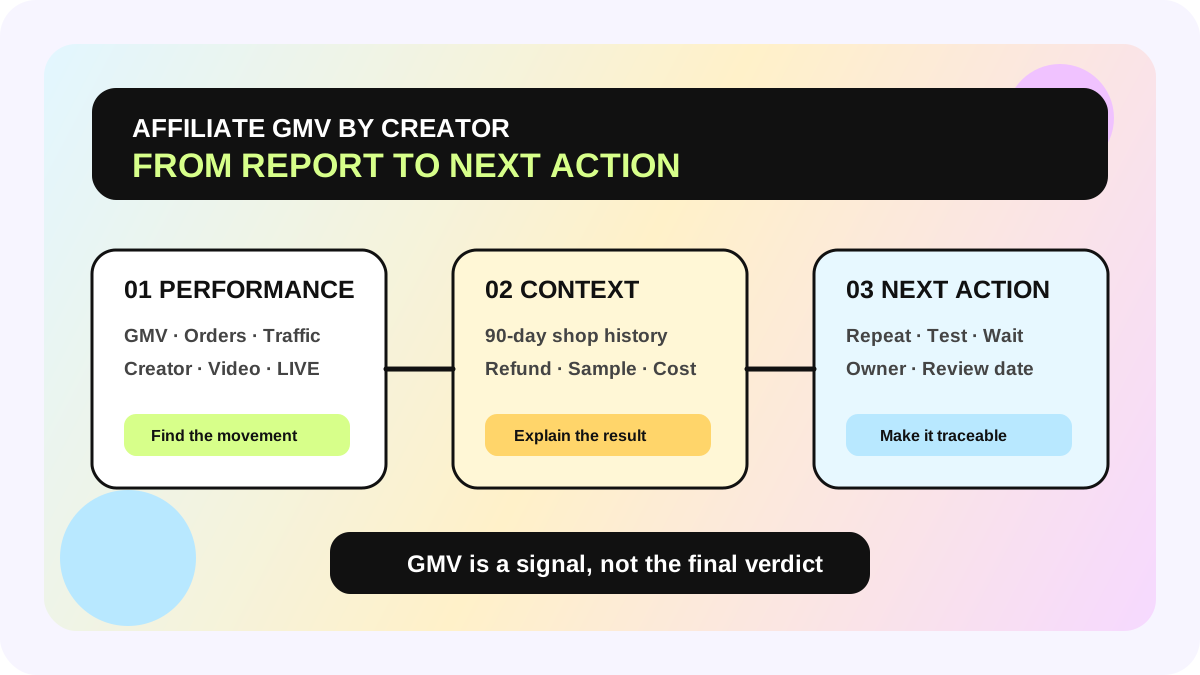
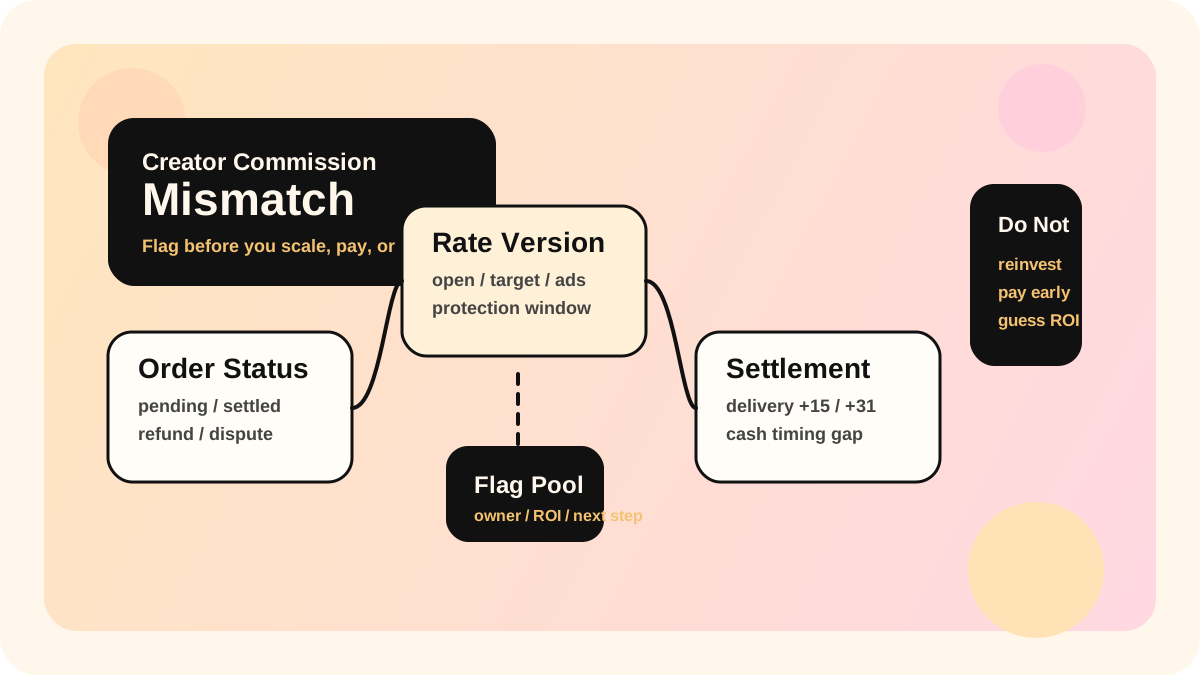
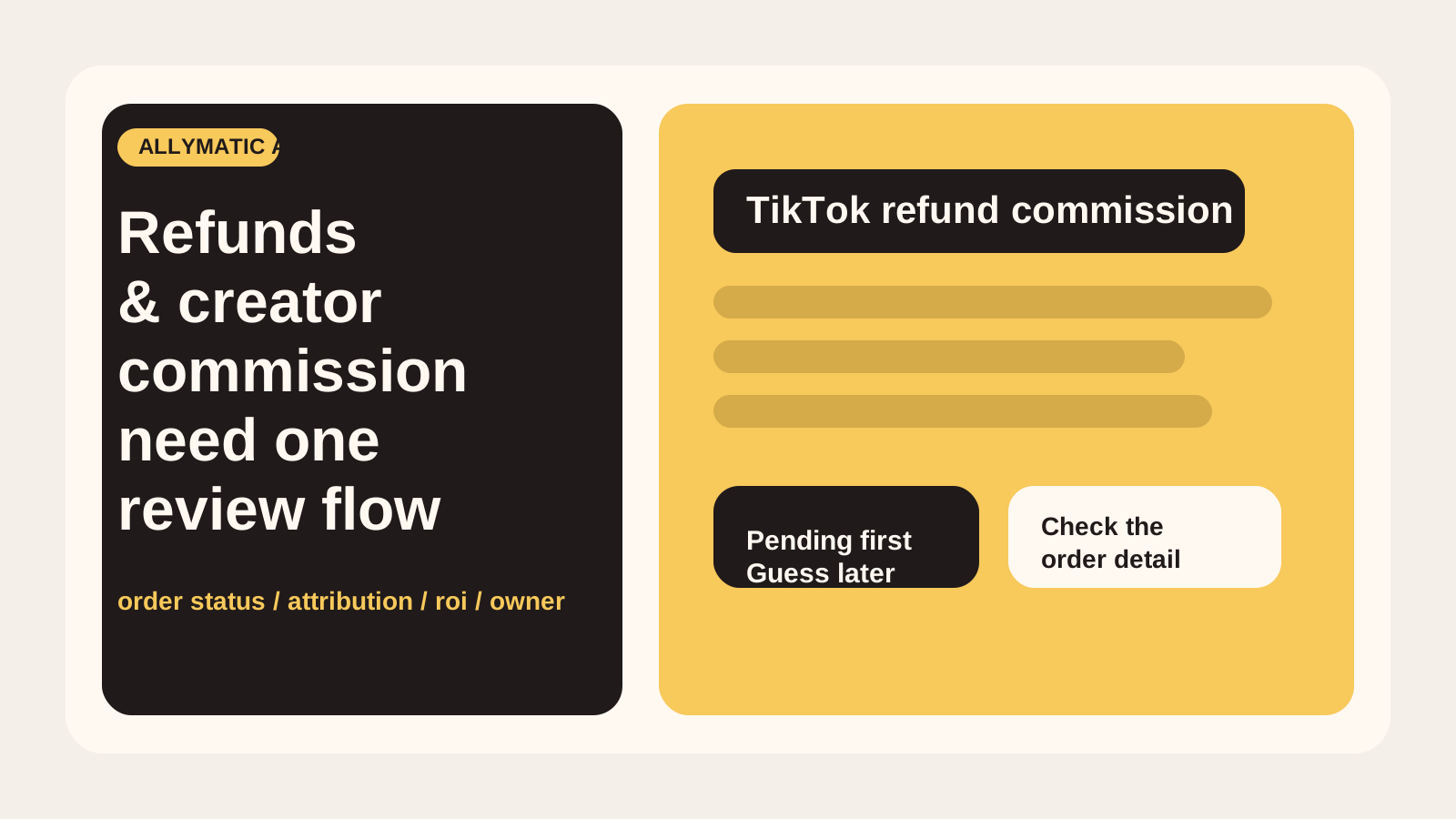
Third, affiliate sales may happen without improving creator decisions. Open Collaboration is strong for breadth and testing. Target Collaboration is stronger for focused partnerships. But if GMV, refunds, and commission signals never flow back into creator segmentation, the next round of investment still runs on guesswork.
Fourth, management may get more dashboards without getting a clearer next step. A strong solution does not just add information. It makes it easier to decide which creators deserve more spend, which products need commission changes, and which steps need automation.
allymatic's point of view: a POC should not test whether AI can talk. It should test whether the system can move work forward.
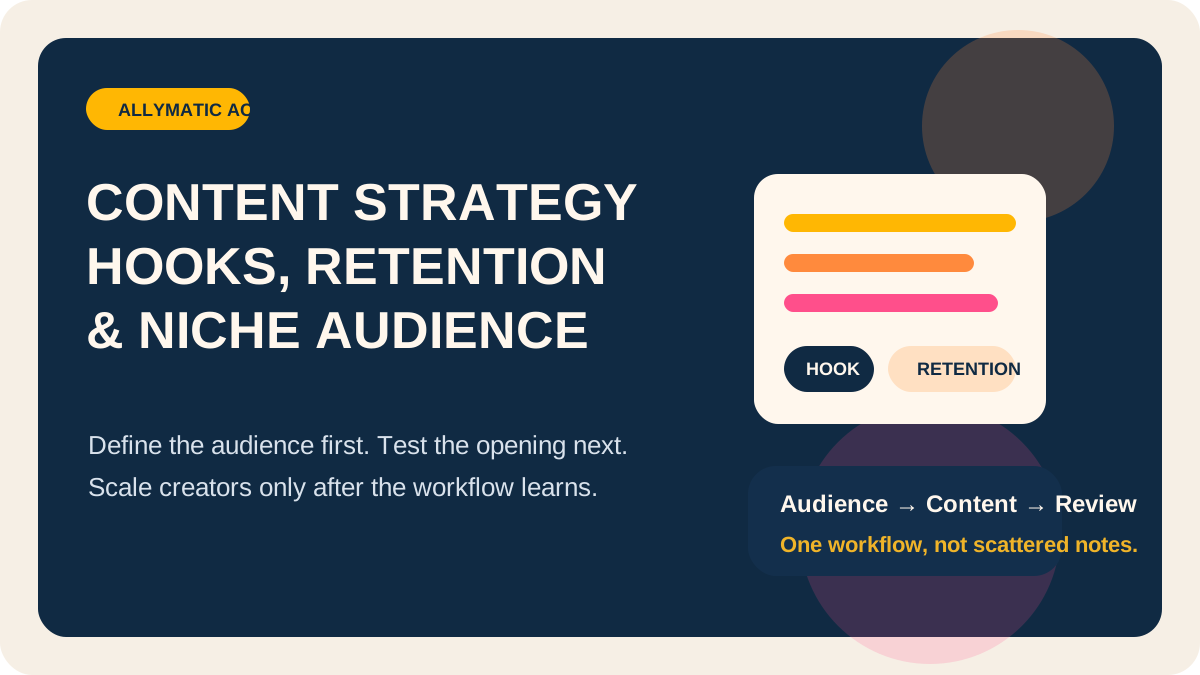
allymatic cares most about two questions. Can the AI understand the current state of creator collaboration instead of only generating copy? And can the system move a creator from discovery to reinvestment instead of splitting the workflow across disconnected tools?
That is why teams comparing TikTok AI marketing solutions should replace demo scoring with a 7-day workflow review. After one week, can the team answer these questions? Did creator lists become an executable pipeline? Did follow-up gaps decrease? Did samples and content get stuck less often? Did ROI return faster to the next creator decision? If the answer is still unclear, then smart AI search and polished dashboards are not enough.
Quick fit / non-fit check
- Good fit for a POC: the team already runs creator outreach, samples, content follow-up, or affiliate activity with at least two people handing work across.
- Not a fit for full procurement yet: the team still lacks a clear category, real brief, ownership model, or review rules and only wants more creator names.
- Better solved with page and process improvements first: if the current need is mainly ROI calculation or a more consistent outreach message, start with the specific page or workflow problem before buying a full system.
FAQ
How should I compare the main TikTok AI marketing solutions?
Do not start with AI copy, creator database size, or dashboard screenshots alone. A better method is a 7-day POC that tests whether creator lists enter one workflow, whether samples and content keep moving, and whether GMV, commissions, and refunds feed the next creator decision.
Do TikTok One, TikTok Shop Affiliate, and a team CRM conflict with each other?
Usually no. TikTok One is stronger for creator discovery and campaign collaboration. TikTok Shop Affiliate is stronger for native store-side execution. A team CRM or workflow system is what connects the actions across functions. The real risk is not overlap. It is the gap between layers.
When should a team avoid buying a full AI creator marketing system right away?
If the team still has no clear hero product, creator target, owner assignment, or review model, define the process first. Then use a POC to decide which steps are worth automating.
Official Sources
Official Sources
Primary references used for this article.