How Should a Creator Discovery Tool Connect to Your CRM? Standardize These Seven Field Groups Before Building Outreach Sequences
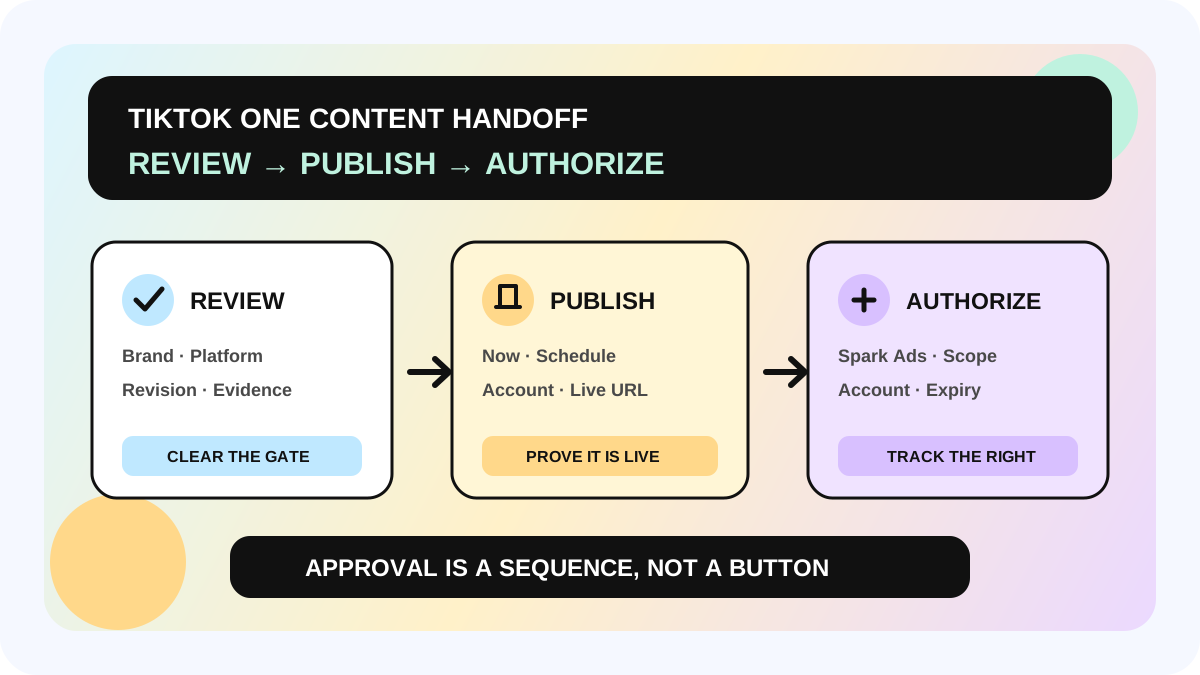
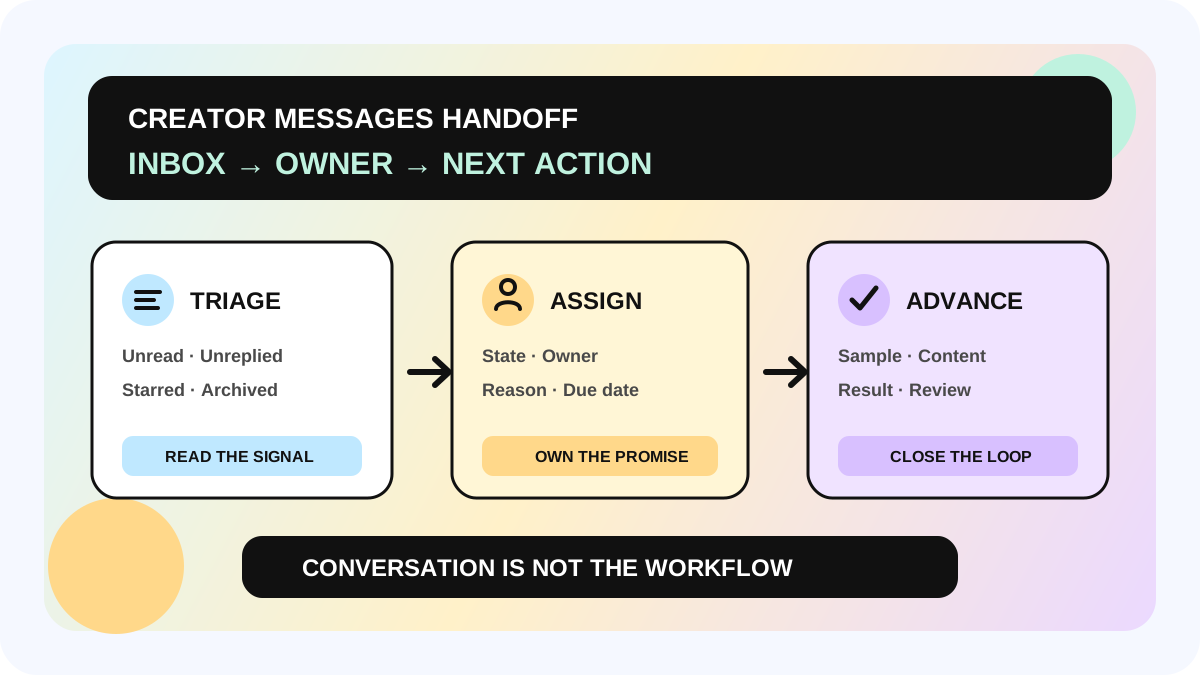
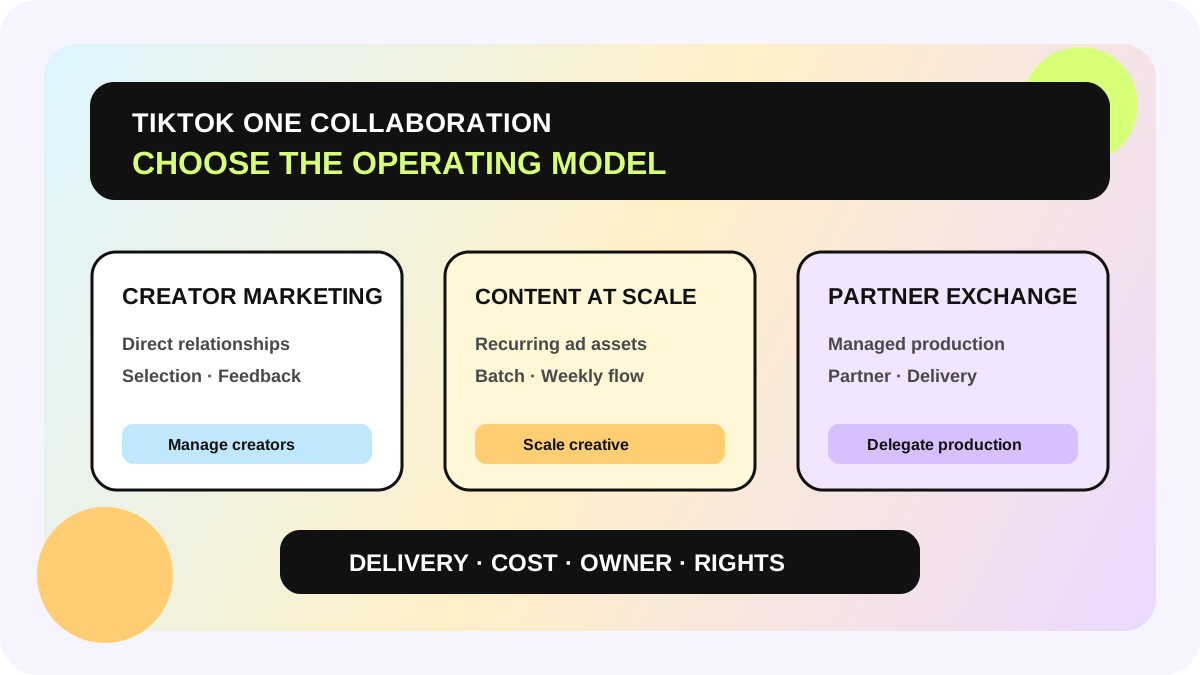
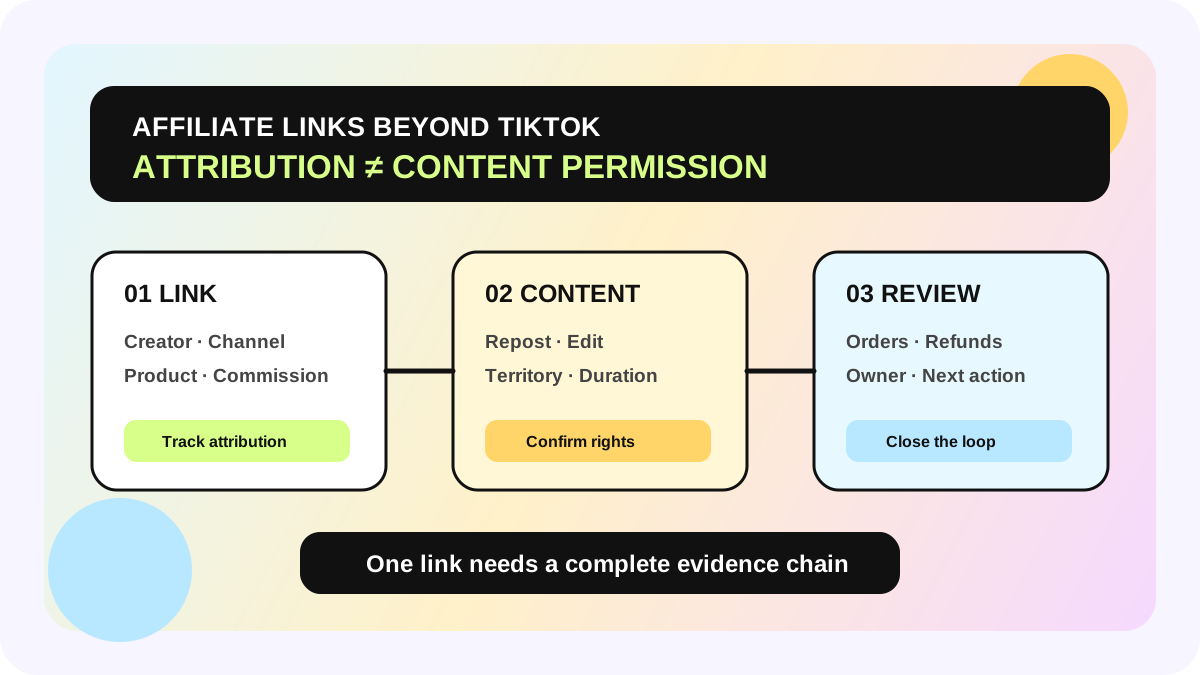
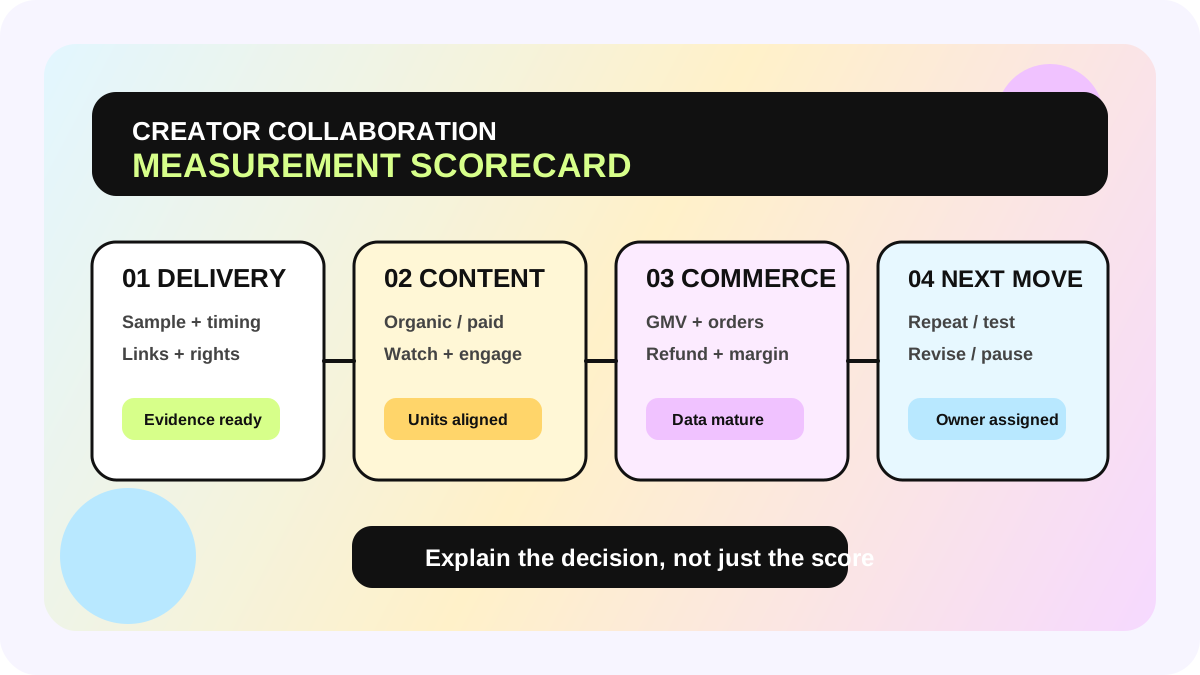
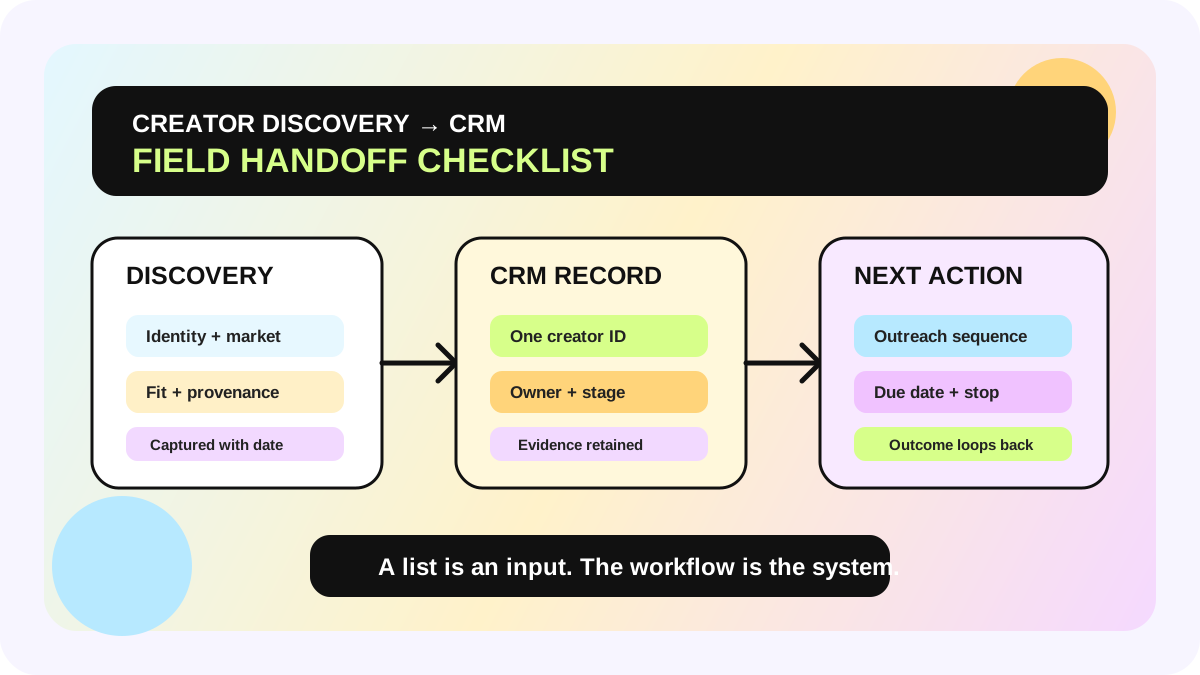
If you are choosing a creator discovery tool that needs to plug into your CRM and outreach sequences, start with one test: can it reliably hand off creator identity, market, fit rationale, source evidence, collaboration state, owner, and next action? A long export of handles and follower counts is not an integration. A useful connection keeps one creator ID and one operating state from discovery and deduplication through outreach, sampling, content, and review. Define the entry point in your creator outreach workflow, connect it to a creator marketing management system, and use the creator collaboration scorecard only after a collaboration has produced evidence.
Why “exports creators” does not mean “connects to a CRM”
A discovery surface answers who might fit. A CRM must answer why the team selected that creator, whether anyone has already contacted them, who owns the relationship, and when the next action is due. When an export only contains a display name, follower count, and profile URL, operators still have to add market, category, rationale, contact history, and collaboration constraints by hand. Copies of the same list then create duplicate invites, conflicting stages, and leads with no owner.
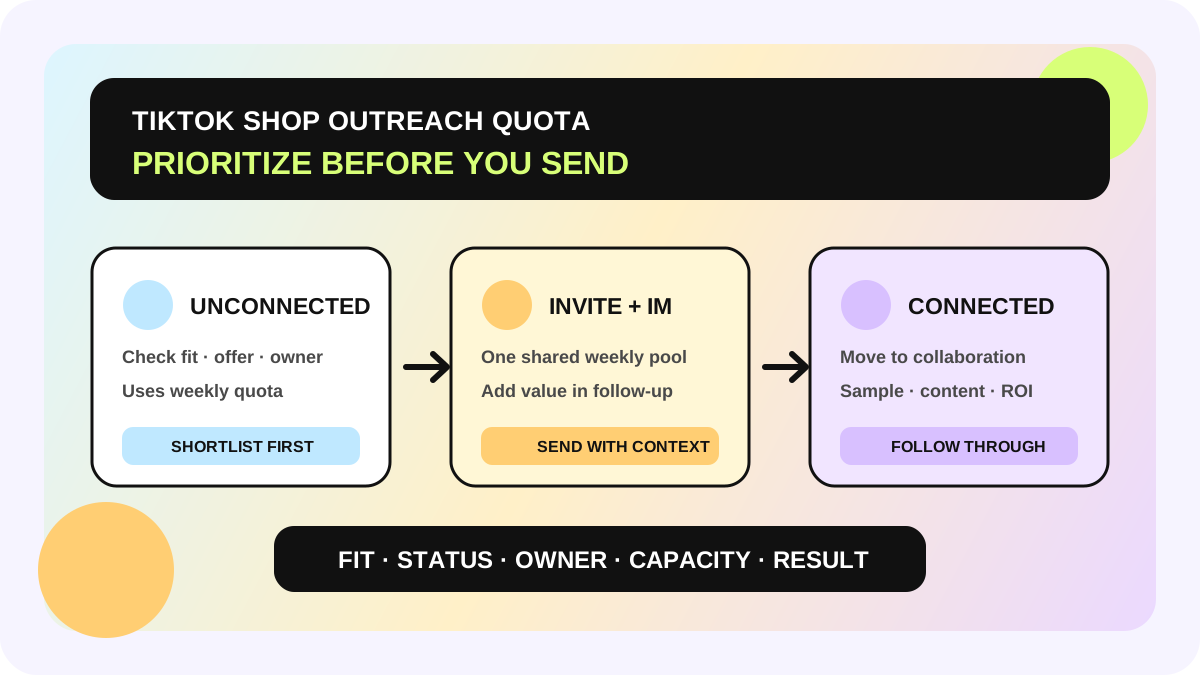
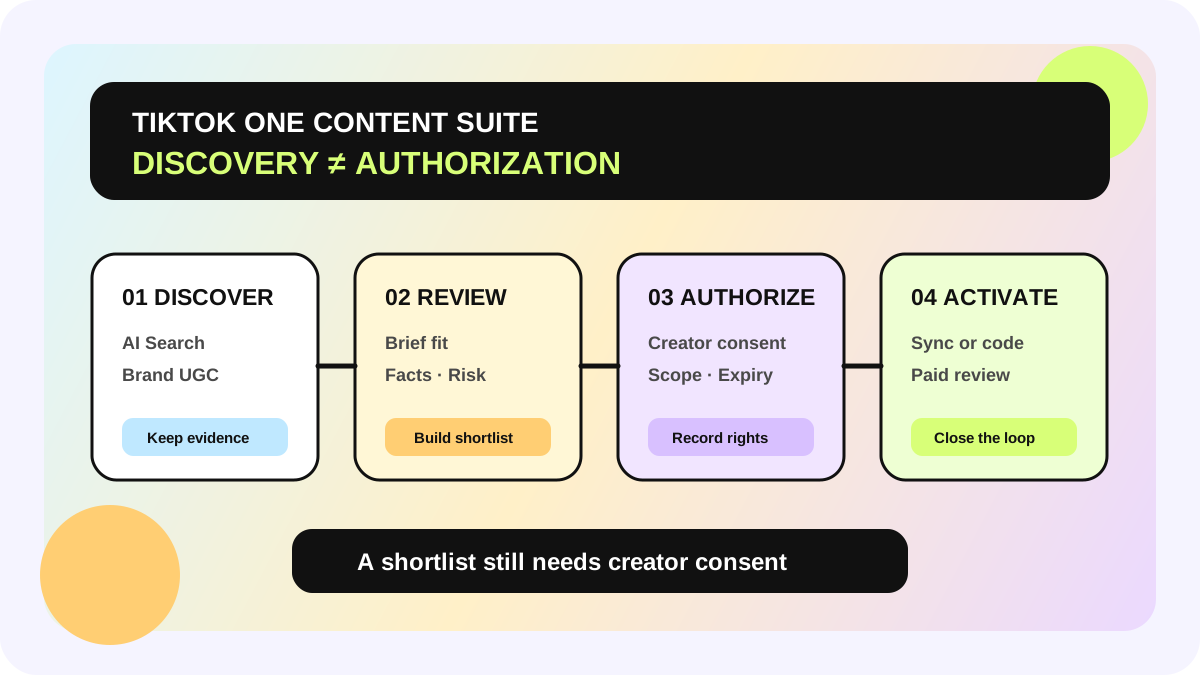
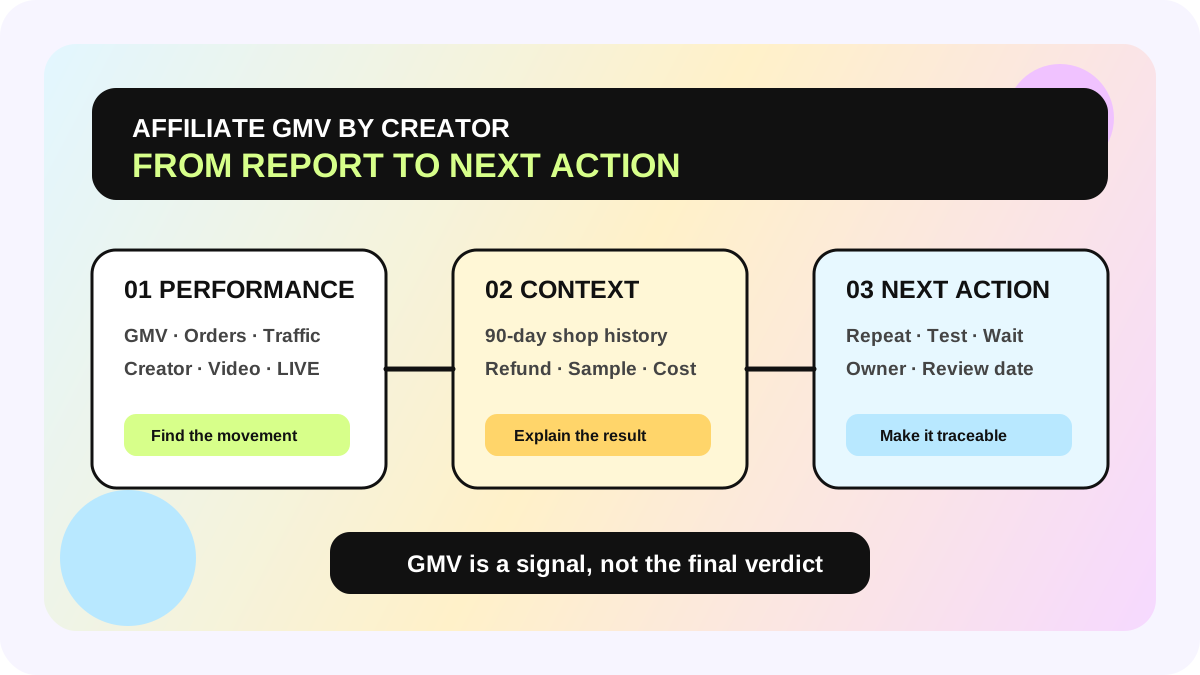
TikTok's official tools split this context across different surfaces. TikTok One Creator search supports creator, audience, and performance filters, username or keyword search, and AI search for select customers. TikTok Shop Find Creators provides recommendations informed by the seller profile and past preferences, along with category, commerce, content, and audience signals; some detail metrics are only available when the creator has authorized access. Manage Creators is closer to relationship management: it can show the shop's last 90 days of samples, videos, LIVEs, GMV, refunds, and estimated commission, then organize creators with tags.
The selection question is therefore not which tool can copy the most columns. It is whether the necessary evidence can move with its source, date window, and limitation intact.
The minimum viable creator record: seven field groups
| Field group | Minimum record | Why it matters |
|---|---|---|
| 1. Stable identity | Platform, handle, profile URL, internal creator ID | Deduplicates history even when a display name changes |
| 2. Market scope | Creator region, target audience region, language, category | Keeps creator location separate from audience location |
| 3. Fit evidence | Selection rationale, content topics, example content, relevant product experience | Gives outreach a specific reason instead of a generic template |
| 4. Data provenance | Source surface, captured date, metric window, authorization state | Prevents comparisons across incompatible dates or definitions |
| 5. Collaboration constraints | Target product, collaboration mode, budget or commission boundary, rights to confirm | Keeps the invitation aligned with the actual project |
| 6. Execution state | Current stage, last touch, reply, sample/content state, exception reason | Prevents duplicate contact and makes handoffs reviewable |
| 7. Ownership and action | Owner, next step, due date, priority, decision note | Turns a list into an executable queue |
The two fields most often lost are captured date and fit rationale. Followers, views, and engagement change. A snapshot without a timestamp quickly becomes incomparable. Without a fit rationale, an outreach sequence falls back to generic personalization, and the team cannot later test whether its original selection hypothesis was correct.
What to carry from each official data surface
TikTok One: carry the search context, not just the profile
TikTok One's June 2026 guidance lists creator details such as country or region, follower count, and language; audience details such as country or region, age range, and gender ratio; and performance signals such as median views and engagement rate. Your CRM does not need a permanent copy of every number. It does need the conditions used for this shortlist, the evaluation window, and the reason this creator entered it.
Find Creators: distinguish recommendation, search, and authorized data
TikTok Shop Find Creators recommendations can reflect the seller profile, past preferences, and relevant performance. Record whether a lead came from a recommendation, keyword, product, label, or manual discovery. A platform recommendation is not the same as your team's completed approval. If a detail metric depends on creator authorization, preserve that visibility boundary; do not turn a missing value into an automatic negative score.
Manage Creators: carry shop history without treating it as the whole CRM
Manage Creators can show 90-day sample, content, and commerce history for the shop and organize relationships through tags, filters, and imports. It is useful evidence for what happened with this shop. Your workflow still needs its own owner, brief version, usage-rights record, follow-up reason, and next action. Platform data is a source of evidence, not the team's entire operating memory.
A six-step handoff from discovery to outreach
1. Write the selection hypothesis first. Define market, product, content job, and exclusion boundary before opening discovery.
2. Build a shortlist, not a send list. Give every creator at least one reviewable sentence explaining the fit.
3. Match a stable ID. Deduplicate by platform and handle before creating a new record or updating an existing one.
4. Save a minimum evidence snapshot. Preserve source, date, window, and examples. Keep dynamic metrics refreshable instead of freezing them as permanent truth.
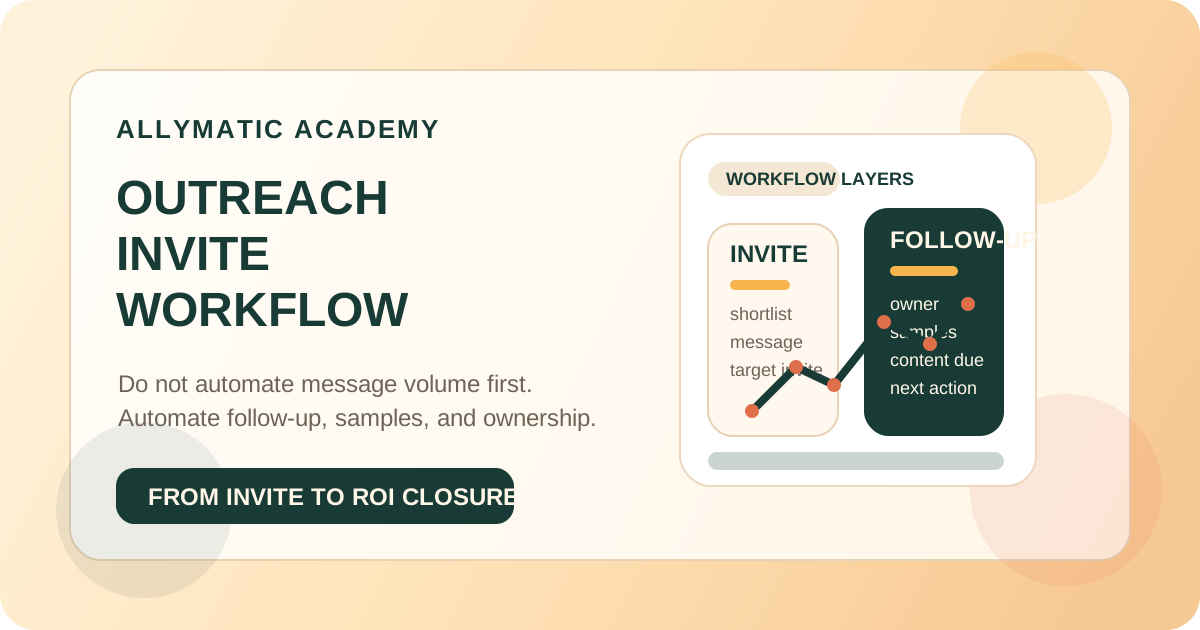
5. Enter an owned outreach sequence. First touch, follow-ups, stop conditions, sample milestones, and content milestones need an owner and due date.
6. Feed outcomes back into discovery. Replies, declines, silence, sample outcomes, and content results should refine the next selection round, not merely increase the contact count.
This handoff also prevents the common failure in a city-specific creator list: city is one discovery condition, not a reason for separate teams to maintain disconnected copies of the same creators.
Spreadsheet, CRM, or creator workflow?
| Approach | Best fit | Main risk |
|---|---|---|
| One spreadsheet | Small pilot for testing fields and selection assumptions | Duplication, overwritten updates, weak reminders, and limited history |
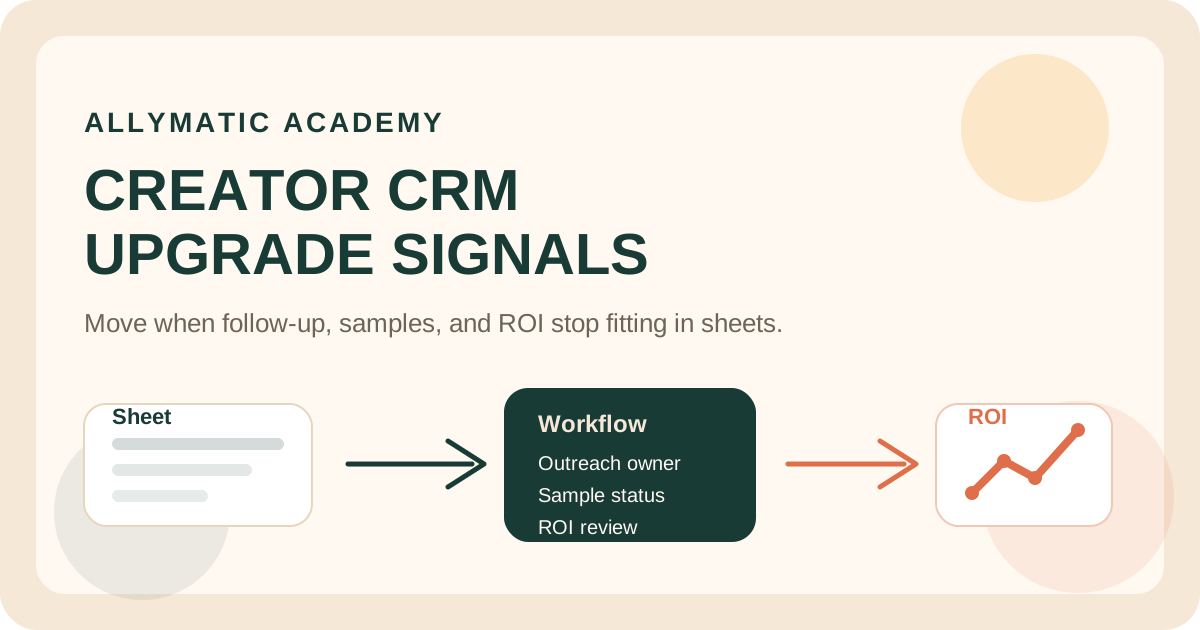
| General CRM | Team already has clear owners, stages, and follow-up discipline | Creator, sample, content, and commerce objects require extra modeling |
| Creator workflow | Team needs discovery, outreach, samples, content, and review in one chain | Automation amplifies a weak list if provenance and boundaries are missing |
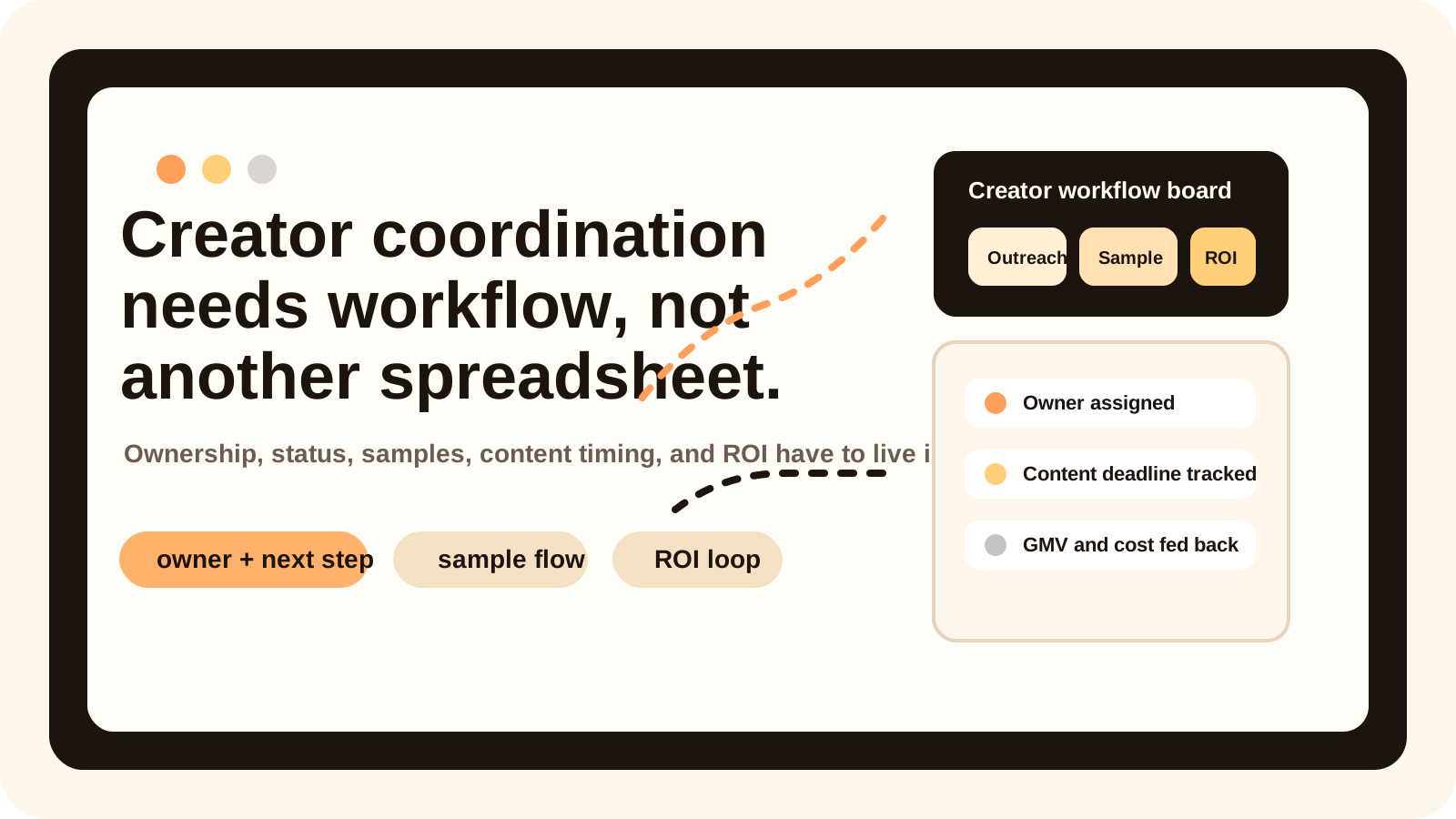
Do not declare an integration complete because a tool offers an API, CSV, or automation connector. Test three outcomes: does one creator become a duplicate record, does source context survive the handoff, and does the right owner see the next action at the right time?
Data you should not sync or infer automatically
- Do not collect or enrich personal details that the platform does not provide, the creator has not authorized, or the business does not need.
- Do not infer sensitive attributes from a name, language, or location.
- Do not describe platform recommendations, AI matching, or an internal score as an official guarantee of fit.
- Do not overwrite a newer record with follower or engagement data that has no source and no date.
- Do not store account passwords, session tokens, or unnecessary private-message content in an external tool.
Privacy, marketing communication, and retention duties vary by market. This article is an operating data model, not legal advice. Before launching in a new market, have the responsible reviewer confirm authorization, access controls, retention, and opt-out handling.
Ten checks before selecting and launching the connection
1. Does it deduplicate with platform, handle, and internal ID instead of display name alone?
2. Does it separate creator region, audience region, language, and target market?
3. Can it preserve fit rationale, example content, and exclusion boundaries?
4. Does it retain source URL, captured date, metric window, and authorization state?
5. Can it distinguish recommendations, search, imports, prior collaborations, and manual additions?
6. Can it record owner, stage, last touch, next action, and due date?
7. Can one creator connect to multiple products, collaboration batches, and content items without duplicating the contact?
8. Can reply, decline, silence, sample, and content outcomes improve the next discovery rule?
9. Are access controls, deletion or retention rules, and sensitive-field boundaries explicit?
10. Will the team pilot with a small real shortlist before enabling batch outreach or automated follow-up?
The allymatic view: the list is an input; continuous decisions are the system
Creator discovery tools naturally showcase how many people they can find. The team needs a different outcome: a clear next action for every creator. A reliable creator record explains both why the creator entered the shortlist and where the work is blocked, who owns it, and when it will be reviewed. That is what turns discovery data into CRM context instead of one-time inventory.
Start with 20–50 candidates to test fields, deduplication, and ownership rules before opening batch outreach. Once collaborations happen, connect delivery, content, and commerce evidence to the creator collaboration scorecard. Discovery-stage “looks promising” should never become a reinvestment verdict by itself.
FAQ
Which creator discovery fields matter most in a CRM?
At minimum: stable identity, market and language, fit rationale, source and capture date, current stage, owner, and next action. Follower count can be useful, but it cannot replace these operating fields.
Should every creator metric be stored permanently in the CRM?
No. Dynamic metrics are better refreshed on demand or saved as timestamped snapshots. The CRM should prioritize decision evidence, provenance, and history instead of creating a stale second source of truth.
When is an automated outreach sequence safe to enable?
After deduplication, fit rationale, ownership, stop conditions, frequency, and opt-out or do-not-contact handling have been tested. Start with a small batch. If list quality and data permissions are still unverified, automation only scales the error faster.
Official Sources
Official Sources
Primary references used for this article.