How Should TikTok Shop Teams Handle Refund-Driven Creator Commission Changes? Stop Guessing and Reconcile the Workflow First.
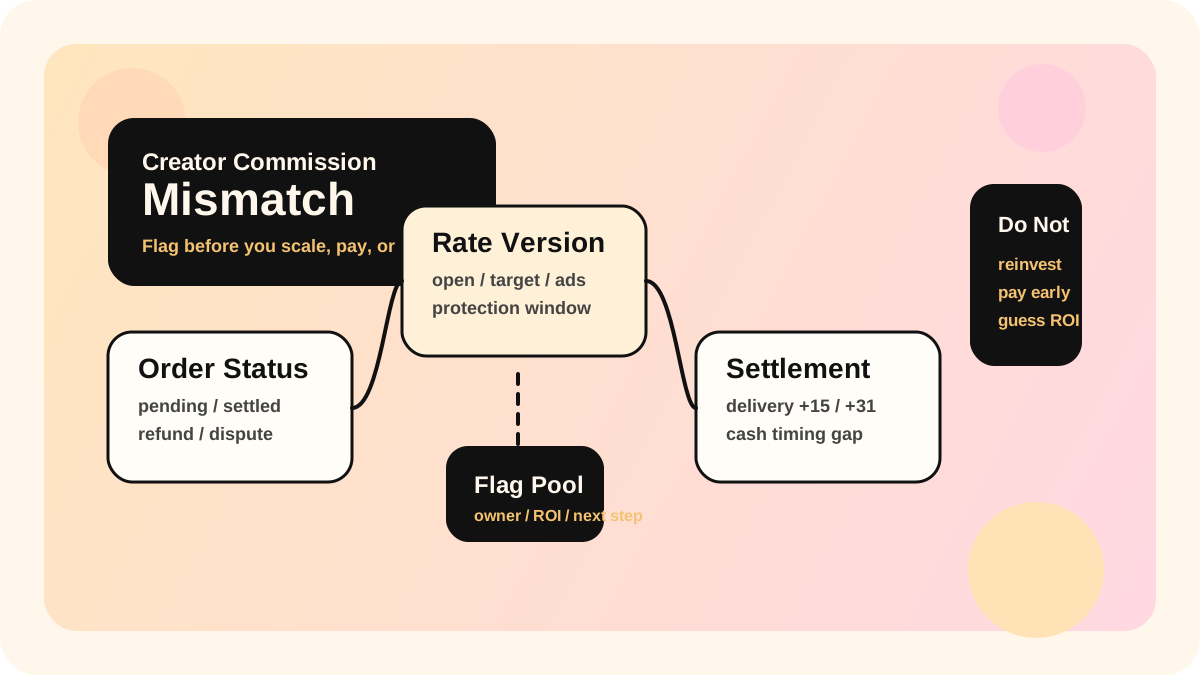
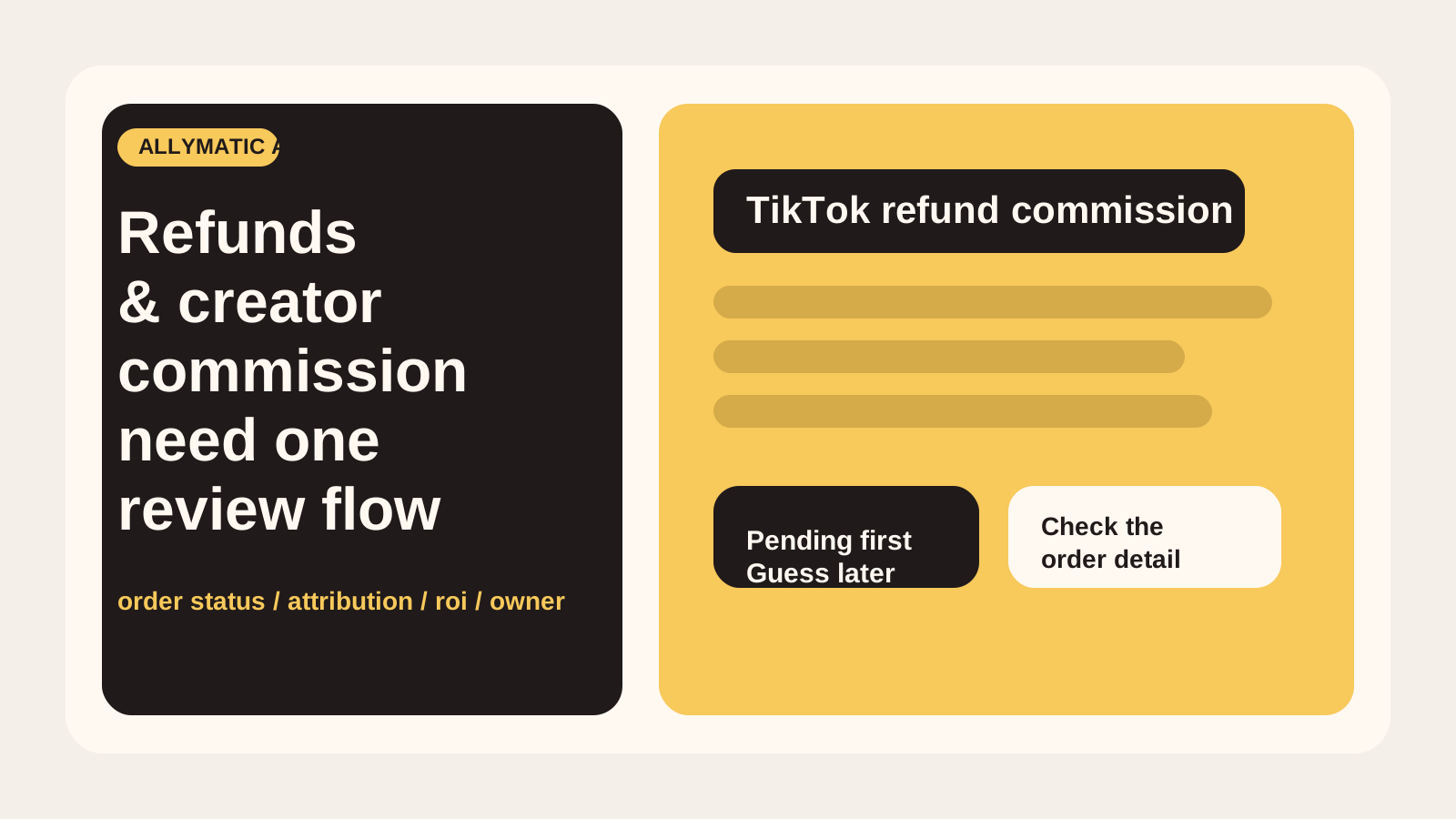
If you are searching for how TikTok creator commission should be handled after a refund, the first answer is simple: do not start with “Does this commission get taken back or not?” Start with “Is this order already part of the final settlement result?” For a TikTok Shop team, refund-related creator commission should not be judged from chat threads or one dashboard screenshot. It should be reconciled through order status, collaboration type, attribution path, and Seller Center details. If any of those pieces are still unresolved, the commission should stay marked as “pending confirmation.”
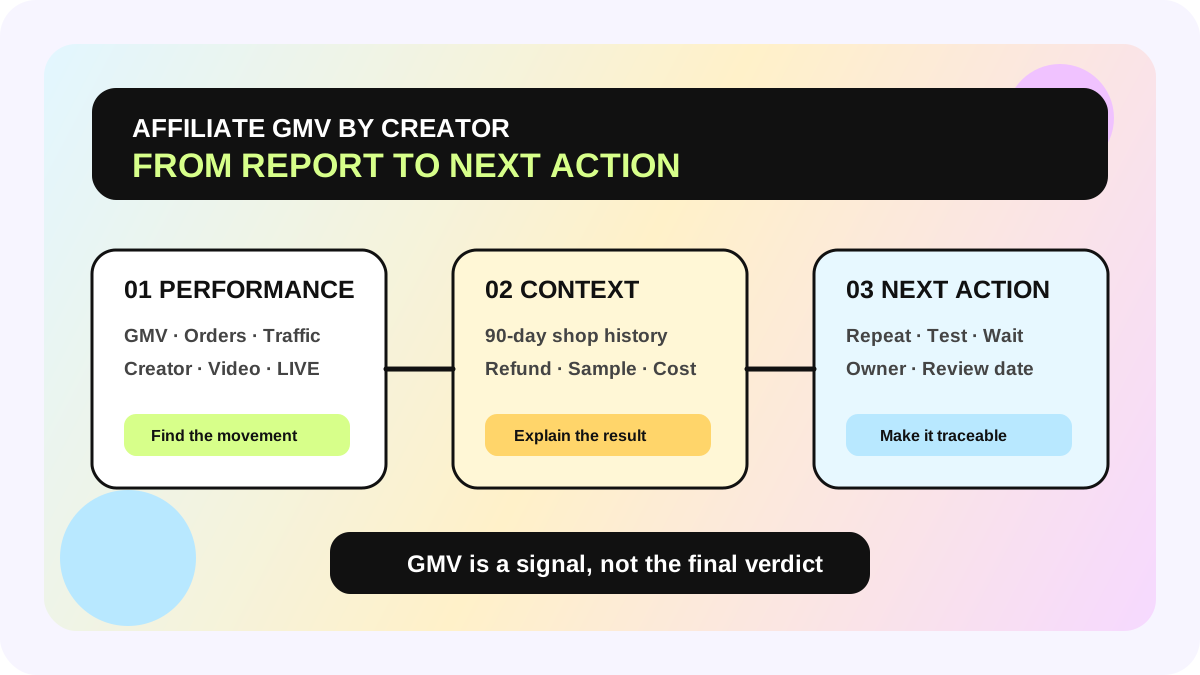
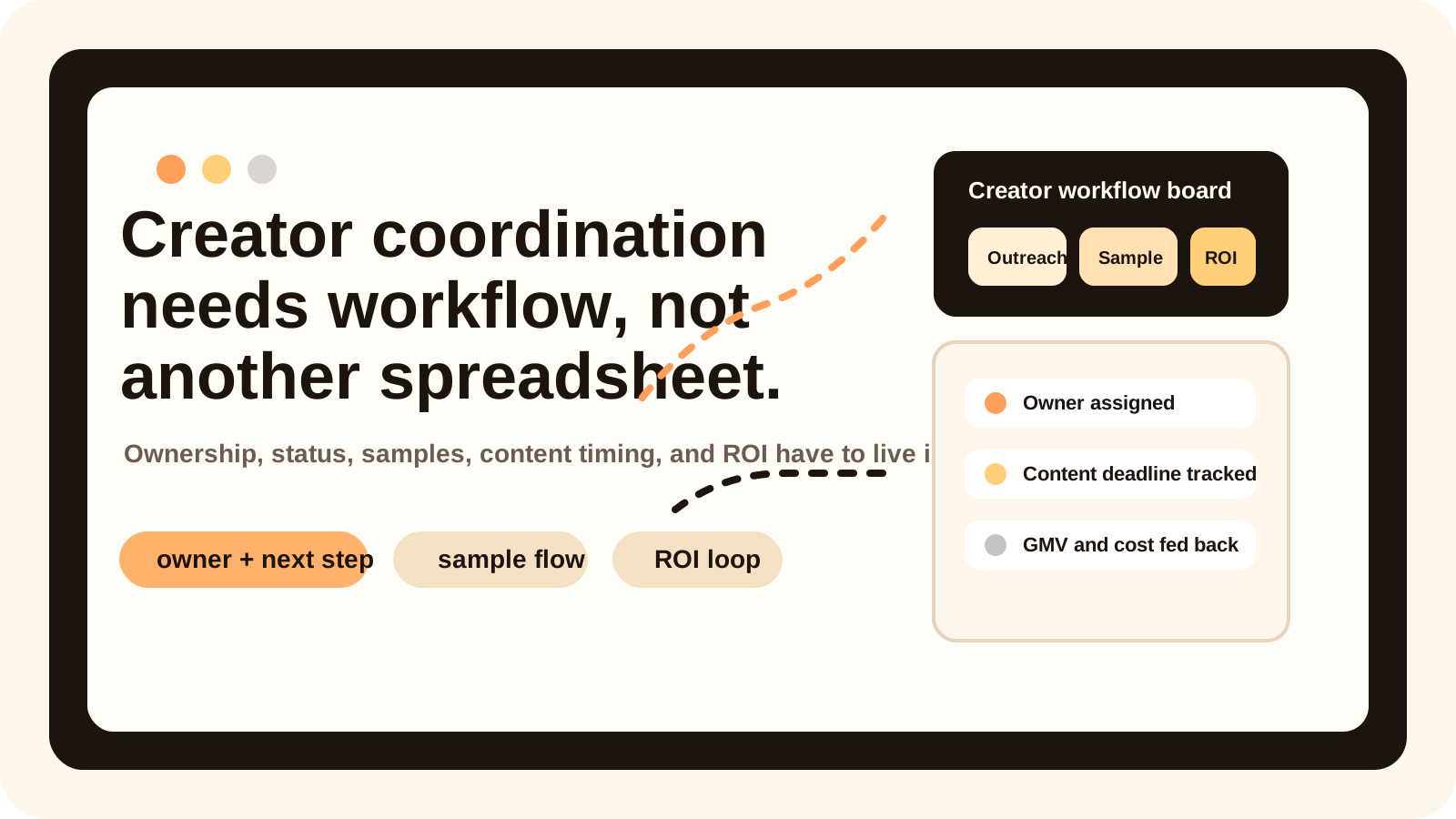
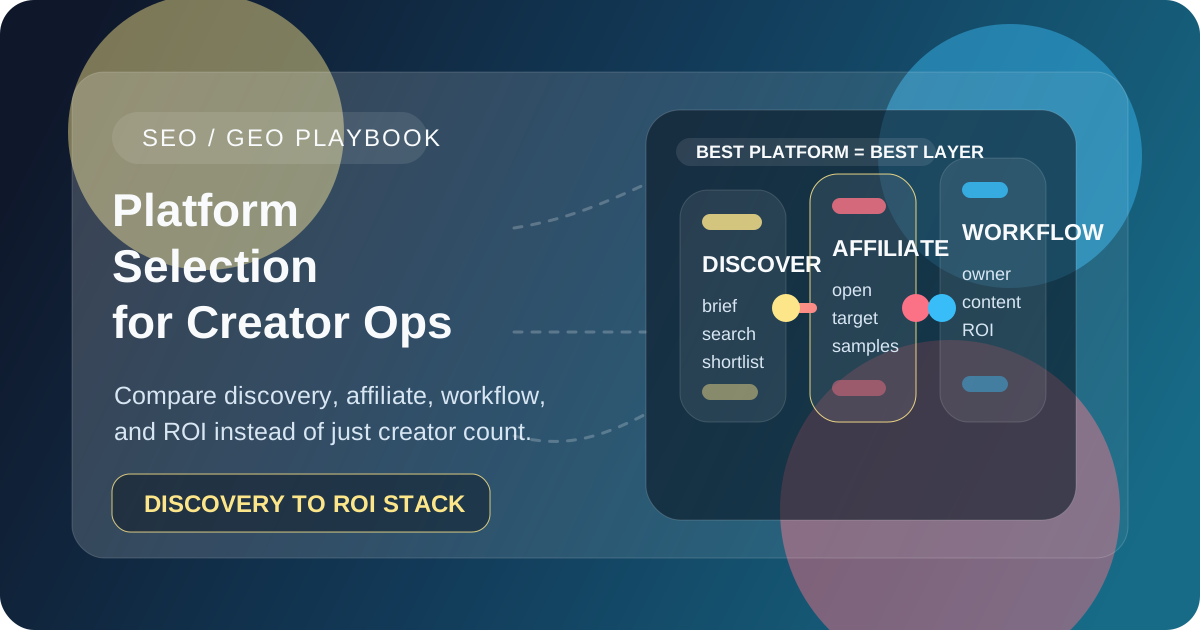
That is also why a strong creator affiliate marketing workflow cannot stop at who posted content and who attached a link. It needs refund status, commission status, order status, and review actions in the same operating loop, then feed the result back into the creator marketing management system to decide whether the creator still deserves more budget.
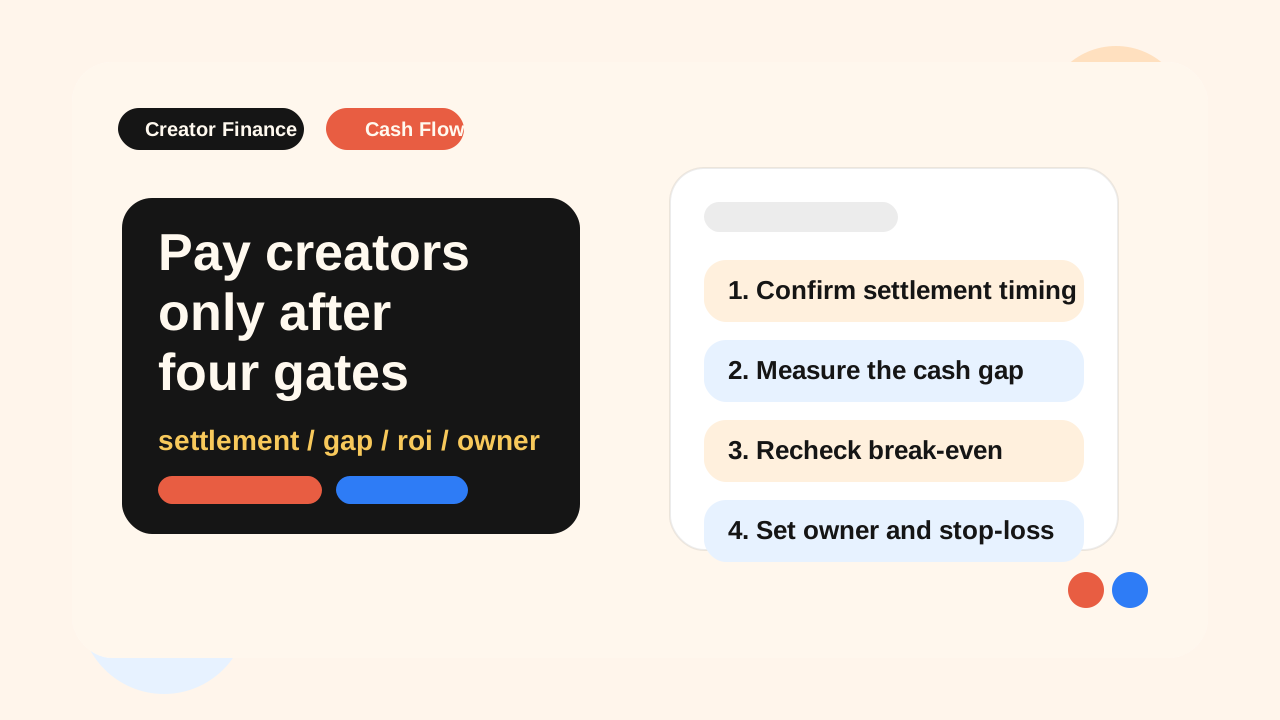
Before asking a creator to absorb the change, check these four points
First, check the order state. If the order is still inside a refund request, after-sales process, or another unfinished settlement stage, the commission number the team sees may not be the final one yet. The biggest risk in this moment is not undercounting. It is making a premature decision.
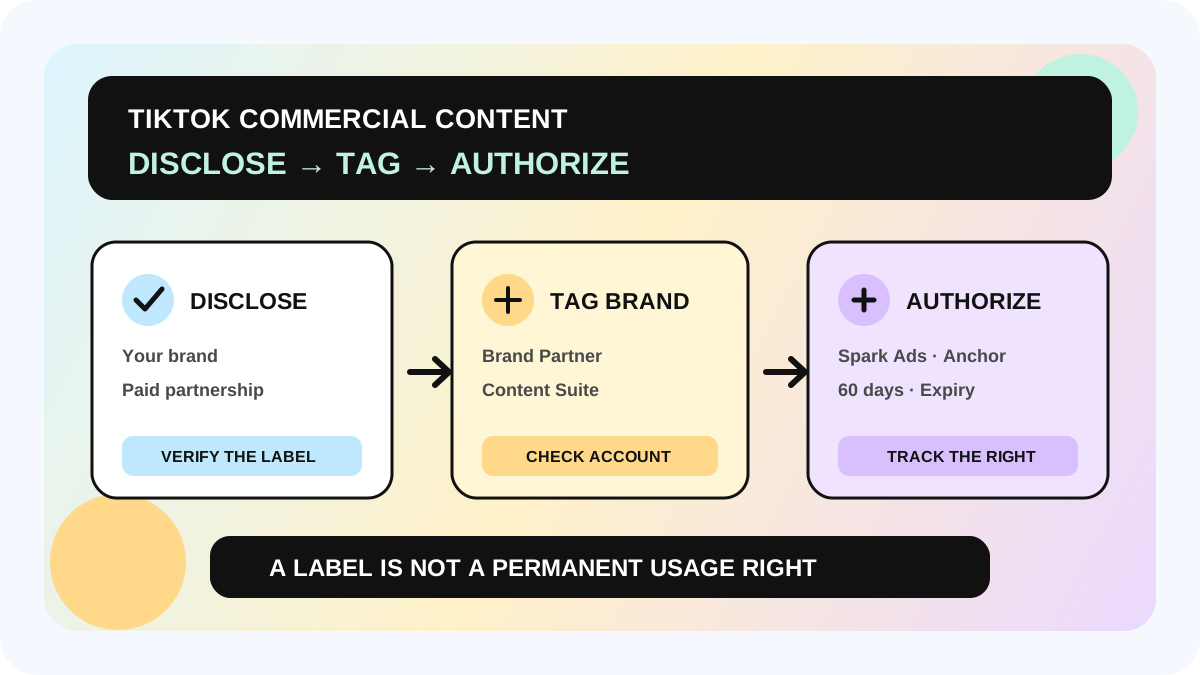
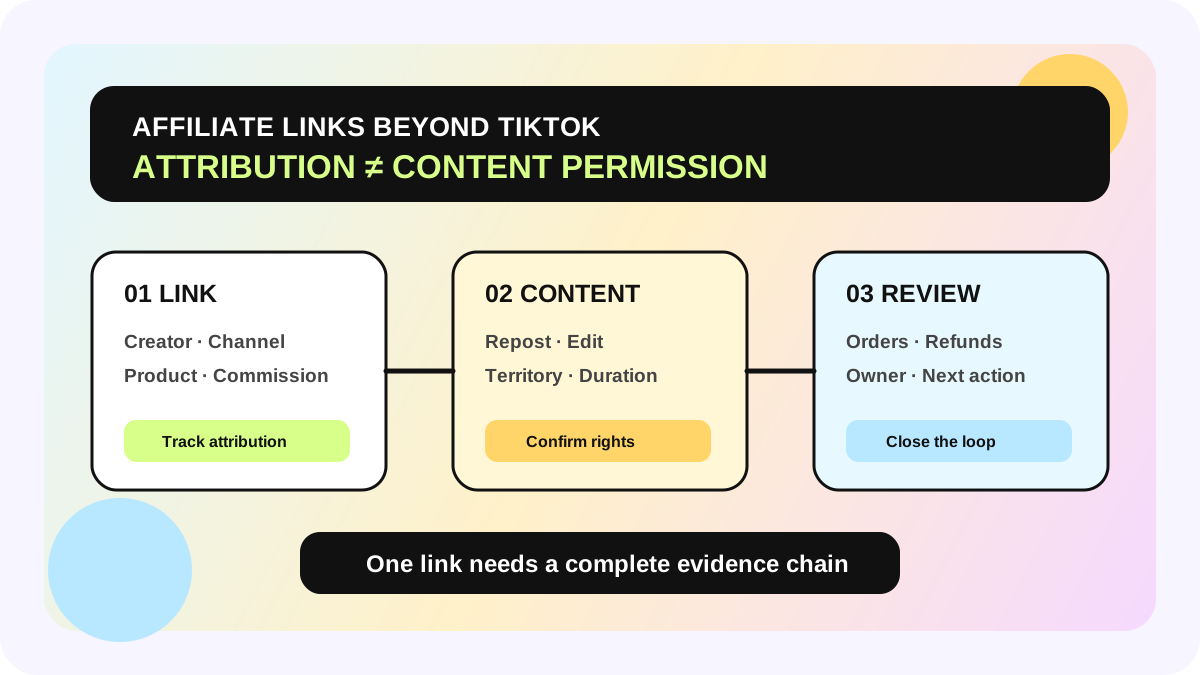
Second, check the attribution path. TikTok now separates standard commission, Shop Ads commission, and affiliate creative commission more clearly. That means two creator-driven orders may not follow the same commission logic if one is organic and the other is ad-assisted. Confirm which path this order belongs to before discussing what the refund changes.
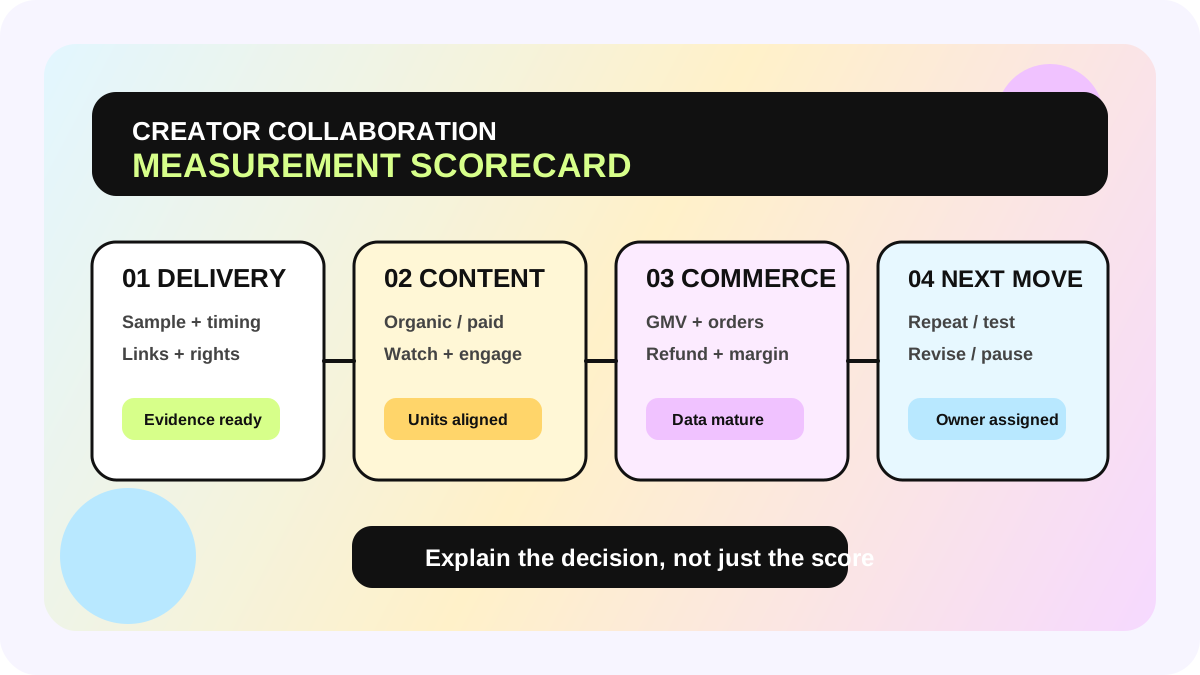
Third, check the collaboration structure. Commission-only, sample-led, low-flat-fee-plus-commission, and ad-amplified creator deals all look like “creator affiliate,” but they carry very different front-loaded costs. If a refund happens and the team only looks at commission, without feeding sample cost, shipping, and flat fees back into the TikTok Shop creator ROI calculator, the review can still miss whether this creator batch deserves reinvestment.
Fourth, check Seller Center details instead of chat screenshots. TikTok has been connecting commission savings, differentiated ad commission rates, qualified GMV, and order details more tightly. In practice, that means the review should rely on Finance or order-detail records, not on a loose verbal answer about whether the order “still counts.”
When should the team leave the commission status as pending confirmation?
These cases are poor candidates for an immediate “yes” or “no” answer:
- The order has not fully cleared the after-sales process.
- The content participated in both organic affiliate activity and ad amplification, so attribution is still settling.
- The team only sees front-end GMV movement but has not reconciled order details yet.
- Samples, subsidies, or flat fees were already invested, but nobody reviewed them together with the refund order.
In those situations, the safer move is to place the order in a pending-confirmation queue and reconcile it in a fixed review rhythm, instead of letting BD, media, operations, and finance each keep a different version of the truth.
A more practical five-step workflow
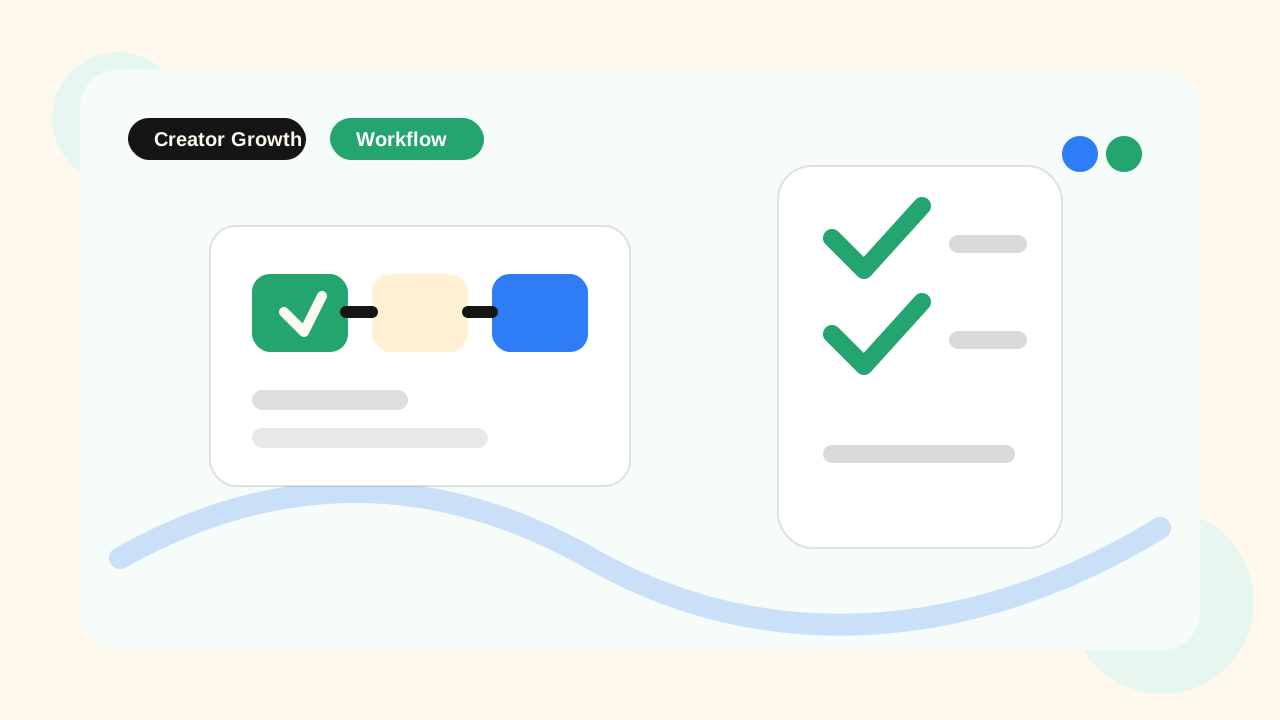
1. Pull the refund order list and confirm whether each order has reached a final state.
2. Label whether the order came from Open Collaboration, Target Collaboration, or an ad-supported creator chain.
3. Put commission, samples, flat fees, shipping, and refund impact back into one ROI review model instead of editing a single commission line in isolation.
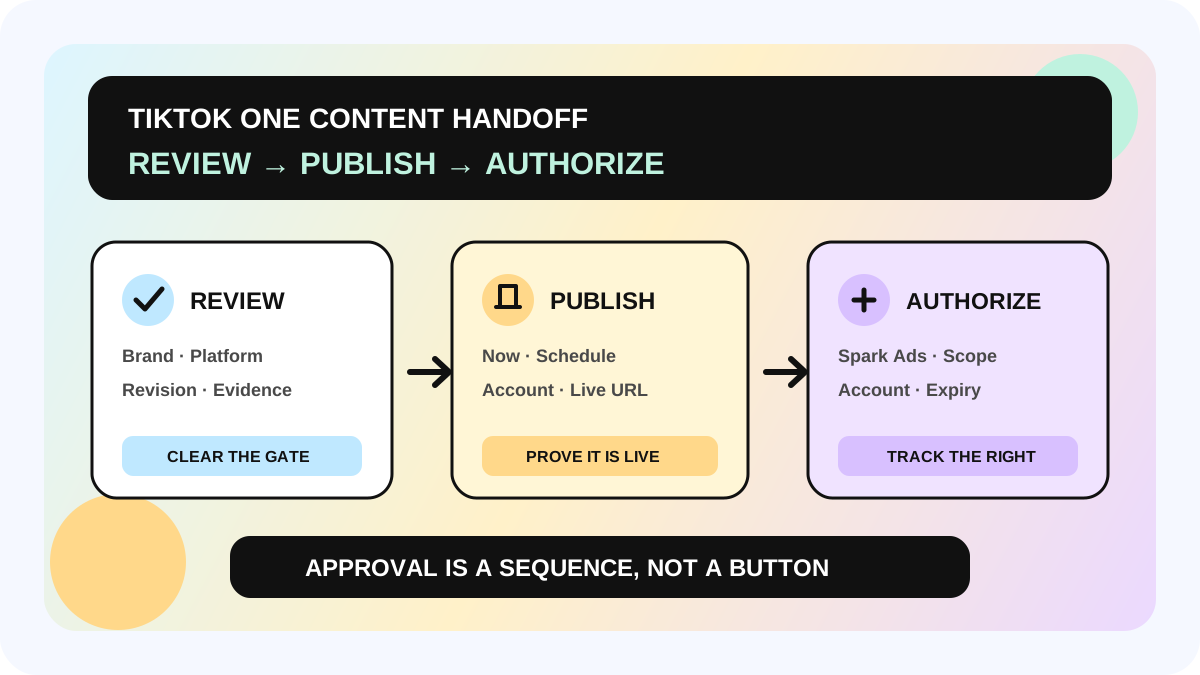
4. Let the owner decide in the same weekly review whether the creator should scale, continue in a lower-risk structure, or stop receiving more resources.
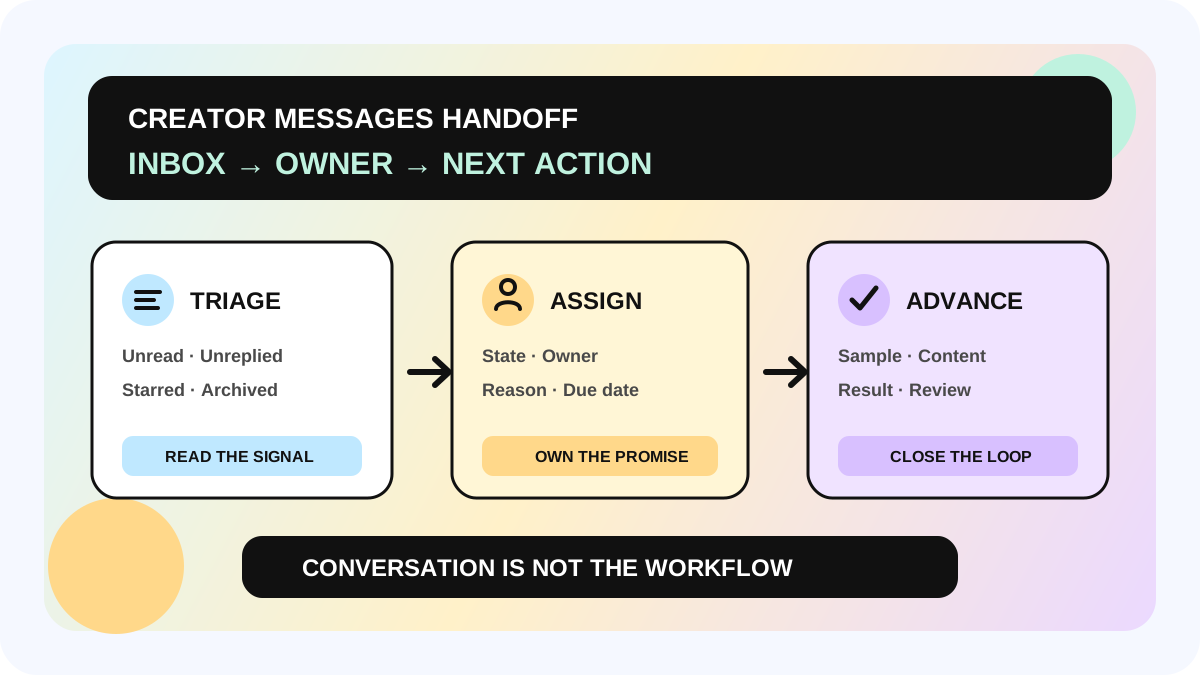
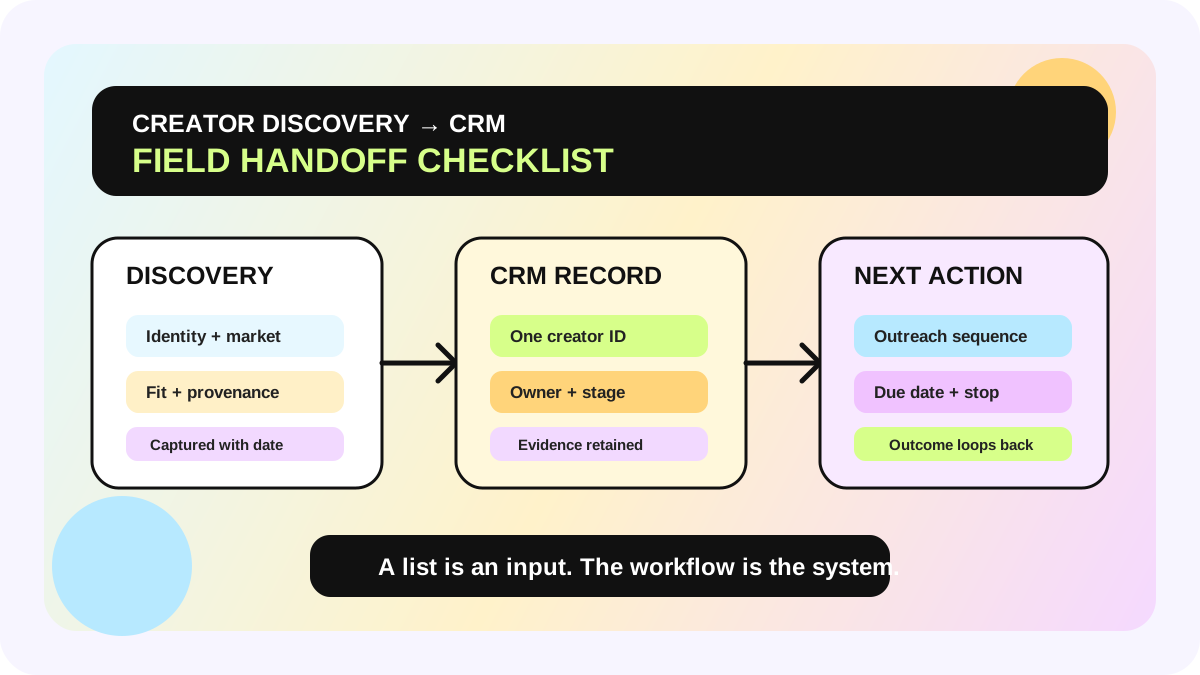
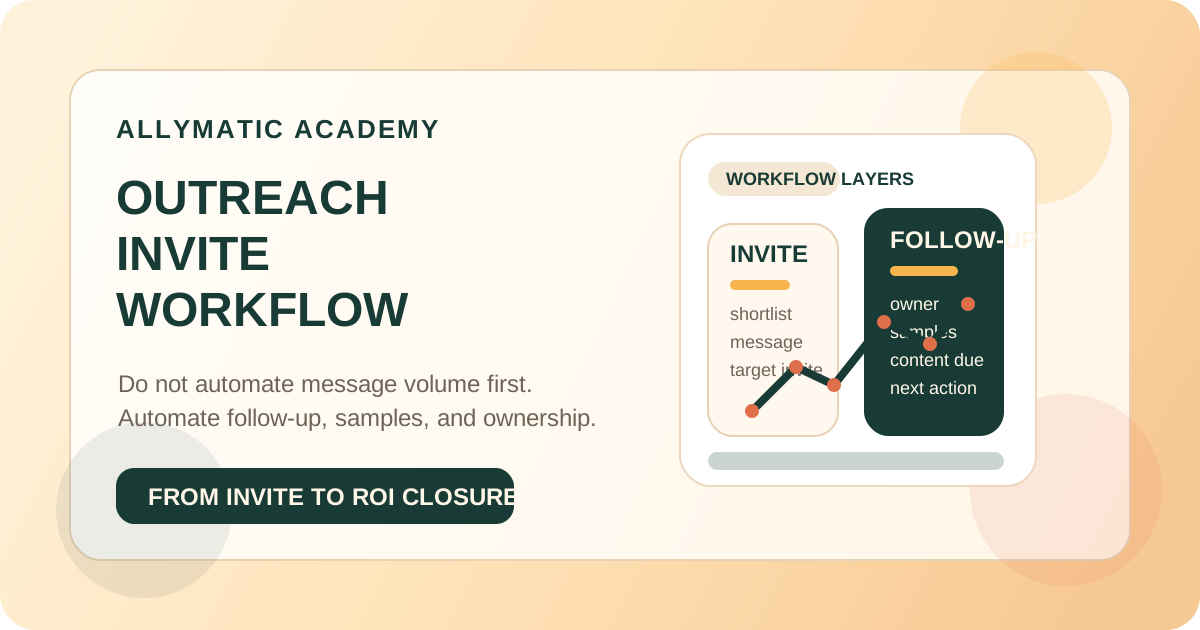
5. Sync the result back to the creator outreach workflow so the team does not keep adding samples or commission to a collaboration structure that is already failing.
This turns refund handling from a one-off finance adjustment into an input for creator selection, commission design, and reinvestment decisions.
Common mistake: treating refund commission as only a finance issue
The first mistake is to leave refund commission only to finance. Then the team learns that the number changed, but never learns which creator types, content types, or deal structures are actually magnifying refund risk.
The second mistake is to assume that a refund proves the creator was bad. Sometimes the real problem is product instability, late link placement, incorrect sample handling, or a deal structure that never fit scaling in the first place.
The third mistake is to record the refund impact but never use it to change the next creator batch. Mature teams use refund outcomes to recalibrate commission bands, seeding density, and owner rhythm.
The allymatic point of view: refund commission is not one number. It is a coordination chain.
At allymatic, the bigger question is not only how much commission moved after the refund. It is whether that change flows back into the next operating decision. Scalable TikTok creator affiliate work does not depend on chasing money backward every time something breaks. It depends on one shared model that connects order state, creator state, content state, and ROI review.
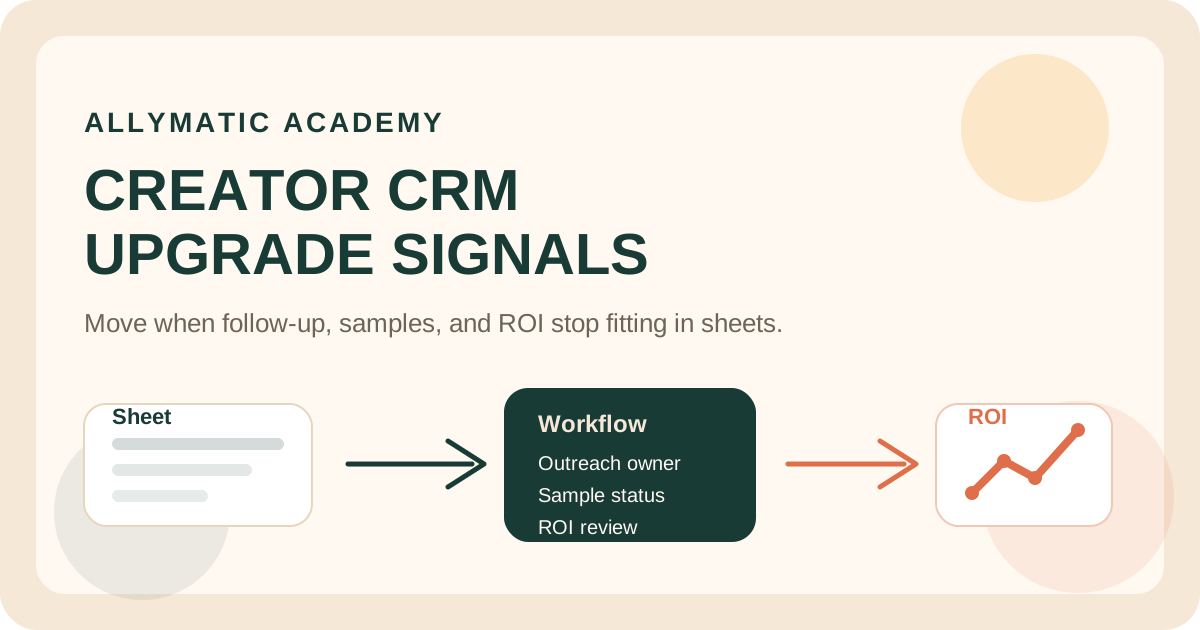
If your team still needs to jump across multiple spreadsheets and chat threads just to identify which creator a refund affects, the problem is already larger than commission calculation. Standardize the operating logic first. Then decisions about raising commission or expanding samples become much safer.
FAQ
After a TikTok Shop refund, is the creator commission always taken back?
Do not force an absolute answer too early. A safer approach is to verify the order state, attribution path, and final order details first. If the order has not reached the final settlement stage, the commission should remain marked as pending confirmation.
When does the team most need to review refund-related creator commission?
The highest-value moment is before raising commission, widening sample volume, or adding more fixed fees. Refund outcomes directly change whether the next creator batch still has a realistic break-even path.
Who should own refund-related commission handling?
There should be one clear owner, but not one isolated role. BD, media, operations, and finance should work from the same order and commission logic so the refund result can actually influence the next creator decision.
Official Sources
Official Sources
Primary references used for this article.