When Should a TikTok Creator Team Move to CRM Software? Do Not Wait for a Bigger List. Watch Follow-Up, Samples, and ROI.
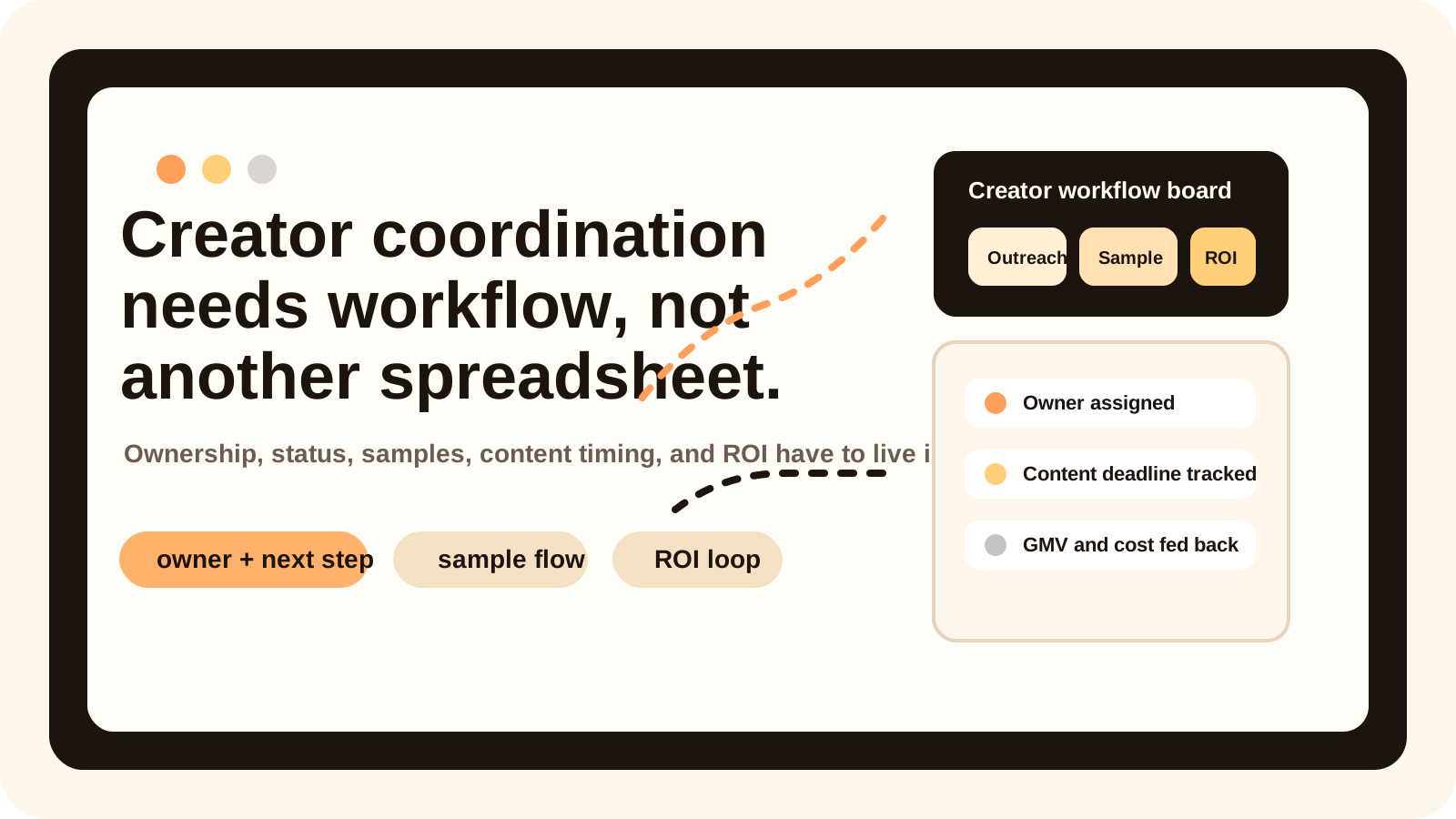
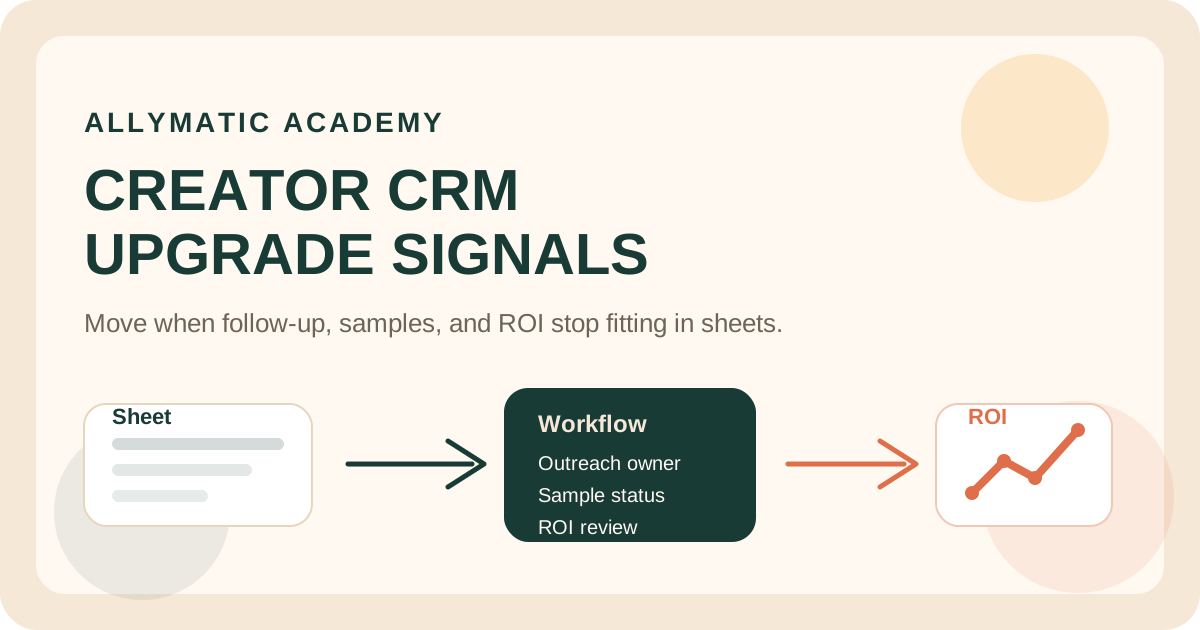
If your team is evaluating TikTok creator CRM software in 2026, the most useful question is usually not whether you should buy a system immediately. It is whether your team has already moved beyond what spreadsheets can reliably handle. The strongest upgrade signal is rarely creator volume by itself. It is when the same creator appears across multiple sheets, chats, and inboxes; when samples are shipped but no one owns the content follow-up; when affiliate and order results do not flow back into the next creator decision; and when leadership keeps asking who owns the next step. Once the real bottleneck becomes coordination and review rather than one-time creator discovery, the next move is not another spreadsheet. It is a workflow that connects a creator marketing management system, creator CRM, creator outreach, creator affiliate marketing, and a TikTok Shop creator ROI calculator.
Four signals that mean it is time to evaluate a system
First, multiple people now manage creator work, but everyone keeps their own lists and notes. The earliest problem is not speed. It is duplicated outreach, inconsistent statuses, and weak ownership.
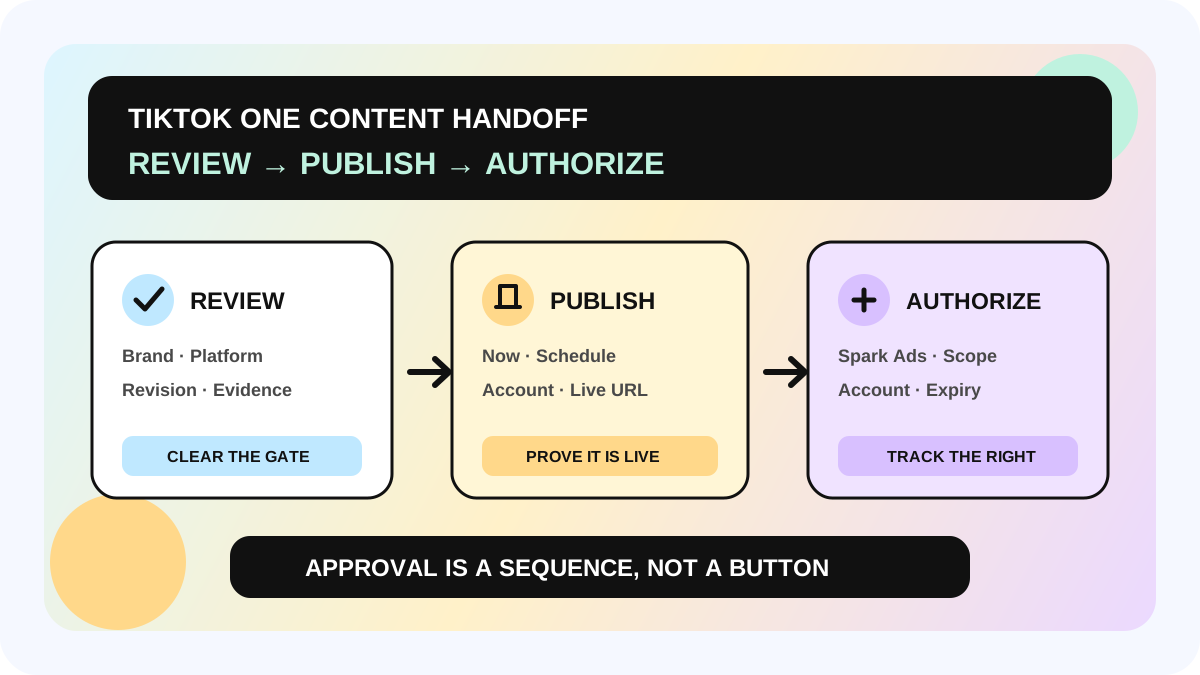
Second, creator work is no longer just sending an invite. Once the team manages samples, scripts, publishing deadlines, shoppable links, and post-launch review, spreadsheets stop being a reliable way to move the next action forward.
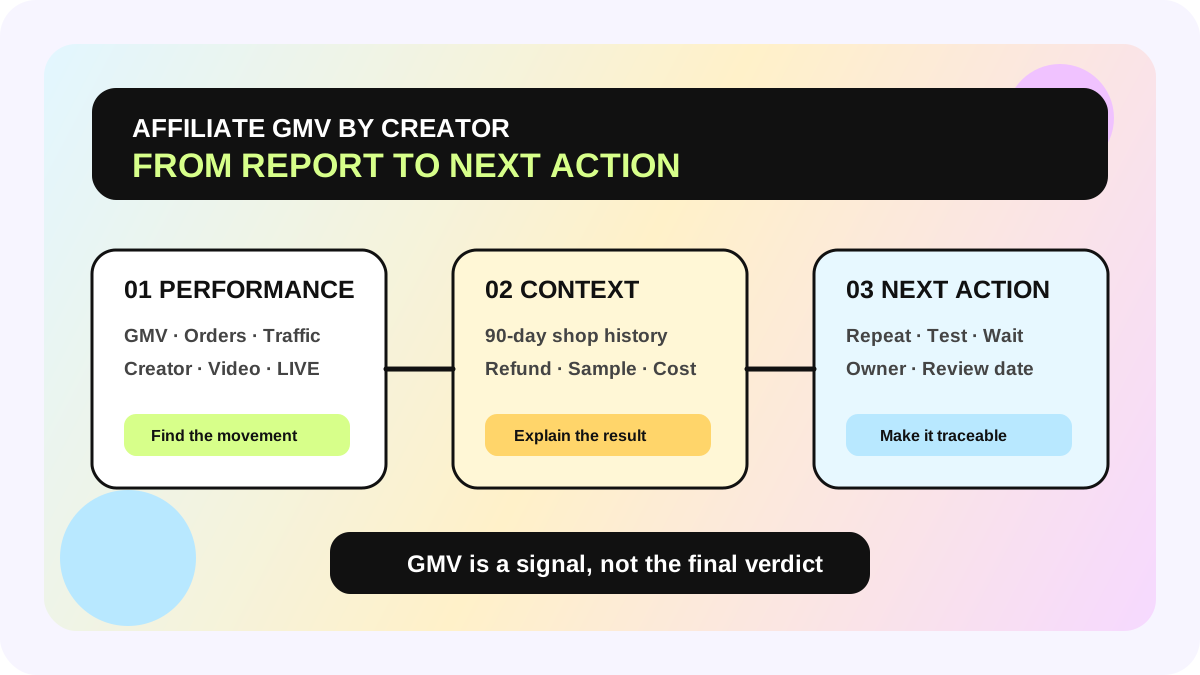
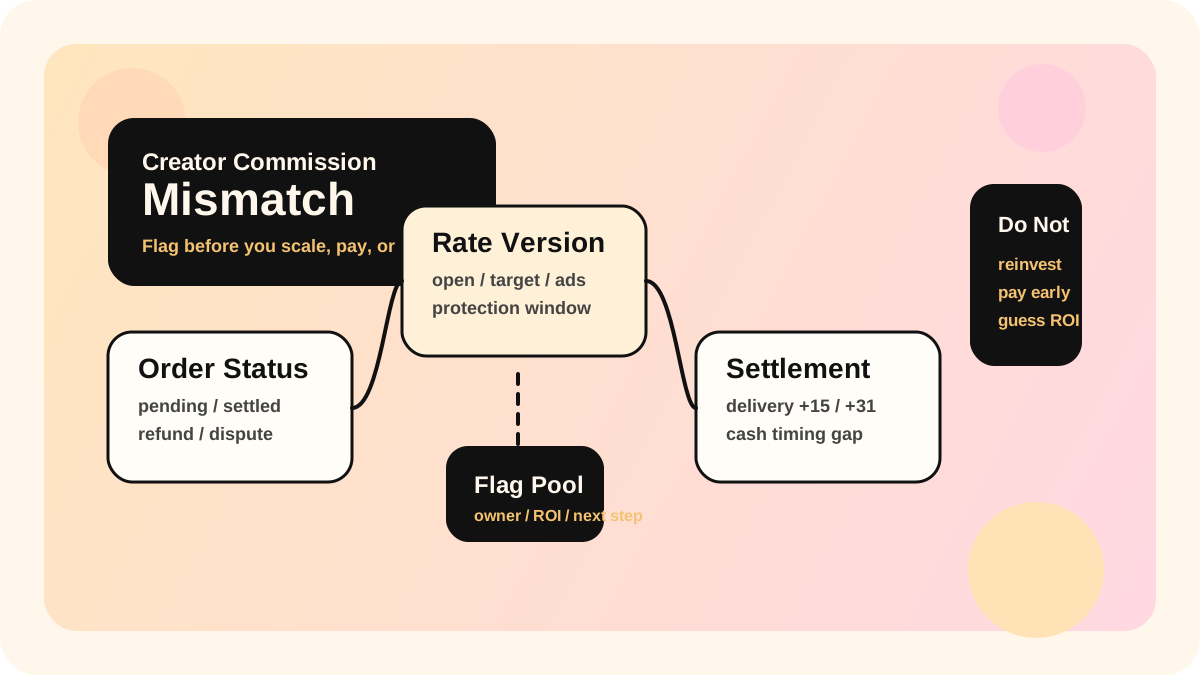
Third, the team already reviews affiliate or campaign performance, but cannot tie commission, GMV, sample cost, and content output back into one decision model. Without that shared model, reinvestment still depends on guesswork.
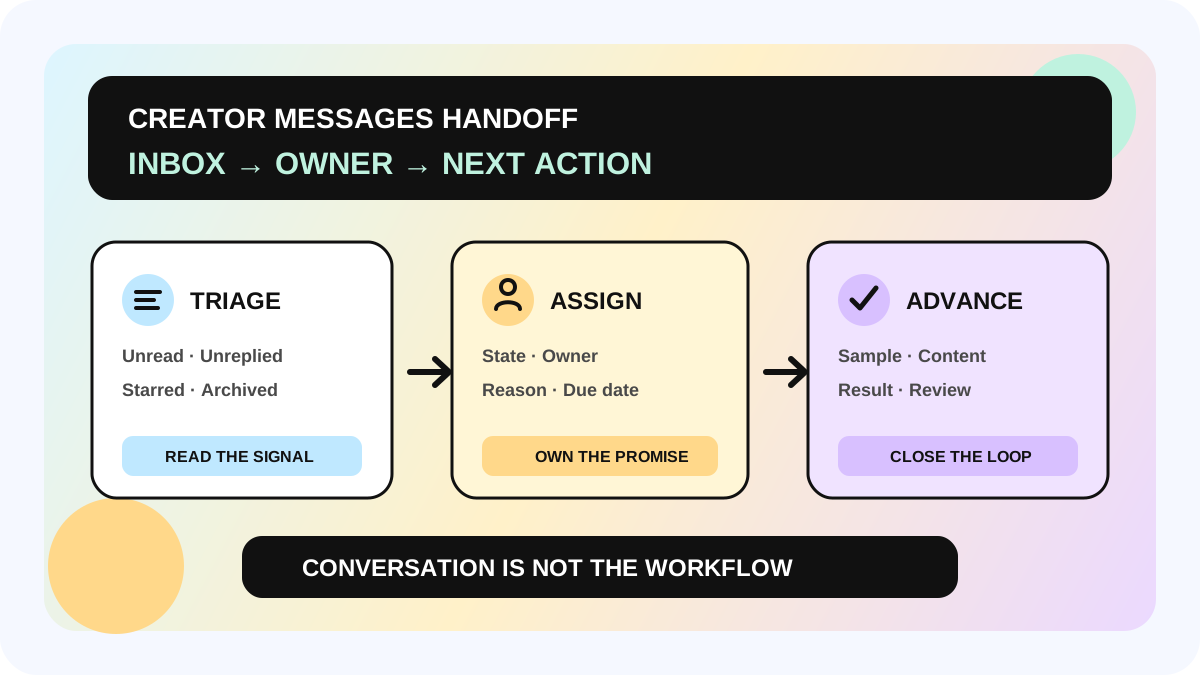
Fourth, the owner of each creator next step is no longer obvious. If the team needs chat messages to ask what happens next, the missing layer is not data volume. It is workflow structure.
Who should upgrade now, and who can still stay on spreadsheets
Teams that should upgrade now usually operate in a recurring collaboration rhythm. They run outreach, samples, content follow-up, link checks, and ROI review every week, and more than one person is involved. For these teams, the value of a system is not that it looks more advanced. It is that it reduces missed follow-ups, reduces rework, and turns creator collaboration into a durable operating asset.
Teams that can still stay on spreadsheets for now usually share two traits. Collaboration volume is still small, and the process itself is not stable yet. If the team has not even defined creator filtering rules, outreach standards, sample rules, and review cadence, process design should come before software selection.
Compare these five dimensions before you compare vendor names
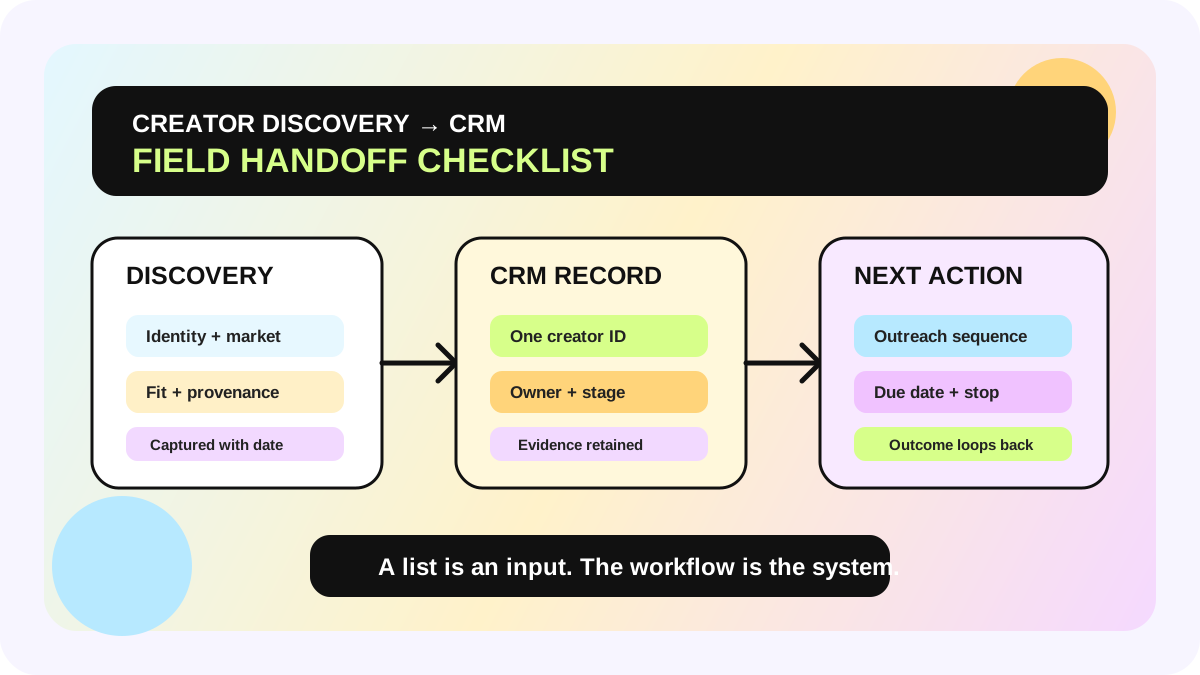
1. Can the system keep creator profiles, contacts, conversation history, and collaboration status in one shared view instead of only giving you more names?
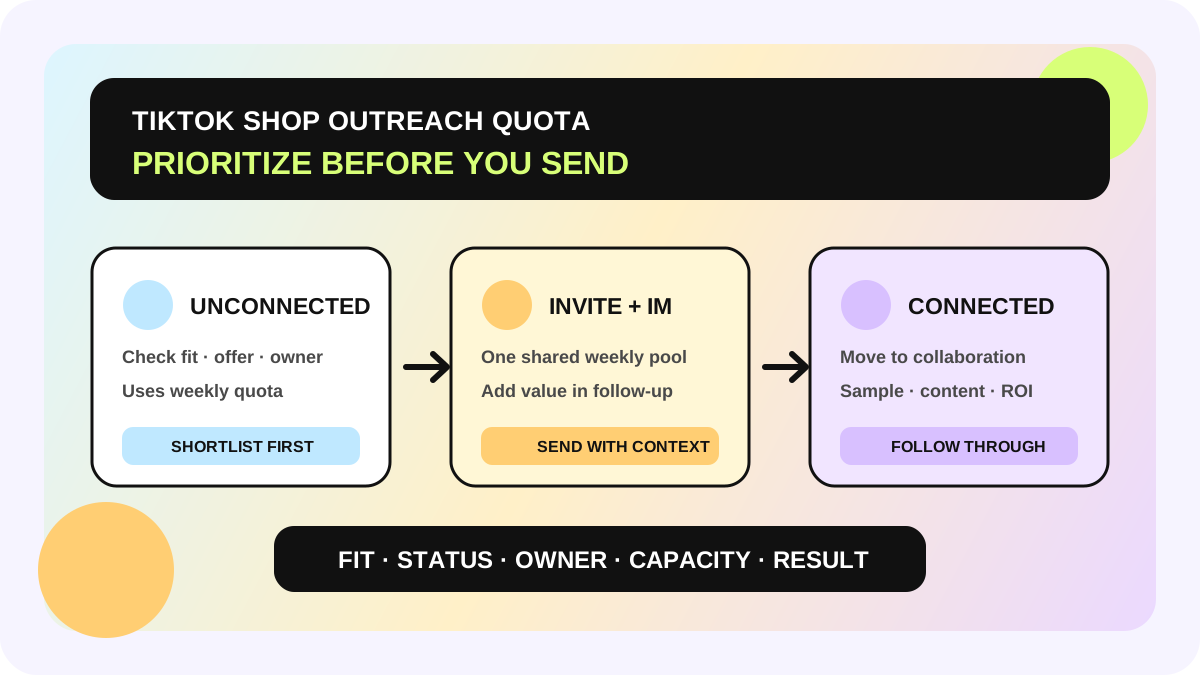
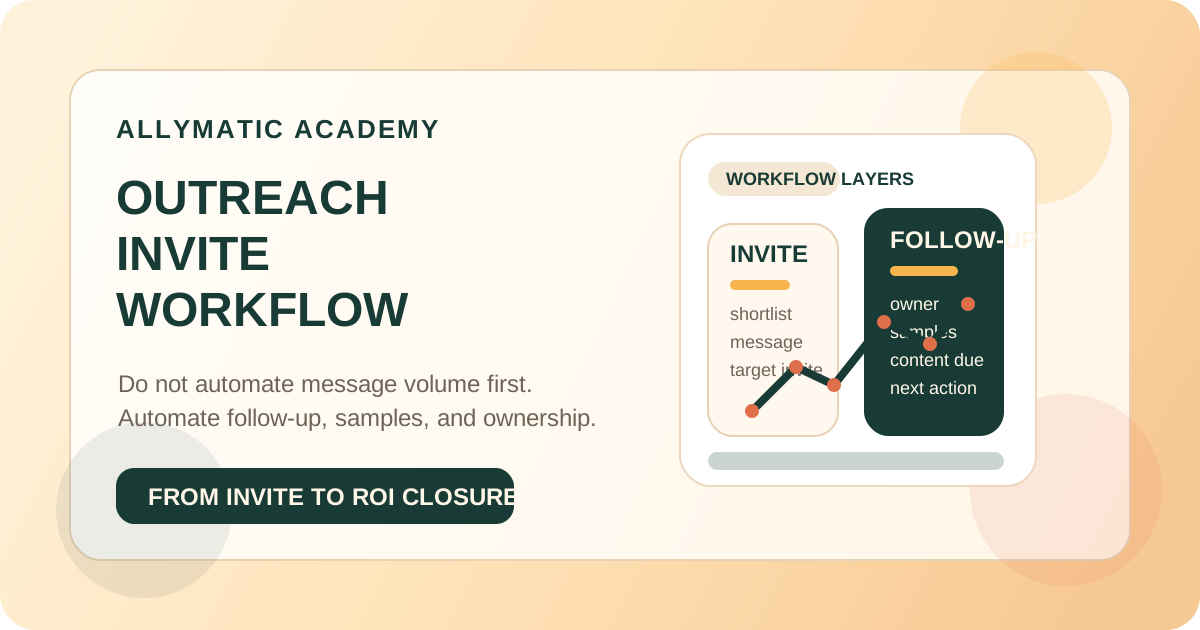
2. Can the workflow continue after outreach into follow-up, rates, samples, and content milestones instead of stopping at message sending?
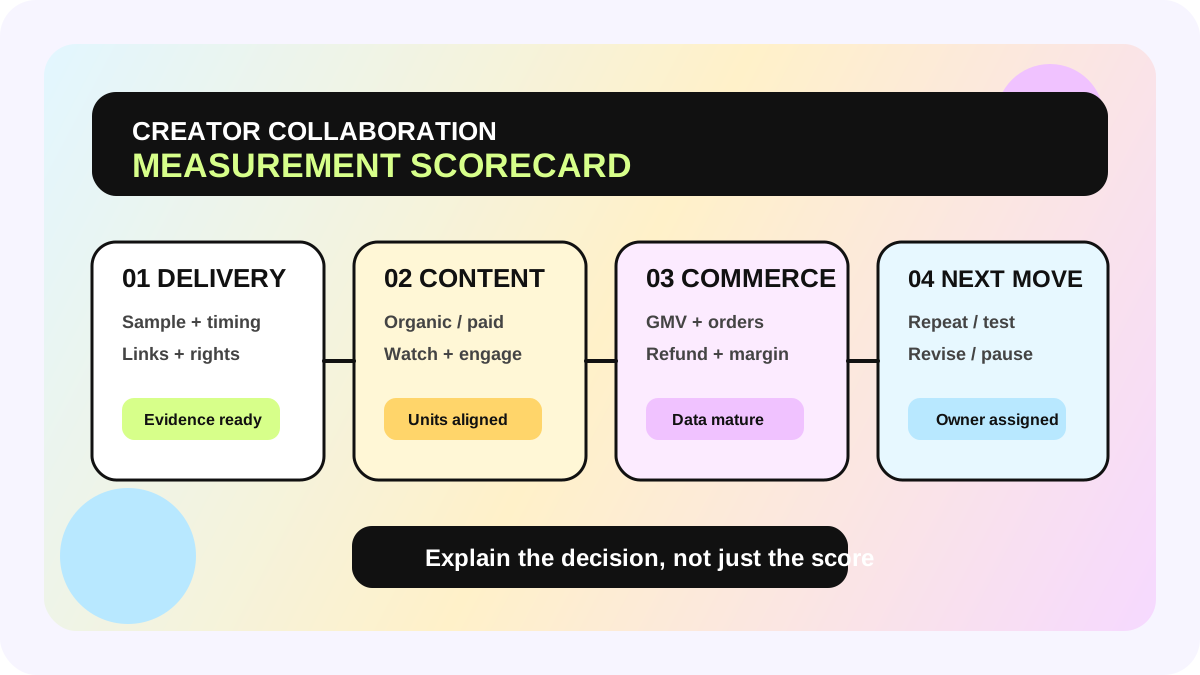
3. Can the team track samples, scripts, publishing timelines, and shoppable-link status by creator and by campaign?
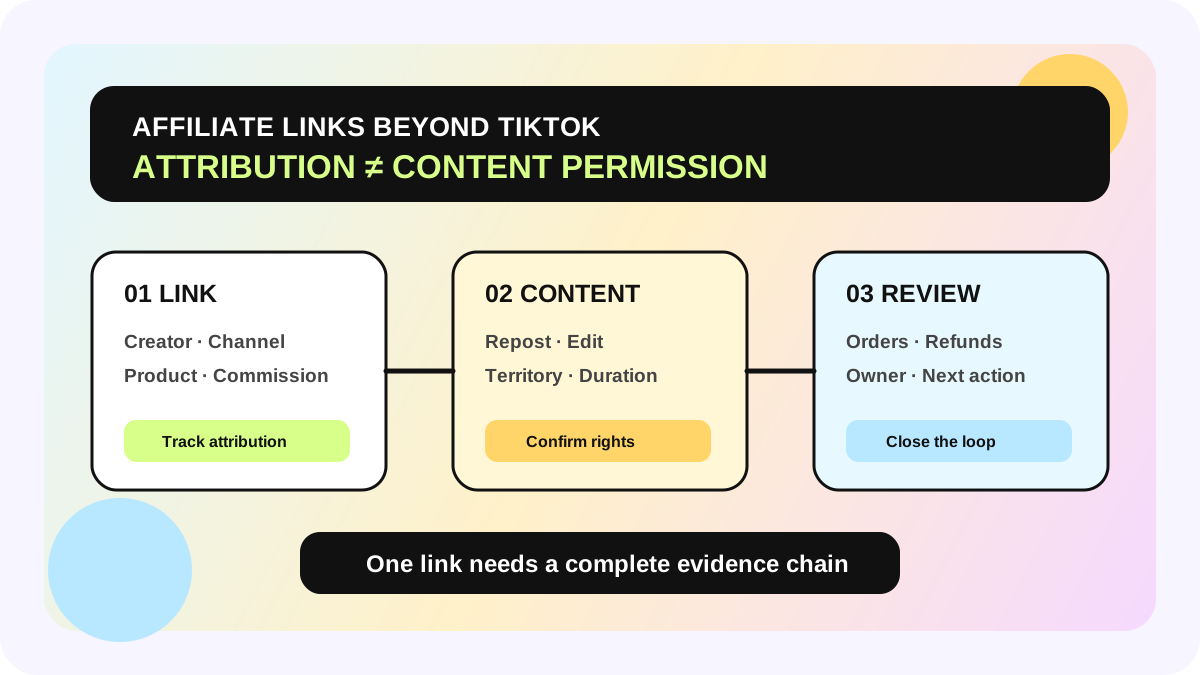
4. Can orders, commission, GMV, and content results flow back into creator operations so the next reinvestment decision gets smarter?
5. Can leadership, BD, operators, and reviewers work from one shared model instead of separate spreadsheets and dashboards?
allymatic's point of view: system upgrade is really about standardizing the next action
Many teams think they need a creator database tool. In practice, what they really lack is an execution system for who owns the creator, when to follow up, how samples and content move, and how results come back into reinvestment decisions. allymatic treats workflow closure as the priority rather than isolated features. Once TikTok creator marketing becomes an ongoing operating function, the real driver of efficiency is no longer who finds creators first. It is who can consistently move creator work through launch, link activation, review, and scale.
That is why creator CRM evaluation in 2026 should not focus only on interface quality or database size. The better question is whether the system actually understands the creator operations chain. A system that helps the team move the next action is the one worth adopting.
Quick checklist
- If the same creator is often contacted twice, fix the shared creator base and clear ownership first.
- If sample shipments are sent but content follow-up is inconsistent, fix sample and content milestone tracking first.
- If review only shows GMV without creator-level input and return, fix ROI feedback first.
- If the team spends too much time aligning status every week, fix the handoff workflow instead of just expanding the creator list.
Common mistakes
- Mistake 1: assuming a small creator pool means no system is needed. The real threshold is recurring collaboration complexity, not list size.
- Mistake 2: assuming any CRM counts as an upgrade. Without follow-up, sample, content, and ROI logic, a CRM is still only a record-keeping tool.
- Mistake 3: delaying system work until the creator list is much larger. By then, process debt and messy data grow together.
FAQ
When is the right time to move to creator CRM software?
When the team already runs outreach, samples, content follow-up, and review every week, and multiple people need to collaborate on those actions, it is time to evaluate a system.
What is the biggest difference between creator CRM and regular sales CRM?
Regular sales CRM focuses on customer pipeline stages. Creator CRM focuses on creator profiles, collaboration status, samples, content delivery, shoppable links, commission, and ROI review across the creator operating chain.
Should I fix the process first or buy software first?
If the process is still undefined, fix the process first. If the process already exists but execution is fragmented across sheets, chat, and email, fix the system next.