Overseas Creator BD Notes: Outreach Emails, Subject Lines, and First Contact
Adapted from the Overseas Creator BD Notes. This chapter covers the first email, subject line, follow-up, public feedback, briefs, sample objections, collaboration formats, and contact discovery. Templates must be rewritten for the creator, category, market, and confirmed commercial terms.
1. The first email must answer three questions
Creators receive many invitations. The first message should quickly answer: Why me, what is the collaboration, and what do I receive?
1. Show real familiarity. Mention a recent post, repeatable style, or audience detail instead of a generic compliment.
2. Start from creator value. Explain product fit, confirmed commission or fee, sample, creative freedom, and reinvestment potential.
3. Use only relevant brand information. Category, differentiator, market, and credible proof are enough. Do not use unverified sales or efficacy claims to earn a reply.
A structure to adapt:
```text
Hi [Creator name],
I enjoyed your recent [specific video/topic], especially [specific detail].
I’m [name] from [brand], a [one-line factual description].
We’re looking for a creator to show [product/use case], and your audience’s
interest in [relevant topic] looks like a strong fit.
The collaboration includes [sample], [confirmed compensation], and
[deliverables/time window]. You can review the product and brief before
deciding whether the collaboration works for you.
Here is the product: [direct link]
Would you like the full brief and terms?
Best,
[Name / role / brand / contact]
```
Do not claim to be a follower unless it is true. Do not put “10% lifetime commission” or another unconfirmed term in a reusable template. Fee, commission, attribution window, and payment date must match the actual offer.
Pre-send checklist
- Name, account, category, and recent content match the correct creator.
- The product link opens in the creator's market.
- Fee, commission, sample, and deliverables have internal approval.
- A reader can understand the offer on one mobile screen.
- The email has one clear CTA rather than ten questions.
2. Three elements of a subject line
Within the first ten words, show collaboration intent, product or category, and brand. There is no universal length; the creator should understand the email's purpose before opening it.
Useful structures:
- `Paid collaboration | [Brand] [Product]`
- `[Product category] review invitation from [Brand]`
- `Try-on collaboration: [Product] | [Brand]`
- `[Brand] x [Creator]: [Campaign]`
Use caution with `[Urgent]`, all caps, exaggerated punctuation, vague “Hi” or “Opportunity,” false `Re:` or `Fwd:`, bulk greetings such as “Hi dear,” and `Paid` or `Sponsor` when the offer is not confirmed.
Subject A/B tests should use reply quality, valid collaborations, and spam complaints—not open rate alone.
3. Follow up without turning the message into pressure
No reply does not necessarily mean rejection. The creator may be filming, traveling, or unable to understand the offer yet. A follow-up should add decision information, not guilt.
A practical cadence might wait three to five business days after the first email, then another five to seven business days before a final message. Do not chase simultaneously through several emails, DMs, and WhatsApp.
Possible subjects:
- `Re: [original subject]` after a real prior email;
- `Still interested in [Product/Campaign]?`;
- `Quick question about [Campaign]`;
- `Any questions about the [Brand] brief?`.
```text
Hi [Name],
Following up on the [product/campaign] invitation below. The key terms are:
[one deliverable], [confirmed compensation], and [time window].
If it is not a fit, no problem at all. If you are interested, I can send the
full brief and sample options.
Best,
[Name]
```
Avoid “Did I do something wrong?” and similar pressure. A final email can say that the team will close this round and only return with a stronger fit. Update CRM state so other BD owners do not repeat the contact.
4. Public comments and negative feedback
The original notes mixed comment management into the follow-up section. It belongs separately because public conduct influences whether creators trust the brand.
Product complaints
Publicly acknowledge the issue and willingness to help, then move order, batch, size, and photo details to a private channel. Determine whether the cause is a defect, unclear description, logistics, use, or preference. Do not argue or recruit fans to attack the complainant.
After resolution, the brand may politely ask whether the customer wants to update the review, but must not condition compensation on deletion. Legitimate criticism should remain. Moderate only spam, harassment, hate, or privacy violations under platform rules, and keep a record.
Cultural or wording mistakes
For preference differences, context may help. For discriminatory, offensive, or culturally wrong content, acknowledge the specific failure, state the correction, and remove or revise the asset. Do not replace accountability with “people misunderstood.”
Product questions
Use them as product-page and brief input. Answer inaccurate accusations with verifiable facts; fix real gaps in size, material, use boundaries, or FAQ. Higher-risk comments need an owner and response time.
12. What an executable creator brief contains
A brief aligns expectations while preserving creator voice. Include:
- Brand info: audience, tone, and facts that cannot change.
- Campaign goal: awareness, traffic, conversion, or assets—not every goal at once.
- Product information: function, specification, selling points, use boundaries, and evidence.
- Deliverables and deadlines: platform, format, count, preview, publication, and revision rounds.
- Creative direction: required facts, optional angles, prohibited claims, and references that should not be copied.
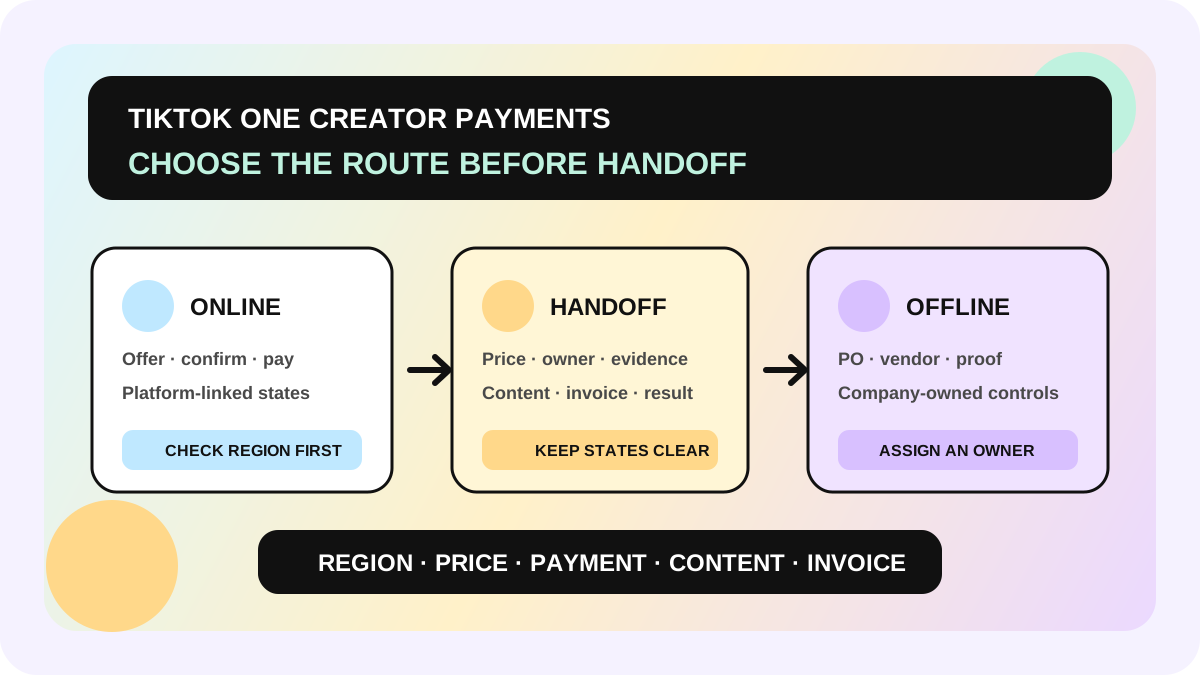
- Payment: fixed fee, commission, method, currency, tax, fees, trigger, and date.
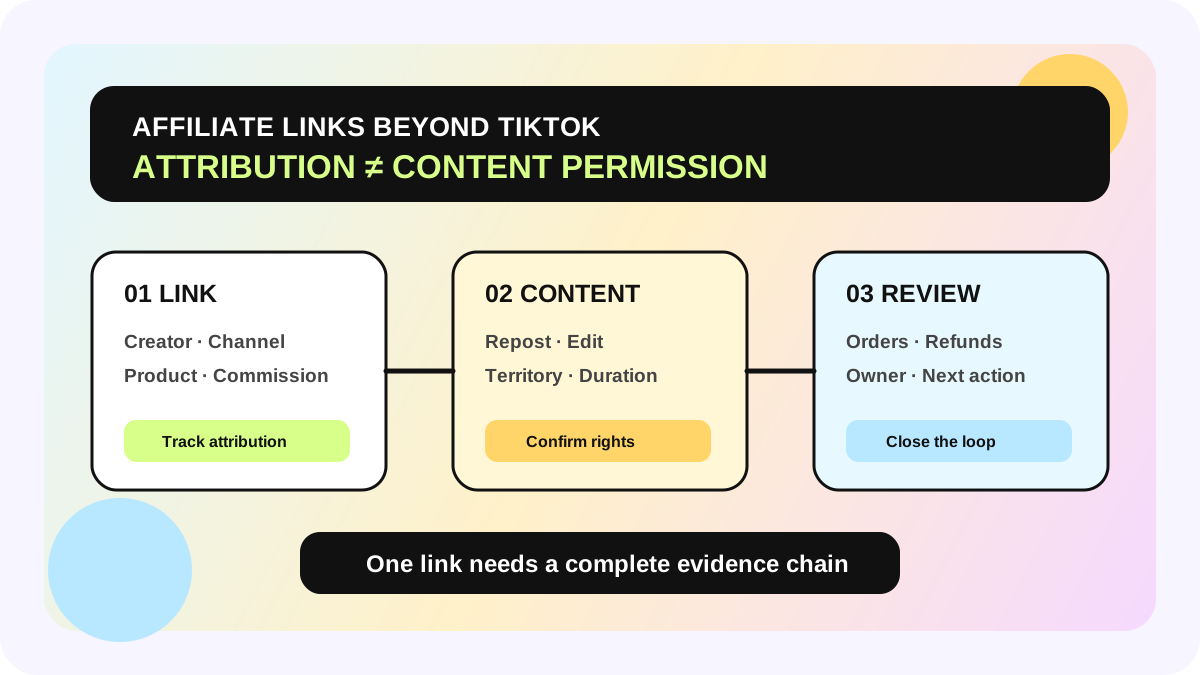
- Caption and links: tags, hashtags, product and tracking links, code, and disclosure.
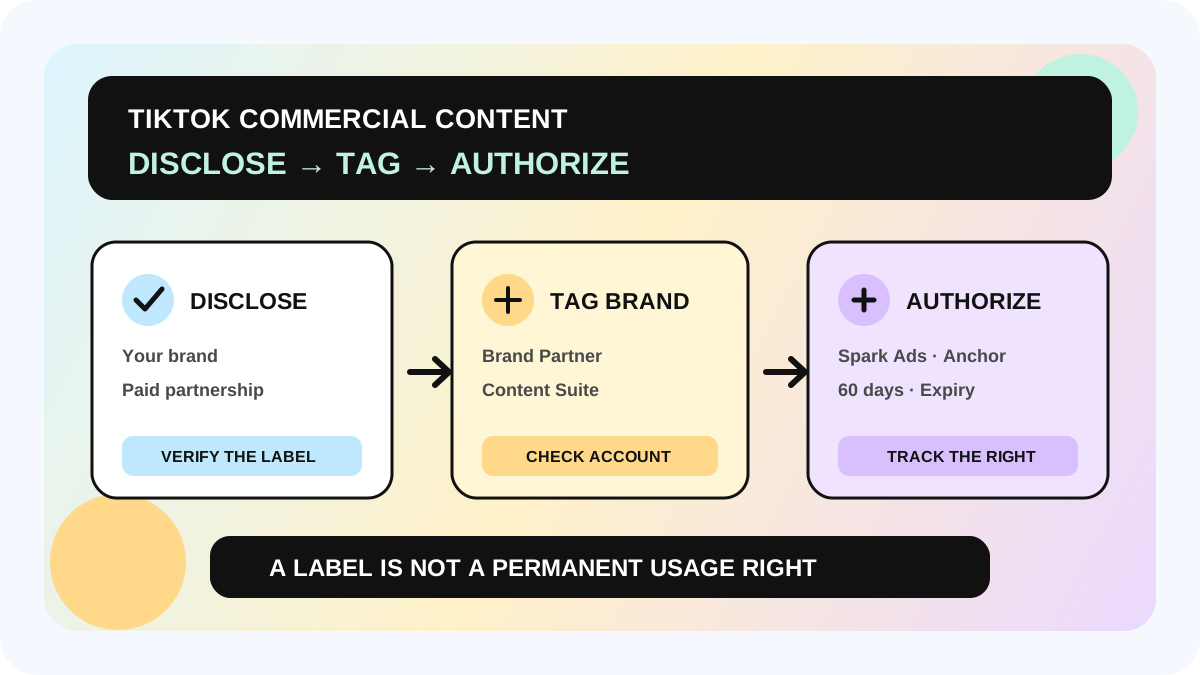
- Usage rights: organic, paid ads, Spark Ads, whitelisting, territory, duration, editing, and renewal.
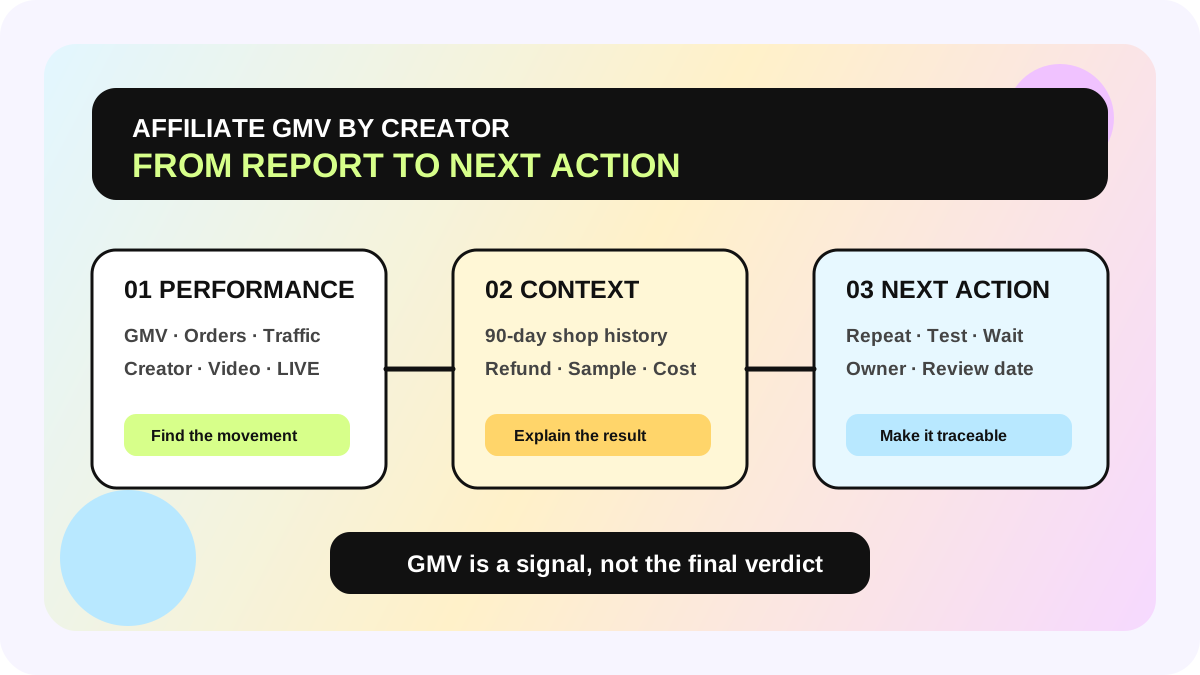
- Key objectives: definitions and formulas; organic performance is not a creator guarantee.
Never ask for a false experience, hidden sponsorship, or unsupported efficacy claim. See the high-converting content structure and creator content ad-asset workflow.
13. When a creator dislikes the sample
Find the reason
Ask whether the problem is color, style, back design, fit, material, page expectation, or audience fit. Do not start by asking the creator to “make it work.”
Respond to the cause
- Check whether the warehouse sent the wrong SKU, color, or size.
- Review the page for missing back views, measurement, material, and color information.
- For a minor preference difference, ask whether an honest suitable angle remains.
- For a sizing error, offer measurement instructions and a replacement if the creator agrees.
- If the product is not a fit, stop the deliverable, record why, and follow the agreed sample and fee terms.
Do not force a positive review. Return treatment depends on the contract, local rules, hygiene, and shipping—not one universal policy.
Review afterward
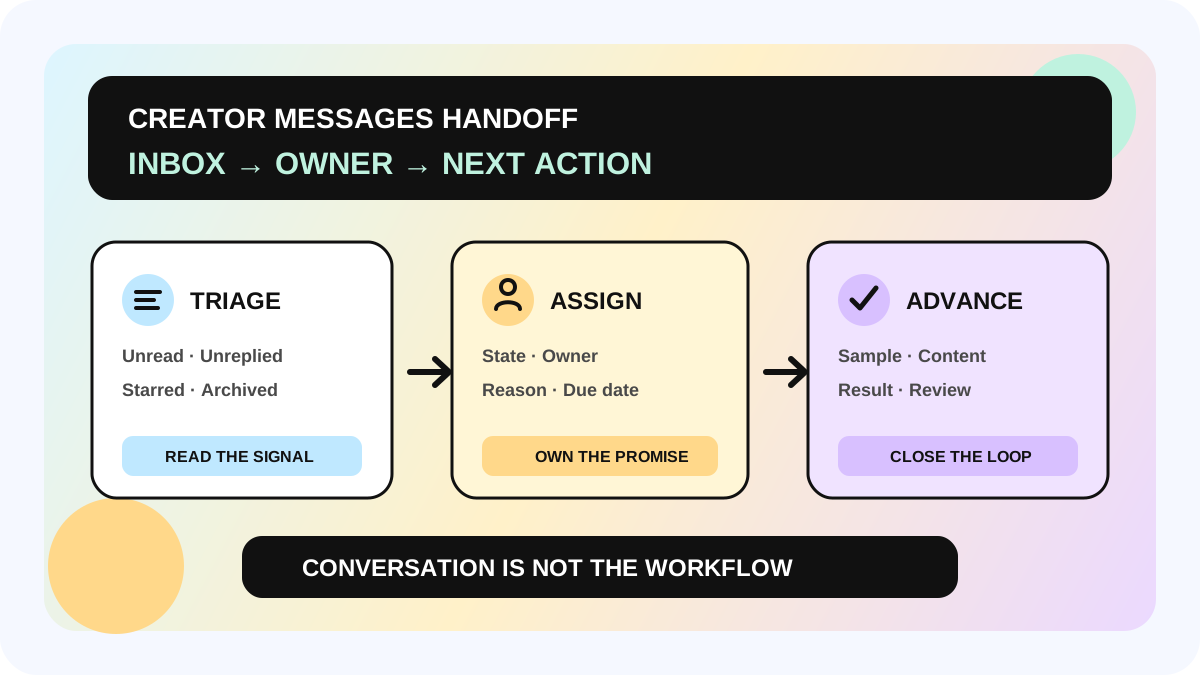
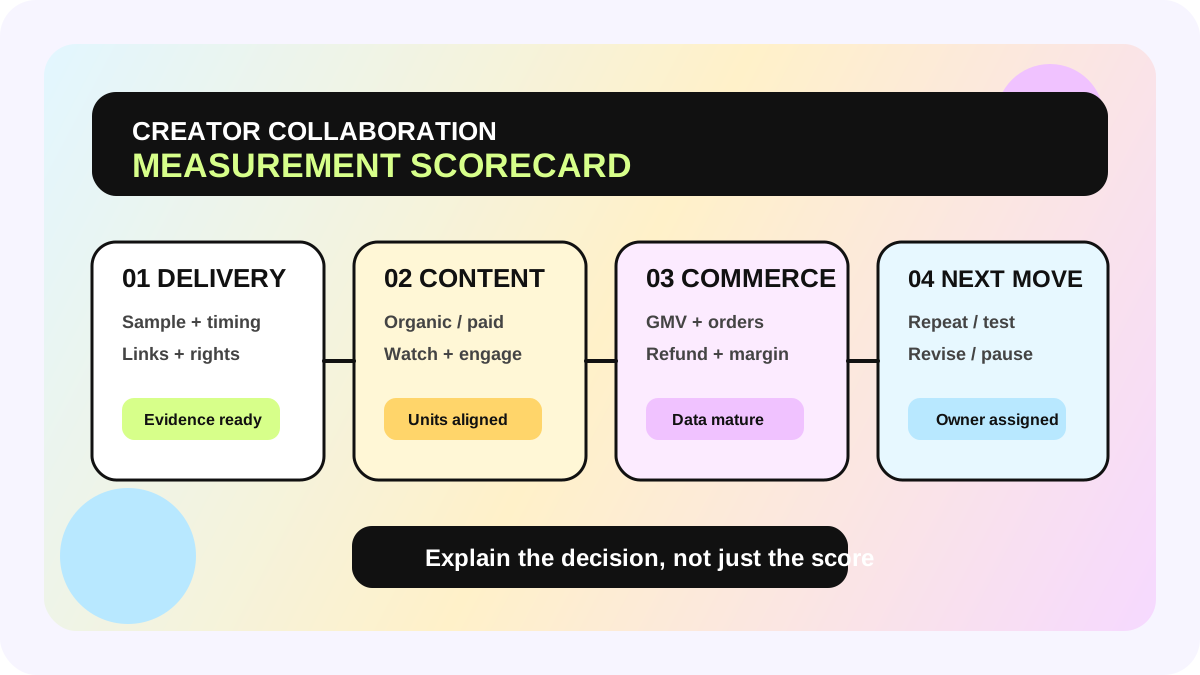
Improve page imagery, size, fabric, color, and audience information. Write the failure reason back to the creator and SKU record. Use the sample ROI workflow to track sample-to-content state.
14. Common video collaboration formats
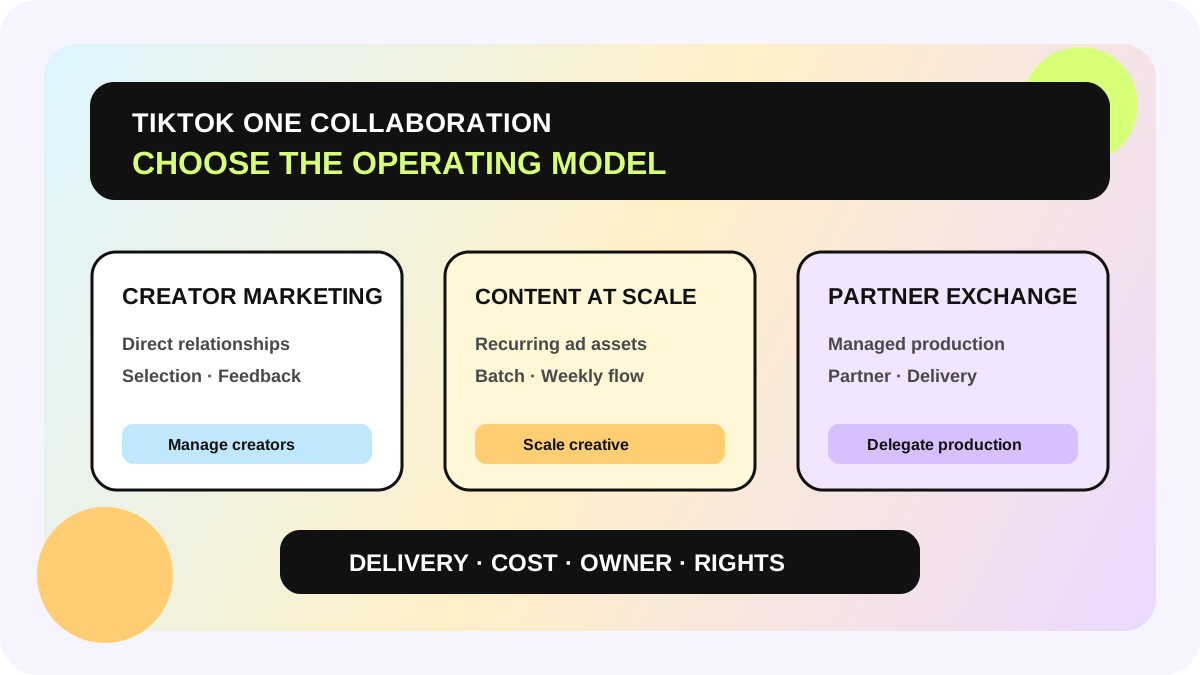
Names are not standardized. Confirm deliverable, length, placement, links, exclusivity, revisions, and rights before accepting a quote.
YouTube
1. Dedicated/Full Video: the whole video centers on the brand; confirm duration and regular channel segments.
2. Integrated/Part Video: a brand segment in a longer video, often one to four minutes; placement and duration affect price.
3. Mention: a shorter verbal or visual placement; trial, link, and description may cost extra.
4. Gifted Review (Paid): sample plus fee or commission, sometimes within a roundup or comparison.
5. Gifted Basis: sample-only invitation; shipment does not guarantee publication unless agreed.
6. Shorts: vertical short video; confirm duration, product link, rights, and cross-posting.
1. Feed Static Post: single image or static feed post.
2. Reels/Video: short video; confirm whether it remains on the feed.
3. Long-form Video: product names change, so confirm the live publishing format and duration.
4. Carousel: multiple images, videos, or both; define count and order.
5. Stories: one or several frames; define 24-hour availability, link, highlight, and analytics screenshots.
TikTok
1. Dedicated Video: mainly about the brand and product.
2. Integrated Video: product appears inside other content; define duration and placement.
3. Story or temporary formats: availability varies by market and account.
Regardless of name, document content ownership, paid usage, exclusivity, revisions, publication date, and analytics delivery.
15. Finding creator business contact information
Prefer a creator's voluntarily published business email and respect privacy and local outreach rules:
1. Check the latest YouTube description for a current business email.
2. Check channel About/Bio and record the retrieval date.
3. Follow public profile links to Instagram, TikTok, Facebook, or another platform.
4. Review public bio, link-in-bio, or management agency pages.
5. Use compliant discovery tools without scraping private data.
6. Send one short DM asking for the correct business contact.
7. Use WhatsApp or phone only when publicly offered for business.
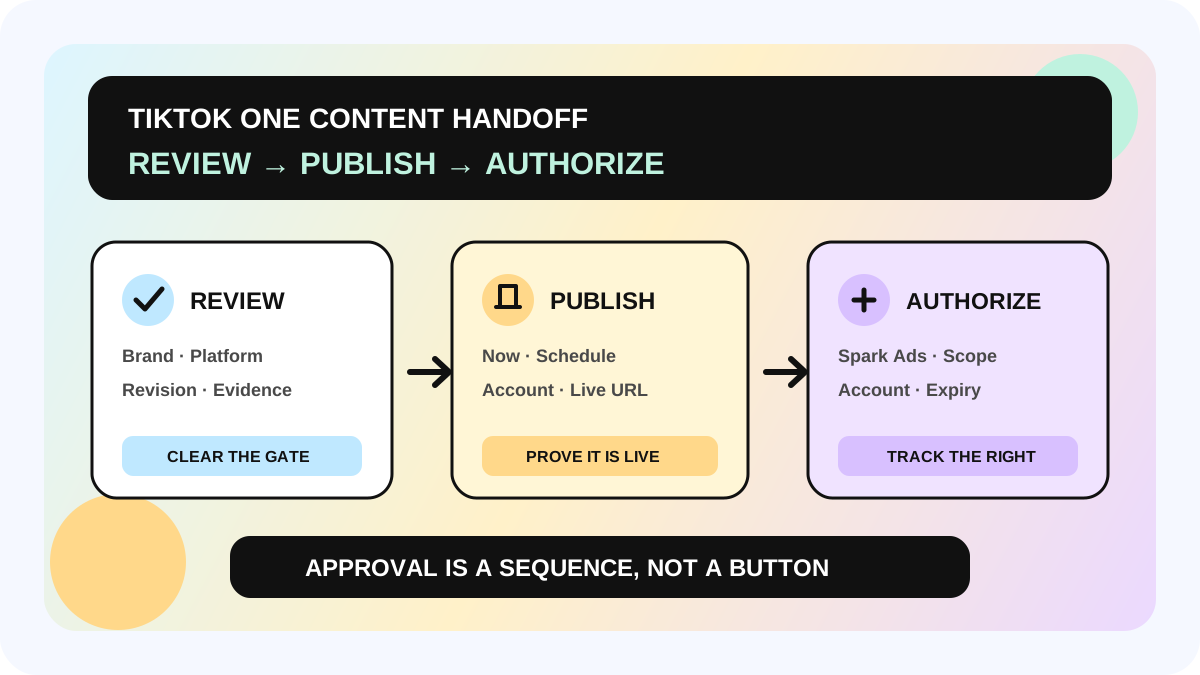
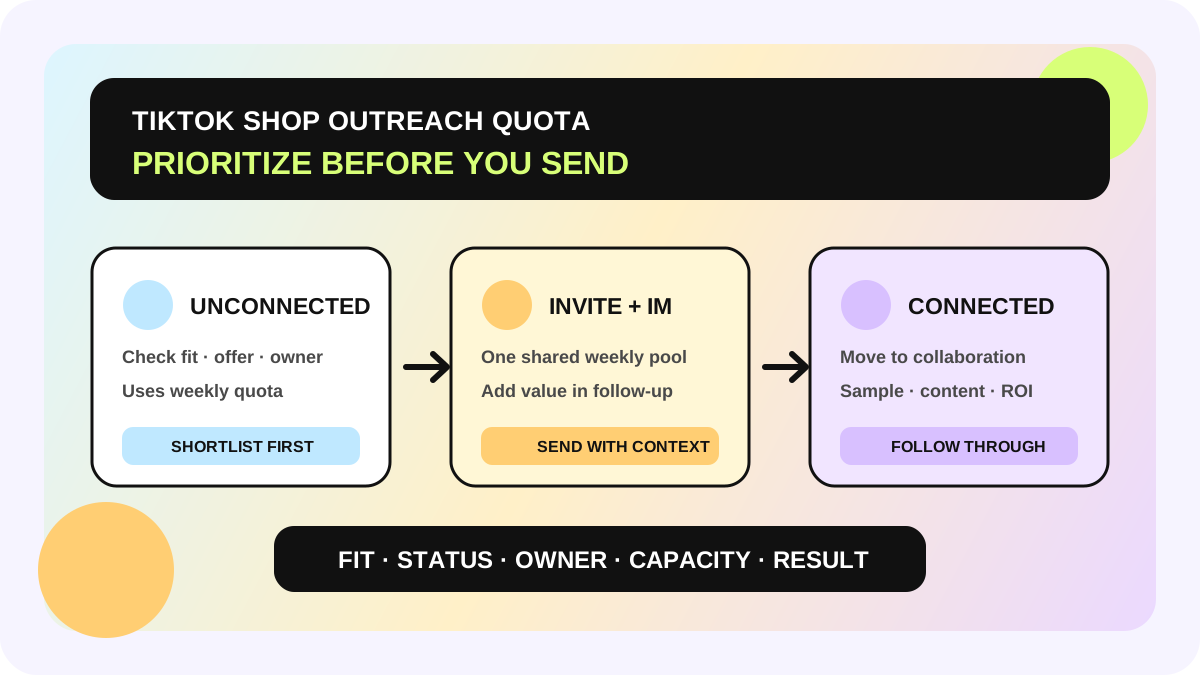
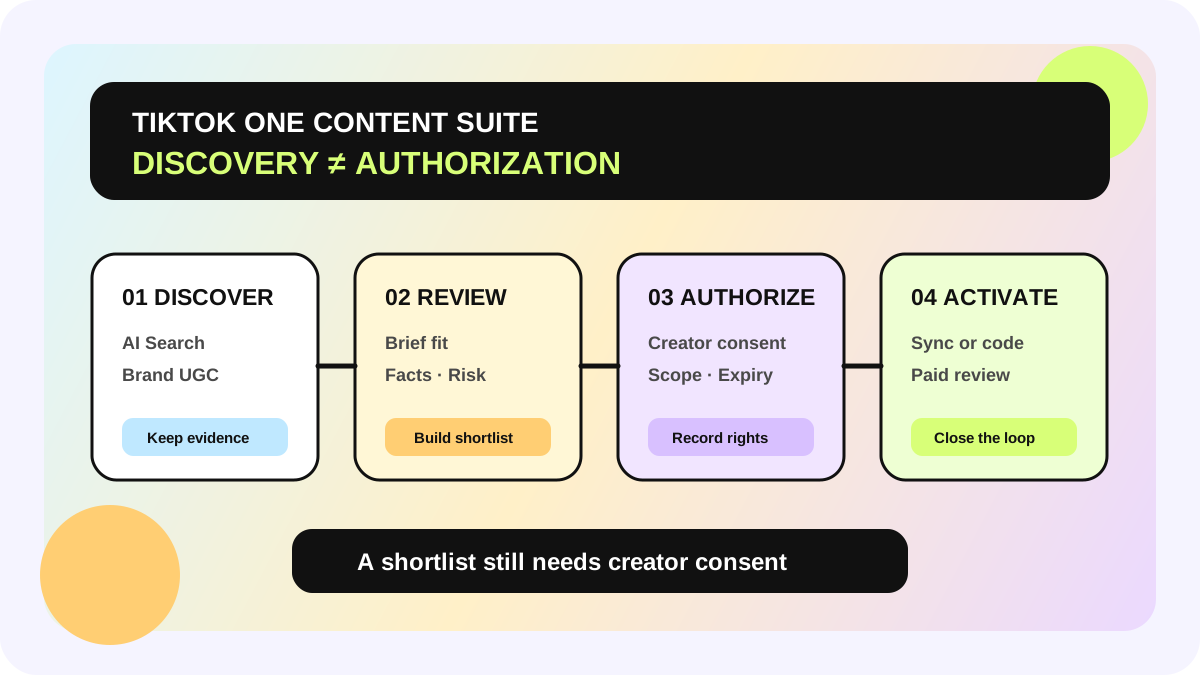
8. Use TikTok One, Creator Marketplace, or platform invitations where available.
No public email may mean the creator is not accepting deals. Do not purchase unknown private contact lists or bypass message limits with multiple accounts.
FAQ
How long should the first email be?
Short enough to understand on mobile: fit, offer, deliverable, and one CTA. Send the full contract and longer brief after interest.
How many follow-ups are appropriate?
Two spaced follow-ups are usually enough. Adapt to timing and interaction, and avoid frequent cross-channel chasing.
Does sending a sample guarantee a post?
No. A guaranteed deliverable requires explicit agreement before shipment. Otherwise, the sample is an invitation and the creator may decline or choose not to publish.
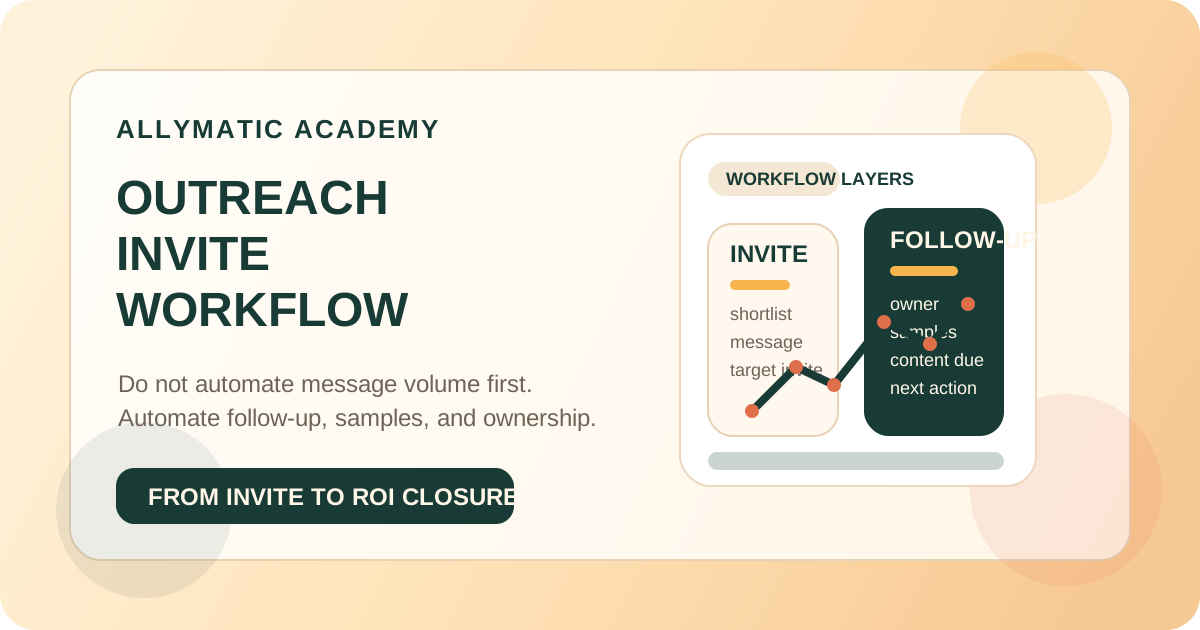
The allymatic view
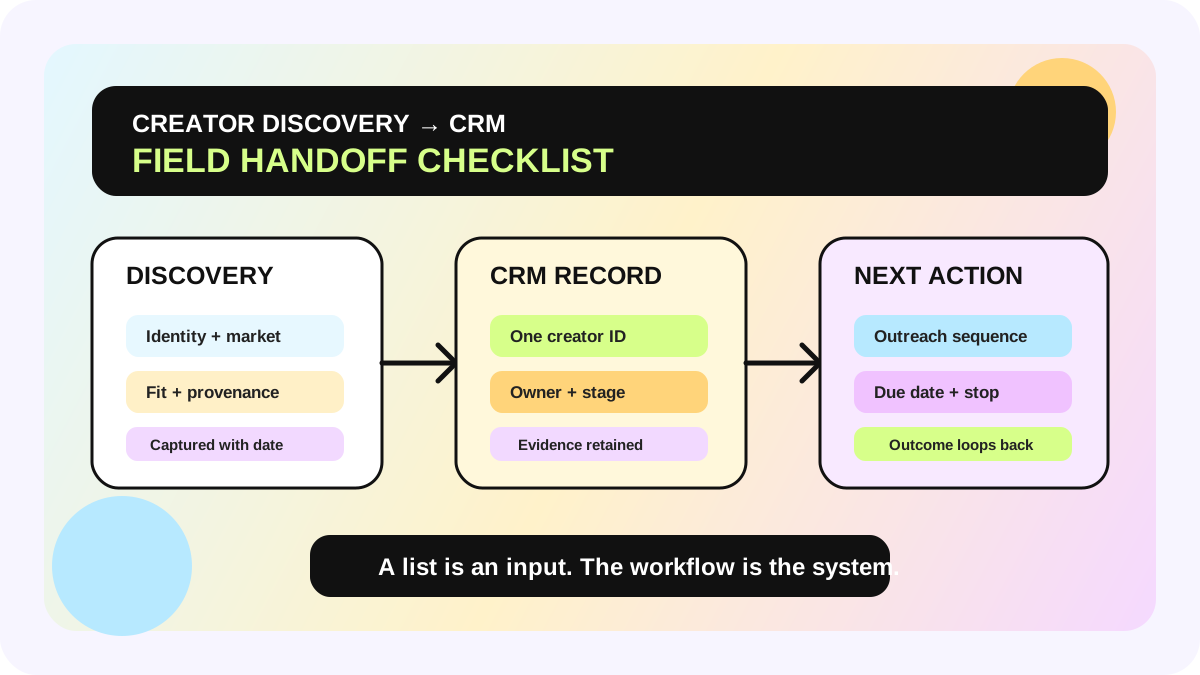
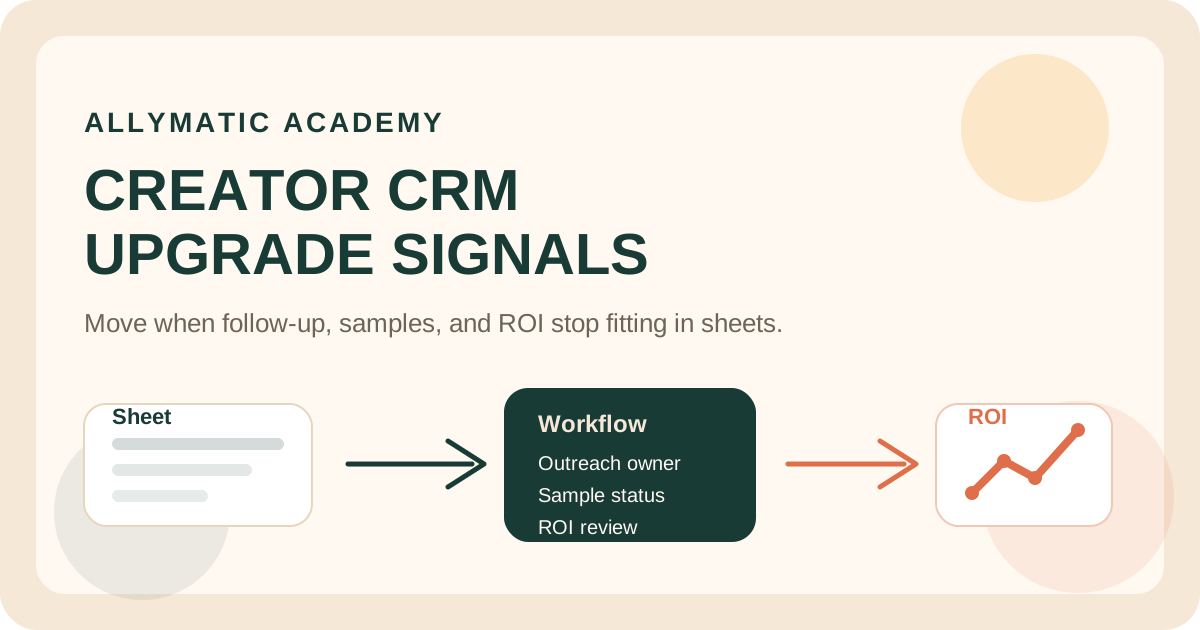
Reply rate is not the final goal. A healthy BD workflow makes personalization, offer, follow-up, brief, sample, rights, and results understandable to the next owner. Use the creator outreach workflow to record state and exit conditions so the team improves valid collaborations, not only send volume.