Samples Are No Longer Just Sent Out: TikTok Shop Is Turning Creator Seeding Into an ROI Allocation System
Many TikTok Shop teams still treat creator sampling as a manual workflow: review the creator, decide whether to approve the sample, change quotas by hand, wait for content to go live, and then calculate afterward whether the exchange was worth it.
That approach used to be workable. Since June 2026, however, TikTok Shop has been signaling something much bigger. Free samples are moving from a manual approval task into a platform-led supply system.
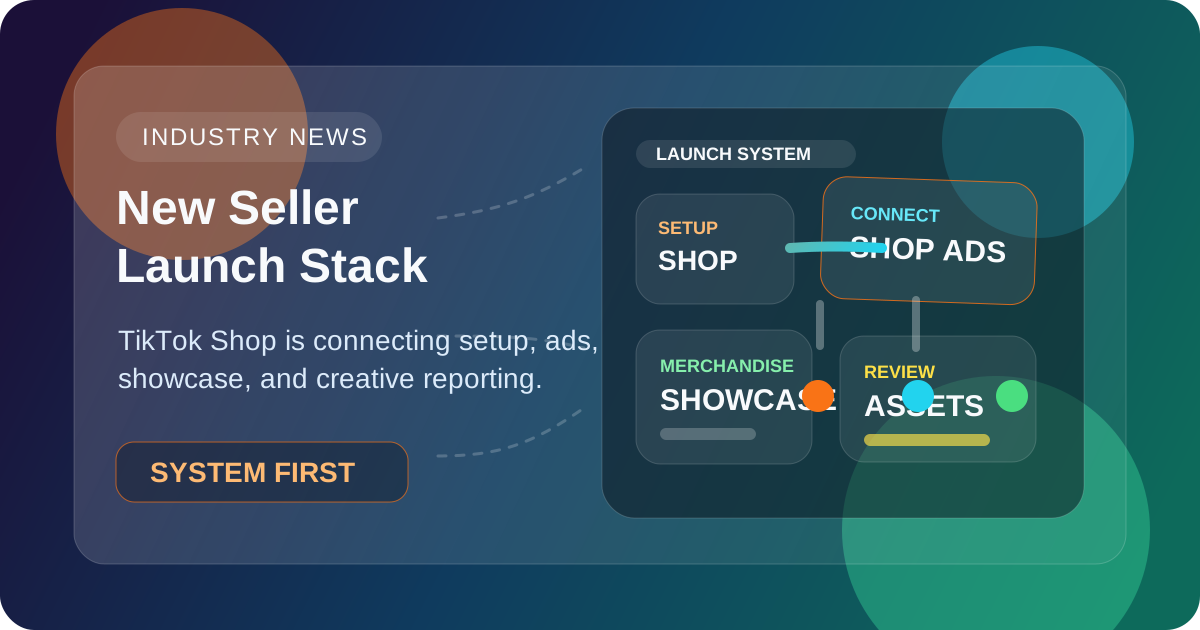
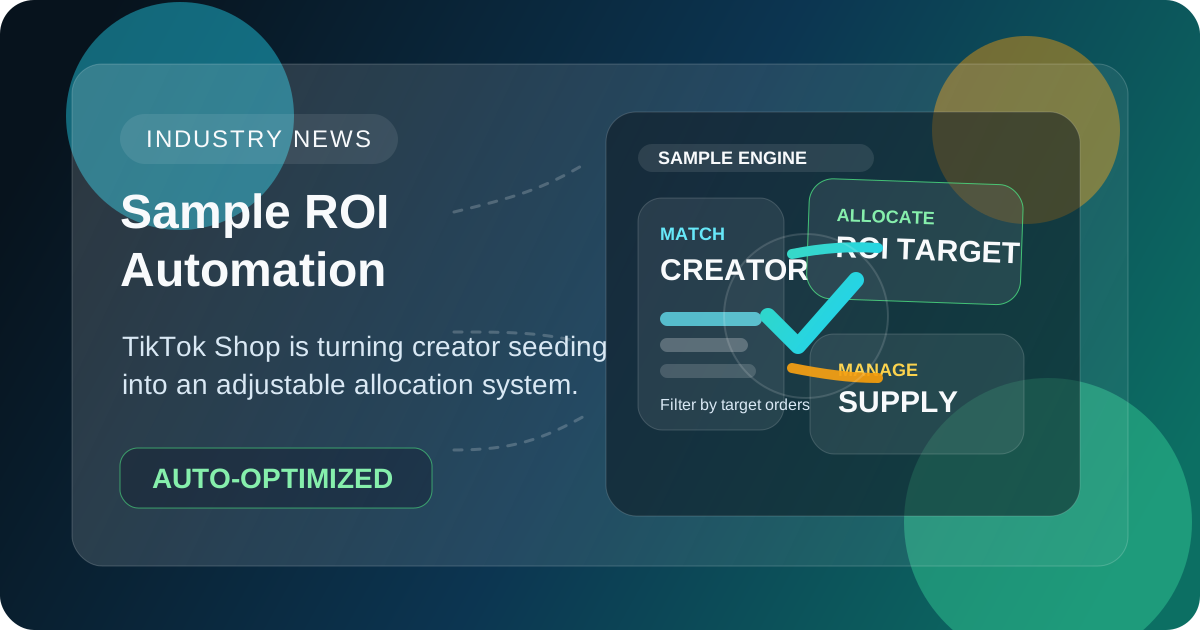
Recent guidance around Auto-optimized Samples, standard affiliate commissions, sample rules, and Creator Matchmaking points in the same direction. TikTok Shop does not want sellers spending endless time approving individual sample requests. It wants samples, creator screening, content output, and later amplification to sit inside one chain that can be adjusted by ROI.
If you only view this as another backend automation feature, the change looks small. If you connect the updates, the real shift is structural. TikTok is changing how creator supply gets organized. The strongest teams will not be the ones approving the most requests by hand. They will be the teams that split their sample strategy into an automated supply layer and a manual strategy layer much earlier.
TikTok is taking over three jobs behind the sample workflow
The most important thing about Auto-optimized Samples is not that it saves a few clicks. It is that TikTok starts managing three jobs that sellers used to manage themselves.
The first job is creator screening.
In the old model, a sample request arrived and the team had to decide whether that creator deserved approval, whether they had real sales history, and whether they were likely to fulfill. TikTok is now saying that, for eligible products, the system will match those items to creators who are more likely to reach the platform's minimum target order amount. A sample is no longer just a request waiting for human review. It enters a platform-ranked distribution pool first.
The second job is sample quota and inventory rhythm.
Many teams historically managed samples as a separate stock bucket. When operations were busy, they released more samples. When inventory tightened, they pulled back manually. TikTok now connects sample inventory to weekly product demand and manages low-stock, eligibility, and reenrollment states at the system level. That means sample cadence is no longer only a BD decision. It increasingly depends on whether the product has stable inventory coverage, fast fulfillment, and continuous sellability.
The third job is expected sample productivity.
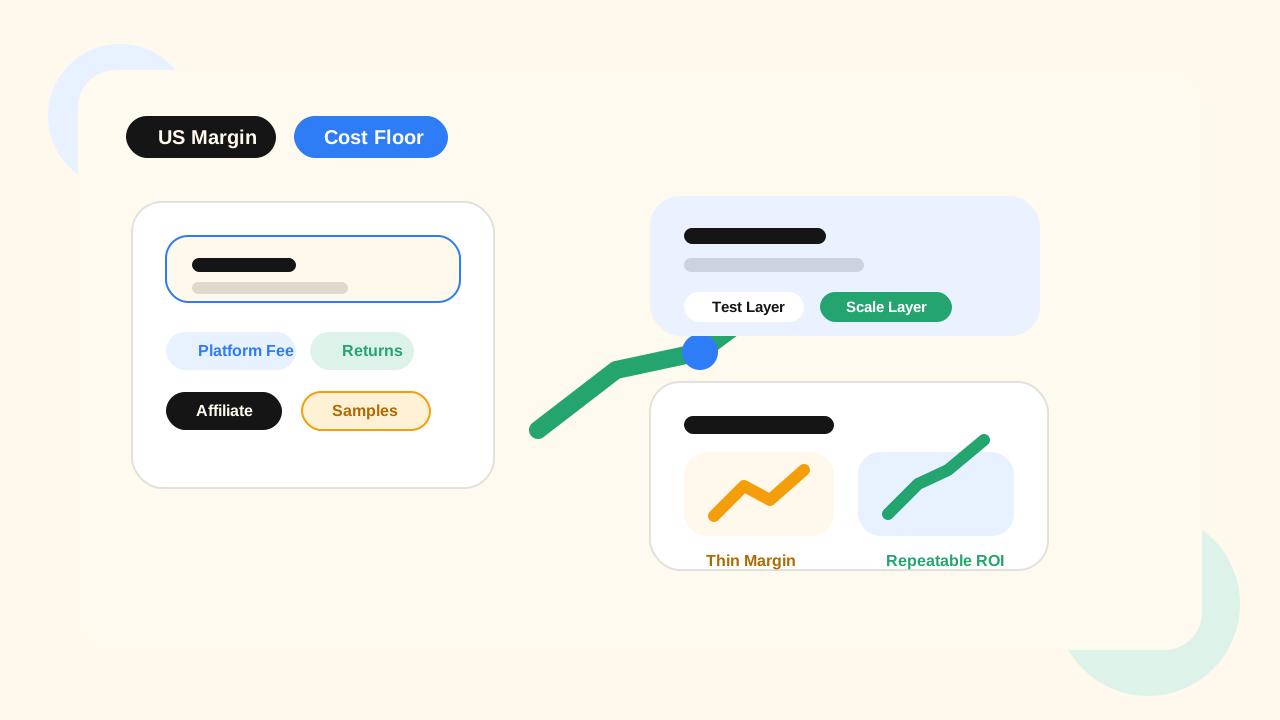
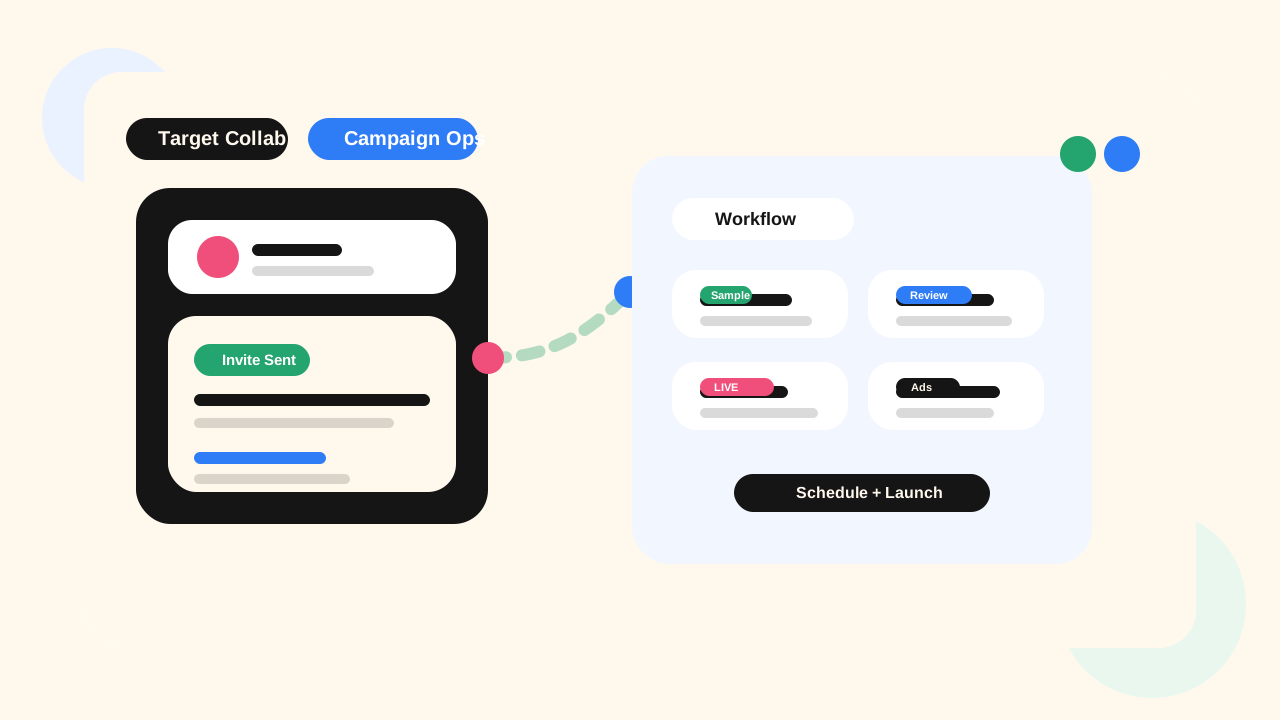
This is the part that matters most. TikTok is not only auto-approving requests. It also gives eligible products a platform-estimated ROI and lets sellers tune sample automation around a target value. Lowering the target usually means more content supply, but it can also mean lower order output per sample. In other words, the decision is no longer simply whether to approve a sample. The decision becomes how much content density you want in exchange for how much order output per sample.
That is no longer traditional sample management. It is a content supply throttle.
Samples are moving from a relationship gesture to a growth allocation tool
Many teams used to treat samples mainly as part of creator relationship building. That view is still valid, but no longer complete.
Once the platform starts screening creators by estimated ROI, controlling quotas, and auto-approving requests, the role of samples changes. A sample is no longer only the polite cost of starting a collaboration. It becomes the mechanism that decides which products deserve to be turned into creator content at scale.
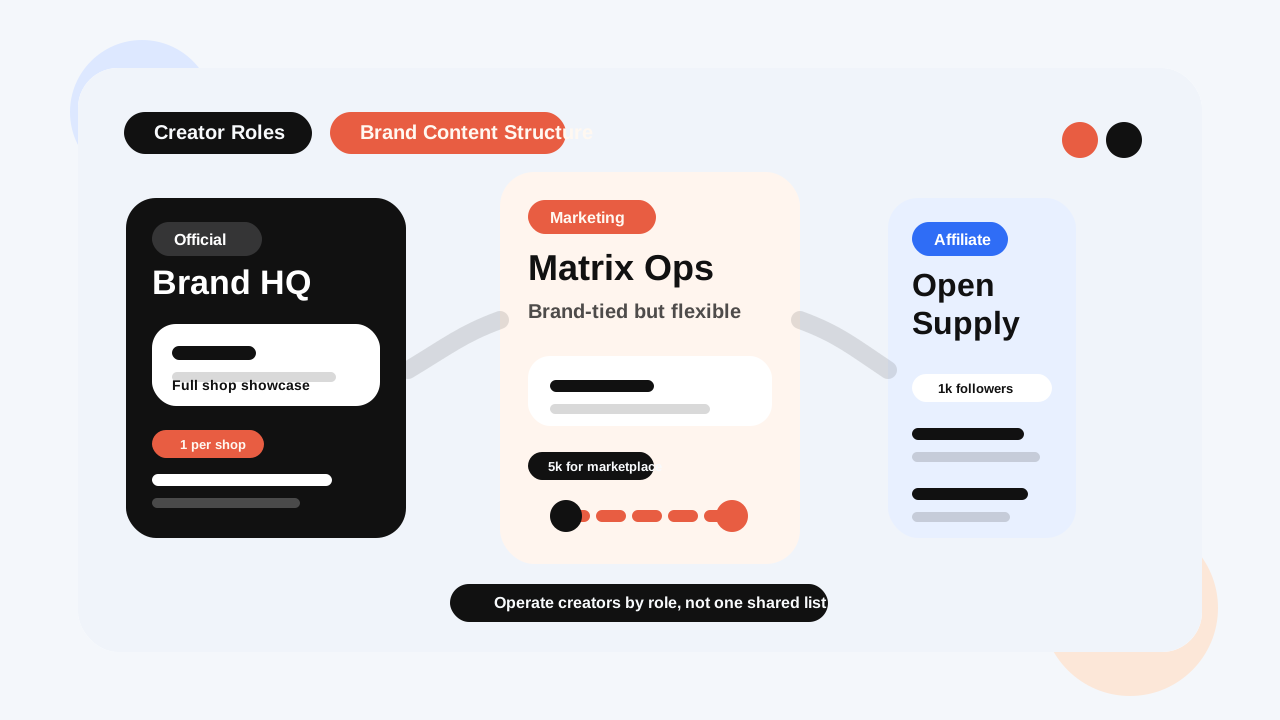
That creates a clearer operating split inside creator affiliate work.
One layer contains products that can be supplied in a standardized way. Their selling points are clear, inventory is stable, shipping is fast, and product pages are strong enough to qualify for automation. Those products fit the automated sample layer, where the goal is broader content coverage with less manual work.
The other layer contains products that still need manual operation. These may be new products, high-ticket SKUs, content angles that need strong briefs, or collaborations that must be tested with very specific creator styles. These products should stay in the manual strategy layer, where the team still decides who gets the sample, what kind of message is needed, and when the content should be published.
The real risk is mixing the two layers together. If everything stays manual, the team gets trapped inside approvals. If everything gets handed to automation, the team can lose control over the content that matters most. The real implication of TikTok's update is that sellers need to segment products first, and then decide which creator supply model belongs to each layer.
Sample efficiency will increasingly depend on product infrastructure, not just BD judgment
There is another important implication that many teams will underestimate: creator supply will become more dependent on product infrastructure.
TikTok's conditions for Auto-optimized Samples are explicit. Eligibility is not only about whether the seller wants automation. It depends on listing quality, policy compliance, inventory coverage, and delivery speed.
That means some teams will assume their sample program is underperforming because BD execution is weak, when the real problem is that the product is not ready for efficient distribution.
A weak detail page, unclear product images, thin inventory coverage, or slow shipping used to look like ordinary merchandising problems. Under the new sample model, those issues directly affect creator supply efficiency. Teams may think they have a creator shortage when what they really have is a shortage of products the platform is willing to scale confidently.
That will force a very practical org change. Creator operations, merchandising, fulfillment, and paid growth will become more tightly linked. Sampling is no longer a standalone BD step. It becomes the upstream switch that connects product readiness, content supply, and later amplification.
What brands need now is a dual-track sample system
For cross-border brands, the most valuable next move is not building a more complicated approval SOP. It is building a dual-track sample system.
The first track is the automation track.
Put stable SKUs with strong logistics, clear selling points, and already-proven conversion fundamentals into the automated workflow. Let the platform's matching and approval logic expand content coverage efficiently. The goal here is scale, not perfect control.
The second track is the strategy track.
Keep new products, critical campaigns, high-judgment creator fits, and collaborations that require tighter content direction inside manual management. The goal here is quality, brand judgment, and pacing control rather than pure volume expansion.
Only when those two tracks are separated can a team stop feeling that approval work is too heavy while high-value content still feels out of control. Automation should solve the scale problem. Humans should solve the judgment problem. Once those responsibilities are split clearly, the sample system becomes much more stable.
How allymatic reads this shift
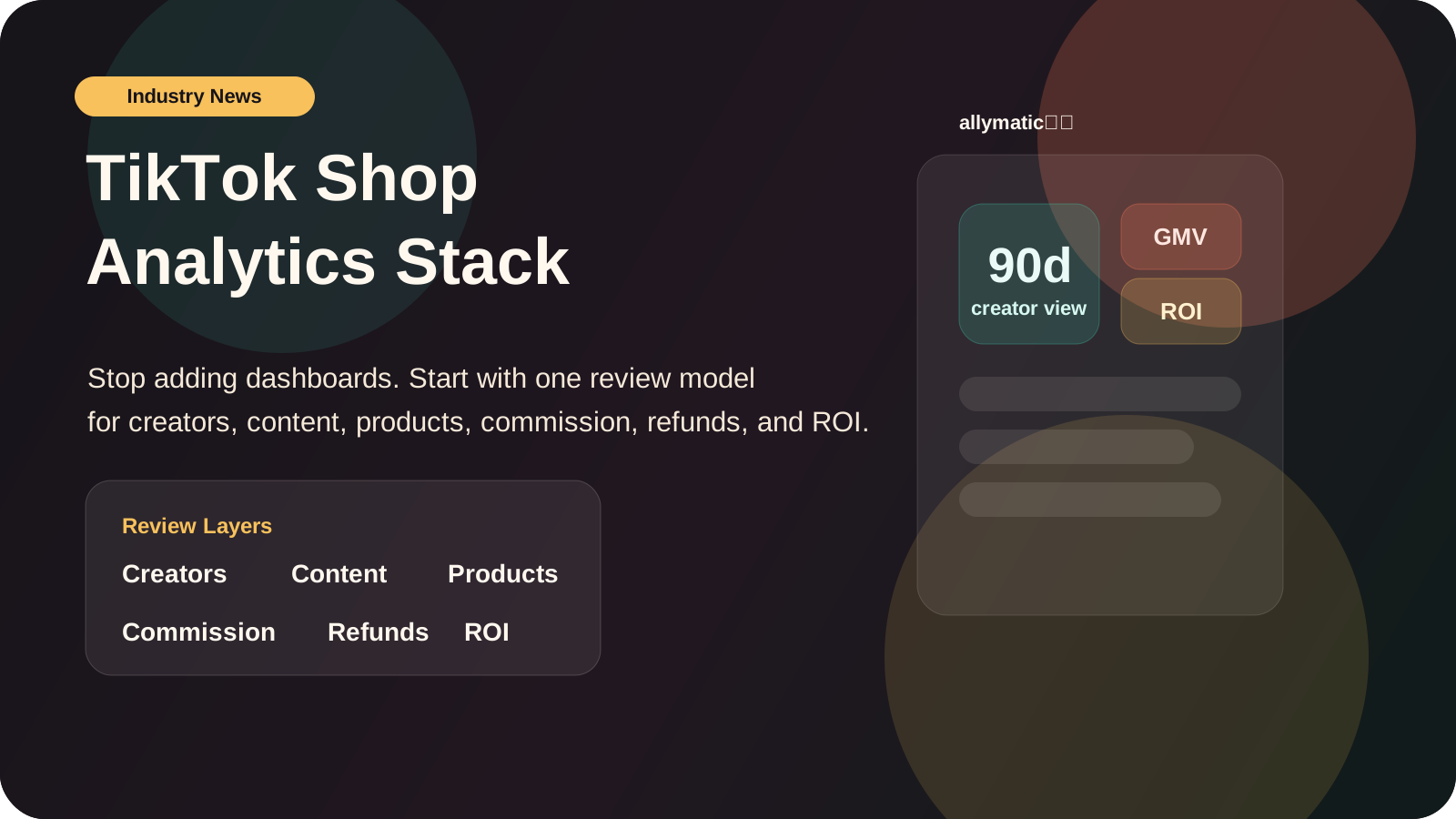
From the allymatic perspective, the biggest signal is not merely that TikTok can approve samples for you. It is that TikTok Shop is moving creator supply from contact management toward system allocation.
For years, many teams ran creator affiliate work as a labor chain of one chat thread, one approval, and one reminder at a time. TikTok is now increasingly assuming that mature products should run inside an automated operating system where sample supply, creator screening, content release, and output targets are managed together.
That does not mean human judgment disappears. It means human judgment becomes more expensive, and should therefore be reserved for the collaborations that truly require it. The real gap ahead will not be who approved the most samples each day. It will be who knows which products should be handed to the system, which products must stay under manual control, which content should maximize coverage, and which content should maximize certainty.
Once free samples start carrying ROI targets, creator affiliate management changes with them. The stronger brands will not simply be the brands sending more units out. They will be the brands that turn samples earlier into a layered, adjustable, continuously replenishing content supply system.