Commission Doesn't Reset Overnight, and Samples Can't Stay Ad Hoc: TikTok Shop Is Turning Creator Affiliate into a Scheduling Discipline
If your TikTok Shop team still treats creator affiliate as three separate reactive tasks, set a commission, send samples if needed, and rush creators again right before a campaign, the latest official updates make it clear that this workflow is getting less durable.
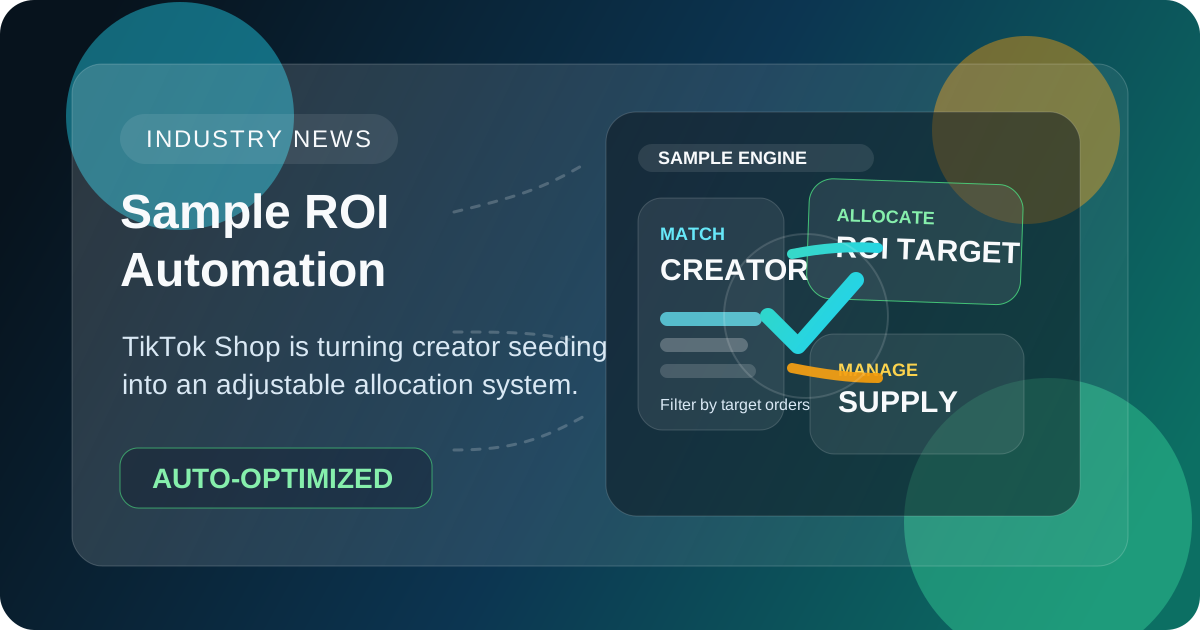
The June update to TikTok Shop's standard affiliate commission rules clarified that commission cuts do not immediately reset for creators who are already promoting a product. The updated samples guide published on June 10 also tightened the operating logic around sample types, eligibility, request limits, and content deadlines. Earlier, TikTok Shop introduced auto-approved free sample campaigns that let the platform pre-select qualified creators while sellers set sample quantities in advance instead of manually reviewing every request.
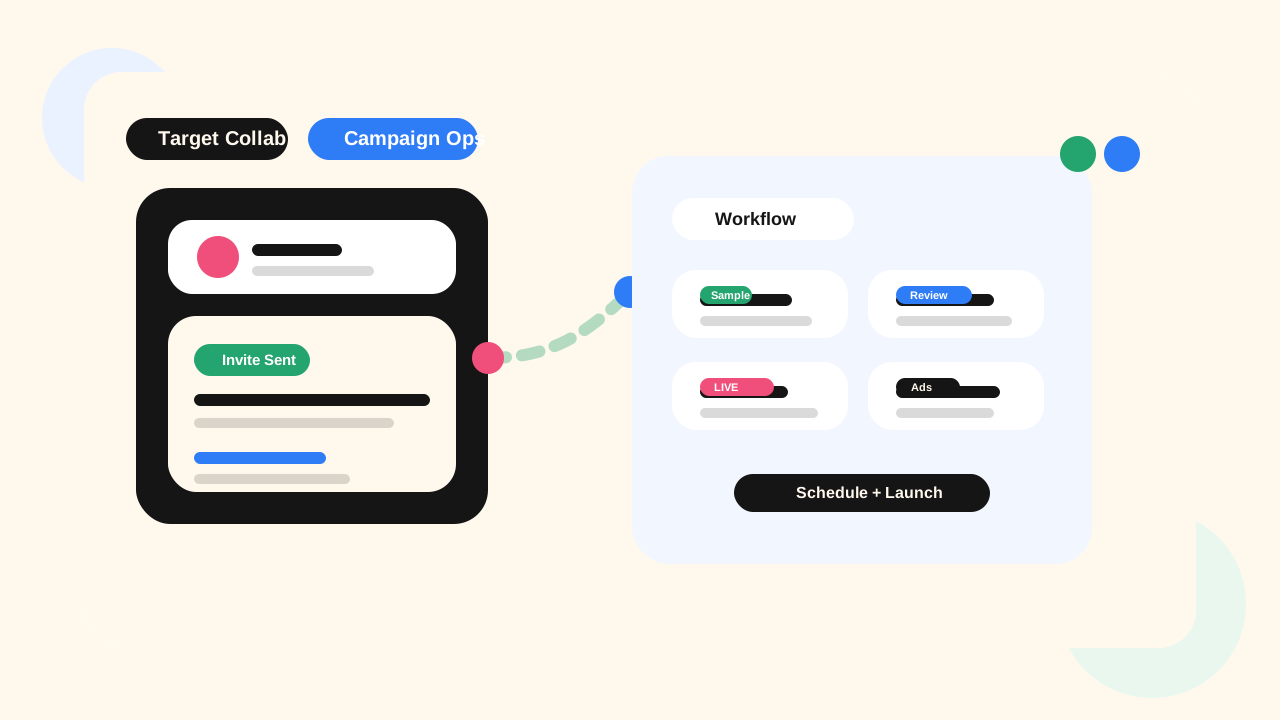
Read together, these changes point to a broader operating shift. TikTok Shop is turning creator affiliate from an ad hoc matching process into a system that requires teams to schedule commission windows, sample inventory, content deadlines, and creator throughput ahead of time.
For cross-border brands and TikTok Shop operators, the real adjustment is not deciding on the day whether to add a few more commission points. It is moving commission strategy and sample strategy into the monthly operating calendar.
Commission is no longer a same-day switch
Many teams used to treat affiliate commission like an instant control lever. If a SKU needed momentum, they raised the rate. If margin felt tight, they lowered it again. If creators had already started promoting, the assumption was often that the back-end change would quickly flow through to the new rate.
TikTok Shop is now framing that relationship differently.
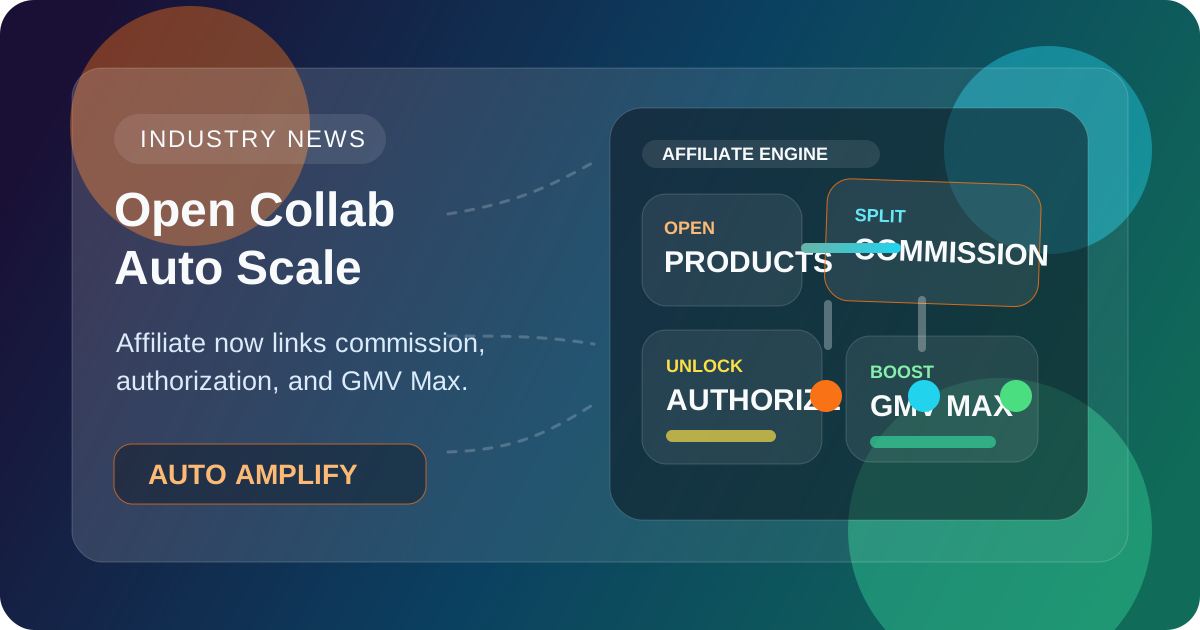
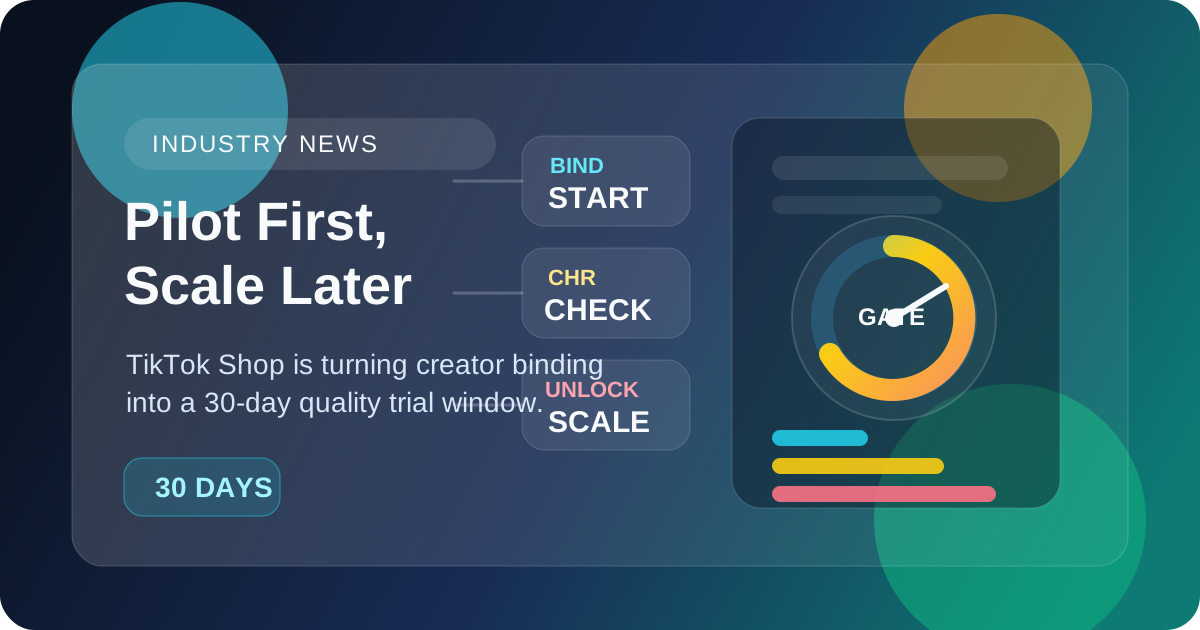
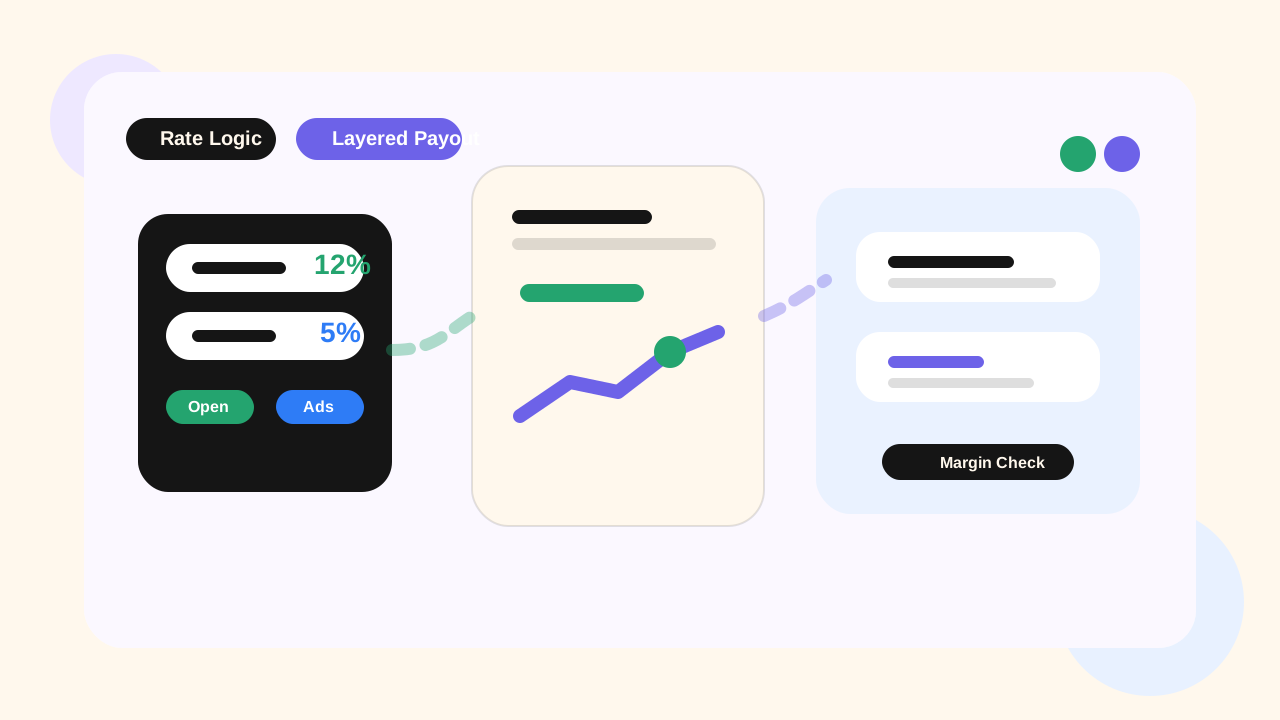
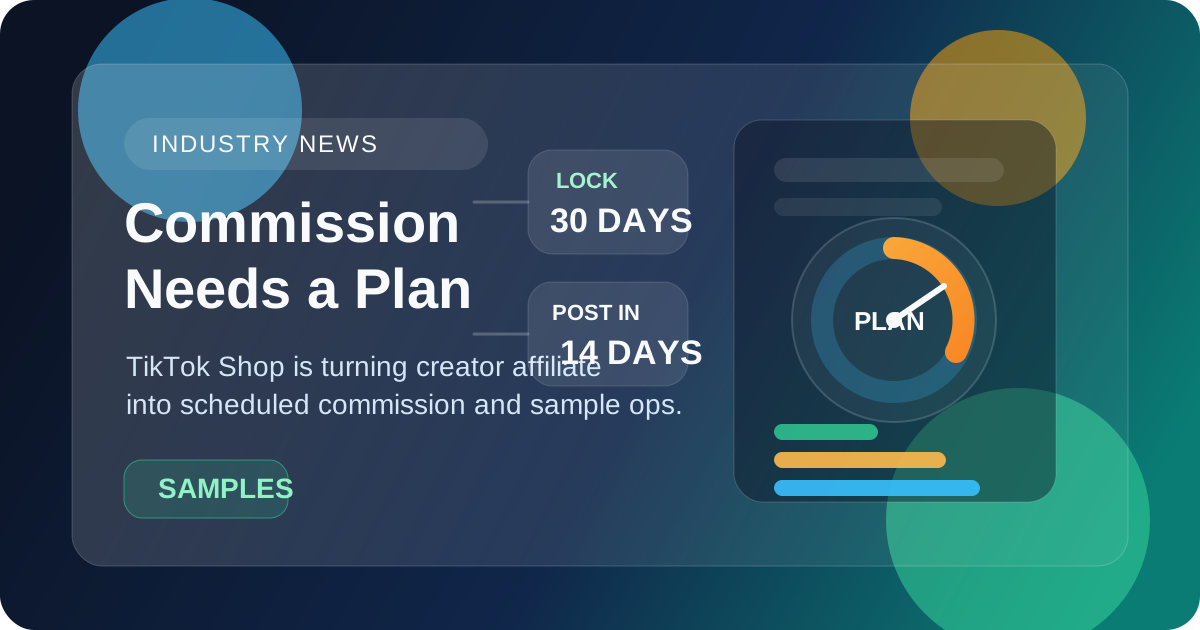
The most important rule in the updated standard commission guide is that when a seller lowers a standard commission or an Open Collaboration Shop Ads commission for a product that creators are already promoting, the lower rate does not take effect immediately for those existing promoters. A 30-day protection period applies instead. By contrast, commission increases take effect right away for creators already promoting the product. TikTok Shop also added commission history and status visibility so sellers can see which commission period is active, when edits were made, and how collaborated creators are affected.
That turns commission into more than a price setting. Once a collaboration has started, the cost window keeps running for a period of time. Sellers can add upside immediately, but they cannot pull the ladder away from active promoters on the same day.
Samples are no longer casual gifts
The sample system is also becoming much more structured than many teams assume.
TikTok Shop now separates samples into Refundable Samples and Free Samples. Refundable Samples work more like a try-before-refund path: the creator purchases the product first and gets refunded automatically, including shipping and tax, if the required sales goal is achieved within the defined window. Free Samples are provided by the seller and requested by creators or granted through targeted collaboration.
Free Samples are not an unlimited resource. The official rules now make the operating thresholds much clearer:
- creators generally need at least 5,000 followers to access sample flows,
- public free-sample access depends on having generated TikTok Shop sales within the last 120 days,
- concurrent free-sample requests are capped based on a creator's monthly GMV,
- and once a seller-provided sample is received, the creator needs to fulfill the content obligation within 14 days through either a public short video or a TikTok LIVE lasting at least 10 minutes with the product link attached.
From an operating perspective, that means samples are no longer just "send it out and see what happens." They are a content resource with qualification rules, capacity limits, and fulfillment deadlines. The sample motion itself is becoming a scheduling motion.
TikTok is reducing manual review, but only if sellers plan sample quantity first
The auto-approved free sample campaign feature makes this direction even clearer.
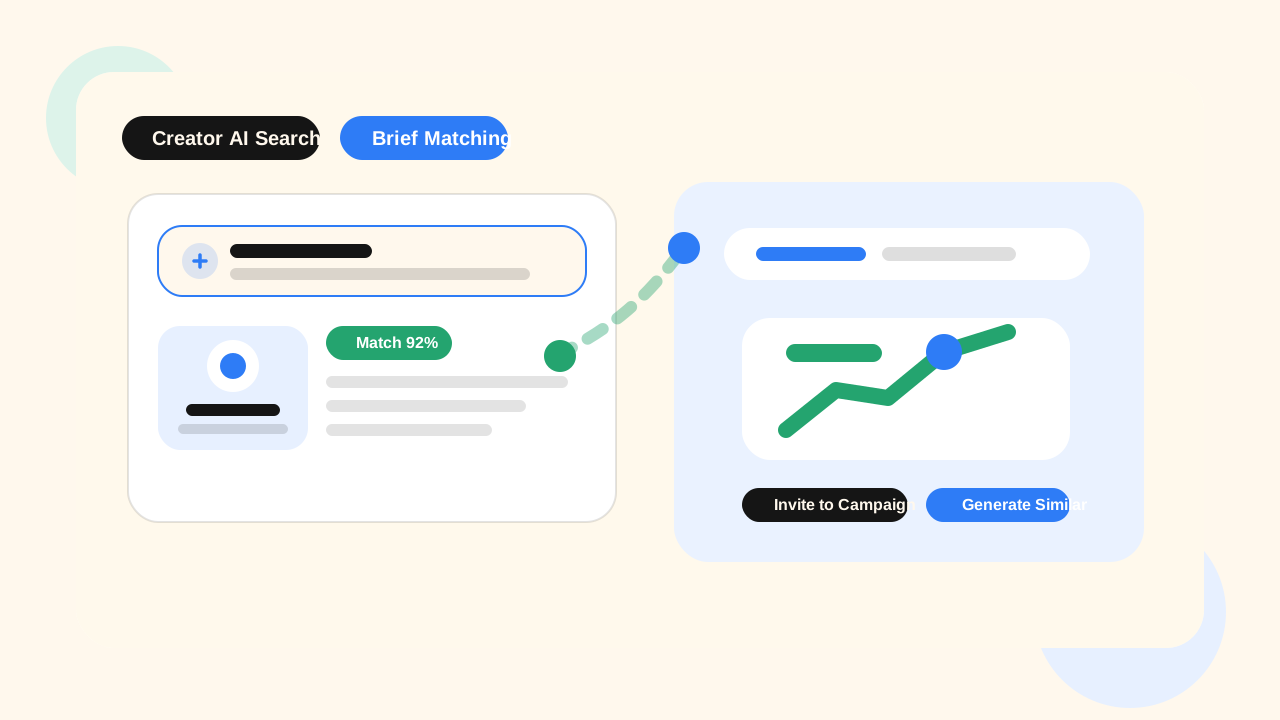
In these campaigns, TikTok Shop identifies eligible creators based on content quality and performance. Sellers do not have to manually review every request, but they do need to set the sample quantity for each product at registration. Quantities can still be adjusted before the campaign starts, but the planning work needs to happen earlier than before.
For brand teams, the implication is straightforward. TikTok is taking away some of the manual "approve or reject this creator" workload, but in exchange it expects sellers to be clearer earlier about which SKUs deserve sample allocation, how much inventory should be reserved, and what kind of content output they want from that allocation.
Many teams used to make sample decisions only after creators replied. A more resilient sequence now is to define the sample pool first, then let the right creators consume it.
Commission, samples, and content windows now need to be calculated together
Once these rules sit in the same operating sheet, TikTok Shop creator affiliate starts to look less like loose outreach and more like retail planning.
Commission now has a protected time window, which means every collaboration carries a running cost period after it begins. Samples have eligibility filters, concurrent-request limits, and 14-day fulfillment windows, which means sample quantity is effectively a content-throughput variable. Auto-approved campaigns require sample allocation to be defined up front, which means inventory and creator scale can no longer be planned separately.
That changes what teams should manage. The real question is not just how many creators were activated today. Teams should at least track four things together:
- which SKUs justify a higher commission because they can carry a 30-day cost window,
- which SKUs should rely more on free samples or refundable samples instead of a higher initial commission,
- which creator windows over the next two weeks will consume concentrated sample and inventory capacity,
- and which products may need commission cuts later, requiring the team to model the 30-day impact on partnership economics in advance.
If those decisions still live in separate chats across BD, operations, paid media, and fulfillment, the same problems repeat: commission is edited while cost is still running, samples are shipped while content lags behind, and creators arrive while the inventory window is already misaligned.
The stronger model is to treat creator affiliate like a content supply chain
From the allymatic perspective, the most important shift here is that TikTok Shop is moving creator affiliate away from relationship-only execution and toward schedule-based execution.
The stronger operating model is usually not to rush another wave of creators before every campaign moment. It is to build three layers in advance.
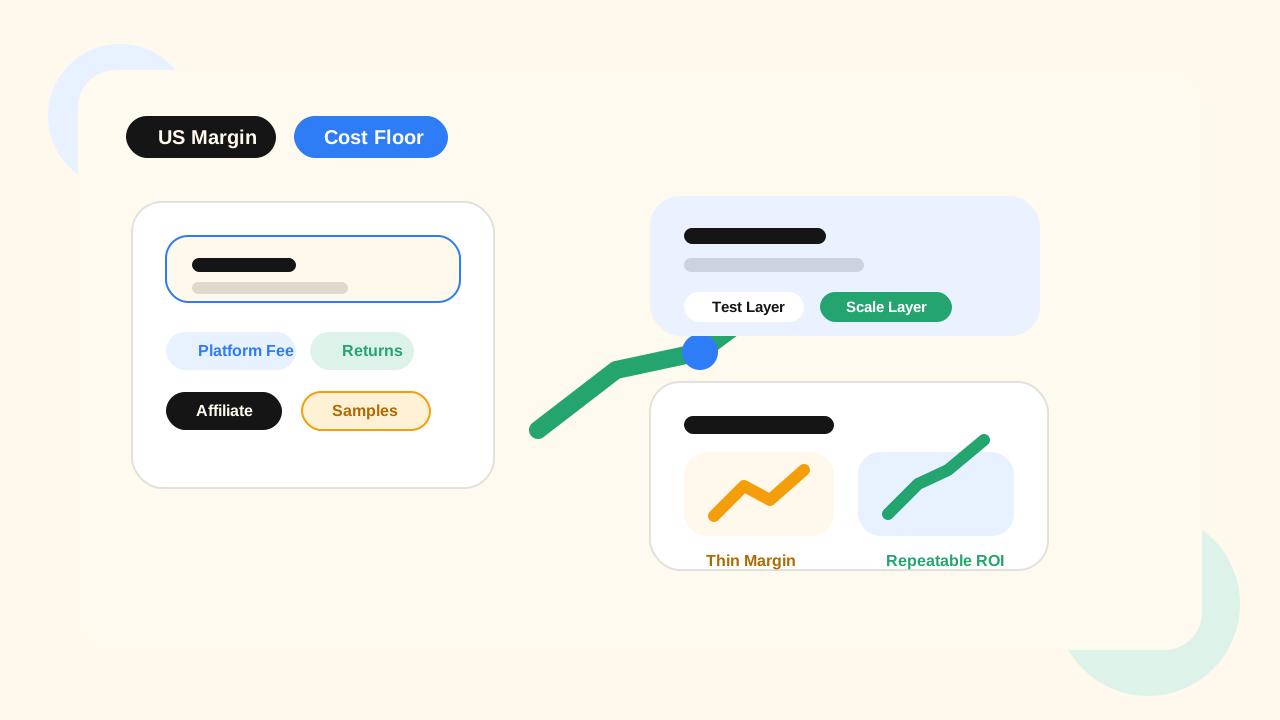
The first layer is the commission layer: which SKUs hold stable commission, which receive campaign-time commission lifts, and which products are not worth pushing even with a higher rate.
The second layer is the sample layer: which SKUs deserve free samples in exchange for content, which should be tested through refundable samples first, and which products should stop using samples to buy low-quality exposure.
The third layer is the content layer: sample arrival dates, creator commitment dates, video launch windows, and LIVE slots all need to sit on the same timeline instead of being chased at the last minute.
When commission, samples, and content windows are managed together, a team can answer a much more important question: is this creator push buying short-term orders, or is it building a durable content supply chain?
In the second half of 2026, TikTok Shop creator affiliate will likely depend less on who can find more creators first and more on who can connect commission, sample inventory, stock planning, and content timing into one stable operating system. The teams that do this earlier will be in a much better position to turn creator collaboration into repeatable growth.
Official Sources
Official Sources
Primary references used for this article.