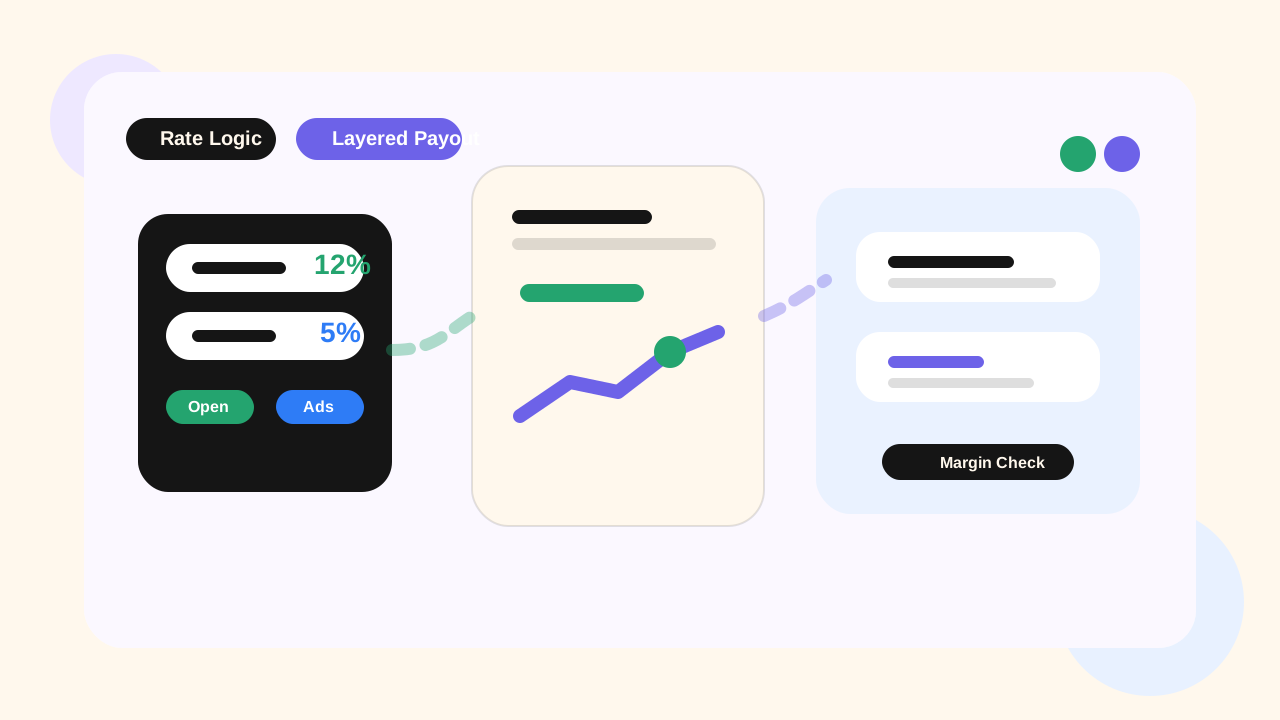
Commission Can No Longer Be One Number: TikTok Shop Affiliate Is Moving to Layered Payout Logic
If a TikTok Shop team is still setting one commission rate per SKU and treating every creator motion through that single number, the model is already getting too blunt. Open collaboration, targeted collaboration, organic creator sales, and ad-led scale do not behave the same way, even if many teams used to price them as if they did.
TikTok's recent product updates are pushing that model out.
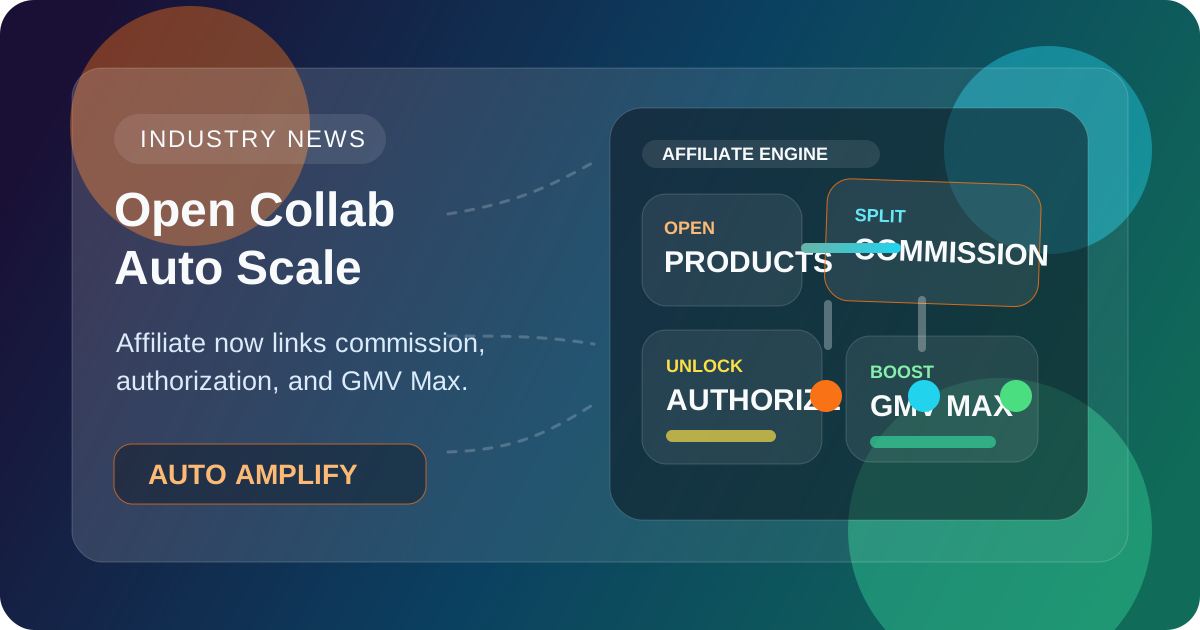
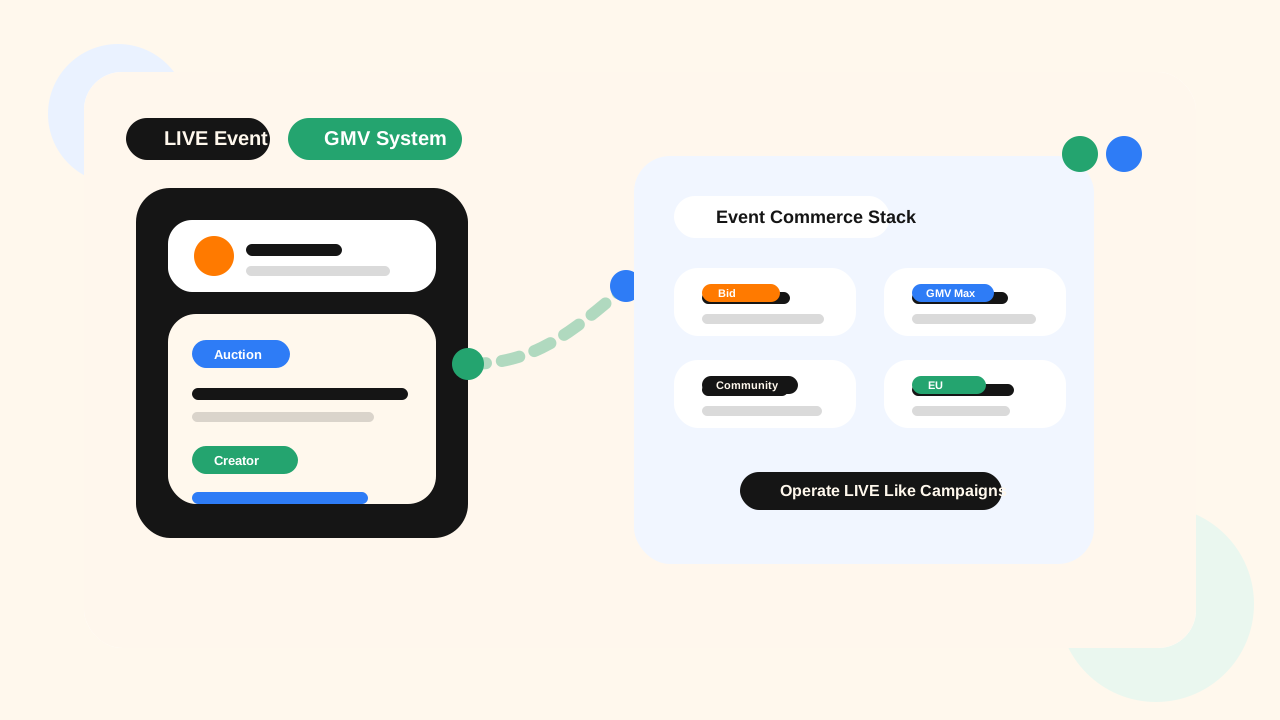
Across recent TikTok Shop and TikTok for Business updates, the platform has been making one direction increasingly clear: standard commission, Shop Ads commission, open collaboration, target collaboration, affiliate authorization, and GMV Max are no longer separate topics. TikTok is gradually turning them into one operating system.
This matters because commission is no longer just a recruiting incentive for creators. It is becoming part of how brands control content supply, paid amplification, margin structure, and ROI visibility.
In other words, affiliate commission is shifting from a “creator acquisition cost” into a “growth parameter”.
This is not a commission tweak. It is a payout-logic rewrite
The biggest shift is that TikTok now clearly supports separating organic affiliate commission from ad-driven affiliate commission.
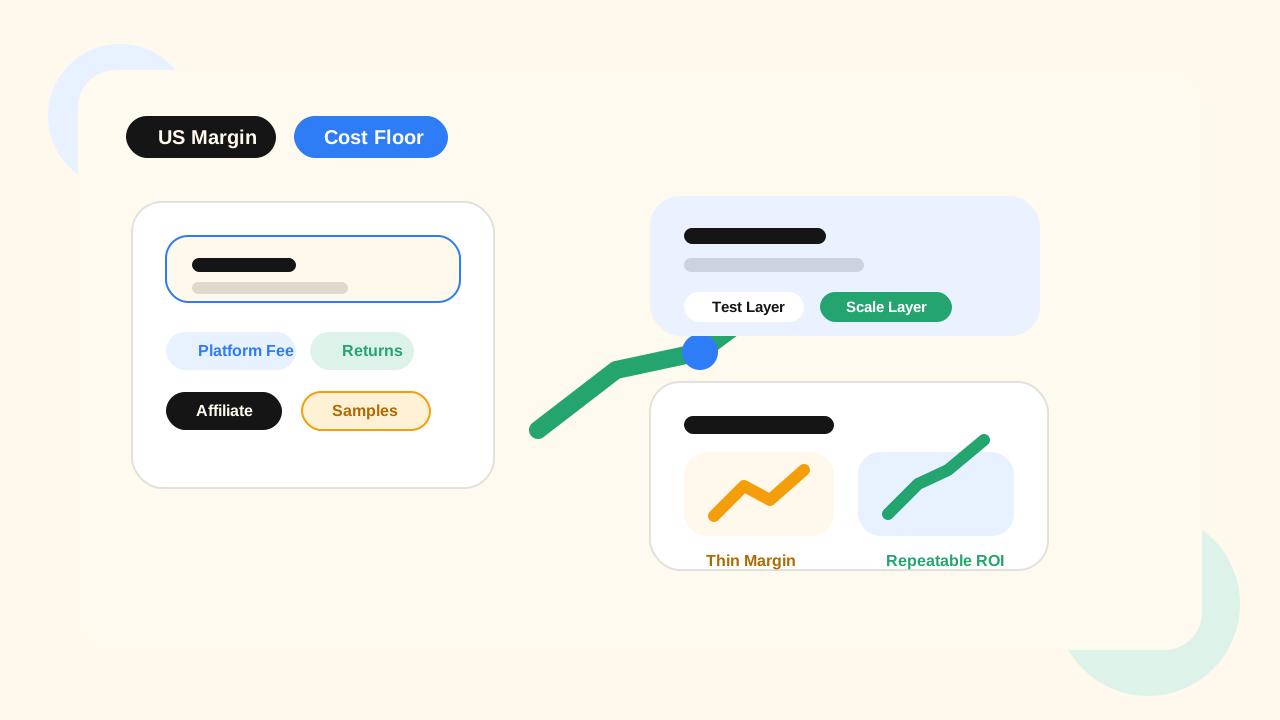
That sounds simple, but it changes the operating logic. Under the older mindset, teams often faced a constant tradeoff: if you set a higher open-plan commission, more creators were willing to showcase and create content; but once those same posts moved into Shop Ads, total cost could rise too quickly. If you lowered the rate from the start, creator participation could weaken and content volume would stall before the product had momentum.
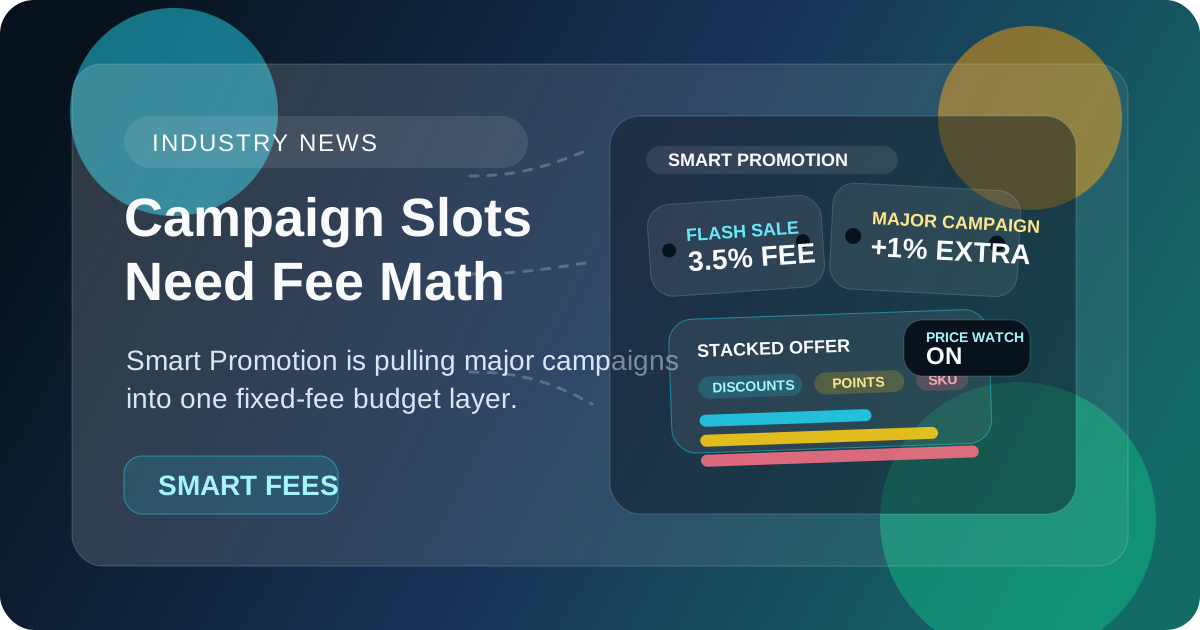
TikTok's newer setup addresses that conflict by letting sellers define a standard commission for organic affiliate sales and a separate Shop Ads commission rate for orders generated with ad support. That means the platform is no longer assuming that “getting content” and “scaling content” should be priced the same way.
This is more than a feature tweak. It is a structural change in how creator commerce is expected to run.
Why the platform is binding commission, authorization, and delivery together
If you read several official updates together instead of in isolation, the pattern becomes much clearer.
First, the Open Collaboration flow is no longer just a place to list products for creators. TikTok explicitly shows that sellers can turn on a Shop Ads commission rate within Open Collaboration and can also connect selected products into GMV Max from that same operating area. That is a strong product signal: creator collaboration and paid scaling are being designed as consecutive steps, not separate departments.
Second, TikTok is adding rules to commission structure instead of leaving everything fully manual. In Open Collaboration, the minimum Shop Ads commission rate is tied to the standard commission rate in most regions. The logic is obvious. TikTok does not want brands to use a high organic rate to attract creator supply while pushing the ad-stage creator economics too low. The platform is effectively forcing merchants to think earlier about how creator incentives should work across both organic and paid distribution.
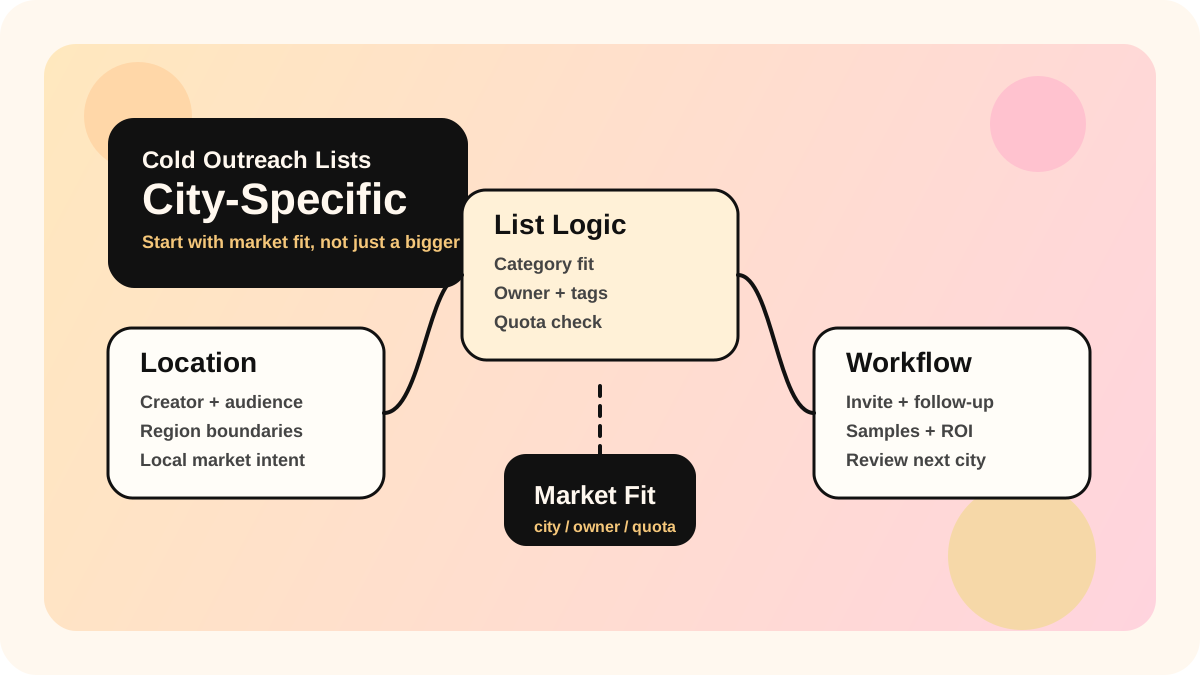
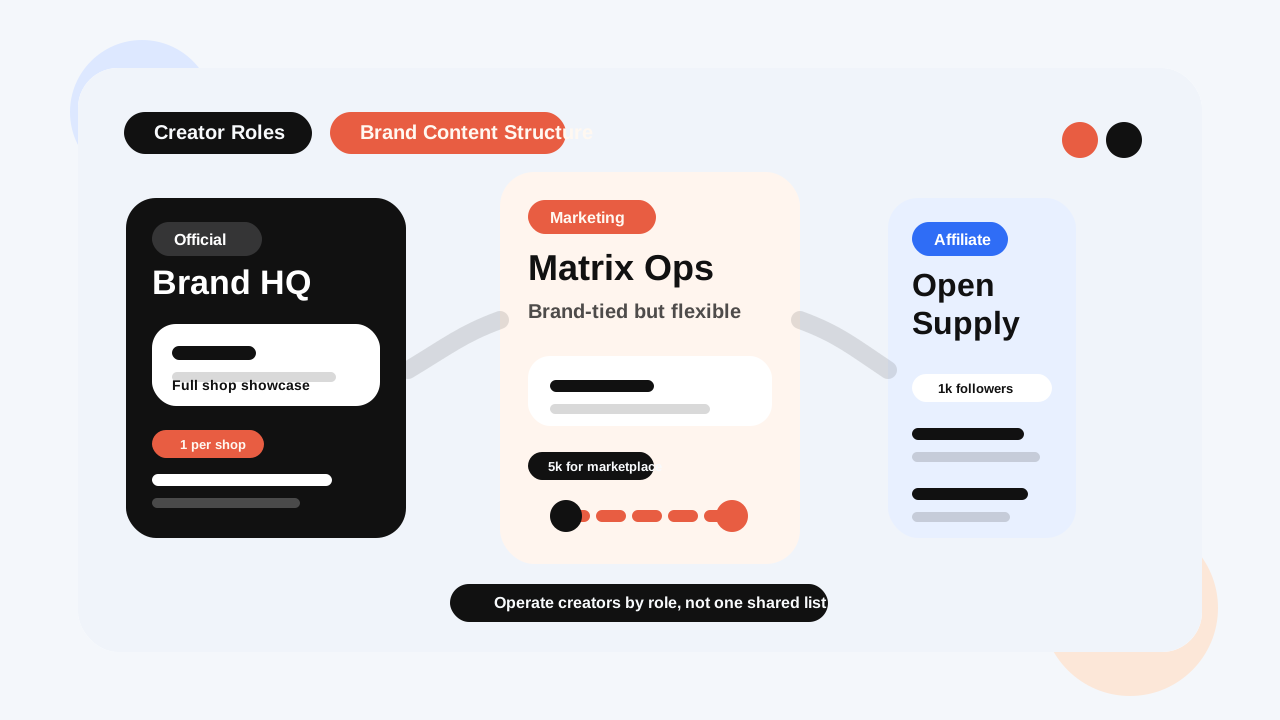
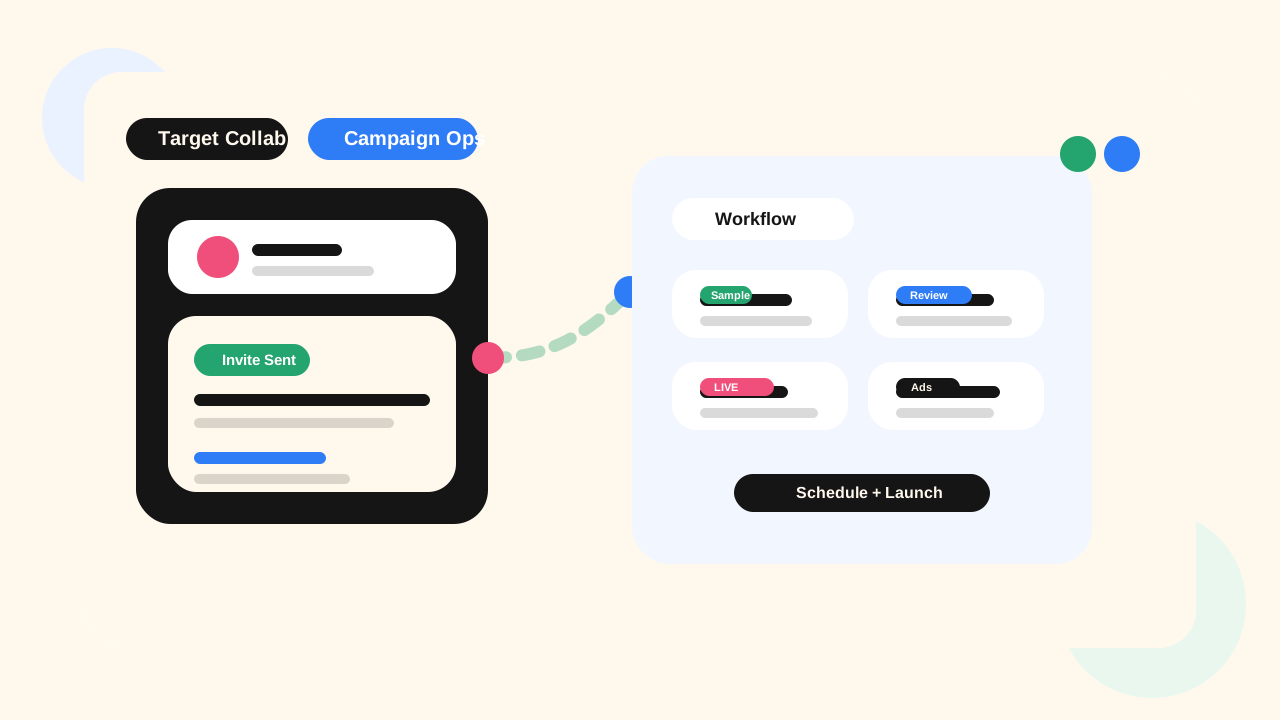
Third, Open Collaboration and Target Collaboration are being positioned as different layers, not interchangeable plans. TikTok states that if a product is set up in both, the Target Collaboration rate overrides the Open Collaboration rate. That means the platform expects seller teams to run creator tiers: public plans for broader supply and discovery, targeted plans for priority creators, priority content, and higher-conviction relationships.
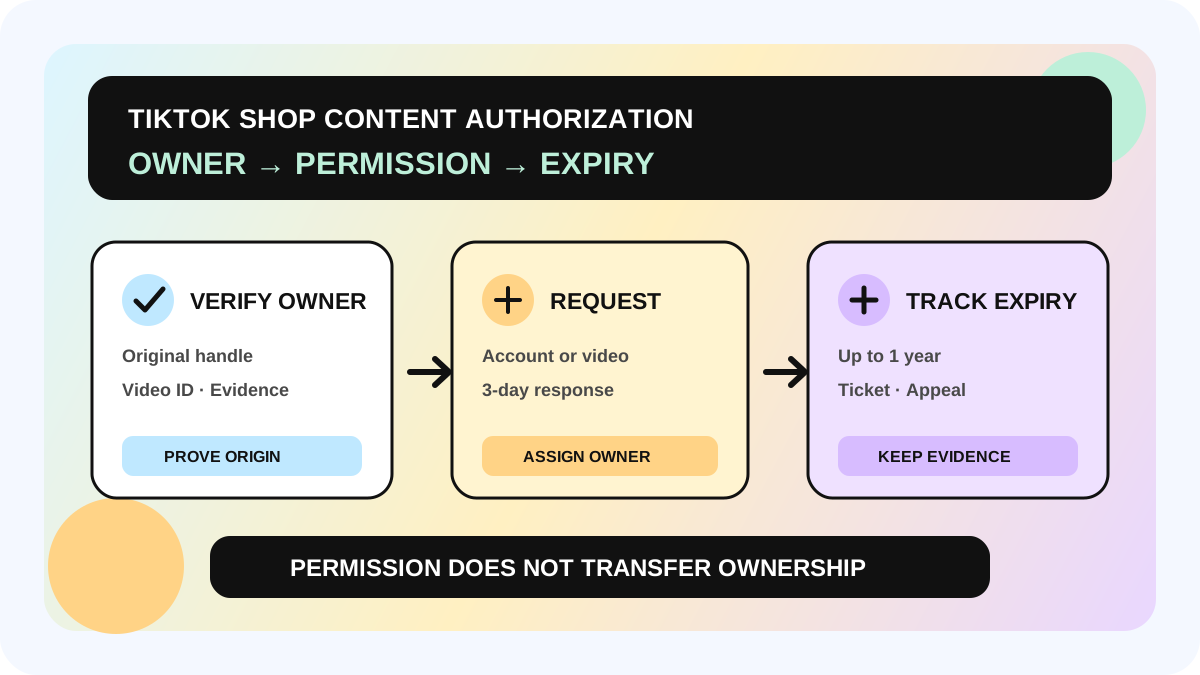
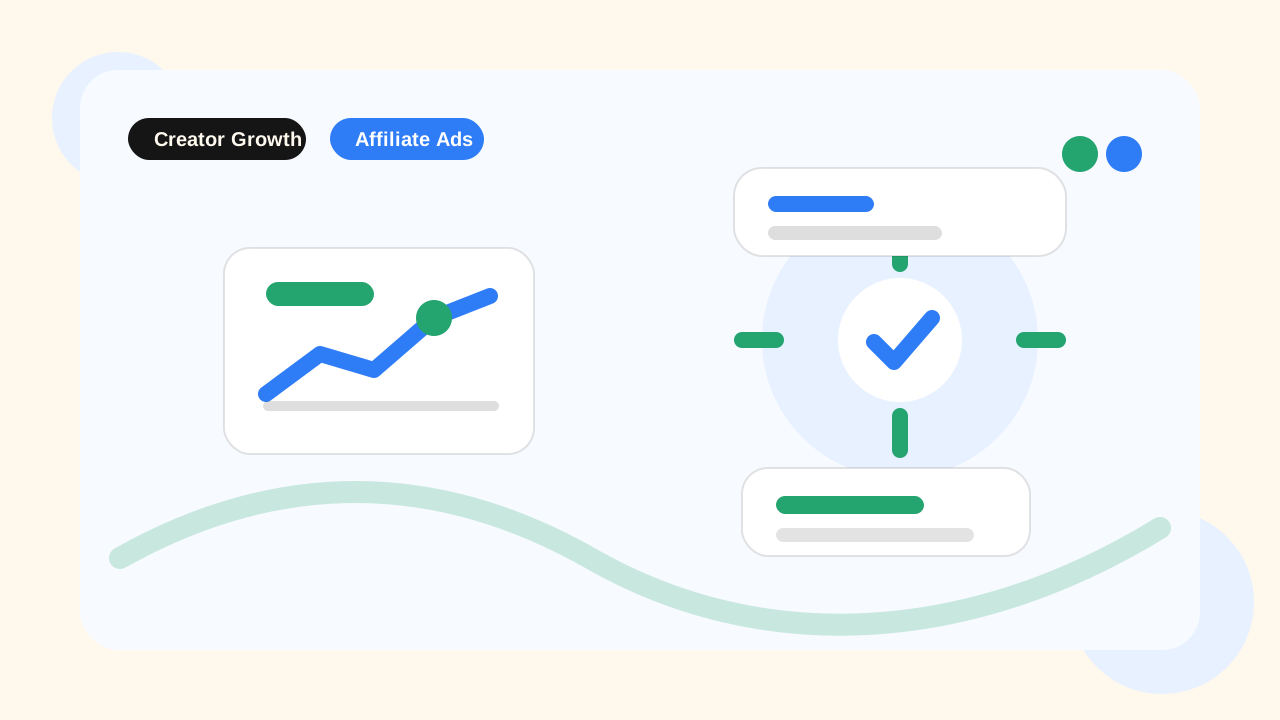
Fourth, commission logic is now tied much more tightly to authorization logic. TikTok's official explanation of affiliate creative commission makes this explicit: ad-driven GMV only enters the affiliate ad-commission logic when affiliate posts are actually used in ads. If a creator turns off authorization, or if the affiliate collaboration ends, the ads using those affiliate posts can be paused automatically. Authorization status, collaboration status, and ad delivery status are no longer separate back-office records. They now affect one another directly.
Split the margin logic first, then split creator tiers
Many teams will read these updates and reduce the story to one question: can we lower ad commission?
That is the wrong frame.
The deeper change is that TikTok is pushing sellers to manage different growth scenarios for the same SKU separately.
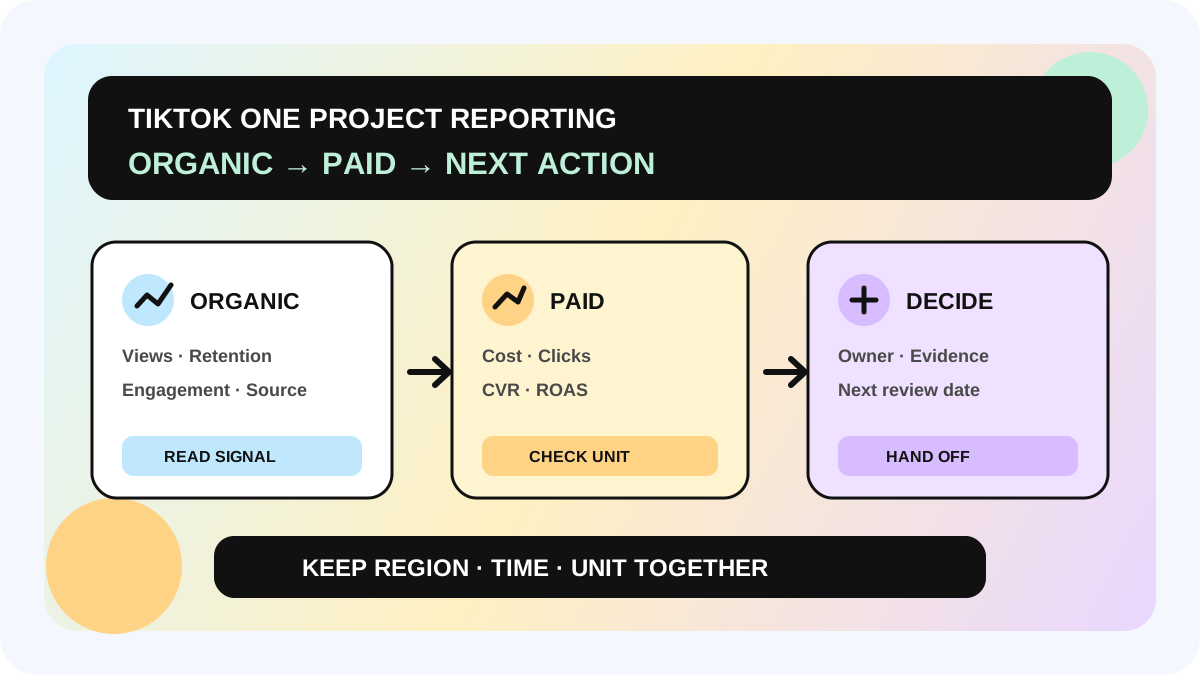
One product may use Open Collaboration mainly to create more creator participation and broader organic content volume. A Target Collaboration may be used to secure specific creators and stronger hero assets. A Shop Ads commission rate may be used to protect paid-unit economics once content enters scaling. GMV Max then pulls ads, affiliate traffic, organic content, commissions, and platform fees into a more complete performance lens.
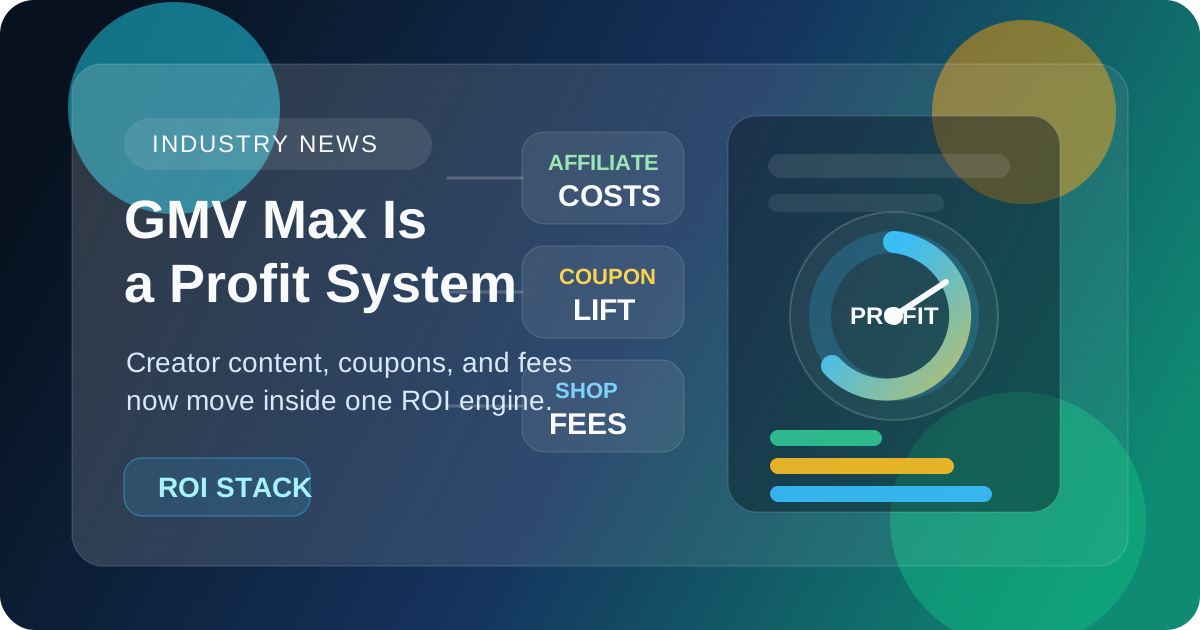
TikTok's May 13, 2026 GMV Max update makes this direction even clearer. The company said its newer ROI logic in testing starts accounting for operational costs that affect the bottom line, including affiliate costs, coupons, and platform fees, not just media spend. Once the platform itself starts modeling creator-related cost inside ROI, commission can no longer be treated as an isolated BD setting.
By 2026, the better question is no longer “what commission rate gets creators to accept the product?” It is:
- Which products need a stronger standard commission to increase creator content supply quickly?
- Which products should carry a separate lower ad commission so scaling can still preserve margin?
- Which creators should stay in open pools, and which should move into targeted collaboration with tighter control?
- Which posts should be treated from day one as assets that may later enter ads, GMV Max, or broader budget decisions?
Once those questions are separated properly, commission becomes an operating lever instead of a rough percentage filled in at the start.
A direct warning for creator ops and paid teams
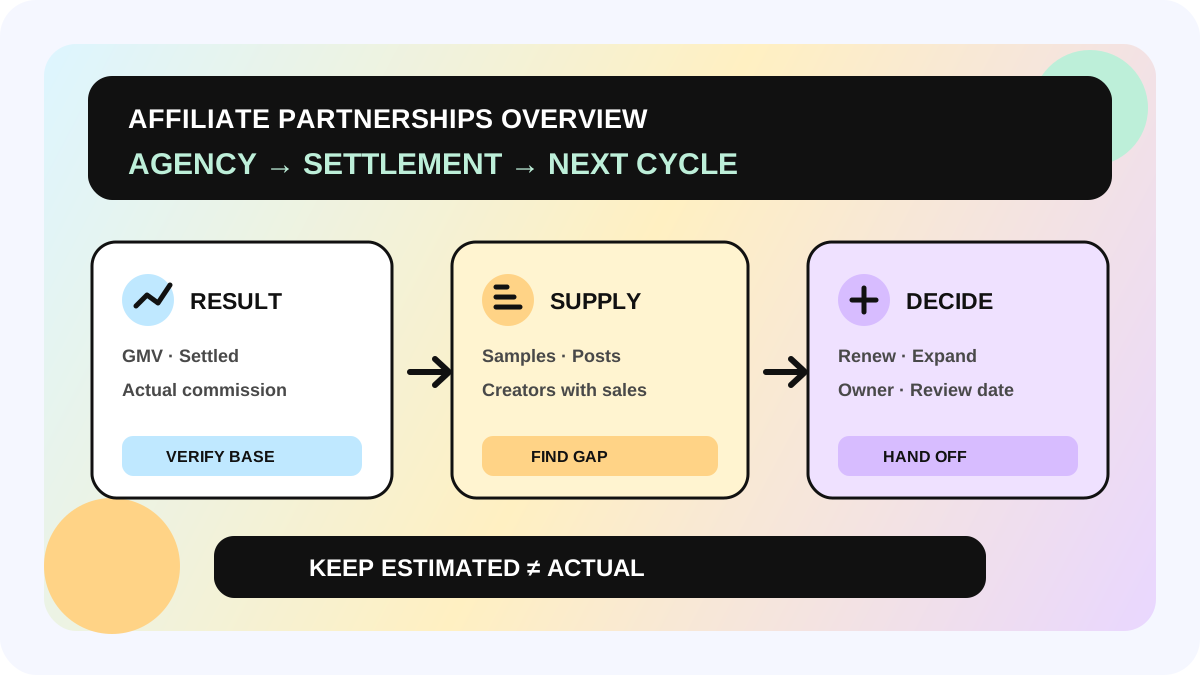
In many organizations, creator teams handle outreach, samples, and publishing follow-up. Paid media teams only step in after content already exists. Finance or management reviews profit later. That workflow can survive at small scale, but it breaks down quickly once creator volume, SKU volume, and paid reuse all increase together.
TikTok is steadily connecting standard commission, Shop Ads commission, authorization, GMV Max, savings visibility, and finance records into a tighter operating loop. If the platform is integrated while the internal team is fragmented, the brand will become the slowest part of its own growth system.
The real upgrade is not just the percentage itself. It is the management model behind it:
- Creator operators need to know which SKUs are meant mainly for organic seeding and which are expected to feed paid scaling later.
- Paid teams need to know which posts came from affiliate collaborations, which authorizations remain active, and which collaborations could stop ads if they expire.
- Managers need one shared view of commission setup, sample progress, content output, ad spend, and GMV attribution instead of stitching multiple spreadsheets together after the fact.
This is where the competitive gap will widen. The teams that keep commission as a one-field setting will keep reacting. The teams that treat commission as part of a layered operating workflow will scale faster with more control.
How allymatic reads this signal
From allymatic's perspective, the most important part of this shift is not a specific rate. It is that TikTok Shop is making creator-affiliate cost more programmable.
Commission is getting layered. Authorization is getting linked to delivery. Ad and affiliate performance are getting clearer attribution rules. GMV Max is moving toward a fuller business-cost view. Put together, those changes point in one direction: creator affiliate can no longer scale reliably through one flat rate and manual judgment alone.
The stronger teams in the next phase will not necessarily be the ones paying the highest commission. They will be the teams that can place Open Collaboration, Target Collaboration, samples, authorization, ad scaling, and profitability goals into the same operating workflow.
On TikTok Shop, affiliate commission is no longer just a front-end incentive button. It is becoming a back-end growth control system.