GMV Max Is No Longer Just an Ads Button: TikTok Shop Is Pulling Creator Content, Coupons, and Platform Fees into One Profit System
If your team still sees GMV Max as little more than an ad automation feature, TikTok's official updates across May and June 2026 make it clear that the role of the product is expanding.
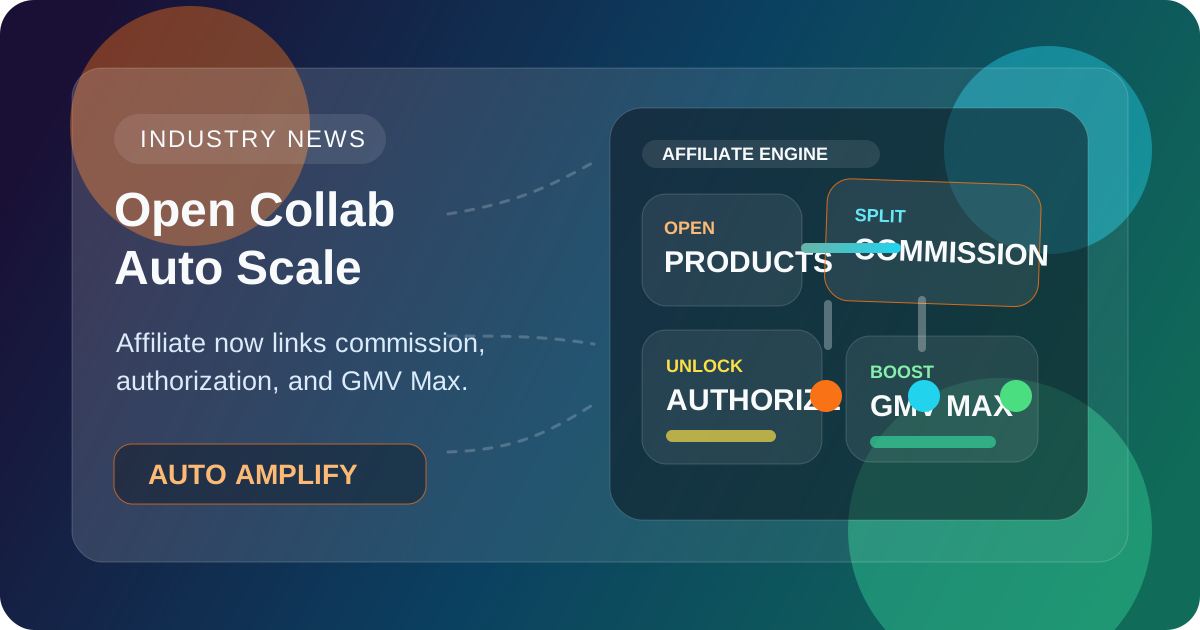
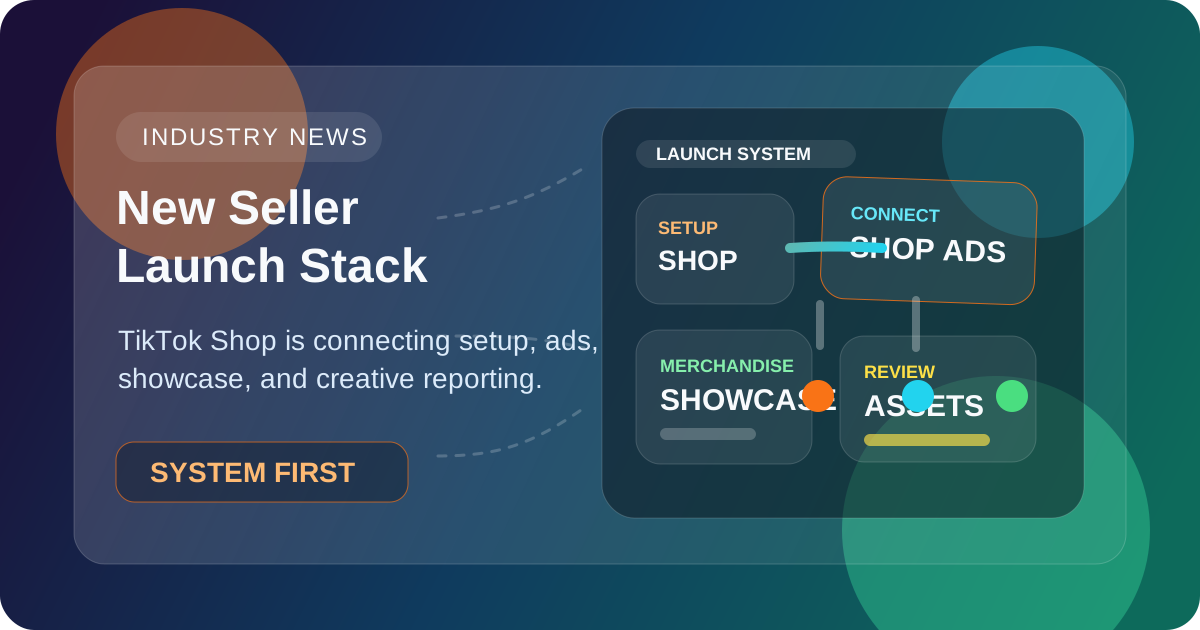
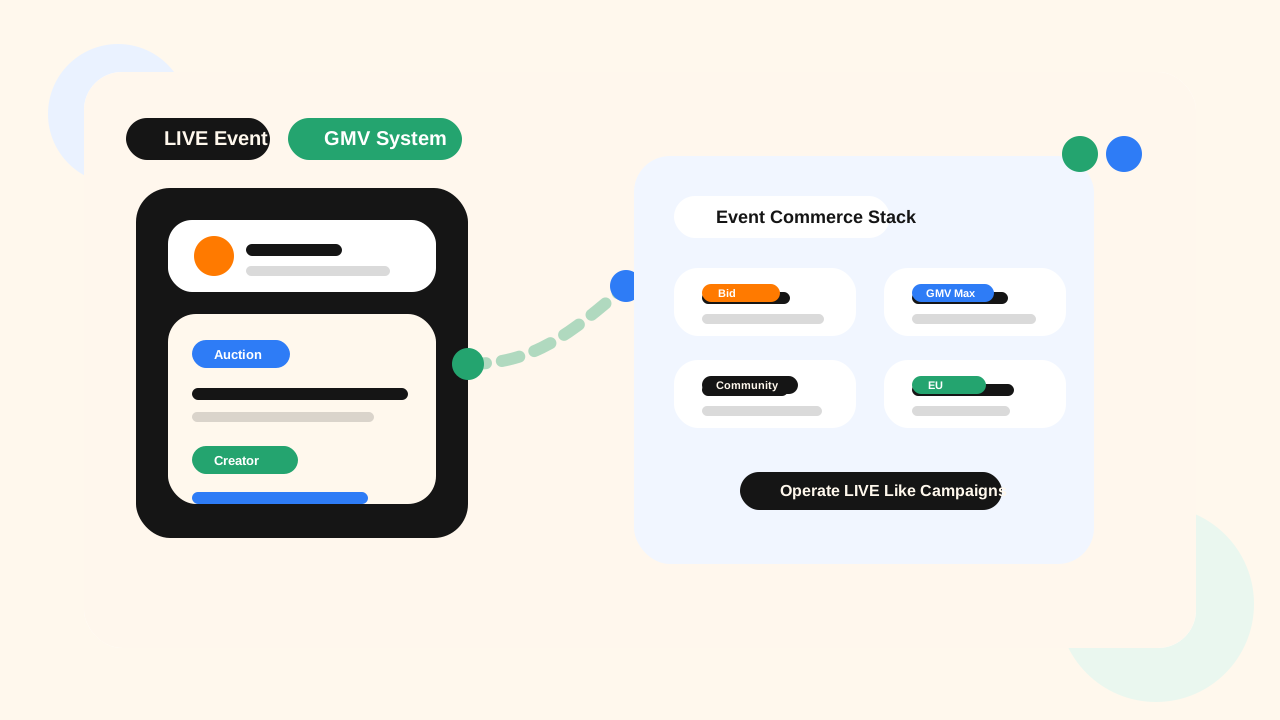
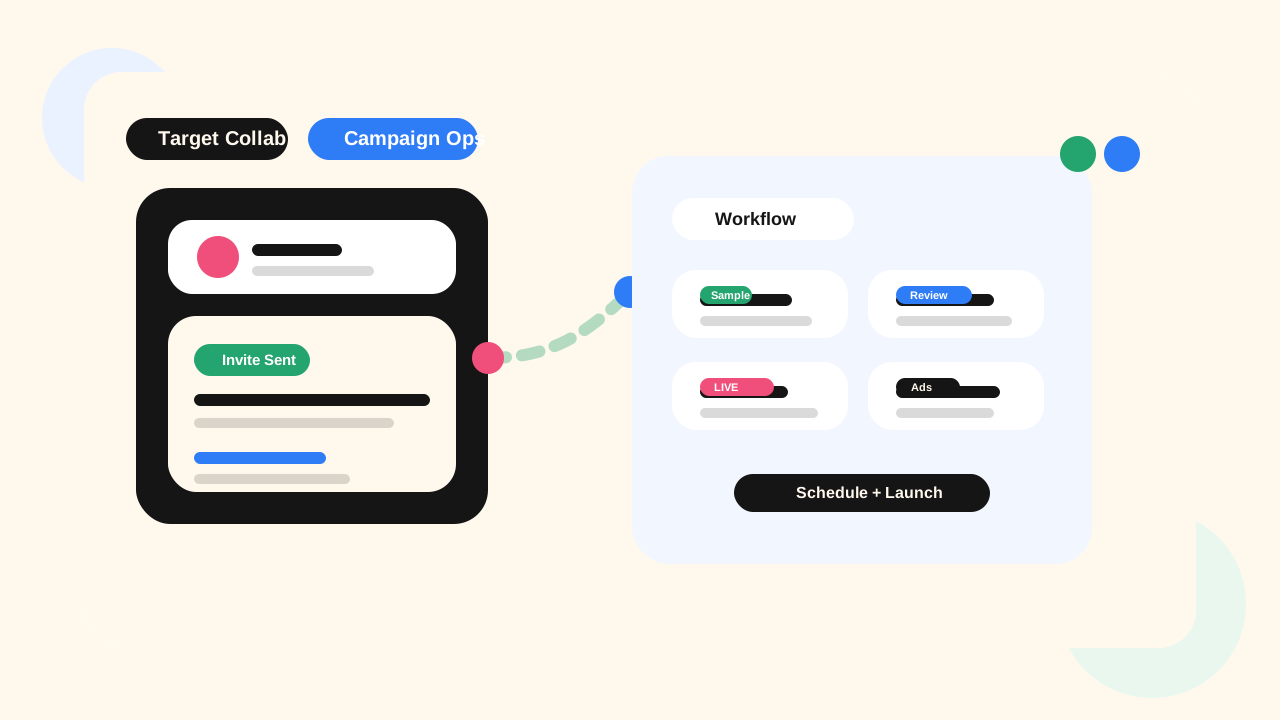
At TikTok World 2026, TikTok introduced new GMV Max Pro features that start factoring affiliate costs, coupons, and platform fees into profit optimization. Around the same time, updated help-center documentation clarified the creative sources, authorization paths, Seller Center reporting views, and account permissions behind Product GMV Max. Taken together, the shift is bigger than "making ads easier." TikTok Shop is moving creator content, shop assets, coupons, platform fees, and paid spend into one operating system.
For cross-border brands and TikTok Shop teams, that matters because the next advantage may not come from simply spending more efficiently. It may come from whether the team can manage creator collaboration, content authorization, product margin, and ad budget inside the same decision loop.
GMV Max is starting to optimize more than ad spend
Many teams used to think about Shop Ads in a narrow way: do we have enough creative, is the budget acceptable, and can the campaign keep hitting the required return?
TikTok is now describing GMV Max in a broader language.
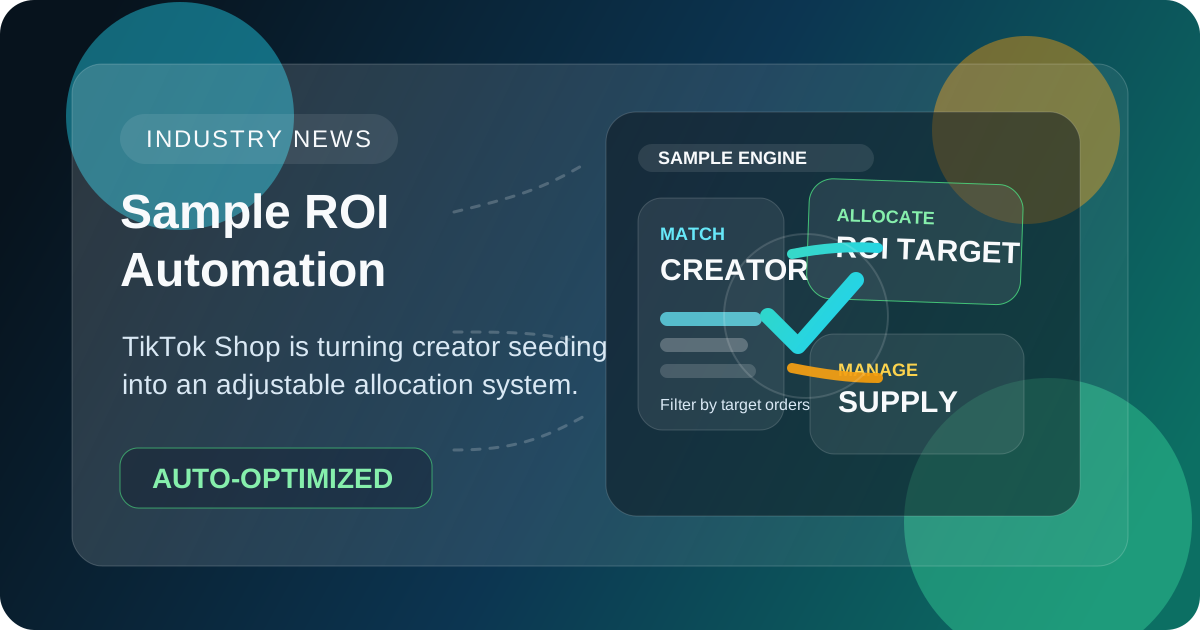
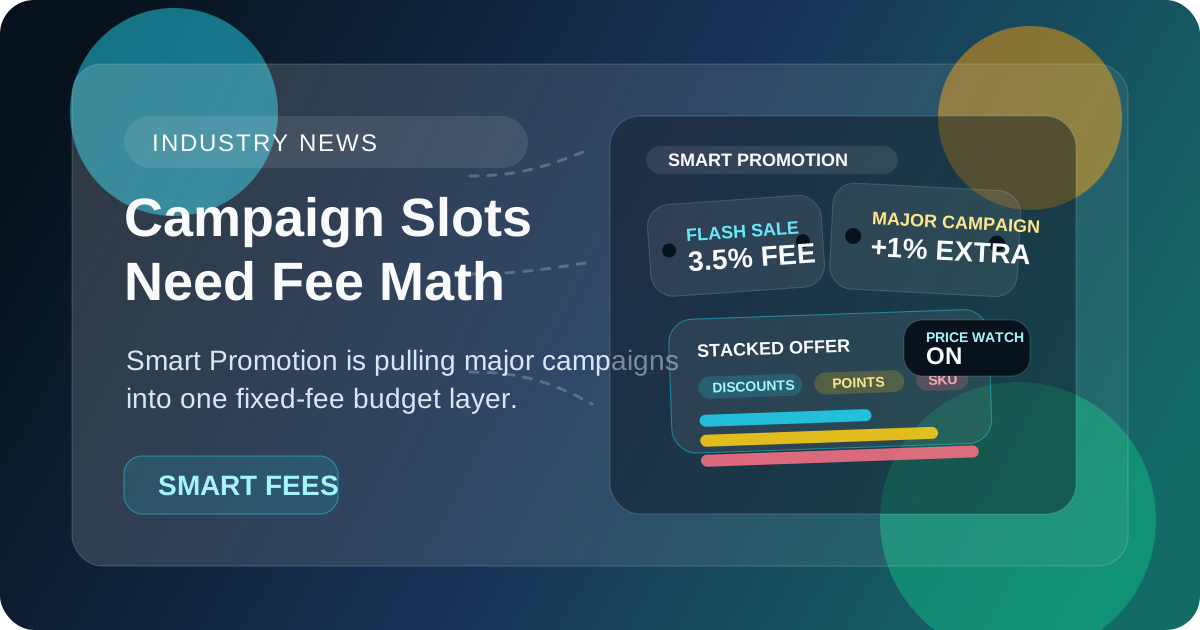
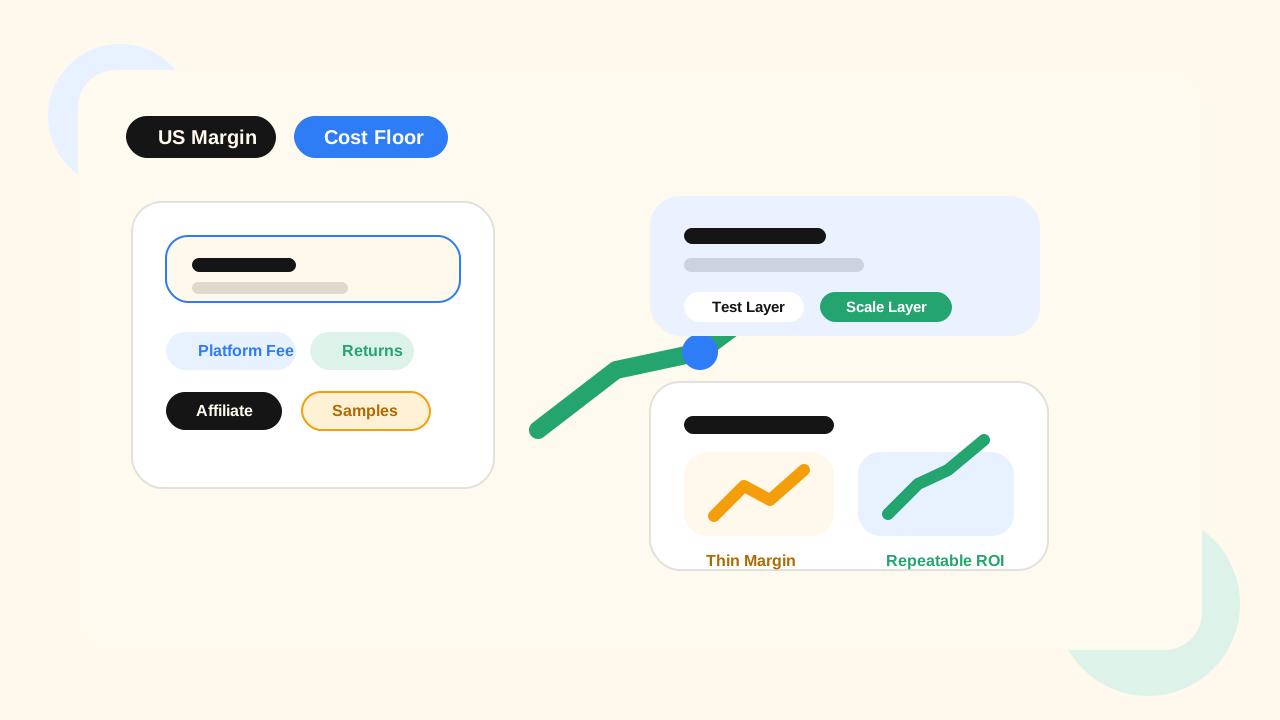
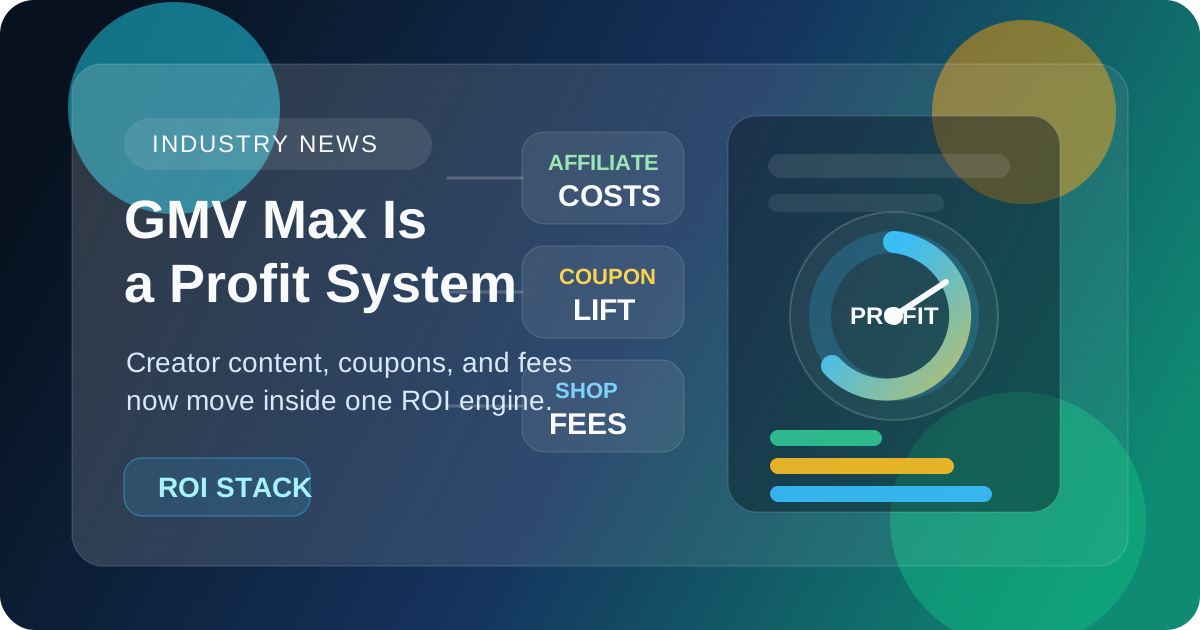
In the latest official blog, TikTok explains that new GMV Max capabilities are beginning to incorporate traffic streams, affiliate costs, coupons, and platform fees into ROI optimization rather than looking only at media spend. That means the system is moving from ad-account performance toward store-level operating performance.
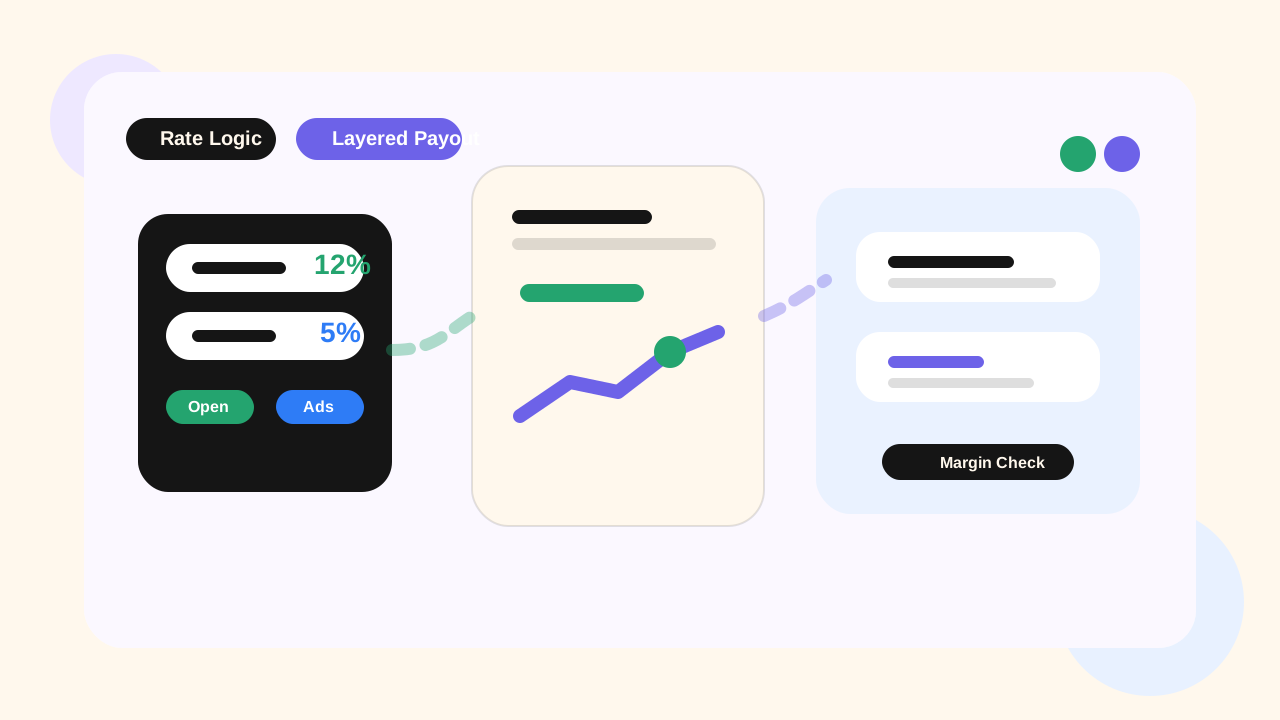
This changes the way campaigns should be judged. A product can still look acceptable from a pure ad-spend perspective while being much weaker once creator commissions, discounting, and platform fees are included. Those variables used to sit in separate sheets owned by paid media, creator operations, and shop management. TikTok is now pushing them back under one profit lens.
Creator content is becoming a formal GMV Max asset pool
The second major shift is the structure of creative supply.
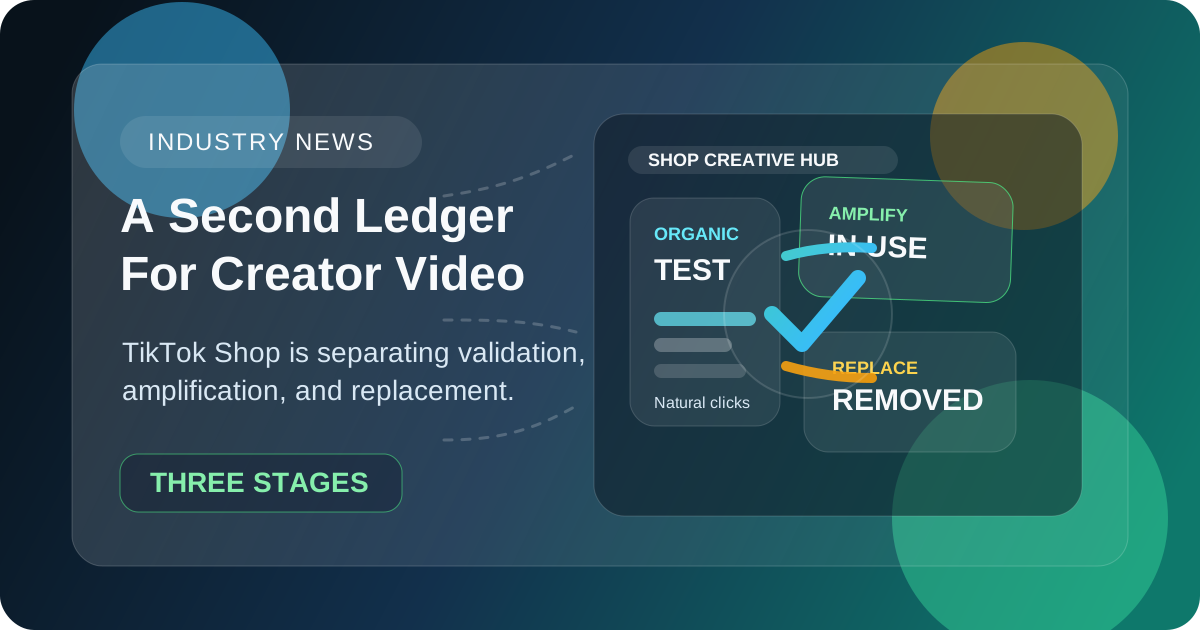
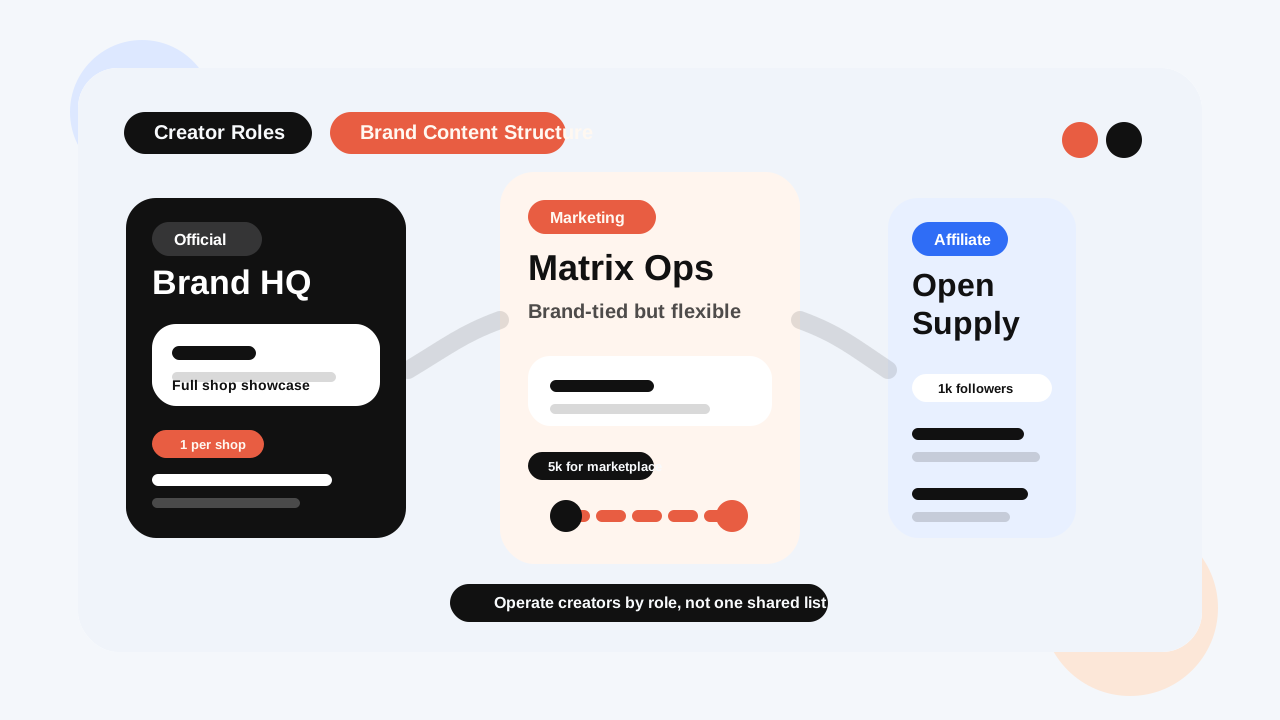
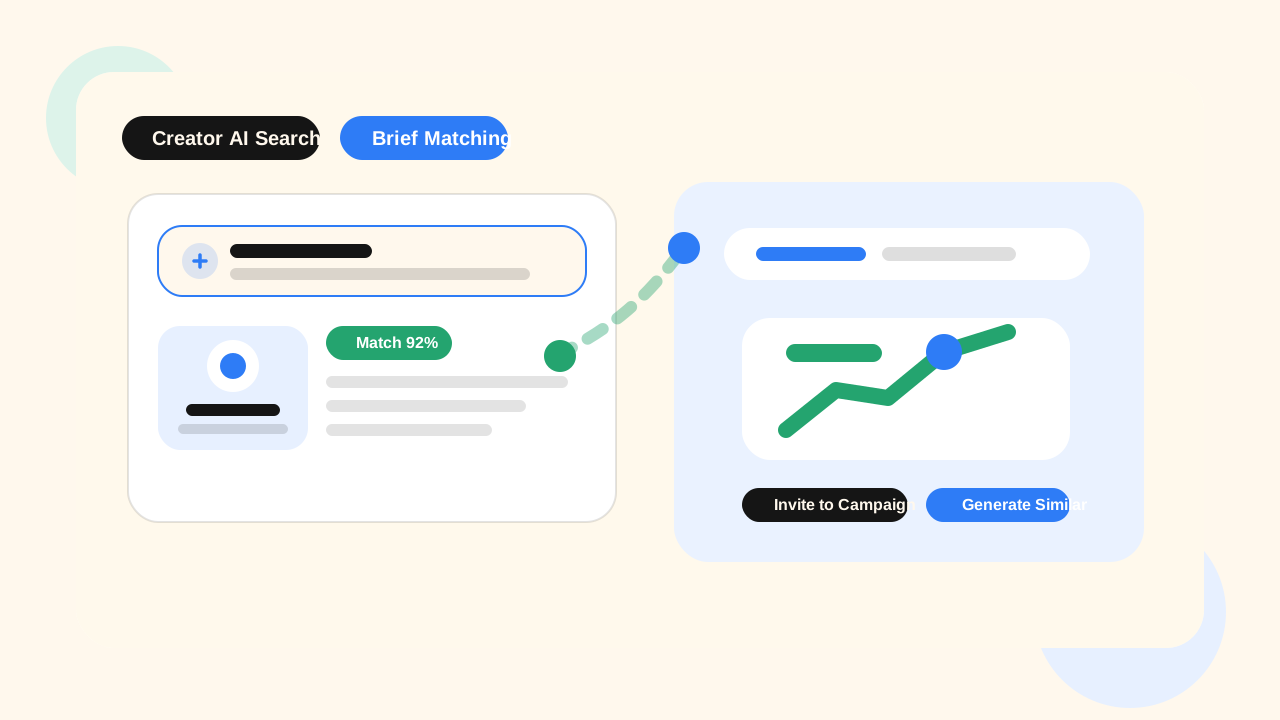
TikTok's Product GMV Max guidance says the system automatically uses all available creative assets to create ads, including videos from official accounts, business accounts, authorized TikTok accounts, Spark Ads posts, and Affiliate Creatives for Ads. More importantly, TikTok explicitly states that authorized affiliate videos can be brought directly into GMV Max. If a specific creator video does not appear, the seller needs to obtain authorization or bring it in through a video code path.
That changes the role of creator content. It is no longer only an external source of organic affiliate orders. It can become part of the product's formal ad engine, where it is tested, scaled, paused, and reused.
For brand teams, the operating question is no longer just whether the creator posted. Two additional questions now matter:
- does the content have the right authorization to enter the ad system,
- and once it enters GMV Max, is it improving profit quality or only adding topline volume.
Without those layers of judgment, teams can end up with plenty of creator output, plenty of ad activity, and still very few assets that are actually durable enough to scale.
Reporting is also shifting from ad review to operating review
Another important signal is the way TikTok now organizes GMV Max reporting.
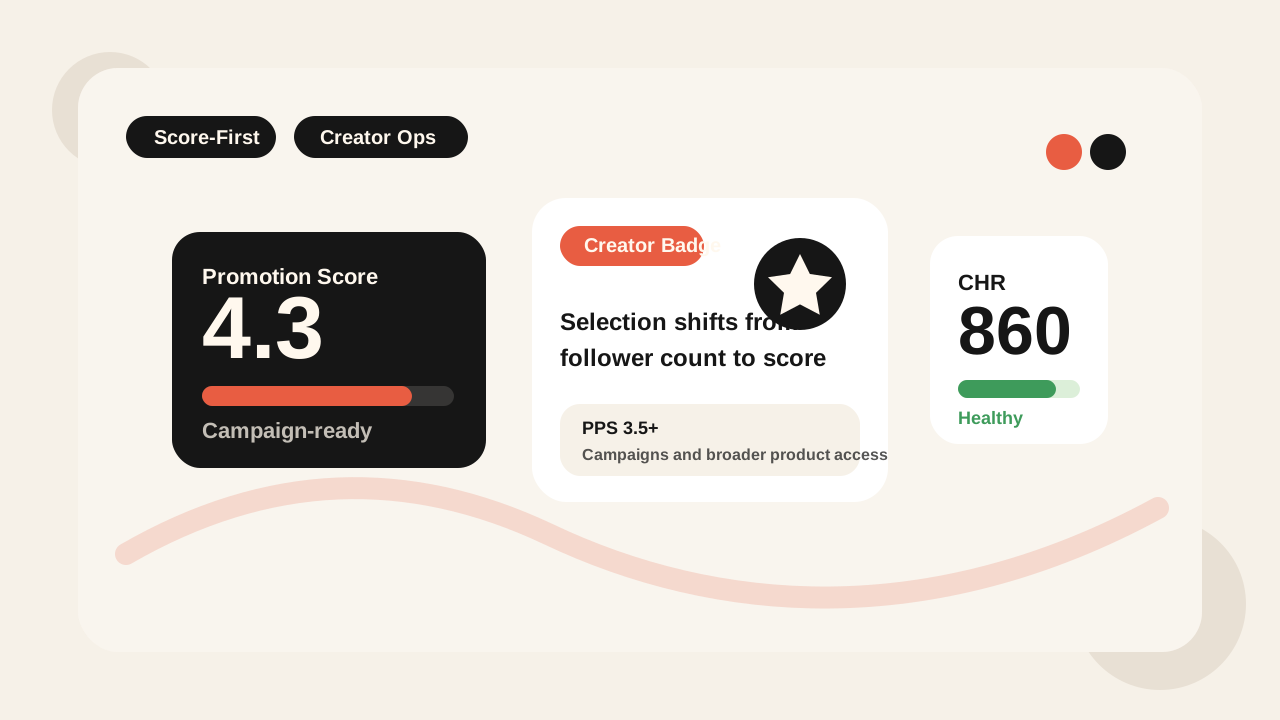
In Seller Center, Product GMV Max reporting is no longer just a view of ad spend and ad orders. TikTok explicitly notes that Gross revenue and ROI can include both paid and organic orders attributed to the campaign. At the product and video level, teams can review Orders, Gross revenue, Cost, Cost per order, ROI, and asset states such as In Queue, Learning, Delivering, and Authorization Recommended.
That means TikTok is not only asking teams to review click-through or spend efficiency. It is encouraging them to decide which products deserve further scale, which creator assets deserve authorization, and which videos are already producing orders but are still outside the larger scaling system because the authorization layer is missing.
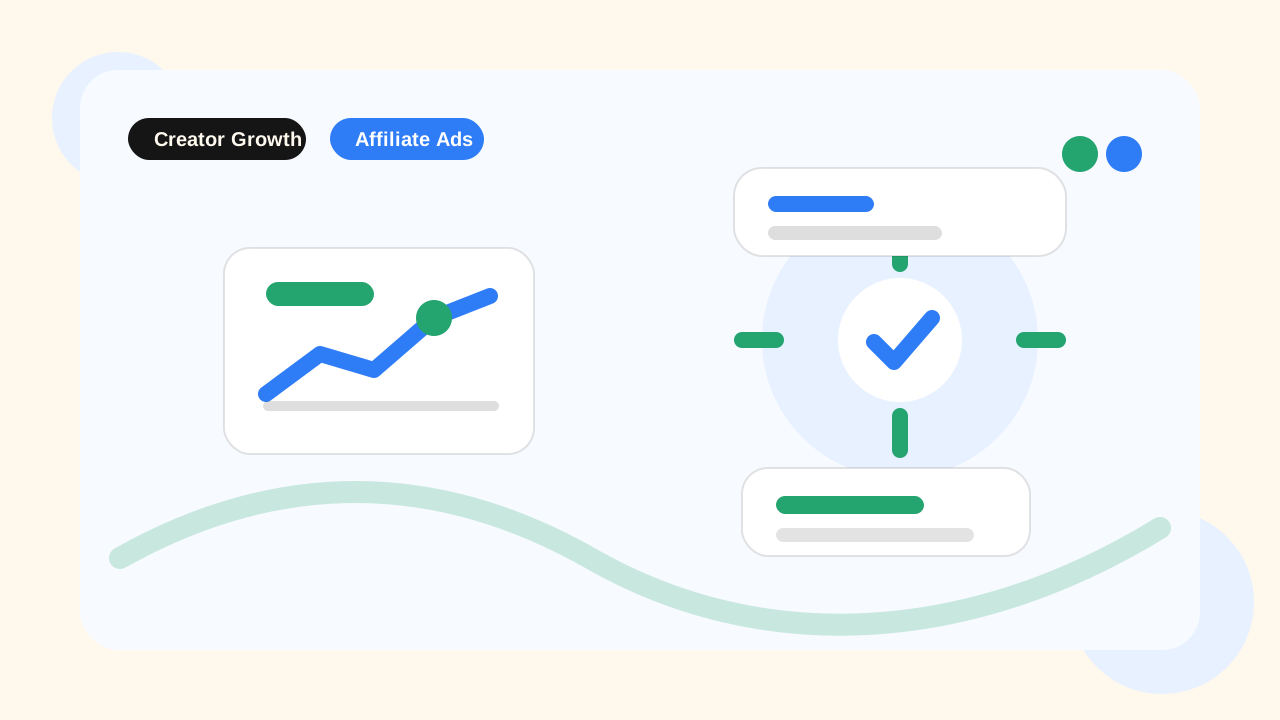
In practice, the GMV Max dashboard is becoming less like a pure ad console and more like a joint operating panel for products and content.
The advantage will shift from media execution to cross-team coordination
Once profit logic, creative logic, and reporting logic all change at the same time, the internal operating model has to change too.
In many brands, creator operations own outreach and follow-up, paid media owns campaigns, shop operations own pricing and promotions, and finance reviews profit later. That split can still function when GMV Max is treated like a simple ad tool. It becomes much weaker when commissions, discounting, content authorization, and product return are all being evaluated together.
A more resilient setup is to manage at least four layers inside the same planning rhythm:
- product layer: which SKUs still deserve scale after commission, coupons, and platform fees are accounted for,
- creative layer: which owned and creator assets are already authorized and ready for systematic testing in GMV Max,
- permission layer: whether the shop, Business Center, ad account, and TikTok accounts are actually connected correctly, otherwise the system cannot access the product or the assets it needs,
- review layer: whether product, video, and profit quality are improving together rather than only ad delivery.
The deeper competition here is no longer whether a media buyer can tweak settings. It is whether a team can connect content supply and profit constraints into one operating workflow.
The stronger model is to build GMV Max as a profit console
From the allymatic perspective, the most important takeaway is that TikTok Shop is moving GMV Max from an ad-delivery tool toward a profit console.
That means the safer next step is usually not to chase more budget or more creators first, but to strengthen three pieces of operating groundwork.
First, build SKU-level profit assumptions before scale. Do not stop at ad ROI. Include creator commission, coupon pressure, platform fees, and expected content costs so the team knows which products should be amplified continuously.
Second, audit the authorization-ready creative pool. Separate official-account content, owned shop content, creator videos, Spark posts, and assets that can still be brought in through authorization. Even the best optimization system will underperform if the asset pool is structurally weak.
Third, unify the review process. After each campaign cycle, do not only ask how much was spent and how many orders were generated. Ask which product type, which video type, and which authorization path actually produced healthier operating return.
In the second half of 2026, TikTok Shop may depend less on who is willing to spend more aggressively and more on who can connect creator content, product margin, and ad automation into one operating system earlier. The teams that do this first will have a better chance of turning GMV Max from a scaling button into a real profit-growth tool.
Official Sources
Official Sources
Primary references used for this article.