From Organic Commerce to the Ad Asset Pool: TikTok Shop Is Repricing Affiliate Content
For a long time, many brands treated TikTok Shop affiliate programs as a mostly organic motion. Sellers opened collaborations, set commissions, shipped samples, and then waited for creators to post and hopefully generate orders on their own.
That model still exists, but in 2026 it is no longer enough.
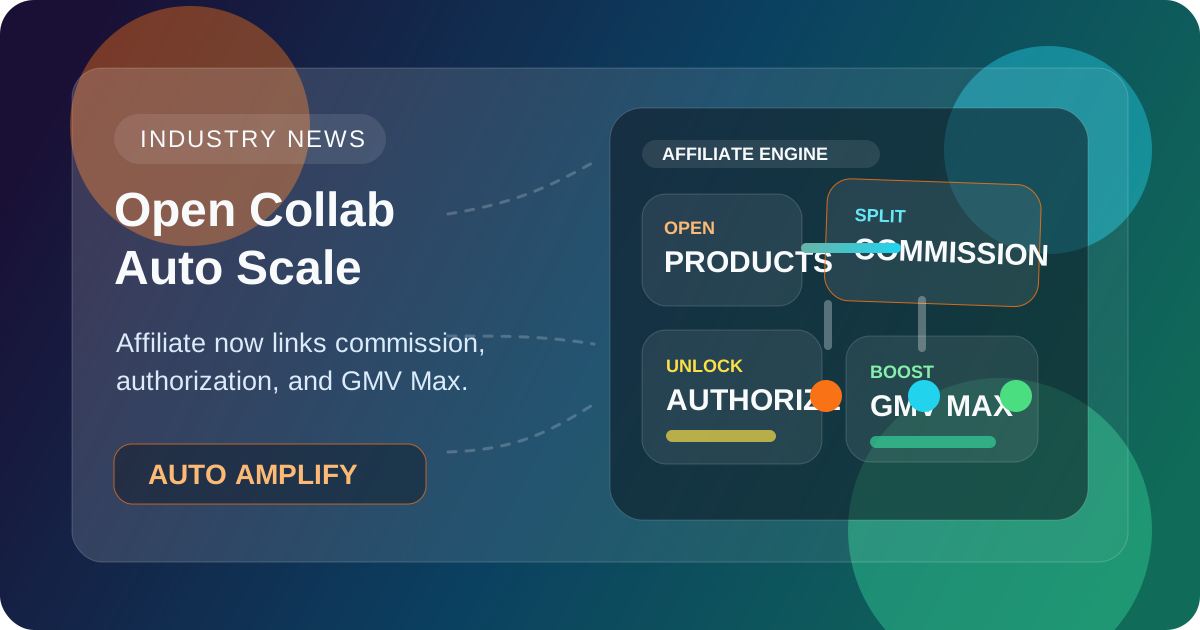
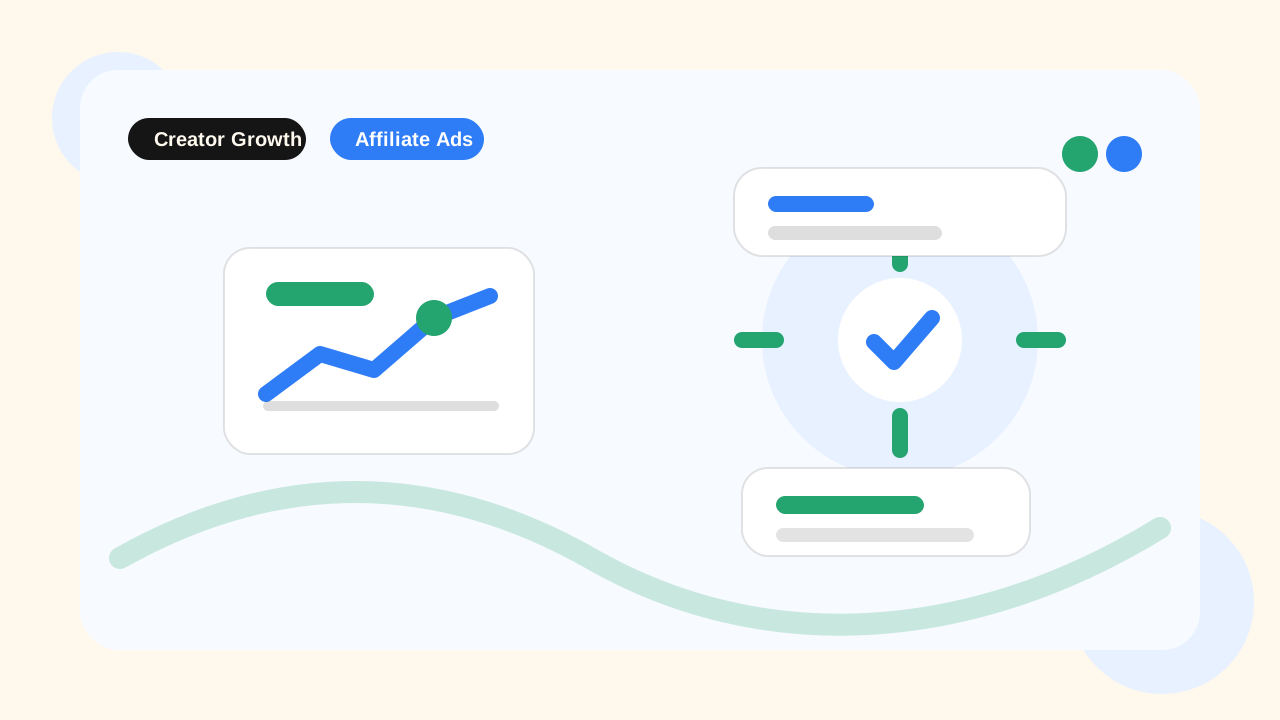
Over the past few months, TikTok Shop has been sending a much clearer signal: affiliate creator content, ad authorization, creative management, and GMV optimization are being connected into one operating loop. For brands, that changes the role of creator content. It is no longer just organic commerce content that may or may not convert. It is increasingly a business asset that can be authorized, selected, scaled, and reviewed inside a more structured performance system.
This matters for cross-border brands because once the platform starts routing affiliate content into ad systems and optimization products, your team can no longer manage commissions, samples, usage rights, and content follow-up with a loose BD mindset.
This is not just one more ad feature. It is a new definition of content
TikTok Shop has always pushed the idea that content is the storefront. What has changed is that the platform is now pushing content to do more than discovery. It is being built into a scalable transaction engine.
Recent official updates point to three changes happening at the same time.
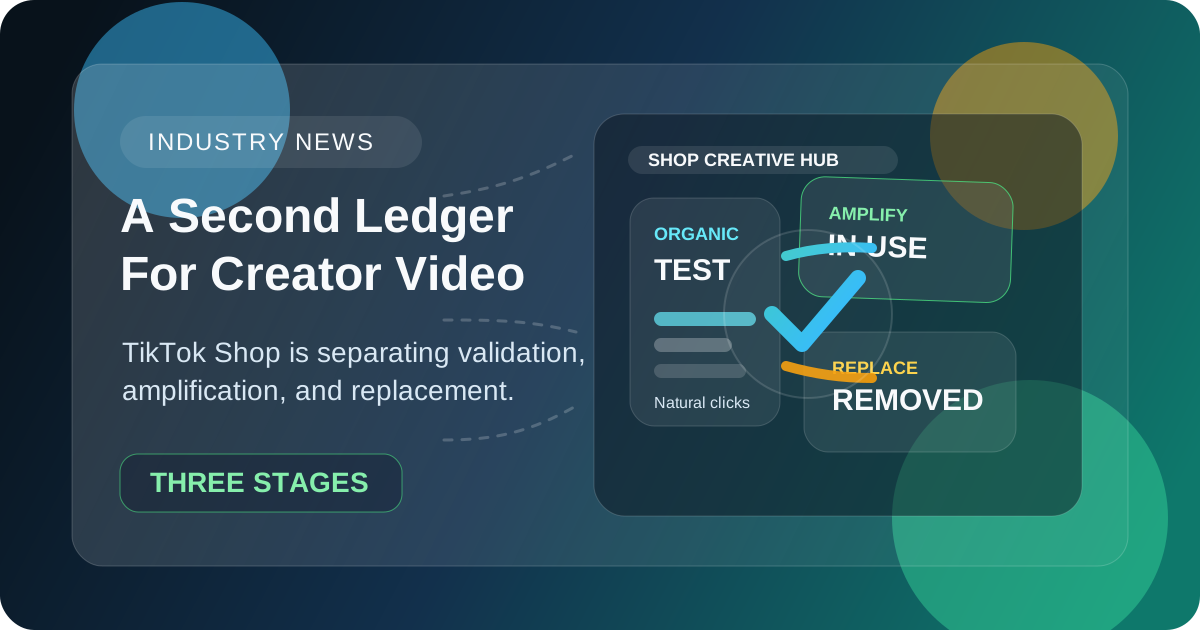
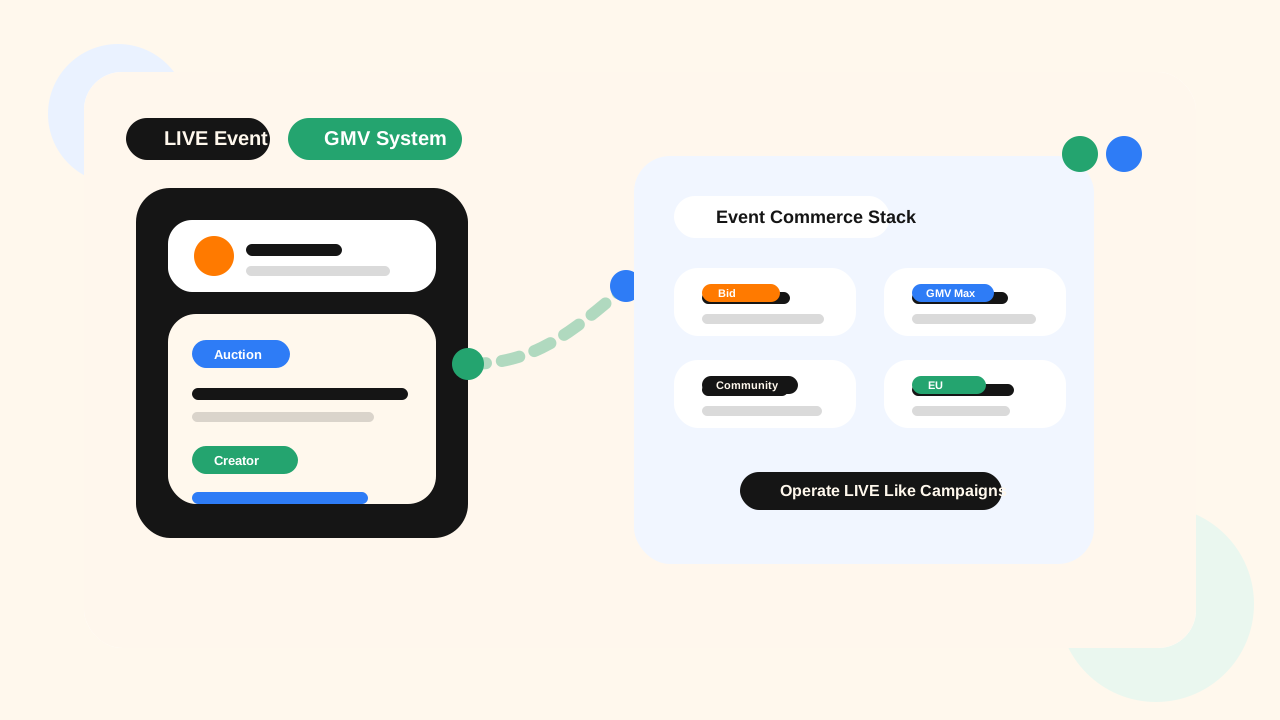
The first is that affiliate creator videos can now move directly into Shop Ads and GMV Max creative pools after authorization. That means a creator post is no longer limited to organic distribution and affiliate-attributed orders. Strong posts can continue working through paid amplification.
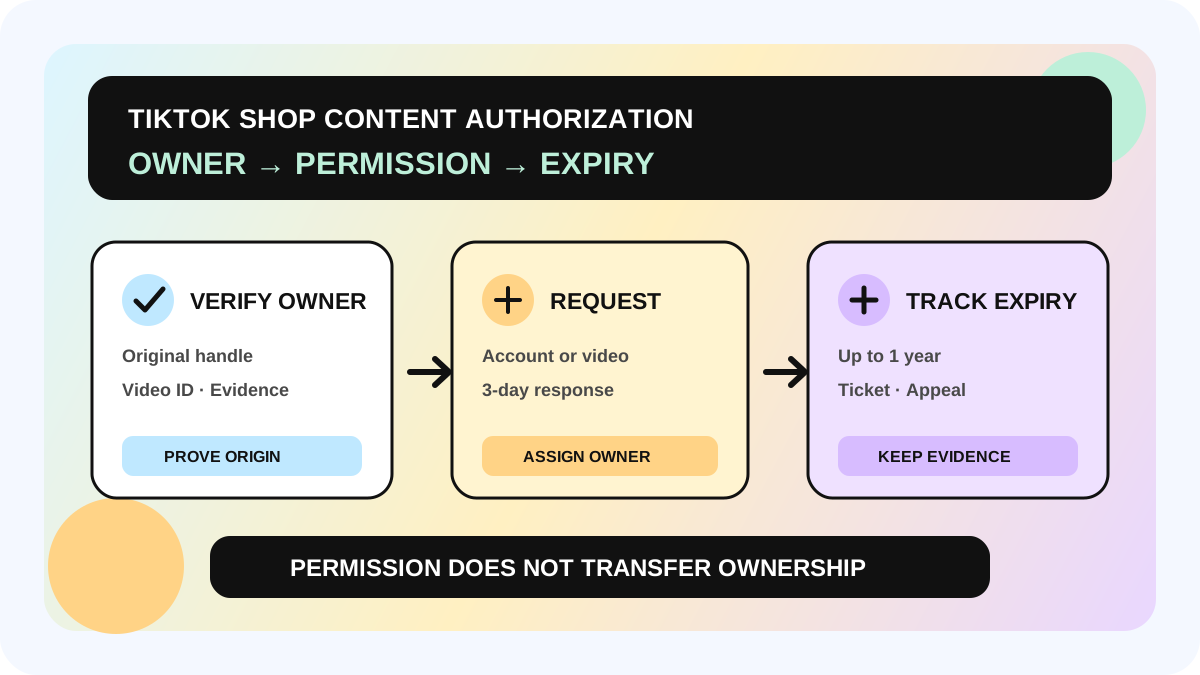
The second is that authorization logic is becoming much more explicit. Sellers now need to understand the difference between affiliate mass authorization and single-post video code authorization, what each method allows, and what happens when authorization or collaboration ends.
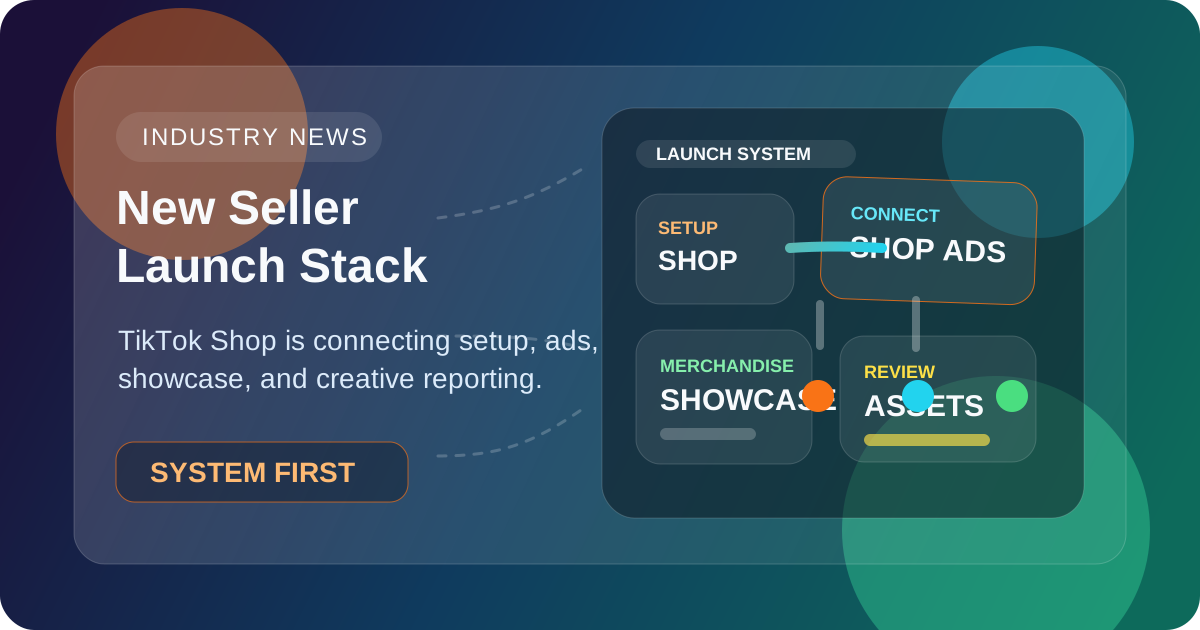
The third is that TikTok Shop is giving sellers a more operational creative view. Shop Creative Hub is not just a reporting screen. It reflects a broader platform direction: brands are expected to understand which creators, which videos, and which content patterns deserve more budget and more reuse.
Taken together, the message is simple. TikTok Shop wants brands to move from one-off creator cooperation into content asset operations.
The bigger rewrite is not media buying. It is operating order
When teams hear about these updates, the first question is often whether they should increase ad spend. That is not the first decision.
The bigger issue is whether your creator workflow can actually support this system.
If affiliate content is going to enter ad distribution, at least four new management tasks appear immediately.
- You need to identify earlier which creator posts are worth authorizing, instead of waiting until organic results are fully clear.
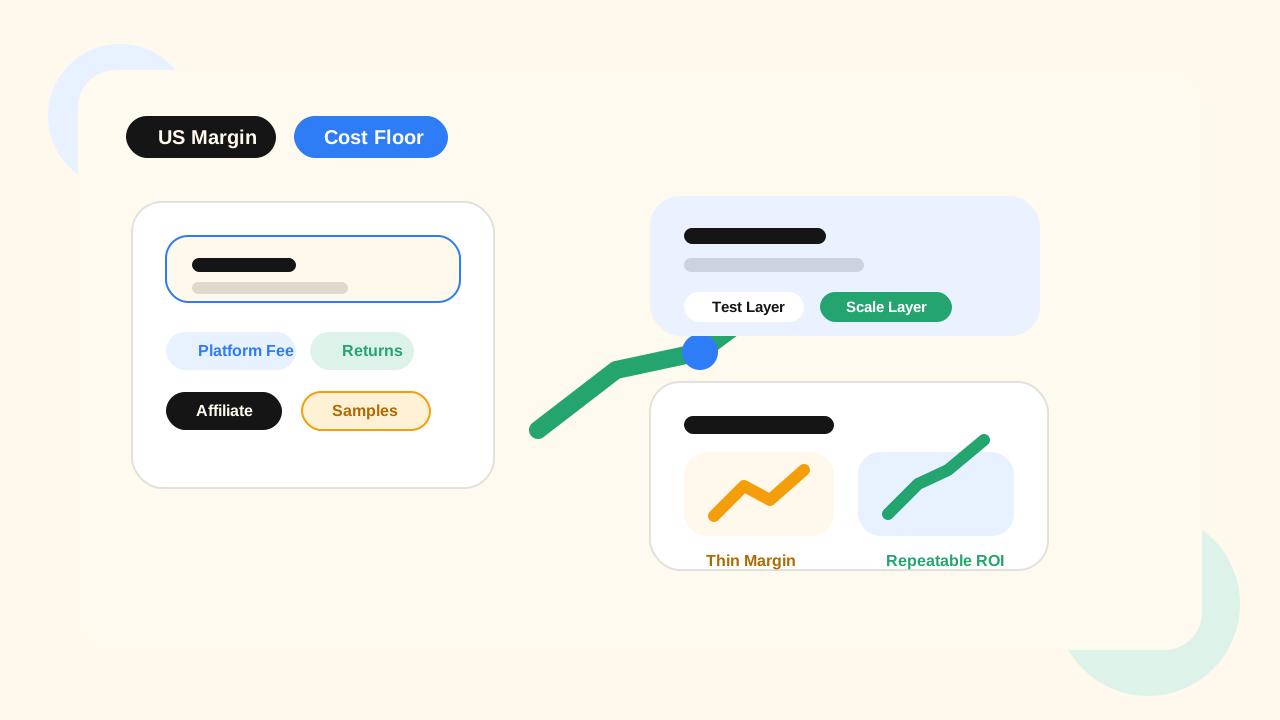
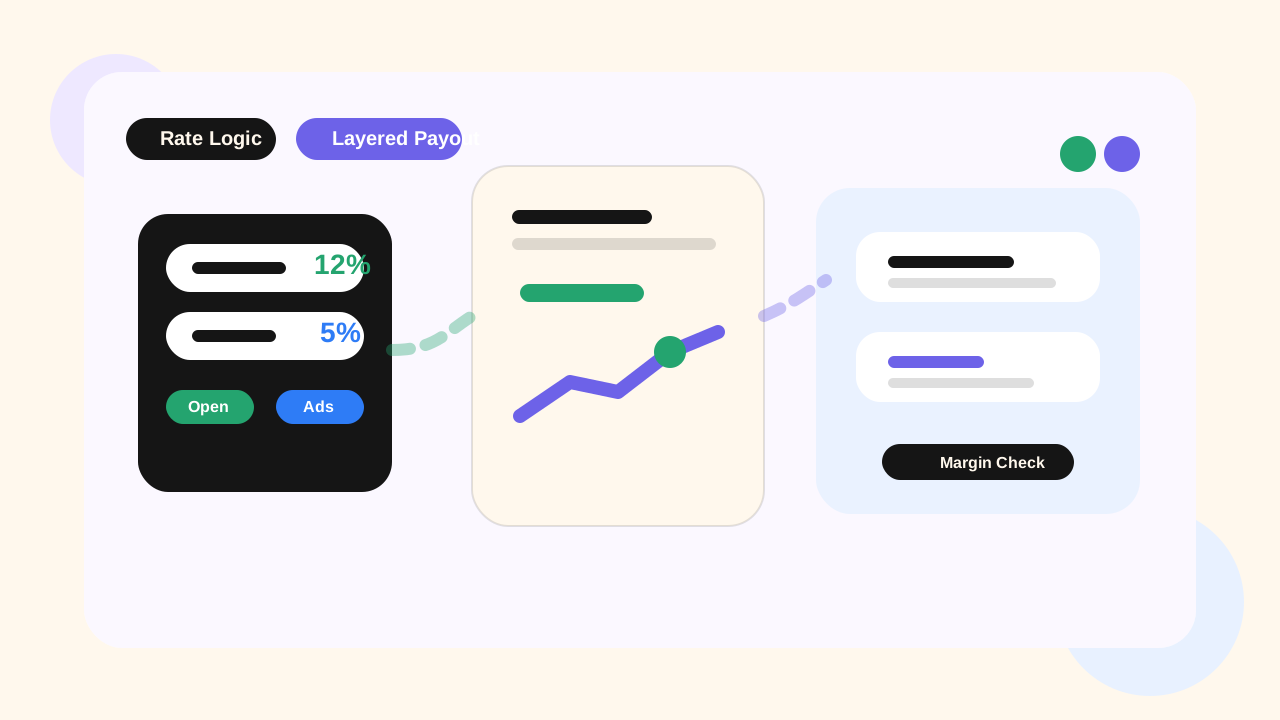
- You need to manage base affiliate commissions together with ad-related commission implications, so margin decisions stay visible to the team.
- You need to align sample timing, content output, and promotional windows, otherwise you may have plenty of content but very little usable inventory at the right moment.
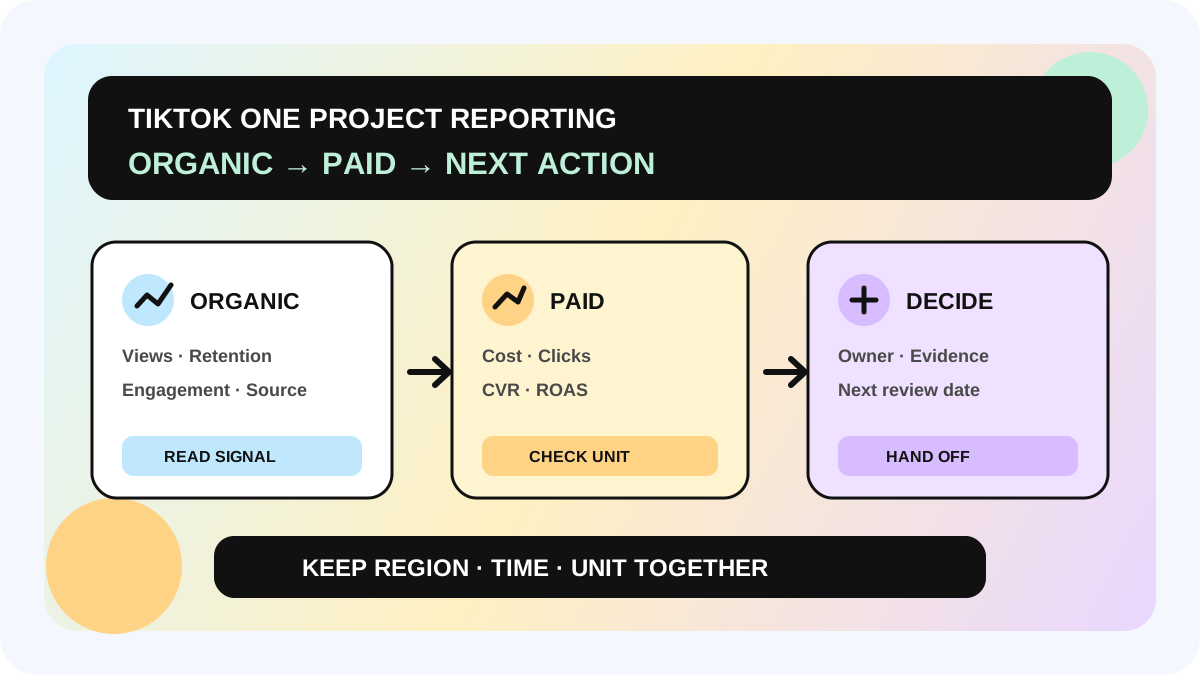
- You need a repeatable review process for creators and videos, or the new reporting tools will become just another dashboard that nobody really uses.
This is also why recent TikTok examples keep pointing back to samples, creator supply, and structured amplification. The platform is not asking brands for the occasional breakout video. It is asking them to maintain a reliable pipeline of content that can be tested, selected, and scaled.
Samples, authorization, and reuse are becoming one chain
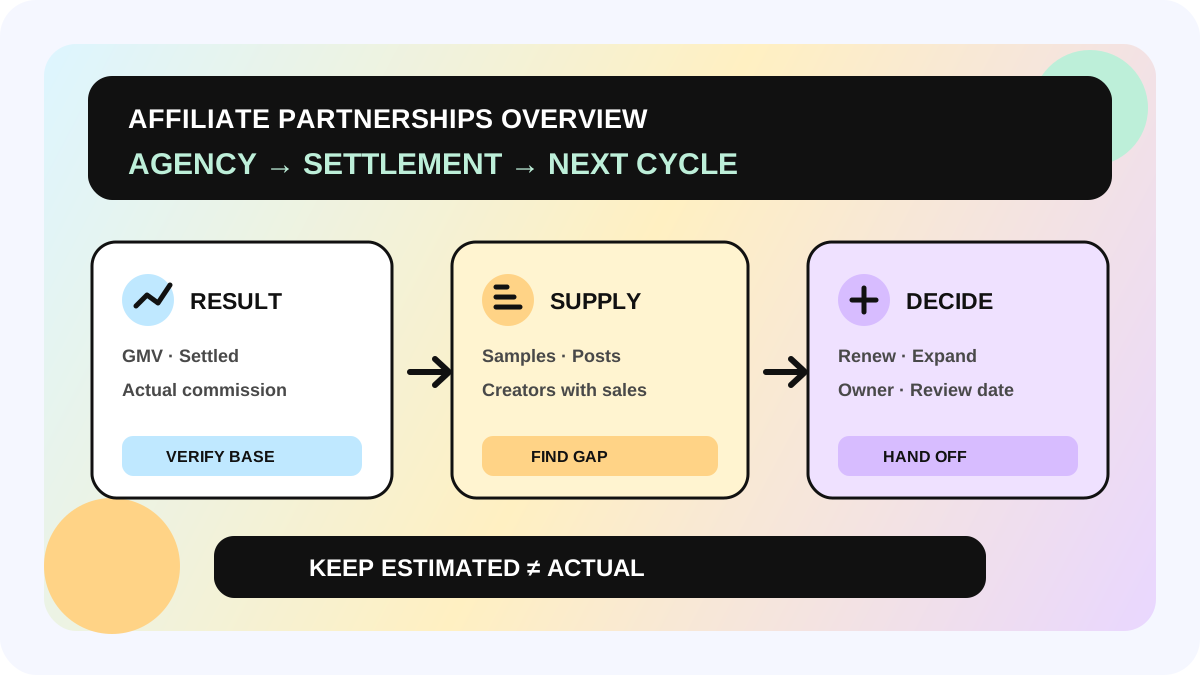
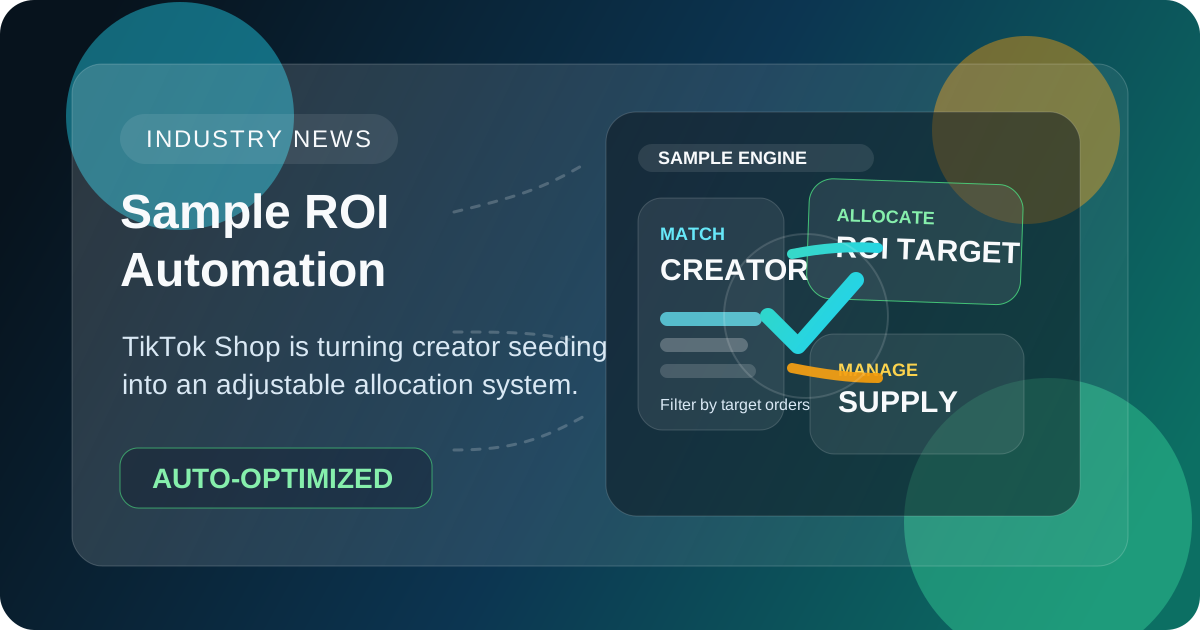
One recent TikTok for Business case study is useful here. In Q1 2026, French skincare brand Mela’Aura combined creator-led content, affiliate amplification, and GMV Max to grow its TikTok Shop launch. The most revealing detail is not just the revenue outcome. It is the operating model behind it: the team sent an average of 50 product samples to affiliates every week in order to keep fresh creator content flowing, then amplified the content that proved useful.
That tells brands something important.
In the new TikTok Shop environment, samples are not just BD cost. They are content supply cost. Authorization is not just a legal or admin step. It is a traffic handoff step. Creator collaboration is not just about getting someone to post once. It is about preparing content that can support organic discovery, paid amplification, and promotional moments in sequence.
If your internal workflow still separates sampling, creator follow-up, content collection, authorization confirmation, and ad review across multiple people, spreadsheets, and chat threads, the system will leak. The problem will not be a lack of creator content. The problem will be a lack of creator content that is reusable and scalable.
Sort the content first, then decide where budget follows
The next move for TikTok Shop teams is not simply adding more creators. It is creating better content tiers.
The first tier is organic conversion content. These posts can drive stable orders on their own, but may not yet be the best candidates for paid amplification.
The second tier is authorized scale-ready content. These are the posts with stronger click intent, clearer product explanation, better audience response, or cleaner commercial structure. These should move into ad testing and GMV Max inputs.
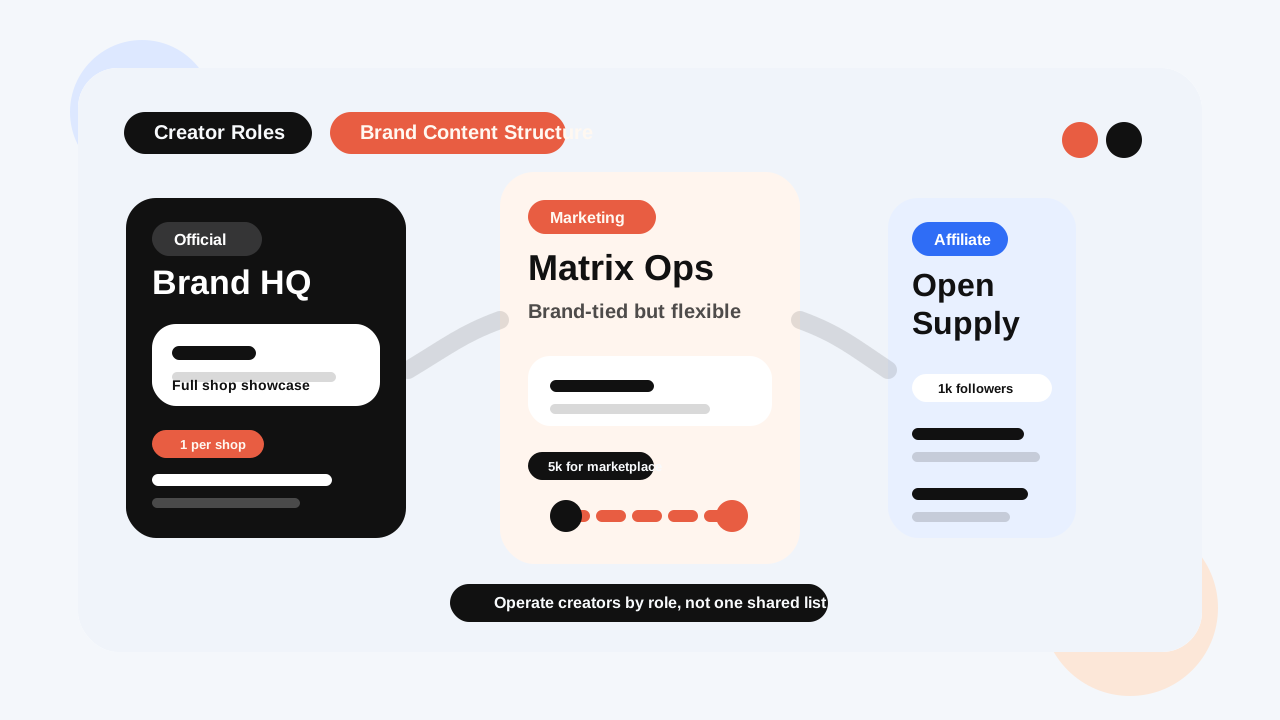
The third tier is strategic creator relationships. Not every creator needs to be pushed into ads immediately, but some creators consistently match the brand, ship content on time, and fit long-term category growth. Those creators should be managed as ongoing assets, not judged only by a single-post ROI snapshot.
Once a team starts using these layers, decisions around commissions, sample priority, creator follow-up, authorization, and media allocation become much clearer.
How allymatic reads this shift
From the allymatic perspective, the core story is not that TikTok added one more feature. The bigger story is that the platform is pushing creator commerce into a more operational, more collaborative, and more measurable system.
The teams that will win are not necessarily the ones with the largest creator lists. They are more likely to be the teams that can connect creator sourcing, sample status, content collection, authorization status, product performance, and re-investment decisions inside one workflow.
As affiliate creator content becomes an ad asset, the scarce resource is no longer just creator access. It is the ability to keep generating, identifying, and scaling effective content. That is the operating shift worth paying attention to right now.
Official Sources
Official Sources
Primary references used for this article.