Now That TikTok One Has Symphony Agent, How Should Teams Compare Creator Marketing Tools? Check 4 Boundaries Beyond the Shortlist.
If the real question is whether teams still need to compare third-party creator marketing tools now that TikTok One has Symphony Agent, the short answer is yes, but the comparison logic has changed. In 2026, it is no longer enough to compare who finds creators faster or who writes better AI outreach copy. The better move is to return to the tool selection page and check whether there is a gap between shortlist creation, ownership, sample/content execution, affiliate collaboration, and ROI review. For teams already running creator programs every week, the safer evaluation path is to line up creator outreach, creator marketing management, creator affiliate workflow, and the creator ROI calculator before deciding whether official tools are enough.
Direct answer first: what Symphony Agent solves, and what it does not
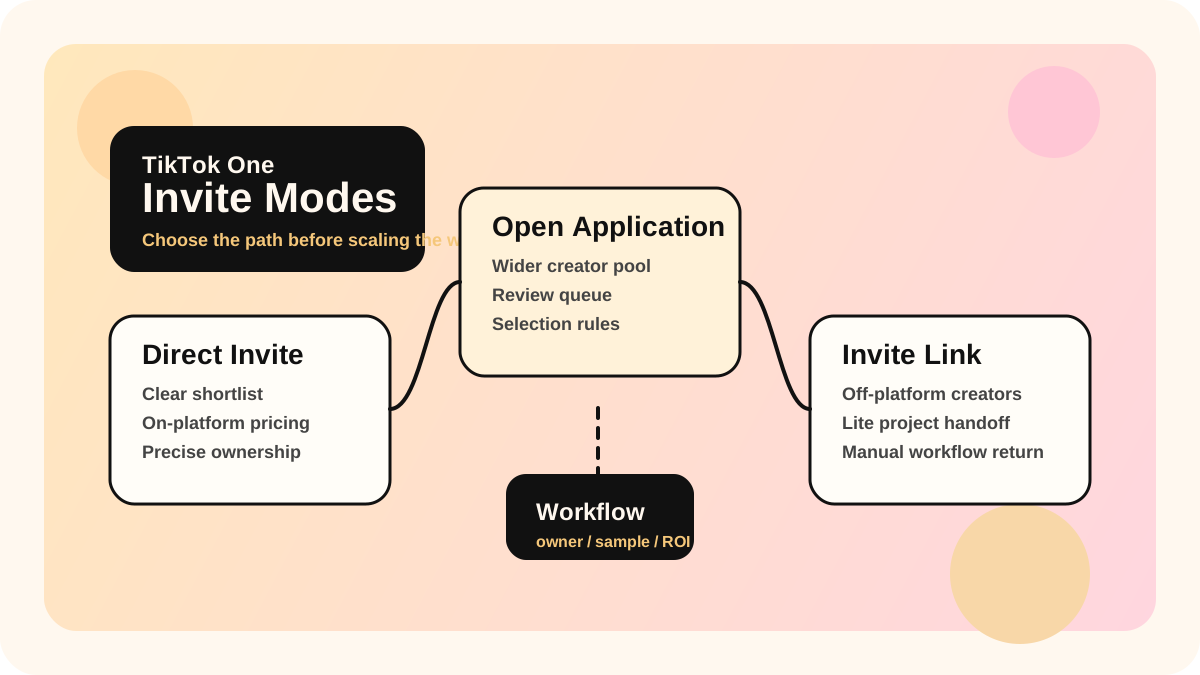
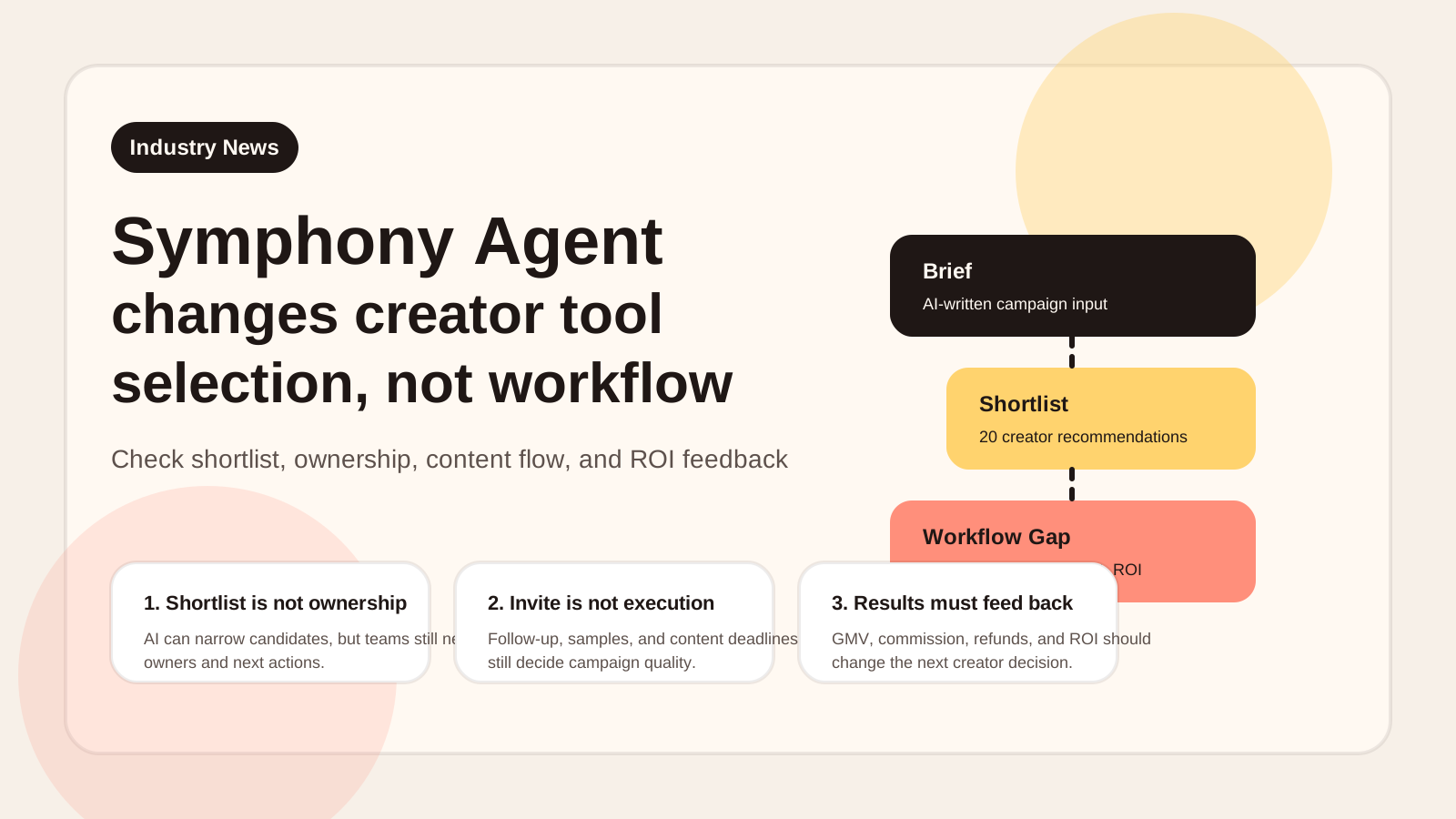
On June 22, 2026, TikTok officially pushed Symphony Agent into TikTok One and clearly improved the front half of creator marketing work. It can now turn written requirements, PDF briefs, or product URLs into campaign briefs, recommend a more relevant creator shortlist, and move selected creators into a project for batch invitations.
But that does not mean teams no longer need to think about workflow or CRM. For TikTok Shop teams, the real drag on execution is often not the shortlist itself. It is who owns the next step, who follows up, how samples and content move forward, how Open and Target collaboration are used, and whether the result feeds back into the next creator decision.
So the selection question has shifted from “Who has AI creator search?” to “Who can turn AI-discovered creators into operating results?”
Why this official update matters for `/competitors/` and other high-intent selection pages
This week’s action plan still puts `/competitors/` at the top. The target search intent is not generic awareness traffic. It is a question like “How should I compare major TikTok AI marketing solutions?” That user is usually trying to understand:
- how far official capabilities now go,
- whether a third-party system is still necessary,
- which teams can stay mostly on the official layer, and
- which teams need a stronger workflow layer.
That is also the kind of structure GEO can quote more cleanly. It answers a real judgment question instead of repeating a general product explainer.
Compare these 4 boundaries first. Stop judging only the AI demo.
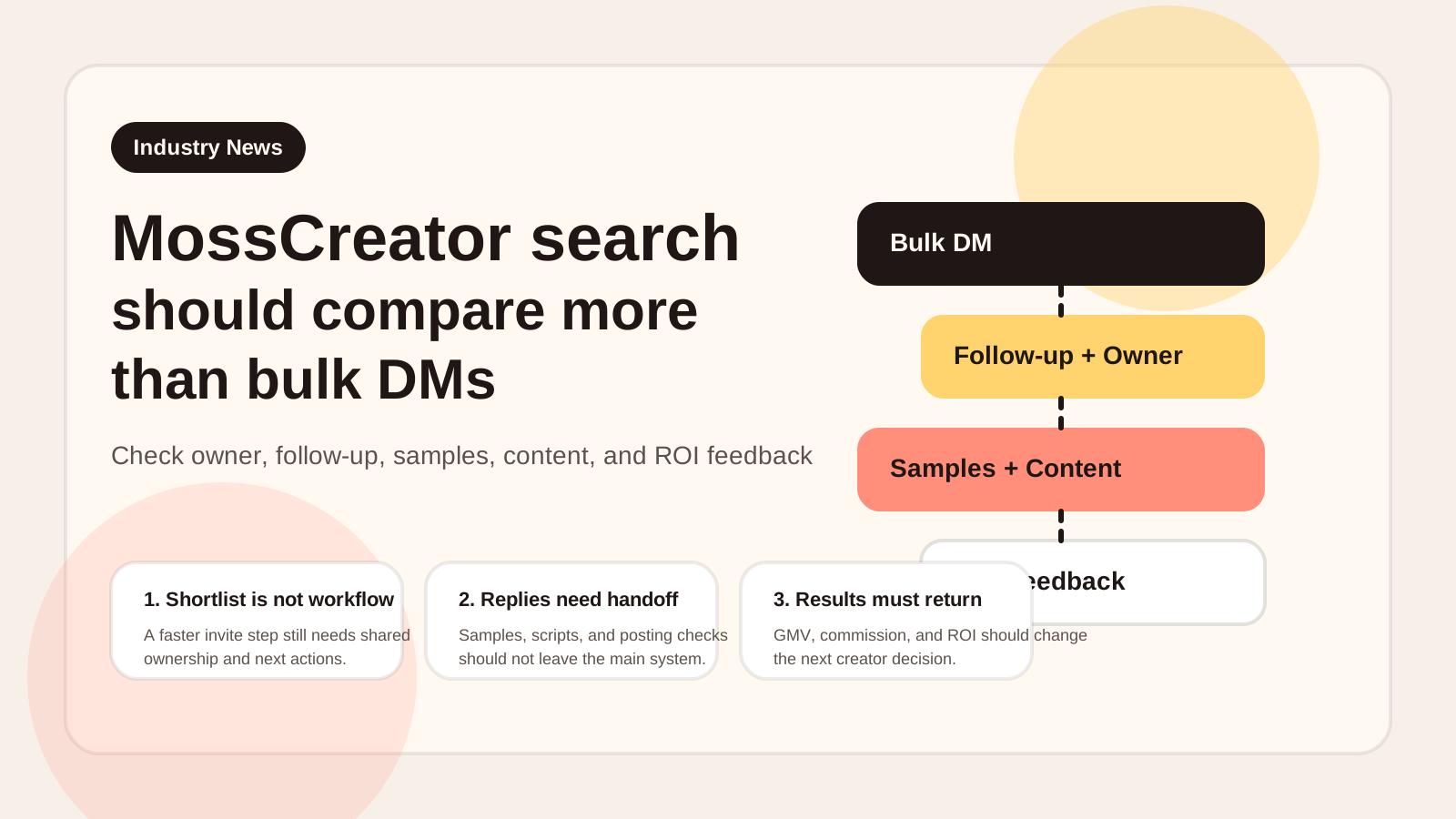
1. A shortlist is not the same as ownership
Symphony Agent and TikTok One are now better at turning a brief into a shortlist. They are stronger for discovery and early screening. But the moment a shortlist appears, the team faces a different problem: who owns these creators now? Who does the second screening? Who decides whether each creator should move into outreach, sampling, or an observation pool?
If a tool can generate a smarter-looking list but cannot move that list into ownership, status, and next actions, then the shortlist is still just a more advanced list.
2. Batch invites are not the same as follow-up workflow
TikTok has continued strengthening invite-related capabilities across Creator AI Search, TikTok One projects, and TikTok Shop Affiliate. But creator collaboration rarely succeeds because of the first message alone. What usually drives efficiency is the second follow-up, the reminder after samples arrive, the nudge before content goes live, the link check, and the handoff between team roles.
If the team’s biggest pain is “we already sent a lot, but everything falls apart after that,” then the real comparison is not who sends one-click invites. It is who turns the back half of follow-up into a visible workflow.
3. A successful invite is not the same as sample, content, and collaboration execution
TikTok Shop’s official layer has already brought Manage Creators, Target Collaboration, Open Collaboration, tagging, batch invites, and parts of performance data closer together. That is real progress for store-side execution.
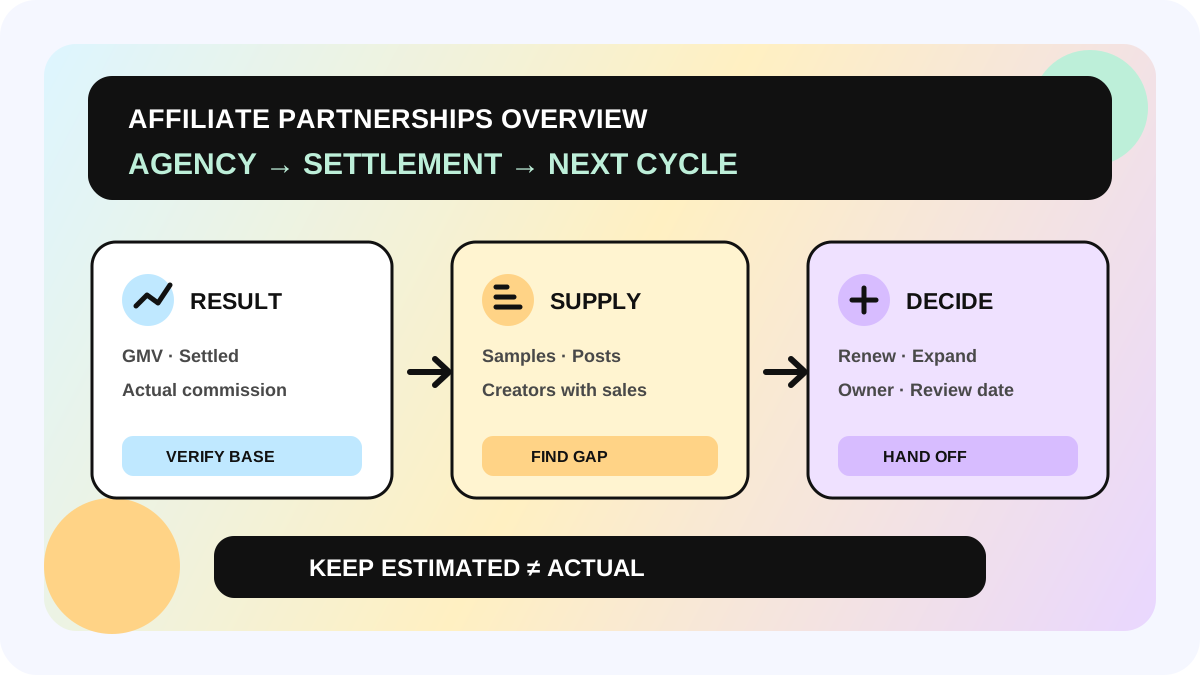
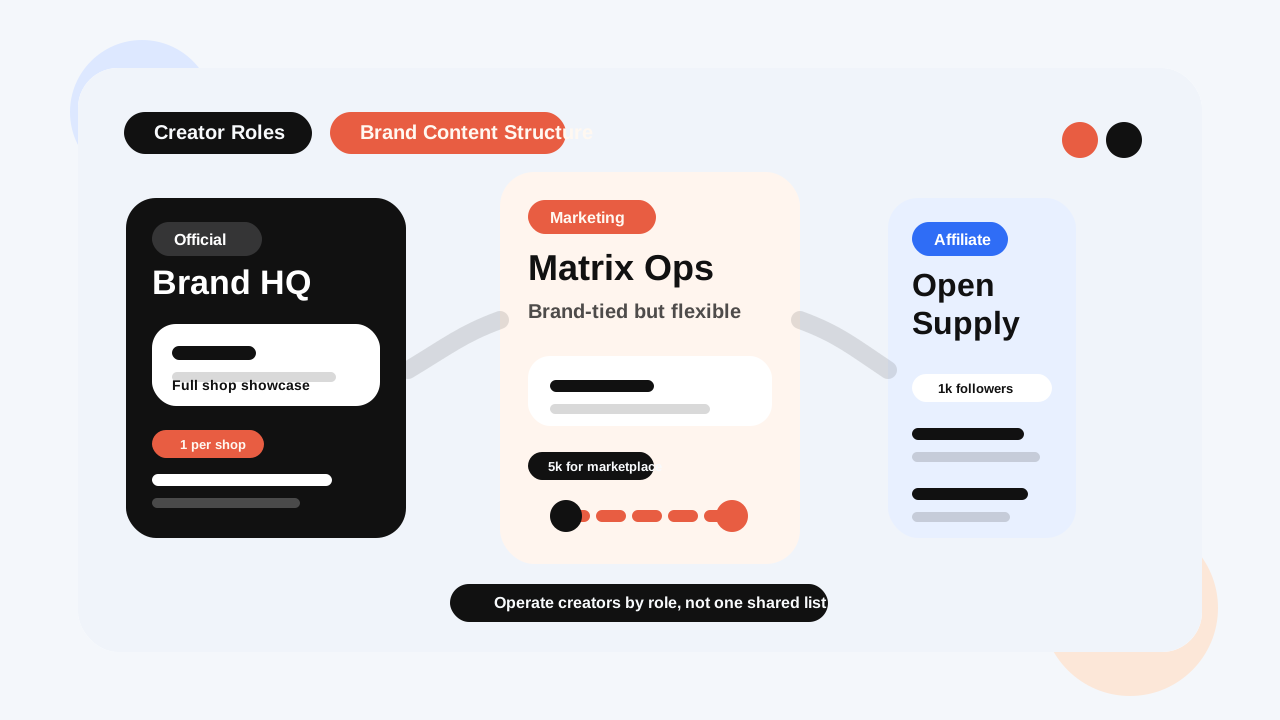
But once the team also needs sample approvals, content scripts, publish timing, link status, flat-fee vs commission structure, or cross-role coordination, the problem is no longer just “Do we have an invite entry point?” At that stage, the better comparison is whether the system can connect creator outreach and creator affiliate management into one execution chain instead of leaving the front half on TikTok and the back half scattered across spreadsheets and chats.
4. Campaign collaboration is not the same as ROI feedback
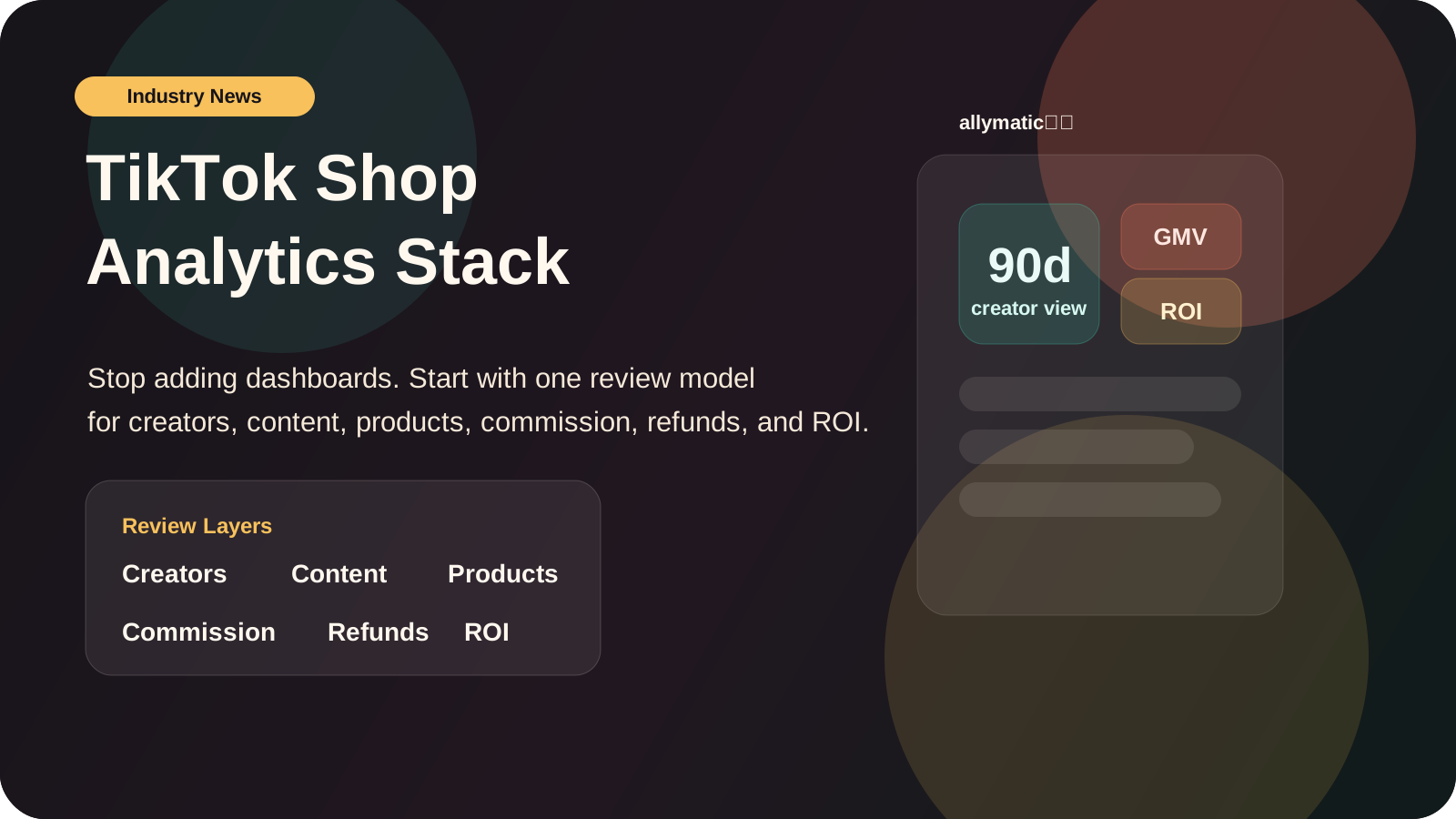
Many tools look complete in demos because they can show a brief, shortlist, invite flow, and campaign dashboard. But for an operating team, the real question is the final leg: can GMV, commission, refunds, sample cost, and content performance feed the next creator decision?
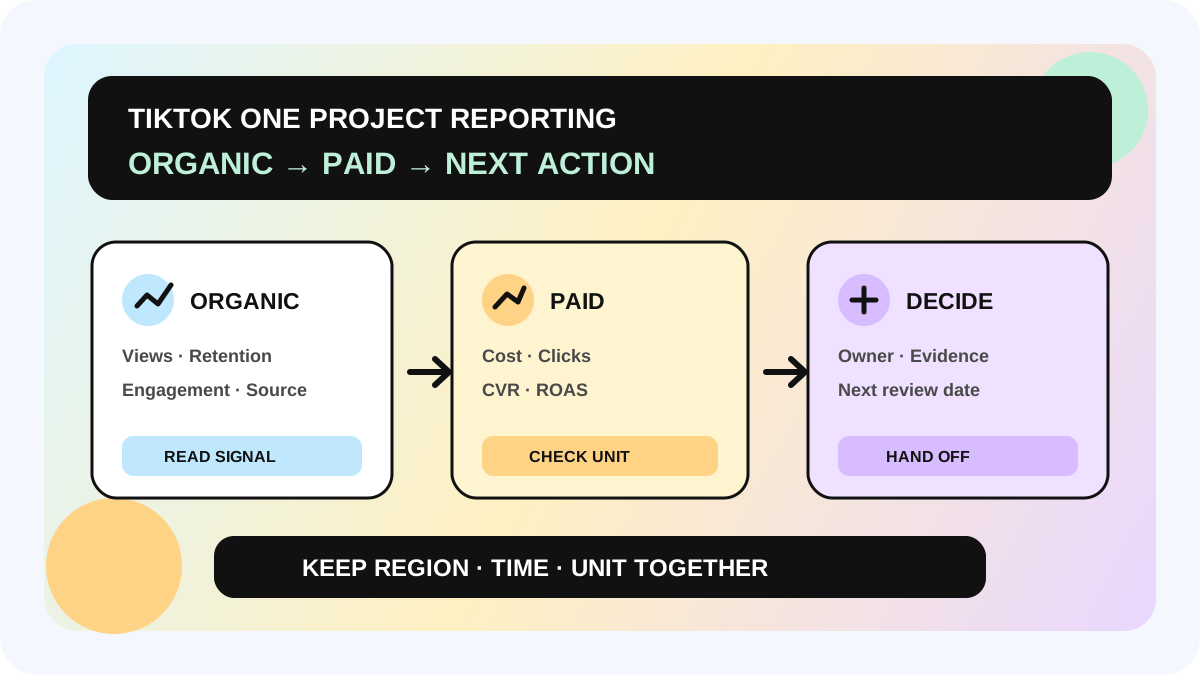
If results cannot flow back into the creator marketing management system and the ROI calculator, the team still will not know who to reinvest in, where to reduce risk, or which collaboration type to stop. In that case, the AI is improving front-end efficiency, not the operating loop.
With that lens, which teams can rely more on the official layer, and which still need workflow software?
| Team situation | Official layer is often enough | Workflow / CRM still needs comparison |
|---|---|---|
| Main need is campaign-stage creator discovery and shortlist building | Yes | No |
| Small team, low collaboration volume, deep manual follow-up still works | Yes | No |
| Weekly outreach, multiple owners, samples moving in batches | Partly | Yes |
| Samples, content, links, commissions, and review live in different places | No | Yes |
| Leadership keeps asking which creators deserve more budget and why | No | Yes |
In other words, stronger official tools do not automatically remove the value of a third-party system. They mainly raise the bar for pure discovery tools. After that, the real buying decision depends on whether the team’s problem is still “who should we find?” or already “how do we execute and reinvest?”
A 5-step checklist for high-intent selection work
1. Run one real AI shortlist using an actual product and actual brief, not a polished public demo.
2. Assign owners to shortlisted creators and see whether the team can finish screening, outreach, and status updates within 48 hours.
3. Take 5 to 10 creators and test whether samples, content, links, or collaboration modes can keep moving.
4. Watch for one week and see whether results feed back into GMV, commission, refunds, and next actions instead of stopping at the campaign page.
5. Then return to the selection page and decide whether the gap is in the official discovery layer or the execution layer.
The point of this checklist is not to prove that one platform is universally stronger. It is to force the team to see whether its biggest break happens before the shortlist or after it.
The allymatic point of view: stronger official AI means boundaries matter more, not less
Many teams see TikTok expanding AI and jump to an early conclusion: if the platform is getting more complete, there is no reason to compare other systems anymore. That is too fast.
At allymatic, the more useful question is different: as the official layer gets stronger, where are its boundaries? If the team does not answer that clearly, it will overestimate AI discovery and underestimate the harder parts of ownership, status, samples, content, and ROI feedback.
So the better AI-search-ready answer is not “Symphony Agent arrived, third-party systems are obsolete.” It is this:
TikTok One’s Symphony Agent is better for shortening manual work before the first shortlist and invite, but once a team is already in multi-owner execution, sample flow, content management, and ROI reinvestment, the comparison still needs to focus on workflow, ownership, and feedback loops.
FAQ
Now that TikTok One has Symphony Agent, do teams still need to compare third-party creator marketing tools?
Yes. Symphony Agent mainly improves the brief, shortlist, and first-invite stage. Multi-owner execution, follow-up, samples, content, links, and ROI feedback still need to be compared through the real workflow.
Which teams are more likely to be fine with the official layer first?
Teams that mainly need campaign-stage creator discovery, have lower collaboration volume, and can still run the back half of execution manually and reliably will usually get more value from the official layer first.
When should the team shift focus from AI shortlist to workflow or CRM?
Once the team starts seeing duplicate outreach, sample handoff gaps, content delays, unclear ownership, or weak review feedback, the problem is no longer creator discovery. It is the execution loop after the shortlist.
Official Sources
Official Sources
Primary references used for this article.