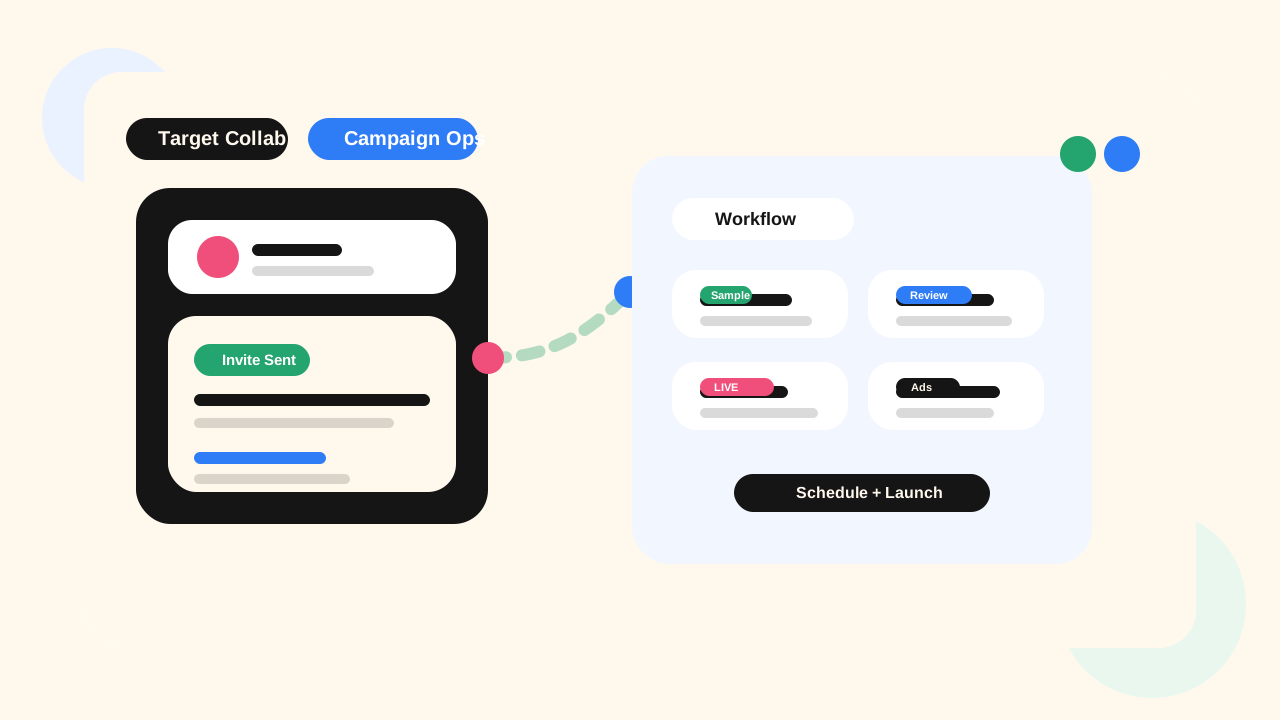
Target Collaboration Is No Longer Just Outreach: TikTok Shop Is Turning Creator Deals Into Campaign Systems
Many teams still treat `Target Collaboration` as a simple private outreach tool: find a few promising creators, send invitations, set a commission, wait for content, and then decide later whether the relationship should go any further.
TikTok's recent official signals suggest that this view is already too narrow.
Across Seller Center collaboration rules, the March 2026 guidance around affiliate creative commission and LIVE Shopping Ads, and TikTok's more recent investment in Creator Academy, LIVE education, and seller-creator matching programs, the platform is pointing in one consistent direction: Target Collaboration is no longer just a way to contact creators. It is being shaped into a manageable, reviewable, schedulable creator campaign system.
That matters for brands and TikTok Shop teams because creator collaboration can no longer be managed only through two questions: "Will the creator accept?" and "What commission should we offer?"
The platform is already turning Target Collaboration into a project sheet
Start with TikTok's own definition and setup rules, and the structure already looks much more like a project sheet than a message thread.
First, sellers can choose different payment structures inside Target Collaboration itself. You are not limited to commission. TikTok supports both flat-fee and commission-only setups. Under the flat-fee flow, creators submit videos within an agreed period and get paid after the content is approved by the seller or the platform. The importance of this is not just that TikTok added another payment model. The platform is clearly treating creator content as a managed deliverable.
Second, sample logic is being pulled into the collaboration structure. TikTok's guidance explains that sellers can configure Target Collaboration by product, offer free samples, or refund the sample cost after a creator delivers the first sale. That effectively moves sampling out of an offline side process and into the collaboration design itself.
Third, invitations can define collaboration duration, preferred content types, and even a `creator flash sale` for creators who can go LIVE. This is one of the clearest product signals. TikTok is no longer framing creator collaboration as a one-post transaction. It is allowing brands to schedule creator work around events, windows, and selling scenarios.
In other words, the inputs are no longer just "Is this creator worth inviting?" The inputs are becoming "How long should this collaboration run? What type of content is needed? Will it connect to LIVE? How should samples be handled? What budget logic applies?"
That is much closer to a campaign brief than an outreach button.
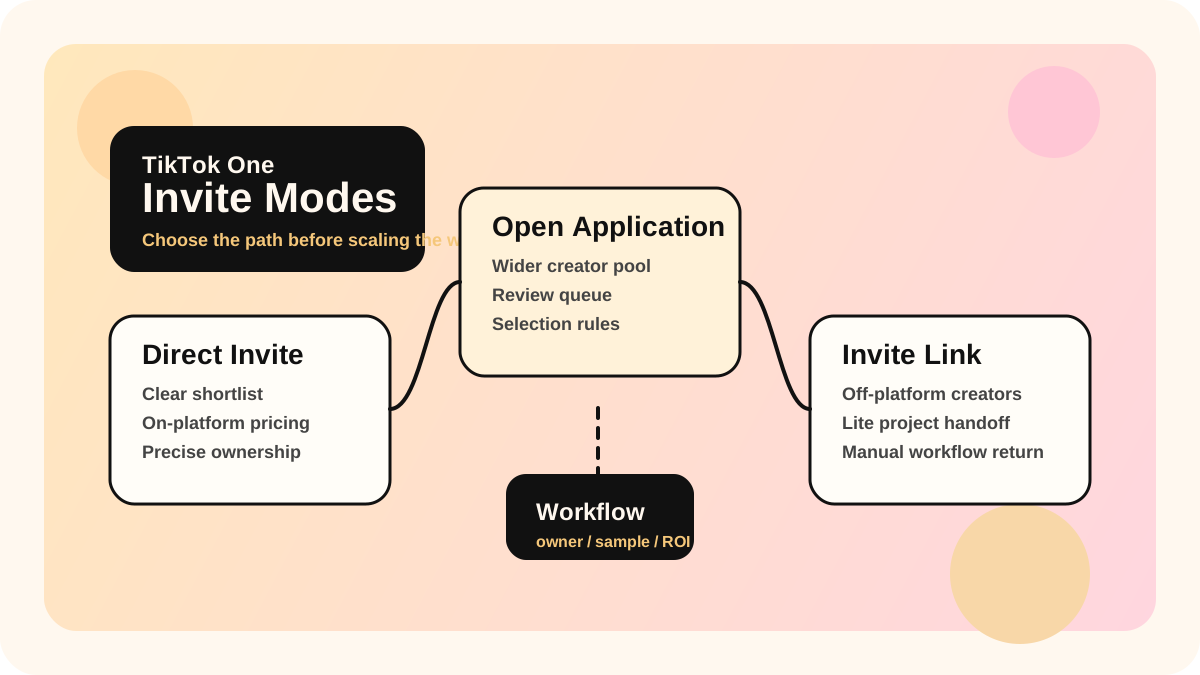
Open Collaboration is for supply. Target Collaboration is for priority execution
Another important signal is that TikTok has now made the priority relationship between Open Collaboration and Target Collaboration explicit.
If the same product is configured in both, a creator receives only one commission rate, and TikTok clearly states that the Target Collaboration rate takes priority. The meaning behind this design is straightforward: TikTok expects brands to tier creator management.
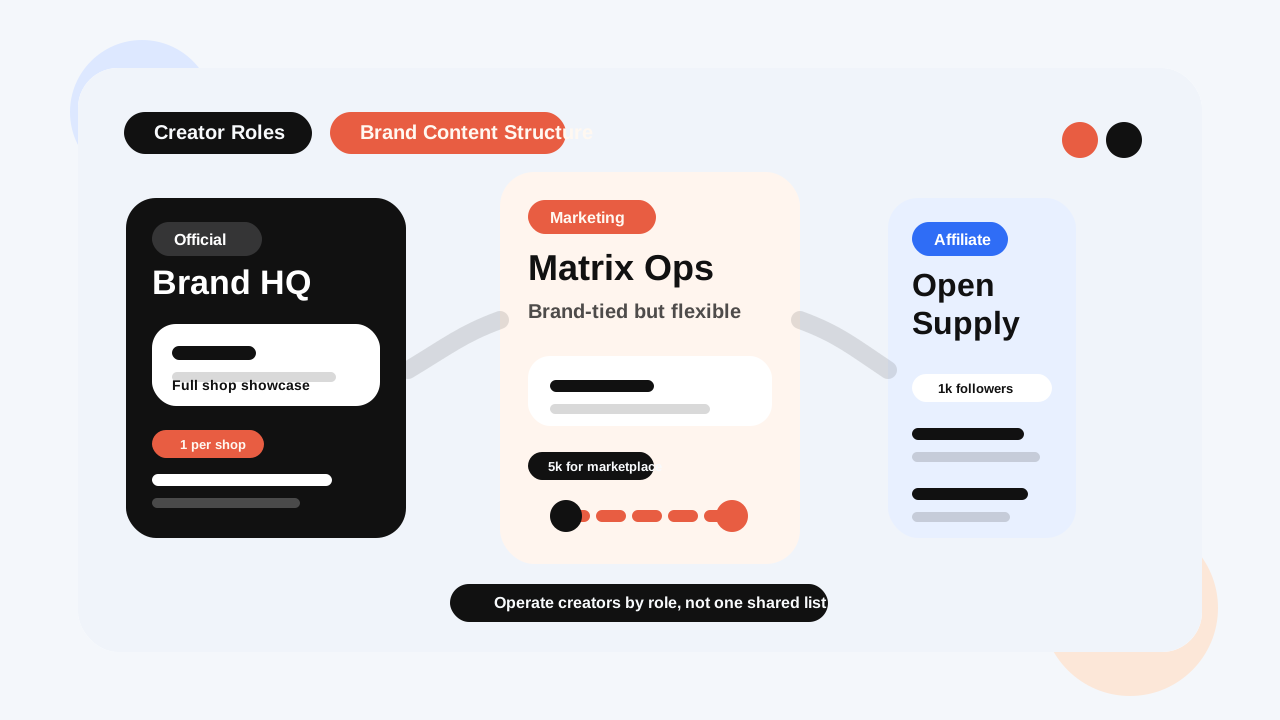
Open Collaboration behaves more like a front-end supply pool. It is useful for broad creator testing, wider seeding, and organic content supply. Target Collaboration behaves more like a priority project lane. It is better suited for key SKUs, key creators, event moments, and content you want to manage more deliberately.
These are no longer just "public" versus "private" collaboration modes. At the product level, they represent two different operating motions.
If a team manages both with the same rhythm, the costs show up quickly. Priority creators end up treated like generic invites, while open-pool creators consume too much manual management. TikTok has already created the structural distinction. Internal workflows need to respect it.
Ad authorization and LIVE planning are being pushed earlier in the process
The biggest shift is not that there is another collaboration page. It is that the ad and LIVE paths behind creator collaboration are getting much tighter.
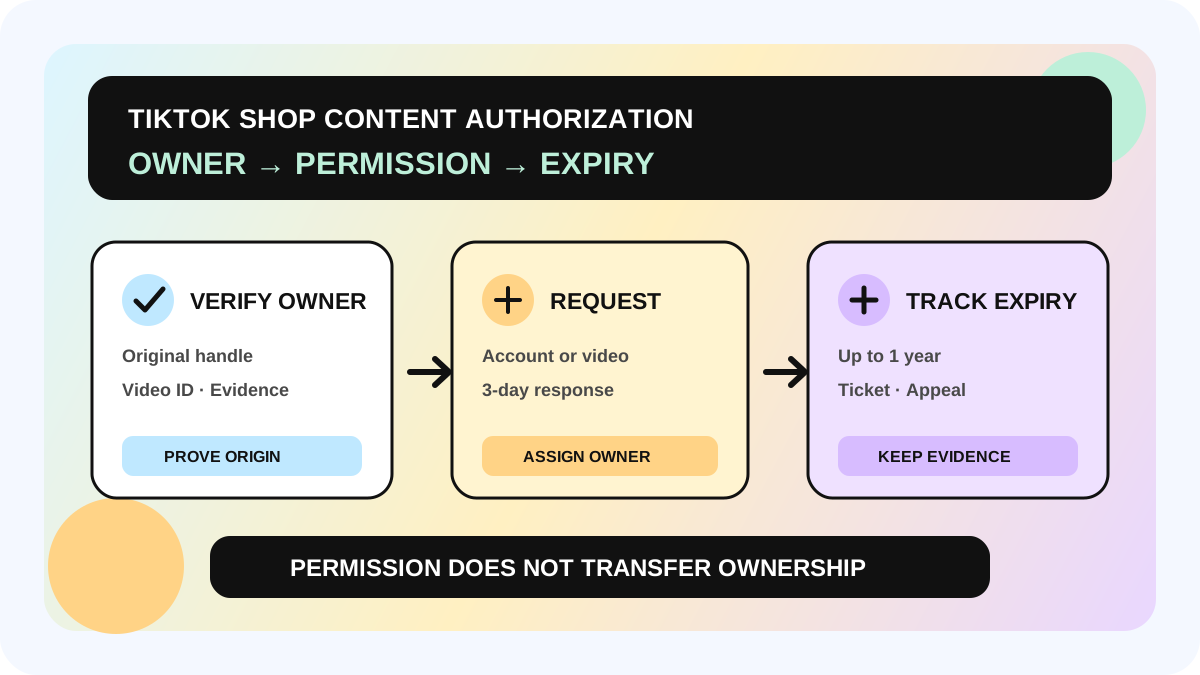
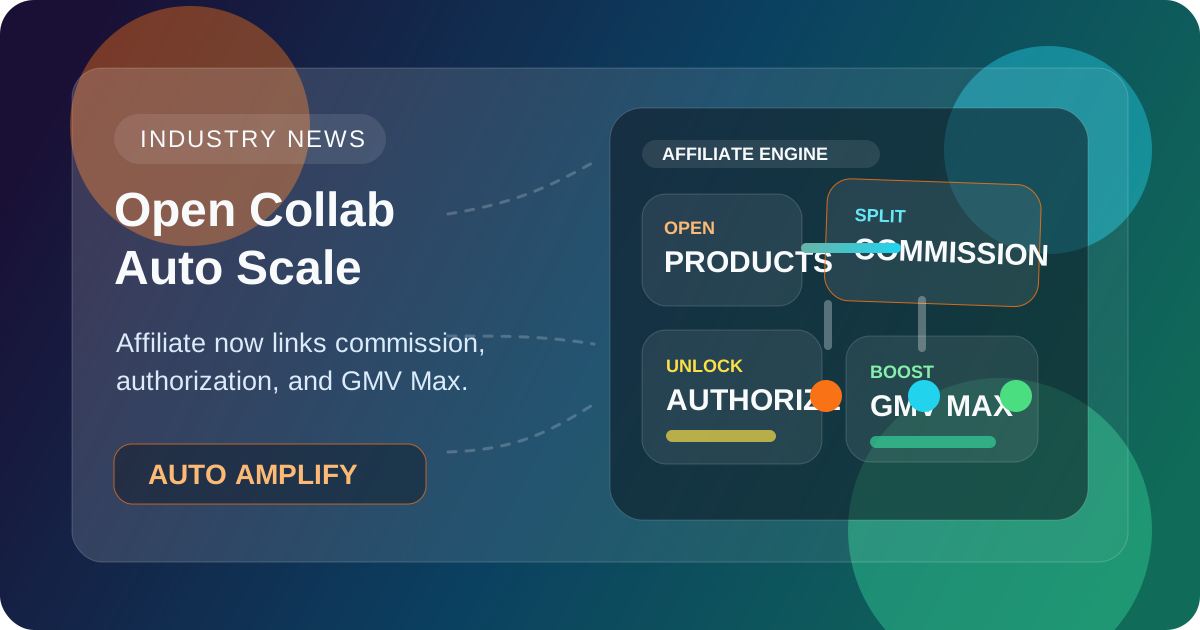
TikTok's documentation for affiliate creative commission and LIVE Shopping Ads makes the logic increasingly clear: creator content does not end at publishing. It may later feed into ads, or connect into LIVE conversion. Whether those ads can continue running may depend on creator authorization status, collaboration validity, and whether the affiliate post still keeps the product link.
That creates a practical operational change: creator collaboration is no longer only the concern of the outreach or content team.
The older pattern was simple. BD or creator operators closed the deal, content went live, and the team decided later whether to use it in paid media or event pushes. That workflow is becoming too reactive. If a creator is expected to support a flash sale, a LIVE activation, or future Shop Ads or GMV Max usage, then duration, sample timing, authorization expectations, and stock planning need to be considered before the collaboration is launched.
The platform is effectively moving downstream execution questions upstream into collaboration design. Define the campaign first, then recruit the right creators. That is a stronger model than recruiting first and improvising the rest later.
The real upgrade is not feature awareness. It is management design
Many teams will read these updates and conclude that they simply need to use Target Collaboration more often. That misses the point.
The real upgrade is in how creator work is managed.
- During creator selection, teams should decide whether the collaboration is for organic testing, event spikes, LIVE momentum, or future ad-asset recovery.
- During invitation setup, duration, content format, sample terms, fee structure, and LIVE requirements should be designed together instead of patched in later.
- After content delivery, teams should know which creators are one-off contributors and which should move into a priority pool for ongoing ads, LIVE, and new product launches.
- During event execution, creator timing, inventory, flash-sale windows, paid amplification, and authorization validity should be visible in the same operating view.
If those steps remain scattered across chats, spreadsheets, emails, and memory, stronger platform capabilities will not automatically create stronger execution.
How allymatic reads this shift
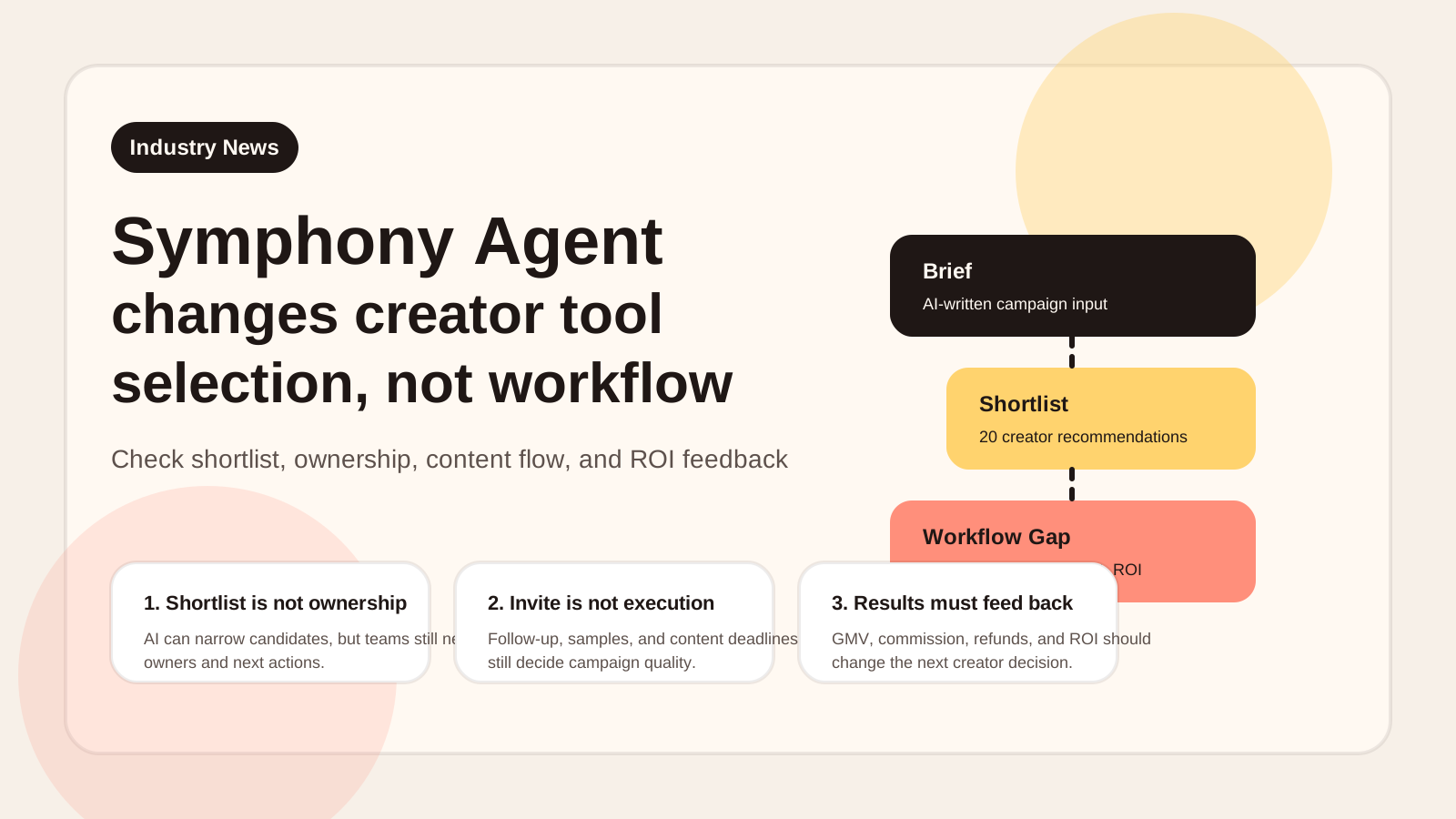
From the allymatic perspective, the key signal is not that TikTok added another creator feature. It is that the platform is standardizing creator collaboration into something much closer to project management.
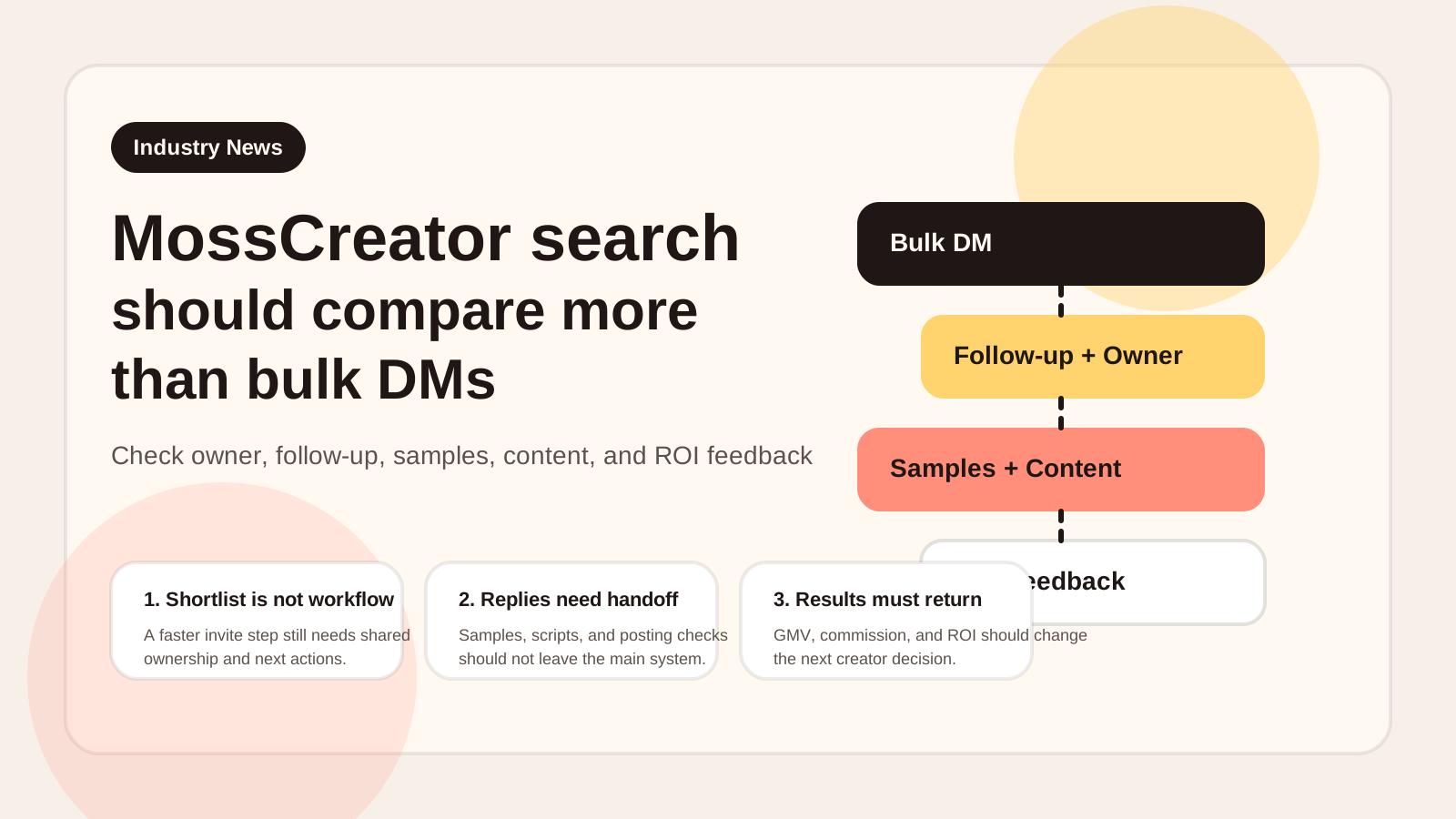
Flat fees, sampling support, collaboration duration, video review, creator flash sales, and ad authorization used to live in separate motions. Now they are being pulled into one operating logic. That means the strongest teams will not simply be the ones that can reach many creators. They will be the teams that can schedule, track, review, and reuse creator collaboration the way they would run a campaign.
In 2026, TikTok Shop creator collaboration is looking less like a chain of ad hoc tasks and more like an operating system.