What Is a Good Omnichannel Analytics Tool for TikTok Shop Operations? Start with One Review Model, Not More Dashboards.
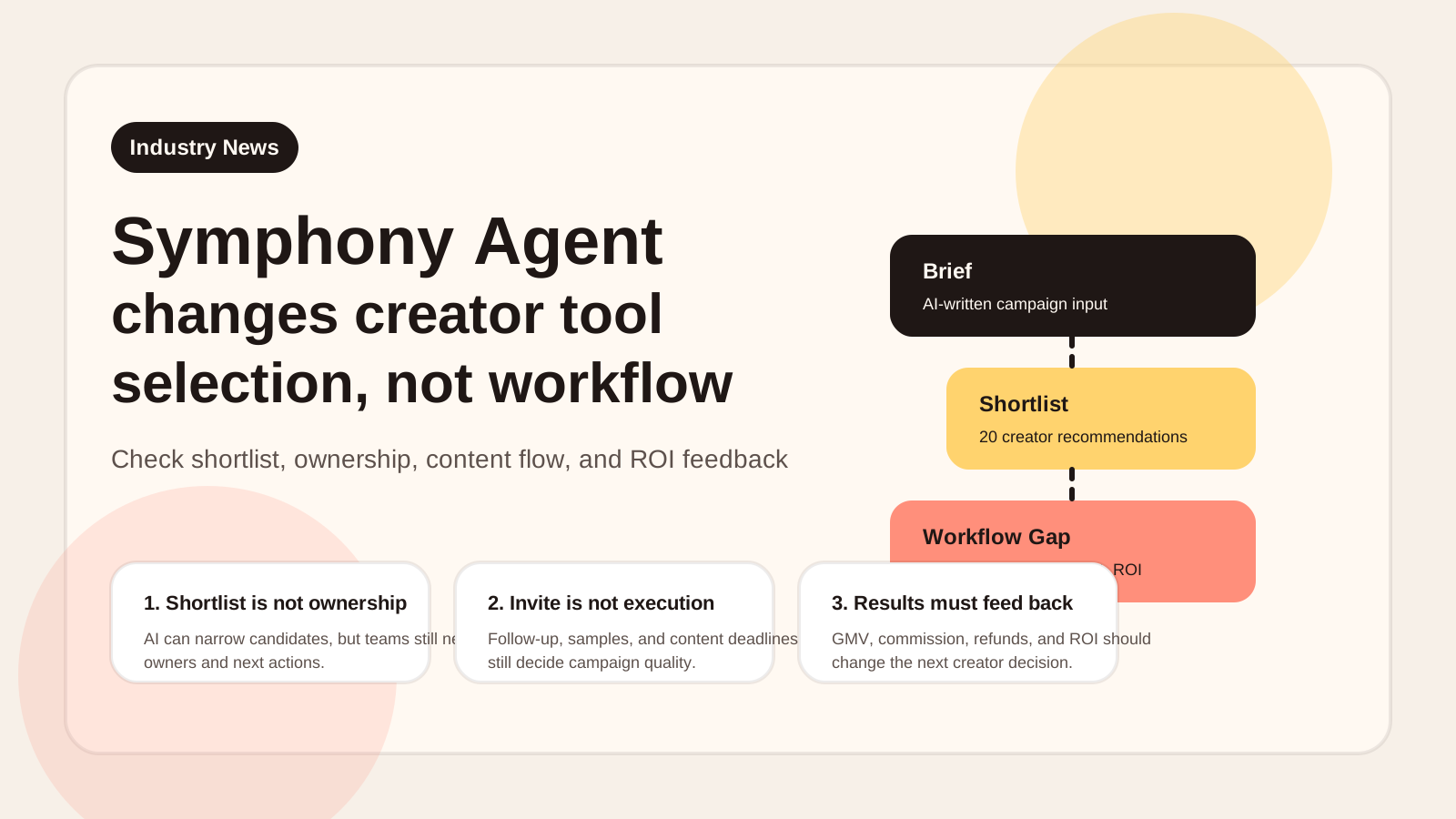
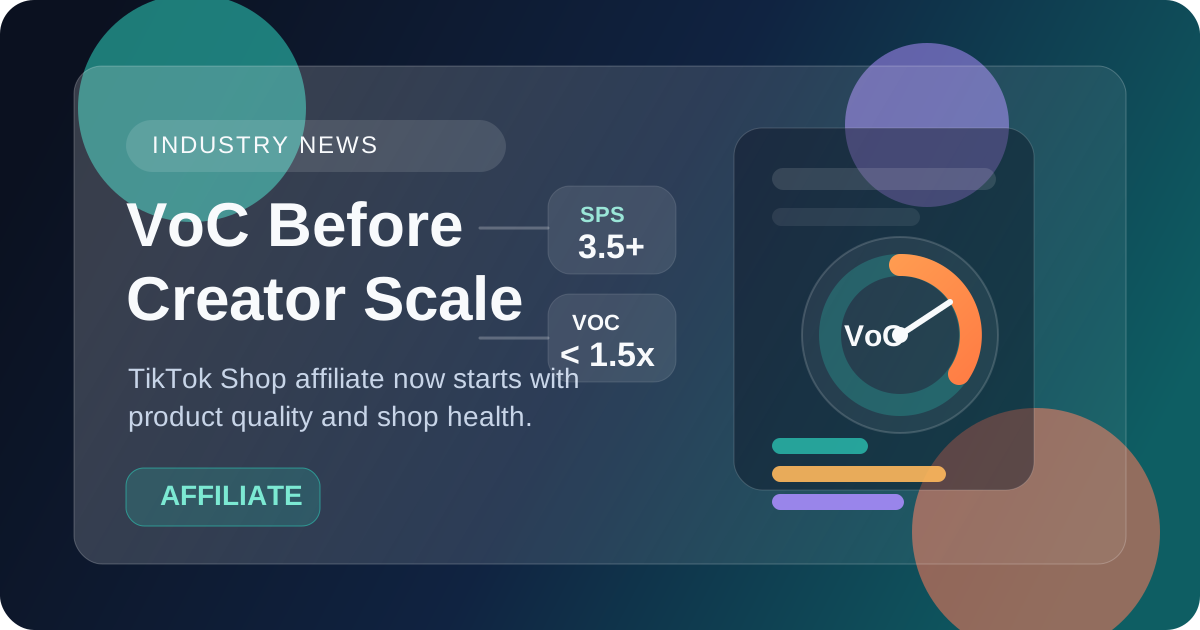
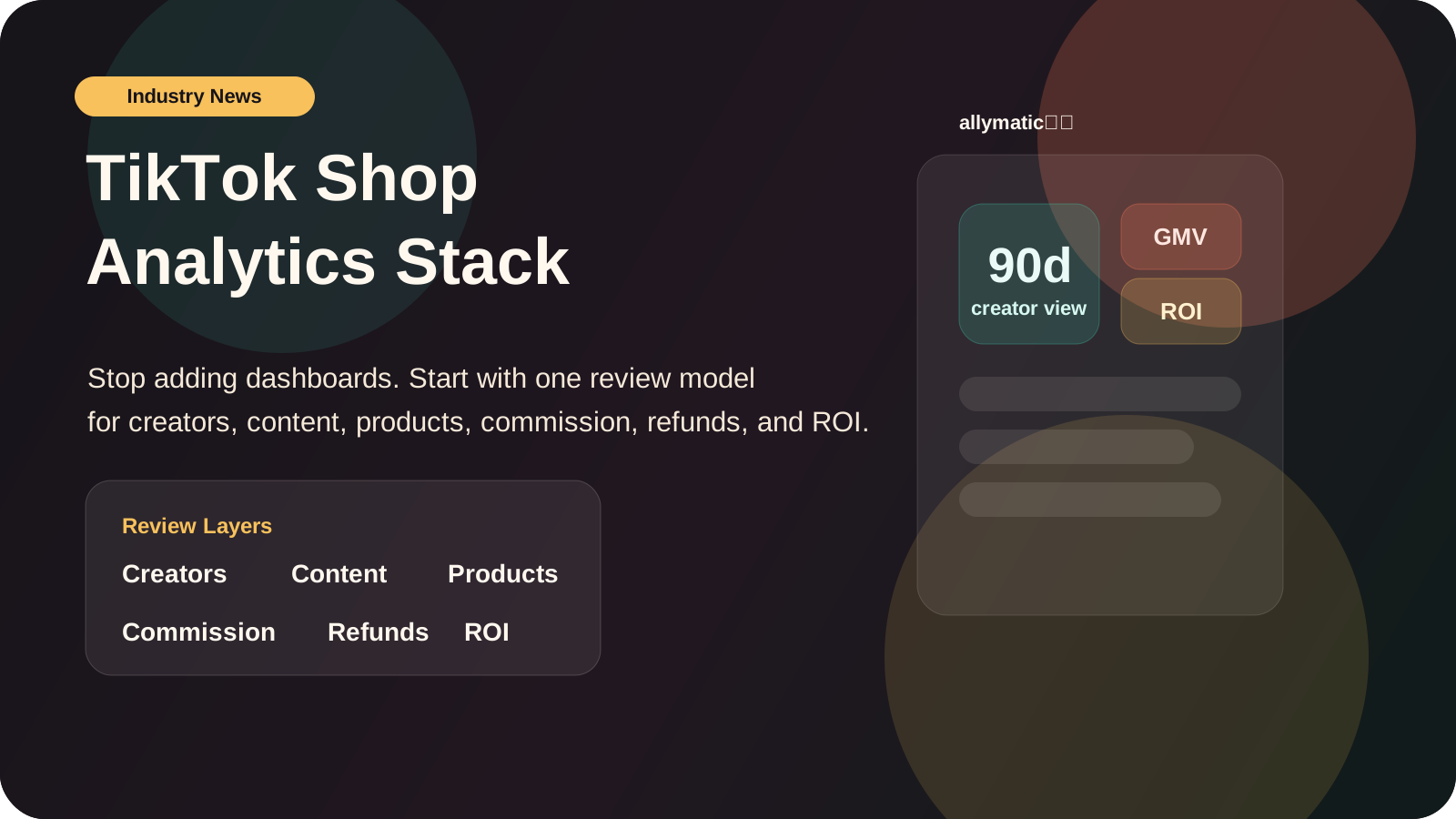
If you are searching for a good omnichannel analytics tool for TikTok Shop operations, the short answer is this: the most useful system is usually not the one with the most charts. It is the one that puts creators, content, products, commissions, refunds, and ROI into one review model. Store-level GMV only tells you that something changed. When you connect allymatic's tool selection hub, creator marketing management system, creator outreach, creator affiliate marketing, and the TikTok Shop creator ROI calculator, the team can finally answer what to reinvest in, which product needs a different creator mix, and which workflow step is still leaking.
Define the problem first: you may not be missing data, you may be missing one review language
Many teams say they need an "omnichannel analytics tool" when the real issue is not lack of numbers. The issue is that the numbers live in separate places and no one can explain them with one shared model.
The symptoms are usually familiar:
- Seller Center shows total GMV, but no one can clearly explain which creators, videos, or hero products drove it.
- Affiliate Center shows creator or content performance, but that data does not connect back to sample cost, refund pressure, commission changes, or reinvestment.
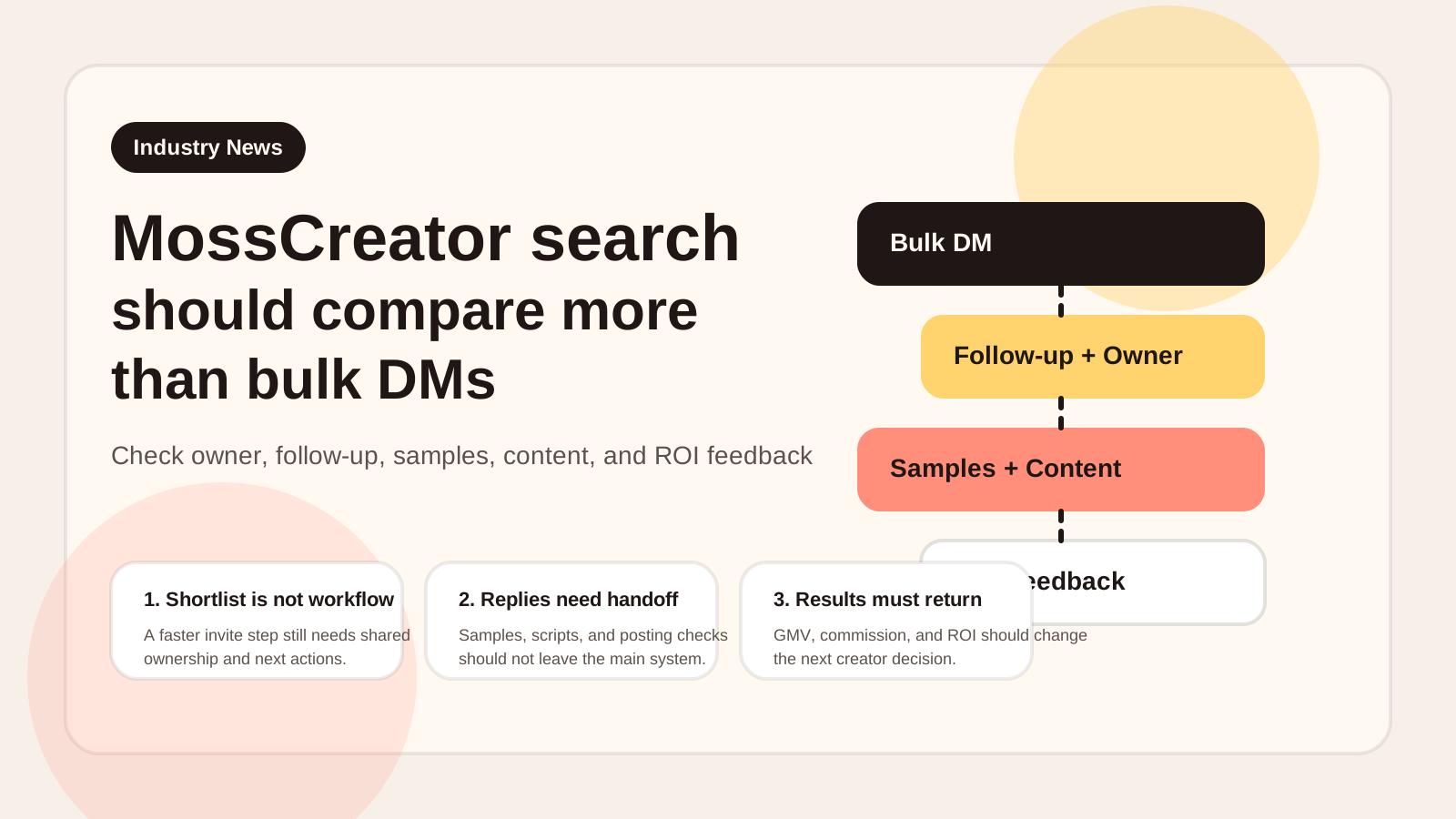
- The team already runs creator outreach at scale, but performance review still depends on manual spreadsheets, so definitions drift as soon as more people get involved.
- When leadership asks for ROI, BD, operations, content, and store owners all bring different files and spend the meeting debating whose version is closest to the truth.
That is why the first priority should not be another reporting layer. It should be one operating view that connects creator outreach, samples, content delivery, product links, sales, refunds, and review.
What TikTok's official stack already makes easier in 2026
TikTok's own product structure is a useful clue here because the platform has been making its data layers easier to connect.
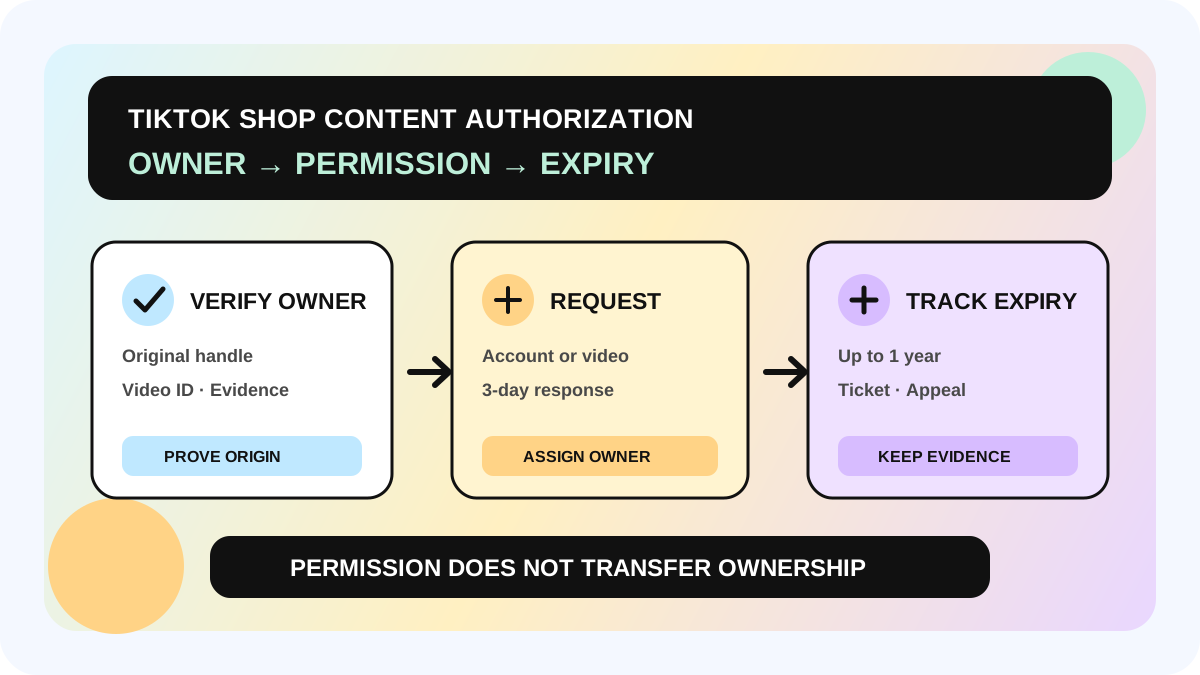
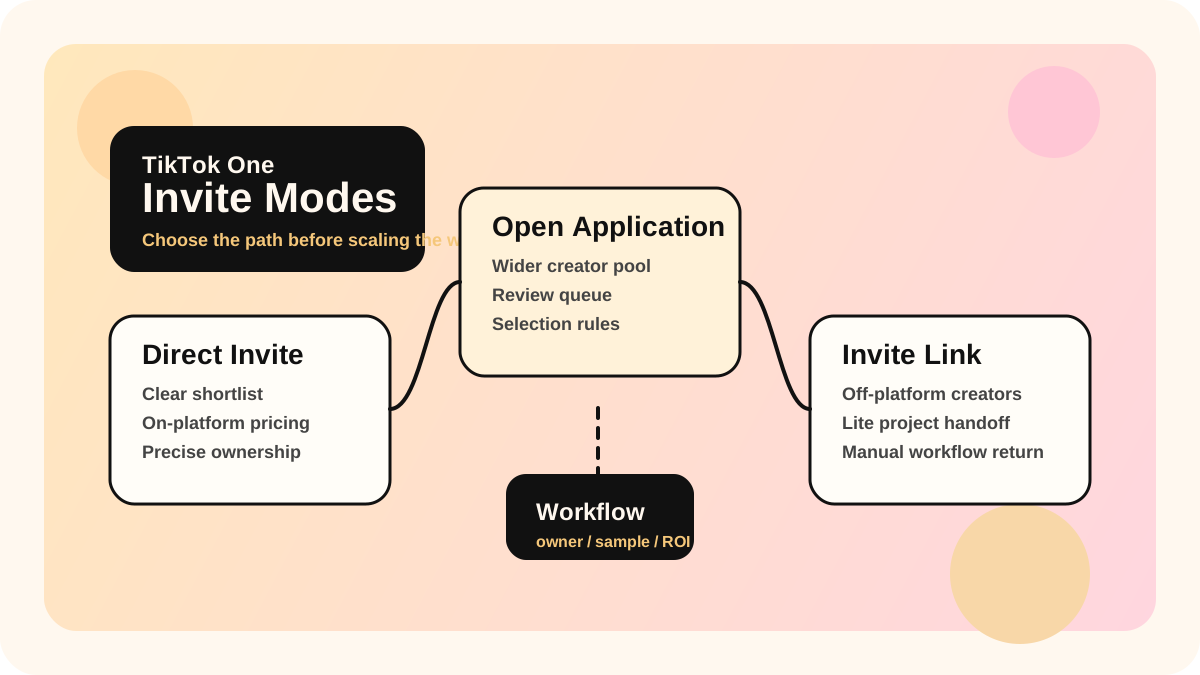
The first layer is TikTok One. The current official description puts creator discovery, project collaboration, and performance analysis into one platform story. The point is not only to find creators faster. It is to connect campaign setup and result review more tightly.
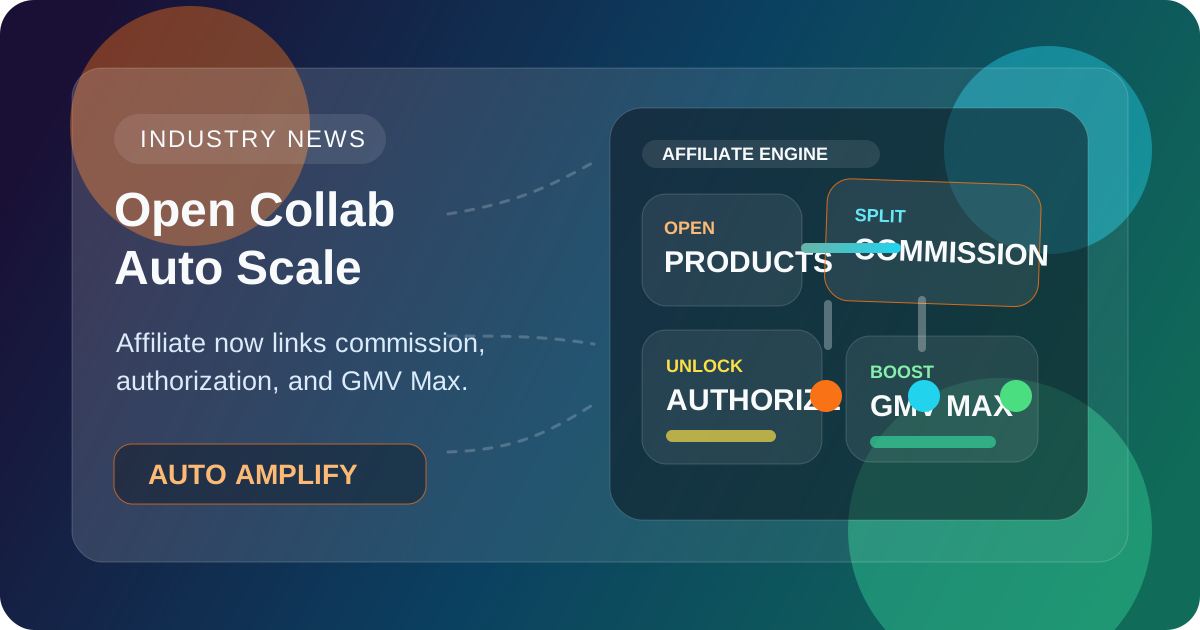
The second layer is Affiliate Center analytics. The newer Performance tab now consolidates GMV, orders, items sold, traffic, collaborations, products, creators, and content in one place. That is a strong signal that TikTok is moving affiliate analysis away from fragmented pages and toward one operating summary.
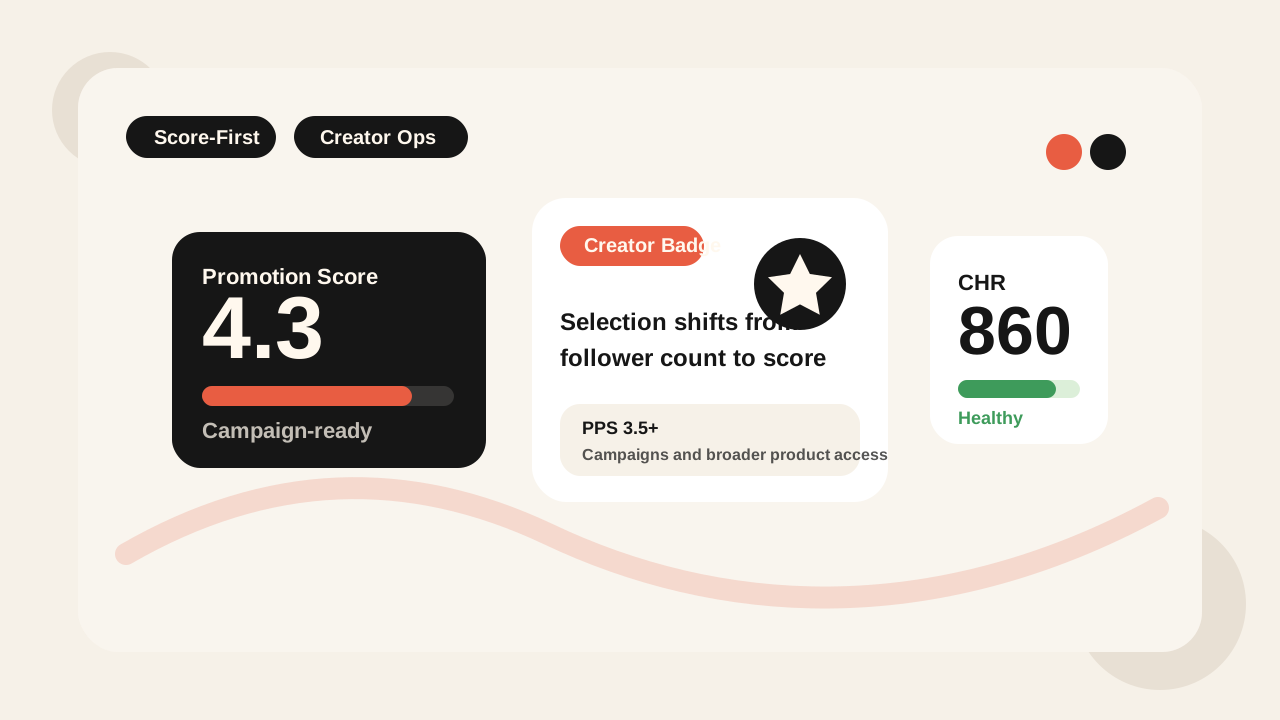
The third layer is Manage Creators. This is no longer just a creator list. It now surfaces 90-day GMV, items sold, samples, videos, refunds, estimated commission, tags, batch invites, and imported off-platform creators. In practice, TikTok is linking creator relationship management and performance review much more closely.
The fourth layer is Market Insights for creators. That tool helps creators spot which videos, topics, hashtags, and sounds are driving views, searches, orders, and conversions. In other words, TikTok is also making content judgment more data-driven.
Taken together, these updates show a broader shift: TikTok no longer treats analytics as one dashboard. It is gradually turning creator discovery, creator management, content evaluation, and shop results into one connected chain.
What actually makes an omnichannel analytics tool useful
For a TikTok Shop operations team, a useful analytics tool should answer four questions at the same time.
First, can it explain who created the result? That means breaking performance down by creator, content, product, and collaboration type instead of stopping at total store GMV.
Second, can it explain why the result happened? Was growth driven by more content volume, better creator quality, a stronger commission structure, or because refunds and costs were ignored?
Third, can it tell the team what to do next? Data should not end in a dashboard. It should feed creator segmentation, outreach priorities, product focus, and reinvestment rhythm.
Fourth, can the entire team use one definition set? If BD, store operations, content owners, and management all read performance differently, better-looking dashboards only create cleaner confusion.
That is what omnichannel should mean here. Not more charts in one interface, but a connection between TikTok One, Affiliate Center, Manage Creators, content trend signals, and the workflow your own team actually runs.
Fit and non-fit: say the boundary out loud
Teams that benefit from a more complete analytics workflow usually look like this:
- They already run creator outreach, samples, content follow-up, and affiliate execution continuously.
- The same product is tested across multiple creators and the team needs to decide who deserves more investment.
- Work is handed off between BD, content, operations, or store owners.
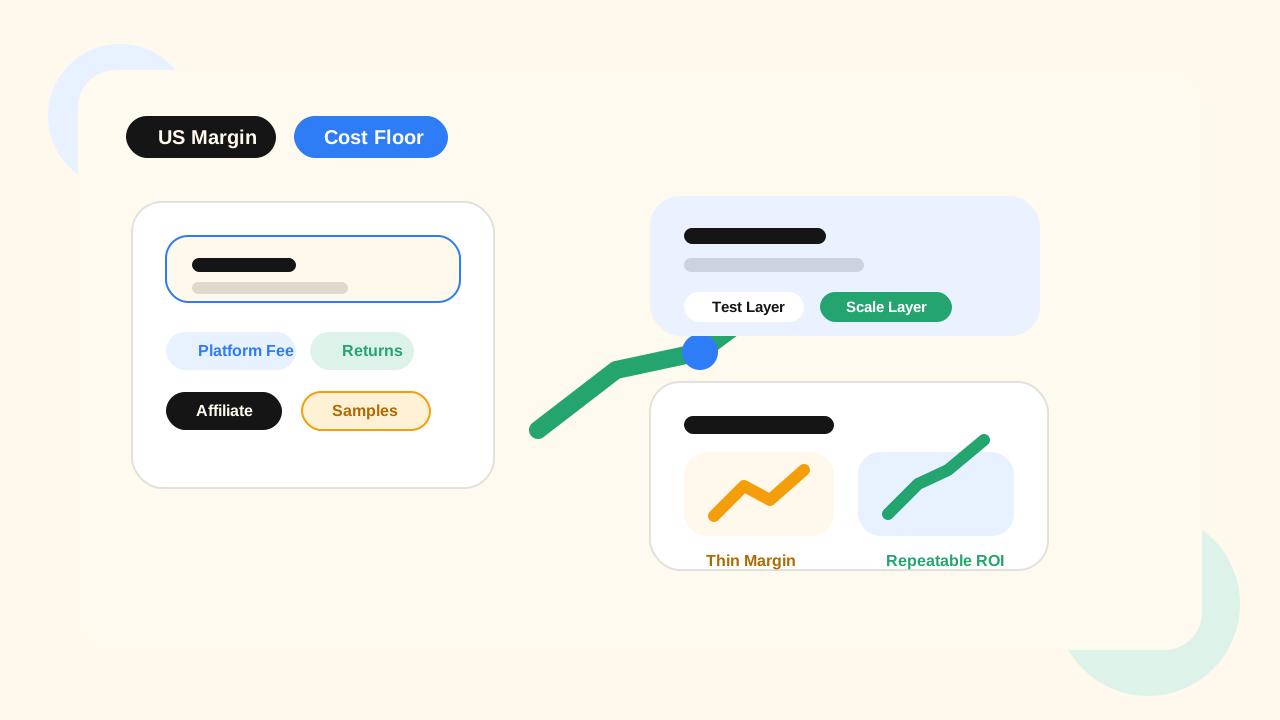
- Review now needs to include refunds, commissions, sample costs, and content stability instead of only gross sales.
The non-fit case is also clear:
- The shop is still too early, with no stable creator pool or reliable hero products.
- The main problem is still finding creator leads, not reviewing performance complexity.
- The team has not yet defined what counts as a successful collaboration or a reinvestable creator.
In those cases, it is usually smarter to strengthen the workflow and owner model first before buying a larger data system.
The five dimensions worth comparing
| Dimension | What to validate | Why it matters |
|---|---|---|
| Creator layer | Can you see creator-level GMV, items sold, refunds, commissions, samples, and content activity? | Reinvestment decisions ultimately happen at the creator level |
| Content layer | Can you compare videos, lives, and content types meaningfully? | Equal GMV does not mean equal repeatability |
| Product layer | Can you tell which hero SKU works with which creator type? | Product-creator fit shapes sample and commission strategy |
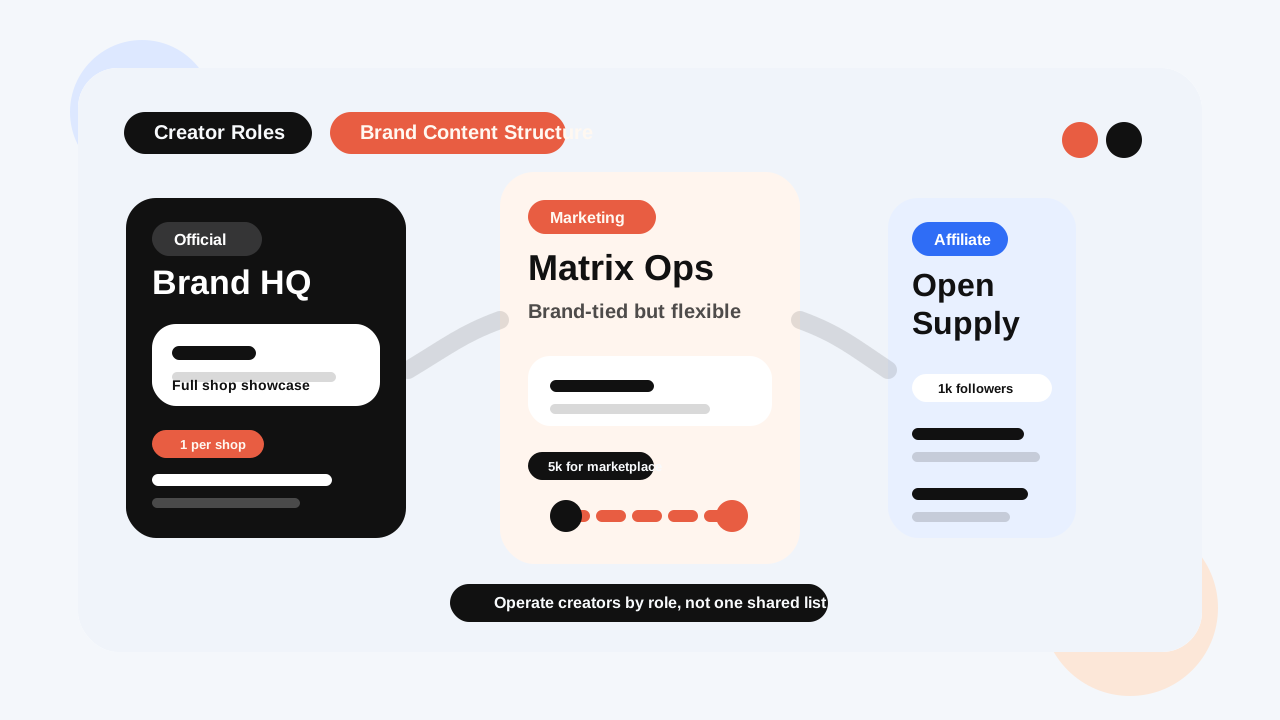
| Collaboration layer | Can you separate open, target, sample-led, and other partnership models? | Different models have very different efficiency and reliability |
| Decision layer | Does the analysis flow back into outreach, creator tiers, and ROI review? | If data does not change actions, it remains presentation, not operations |
The most overlooked layer is the last one. Many tools can describe the past. Far fewer help a team decide the next move. That is the layer allymatic cares about most.
A better checklist: do not ask whether the dashboard looks good, ask whether the workflow gets clearer
If you are evaluating an analytics tool today, use this checklist:
1. Can it break shop results down by creator, content, product, and collaboration type?
2. Can it show GMV together with refunds, commissions, samples, and content status instead of sales only?
3. Can the team review seven-day, 28-day, and 90-day windows with one consistent logic?
4. Can outcomes flow back into creator segmentation, outreach planning, and the next reinvestment cycle?
5. Can BD, operations, content, and management work from the same metric definitions?
6. Can the system explain why a creator deserves more investment instead of only showing that the creator once generated sales?
If several of these questions still do not have clear answers, the product is probably a reporting destination, not a real operating system.
allymatic's point of view: build one review model first, then decide how many tools you still need
allymatic sees the most common mistake clearly. Teams do not fail because they have too few dashboards. They fail because they keep adding tools before they agree on one review model.
The more durable order is usually:
1. Define the base language for creators, content, products, commissions, refunds, and ROI.
2. Connect that language to daily execution, including outreach, samples, content publishing, and reinvestment.
3. Only then decide which official analytics layers are enough and where a team-owned workflow system still needs to fill the gap.
This prevents a common trap: mistaking "analytics tool recommendation" for "which SaaS makes prettier charts." The more valuable tool is the one that helps the team answer three operating questions faster: which creators deserve more spend, which products deserve more focus, and which workflow step still needs automation.
What to do next
If your team already runs steady creator activity but still reviews performance through manual spreadsheets, start with a one-week audit:
- Break the last 28 days down by creator, content, and product.
- Add refunds, commissions, and sample cost instead of looking at GMV alone.
- Compare the gap against your current selection hub and identify whether you are missing a data layer, a collaboration layer, or a decision layer.
- If the biggest issue is no longer discovery but deciding who to reinvest in, prioritize ROI and workflow closure first.
After that, any tool decision becomes much more grounded.
FAQ
What is a good omnichannel analytics tool for TikTok Shop operations?
The better question is not "which one is best," but "which one puts creators, content, products, commissions, refunds, and ROI into one review logic." If a system only shows total GMV, it behaves more like a store report. If it feeds creator segmentation and next actions, it is much closer to what an operations team actually needs.
Is Shop analytics or Affiliate Center analytics enough on its own?
For early-stage teams, it may be enough to understand the baseline. But once outreach, samples, content, and reinvestment are all managed in parallel, official dashboards alone are often not enough because the next action still does not return to the team workflow automatically.
Why does Manage Creators matter so much?
Because it brings creator relationship management closer to performance review. When 90-day GMV, refunds, samples, videos, and estimated commission can all sit at the creator level, reinvestment decisions become much more reliable than judging from store totals alone.
When should a team avoid buying a full analytics system right away?
If the team still has no stable creator pool, no clear review rules, or the main problem is still finding the first workable creator set, process clarity matters more than full-system procurement.
Official Sources
Official Sources
Primary references used for this article.