New Shops No Longer Start With Mass Creator Seeding: TikTok Shop Is Linking Setup, Ad Incentives, and Profile Merchandising Into One Launch System
Many teams still approach a new TikTok Shop launch the old way: find creators first, open public affiliate plans, push out a batch of content, and only later go back to connect paid ads, profile merchandising, and the ad account structure.
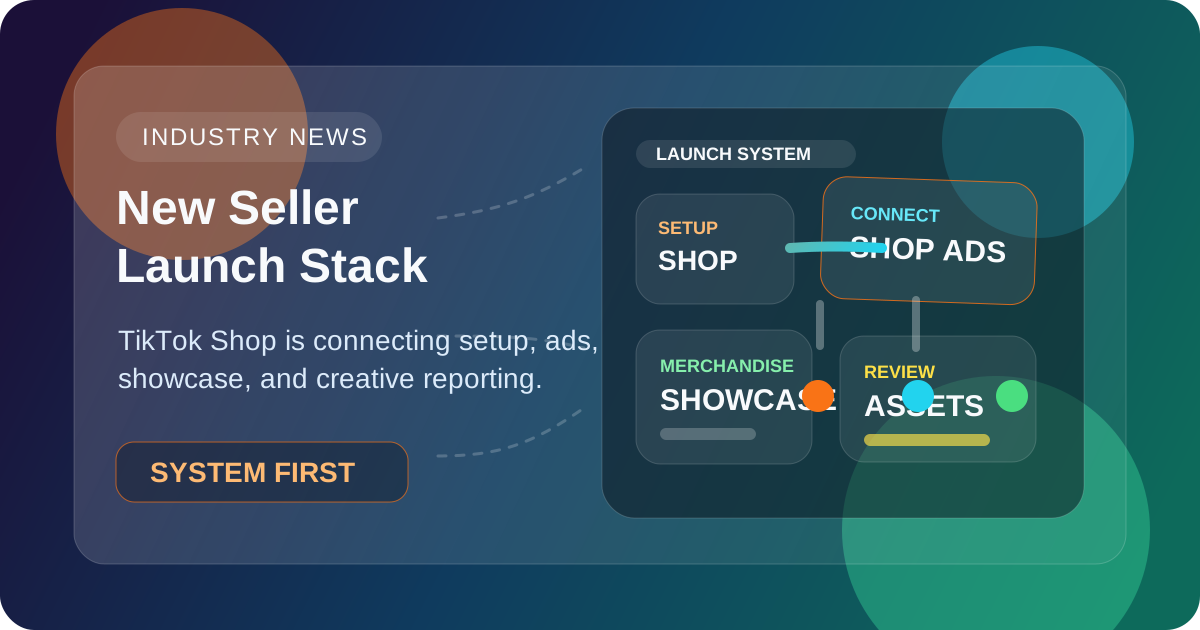
That order used to be workable. But if you connect TikTok's official updates from around June 2026, the platform is clearly pushing a different launch model. TikTok Shop is now tying together shop setup, ad incentives, profile merchandising, product links, and creative reporting into one operating chain. The goal is to make brands launch the store, the ad account, and the content surface as one system instead of relying on manual creator volume first.
Creators still matter. But they should no longer be the first move in a launch. The real upstream task is to connect the store foundation, the ad entry point, and the merchandising surface before scale arrives. Otherwise, even if a team gets creators posting, it will struggle to turn that content into a stable commerce system.
TikTok is shifting new-seller launch from an ops task into a systems task
The first important signal is that TikTok Shop has moved ad incentives directly into Seller Center operations.
TikTok's June 2026 guidance on acquisition incentives says that most TikTok Shop sellers receive an advertiser account automatically. Eligible shops can connect that account inside Seller Center, some regions show a promotion banner that sellers can join directly, and in other regions the coupon is issued automatically after the first GMV Max campaign is published.
This is not just a benefit program. The structural signal matters more. TikTok no longer treats opening a shop and advertising as two separate downstream capabilities. It wants new sellers to connect the ad account as part of the initial shop operating setup. For brand teams, that means launch planning is no longer only about products, creators, and samples. It also includes whether paid growth can step in immediately.
The second signal is that primary ad account control now sits inside Seller Center as well.
TikTok updated its June 2026 guidance to let sellers change the primary ad account connected to the shop directly from Seller Center. That tells us the platform does not want shop operations, Business Center, and ad buyers running as isolated tracks. It wants the primary ad account, Shop Ads ownership, and incentive eligibility managed inside the same commercial panel.
Once the ad account becomes part of shop launch, the launch logic changes. The older model was: get content live first, then decide later whether to spend behind it. The newer model is increasingly: connect the paid infrastructure first, then decide which content deserves amplification.
Profile merchandising is moving upstream, and creator content is no longer a one-time exposure
The third shift is that TikTok is defining the relationship between TikTok Shop and Showcase much more explicitly.
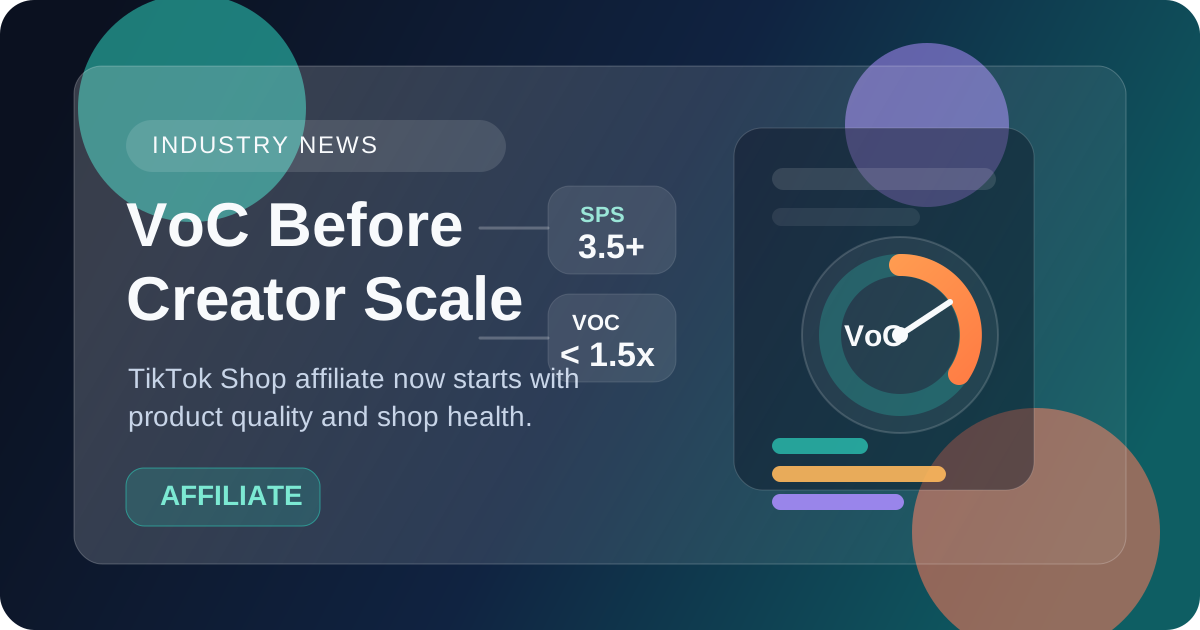
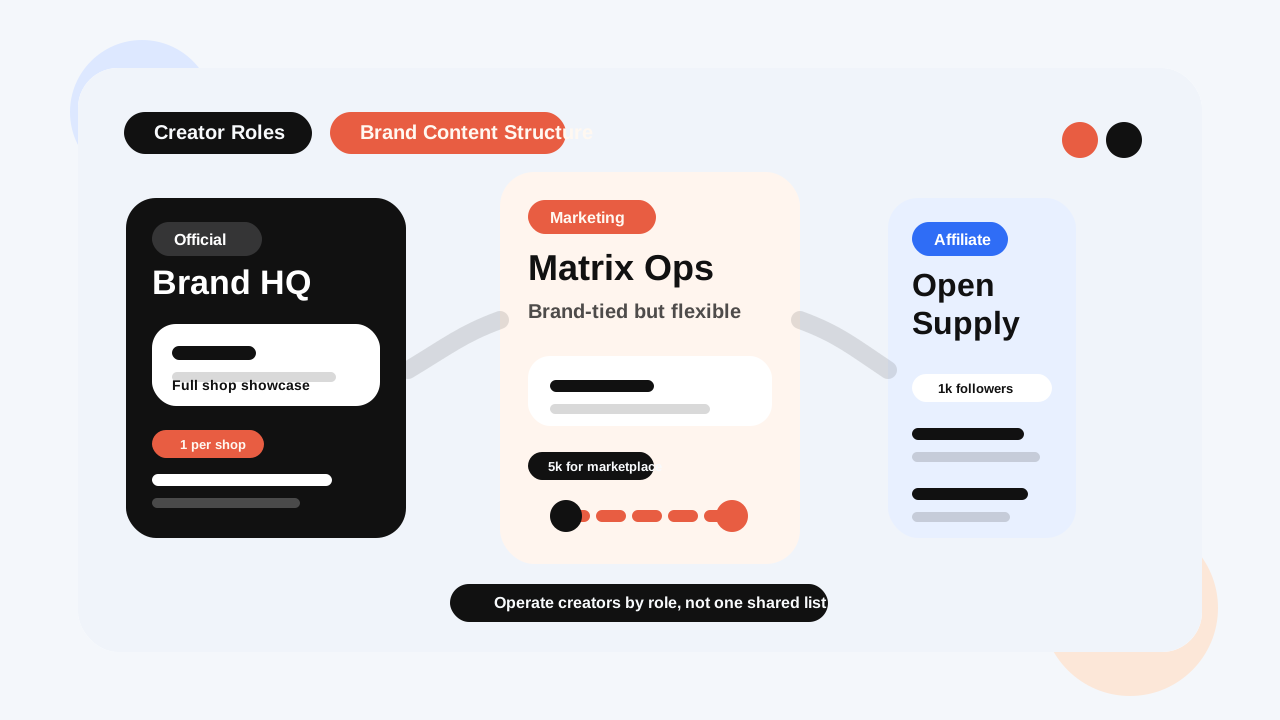
According to the latest Help Center guidance, official accounts, marketing accounts, and affiliate accounts can all display products, with different scopes of display. That means a brand's official account, marketing account, and affiliate-facing account are no longer just publishing identities. They are becoming commerce surfaces that can carry products and absorb conversion intent.
That makes the old habit of saying "let's post content first and fix the profile later" increasingly inefficient. Once creator content carries product links, the user journey does not end at the video. People move into the profile, the product collection, the Showcase, and eventually the Shop tab. TikTok is clearly pushing brands to build that merchandising surface earlier.
In practical terms, creator collaboration is no longer only about whether a video gets posted. It is about whether that video sends traffic into a prepared destination. Which products appear on the profile, which SKUs are shown by marketing accounts, and which hero products are carried in affiliate-facing surfaces will increasingly shape conversion efficiency after the view.
That is why new shops can no longer focus only on creator volume. If the merchandising surface is not ready, creator content becomes one burst of traffic. If it is ready, creator content becomes a repeatable feeder into a long-term storefront.
Creative reporting is also being centralized, so launches need asset-level review
The fourth shift is Shop Creative Hub.
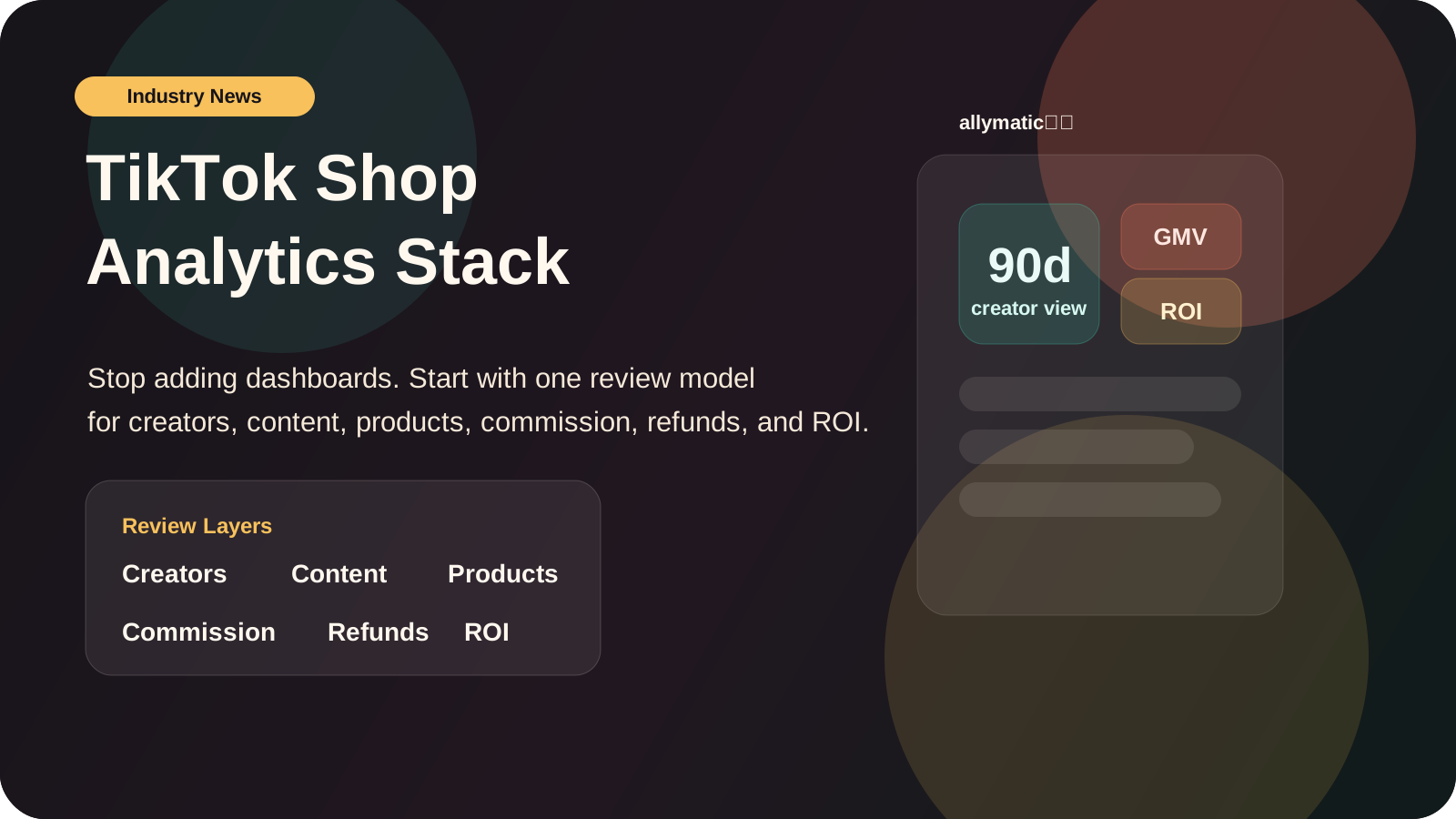
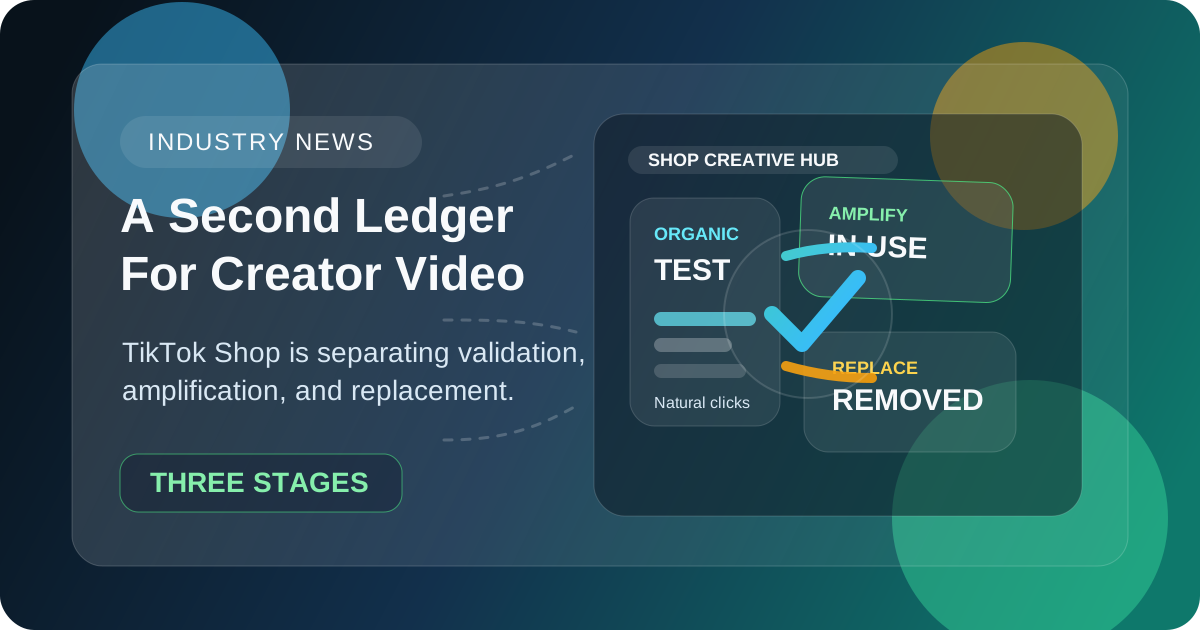
TikTok describes it as a centralized Seller Center dashboard for TikTok Shop creative assets. Importantly, it does not only include ad creatives. It also includes videos that were posted with product links and videos used in Product GMV Max. That definition matters because it shows TikTok no longer sees content as isolated posts. It is treating content as an operating asset that can be filtered, ranked by GMV and orders, and replaced over time.
For brands, this changes the review model after launch. The question should no longer be only which creator posted and which creator did not. It should become: which content pieces entered the merchandising surface, which assets deserve continued spend, and which account combinations work best as front-stage commerce surfaces.
Many teams used to keep only a creator tracking sheet in early launch stages. Once they moved into ads and store operations, they discovered that assets, accounts, product pages, and ad ownership were never actually connected. TikTok is now connecting those interfaces for them. Brand operating methods need to catch up.
How allymatic reads this shift
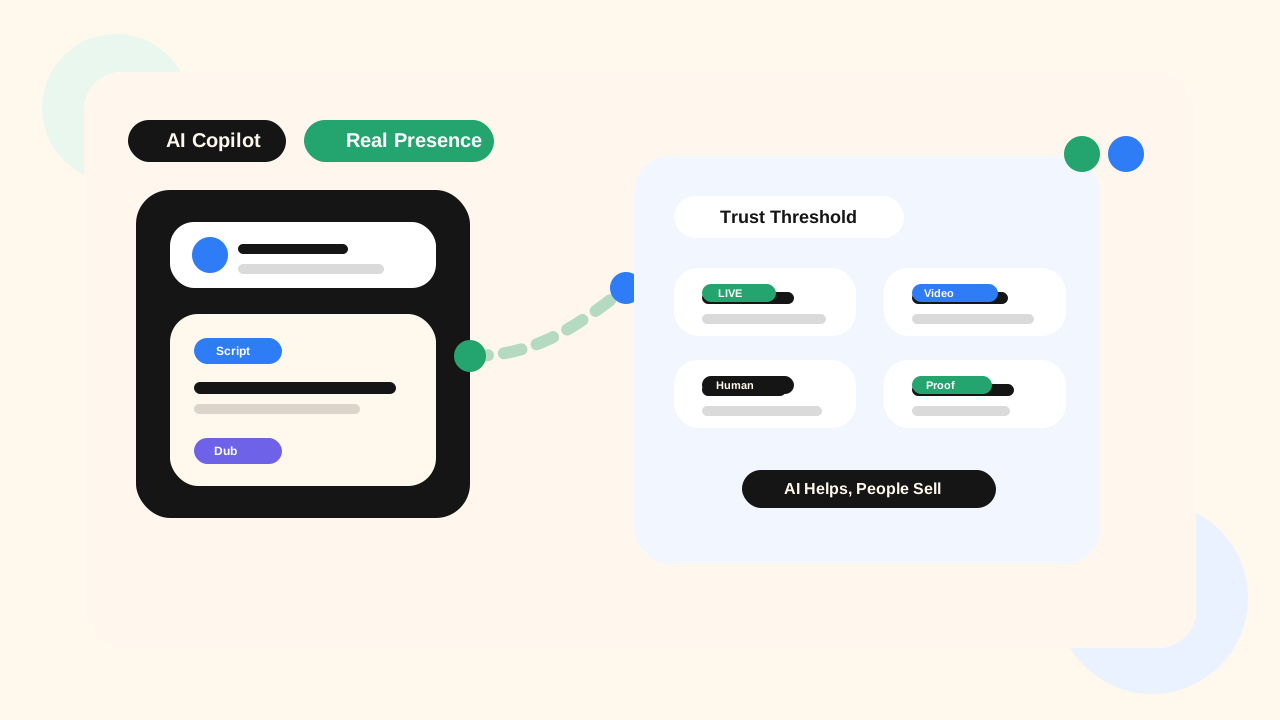
From the allymatic perspective, the most important conclusion is not merely that TikTok now offers new-seller incentives or another profile merchandising entry point. The bigger shift is that TikTok Shop is changing launch from "find creators and post content first" into "connect the store, account, merchandising, and asset chain first, then let creator content scale through it."
This does not reduce the importance of creators. It increases the unit value of creator collaboration. Once the ad account, merchandising surface, product links, and creative reporting are already connected, one strong creator video is no longer just a one-off sales event. It can feed the profile surface, enter GMV Max amplification, and stay inside a reporting system that makes it reusable as a commercial asset.
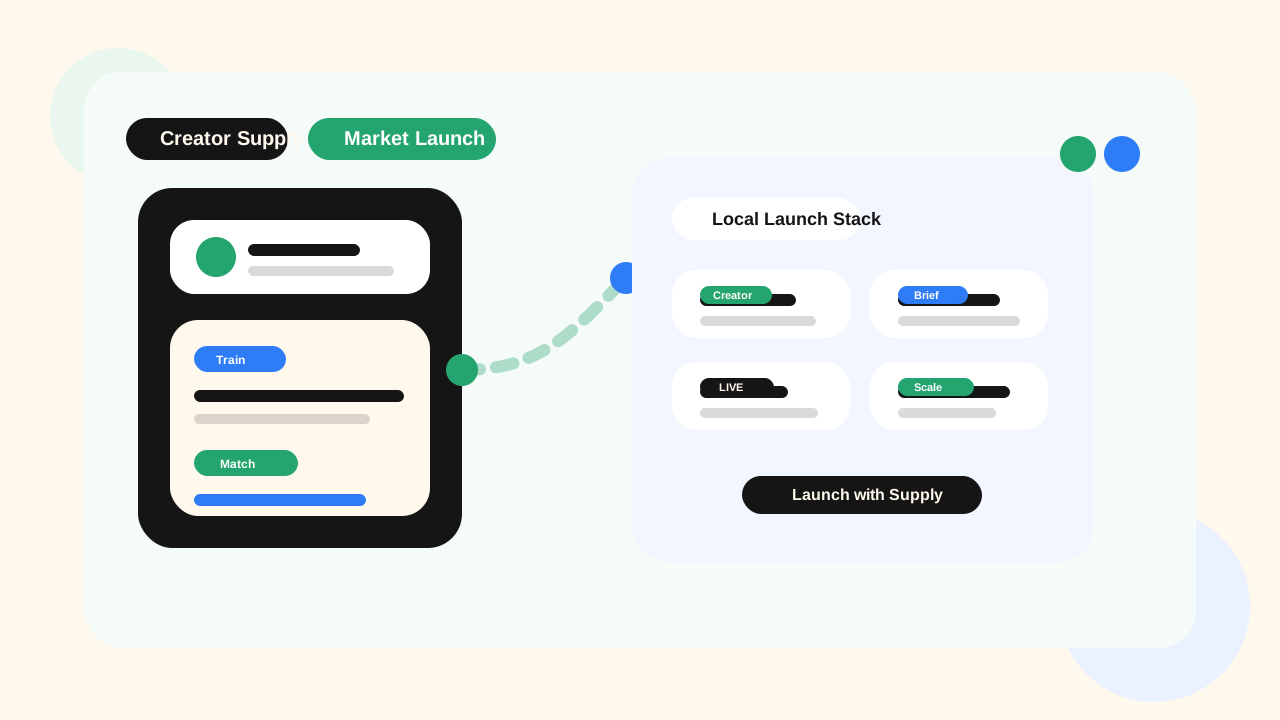
For cross-border brands heading into the second half of 2026, the bigger operating upgrade is not more aggressive creator seeding. It is a more complete launch stack:
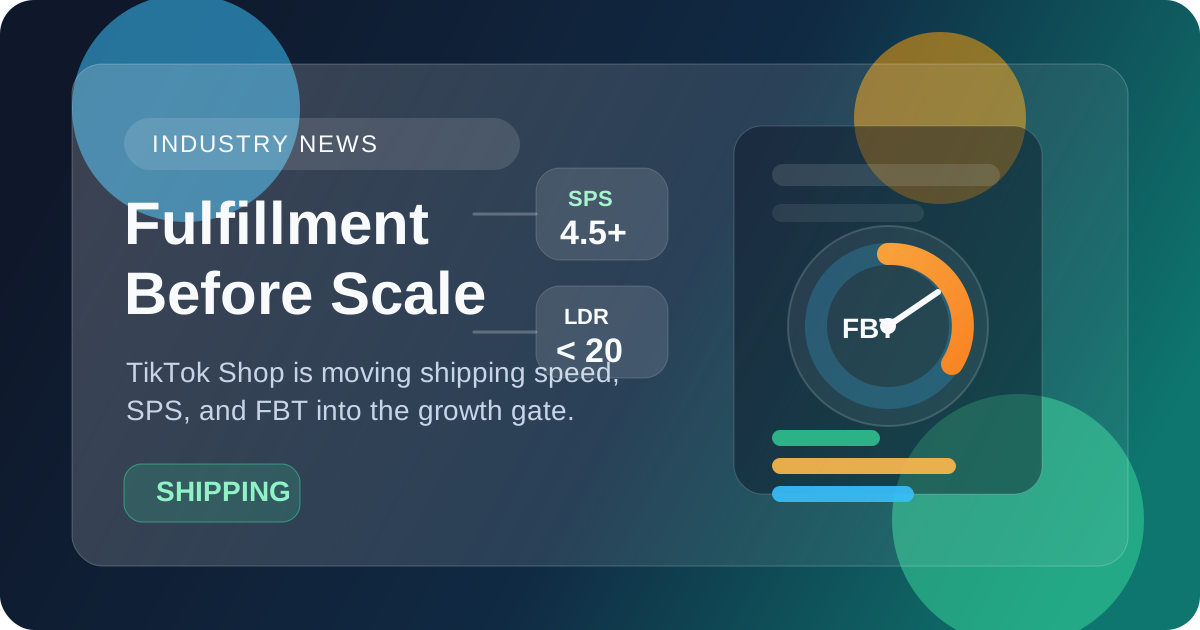
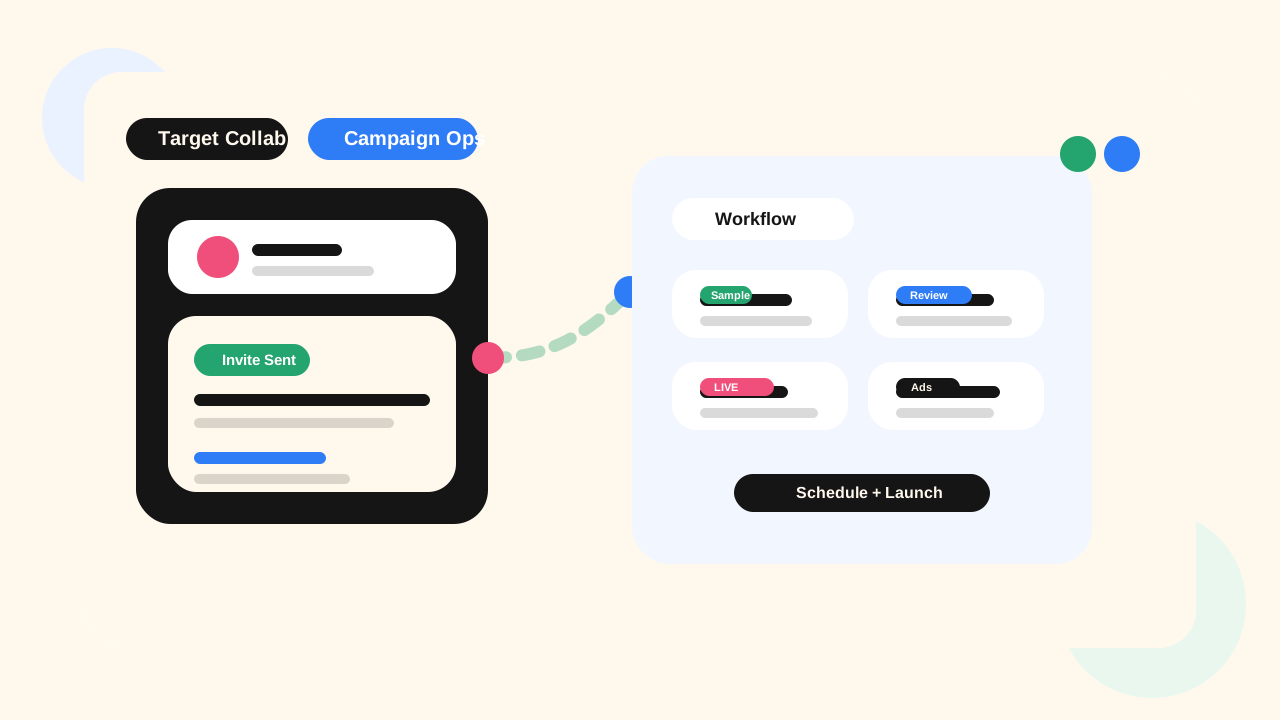
First prepare the shop, payment, fulfillment, and core product pages. Then connect the ad account inside Seller Center. Then define merchandising responsibilities across the official account, marketing account, and affiliate-facing account. Only after that should creator content enter the chain at scale.
The brands that turn launch into a systems connection exercise earlier will be the ones that turn creator collaboration from repeated projects into a durable operating structure.
Official Sources
Official Sources
Primary references used for this article.