Stop Searching Creators First: TikTok One Is Moving Brief Writing Upstream
Many creator teams still begin the same way: search for people first, then sort out the brief later. Find a batch of creators, compare metrics, debate fit, and only after that define the exact angle, deliverable, and collaboration boundaries.
TikTok is trying to reverse that order.
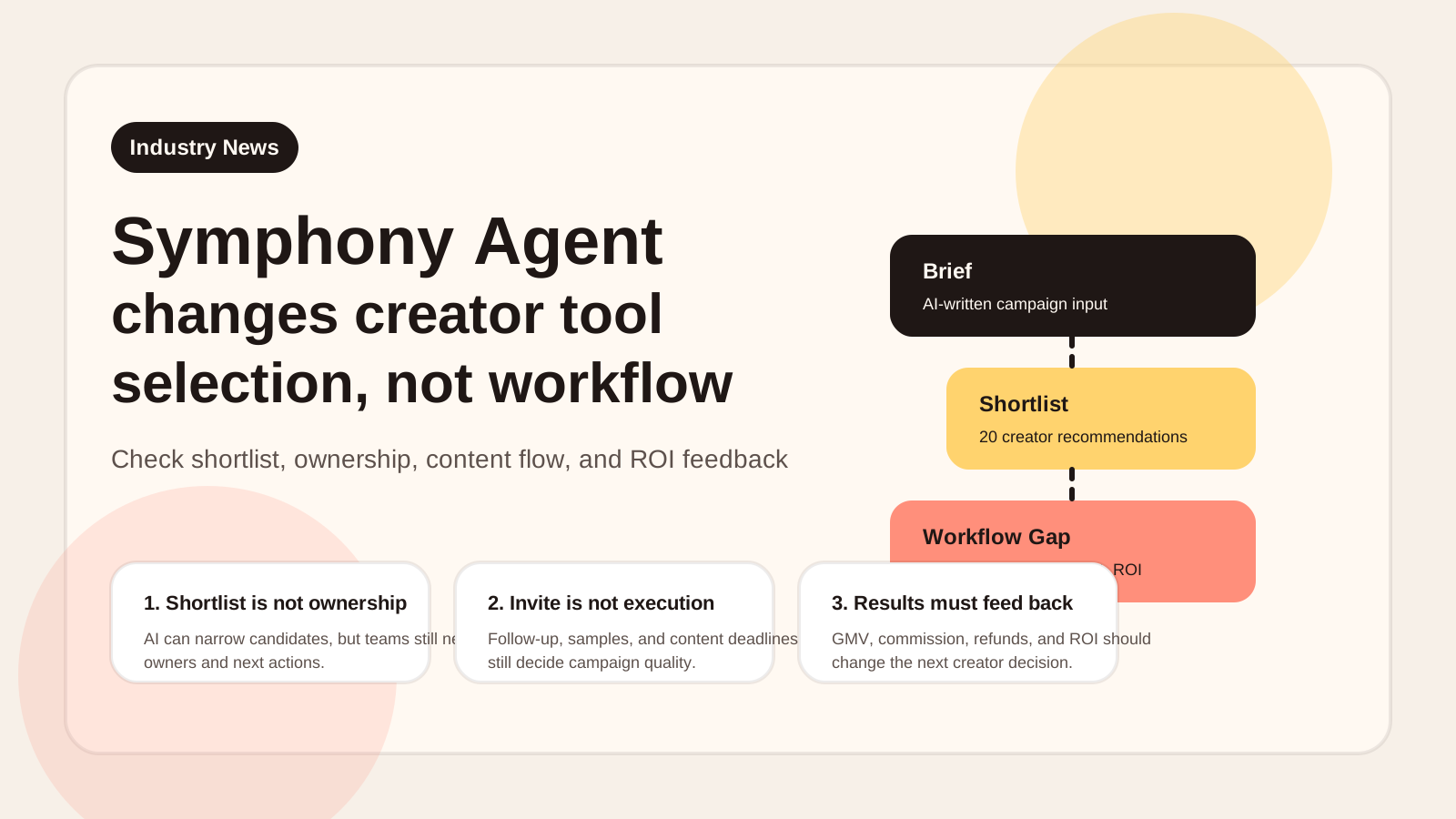
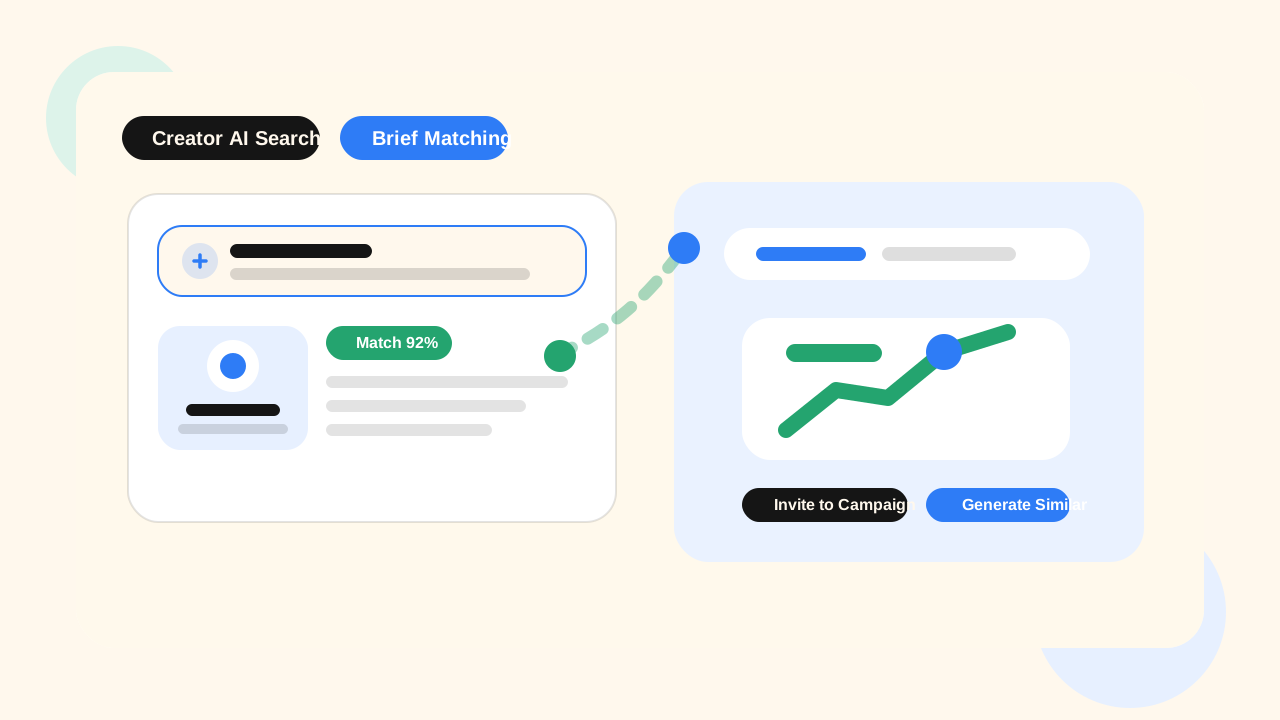
In mid-May, TikTok for Business pushed TikTok One much further to the front and introduced Creator AI Search. Instead of acting like a traditional creator database, TikTok One now supports a workflow where brands can paste in a campaign brief or describe their needs in natural language, and the system returns a more goal-aligned shortlist of creators. At the same time, TikTok One is connecting creator collaboration options, scaled content production, partner services, and later-stage amplification into a more complete operating chain.
That changes the starting point of creator collaboration. The old logic was often "find creators first, then figure out how to work with them." The emerging logic is "define the objective and the brief first, then let the system surface more relevant creators."
Creator search is becoming a brief discipline
On the surface, this looks like a faster discovery tool. But when you put TikTok's recent updates together, the change is much larger than speed.
First, creator discovery is becoming brief-led. TikTok One now emphasizes that brands can input campaign needs directly and receive creator recommendations based on those goals. In practice, that means TikTok is moving creator collaboration away from simple keyword search and toward project definition. Brands are no longer just looking for "beauty creators" or "tech creators." They are expected to define product angle, content objective, audience direction, and collaboration preferences earlier.
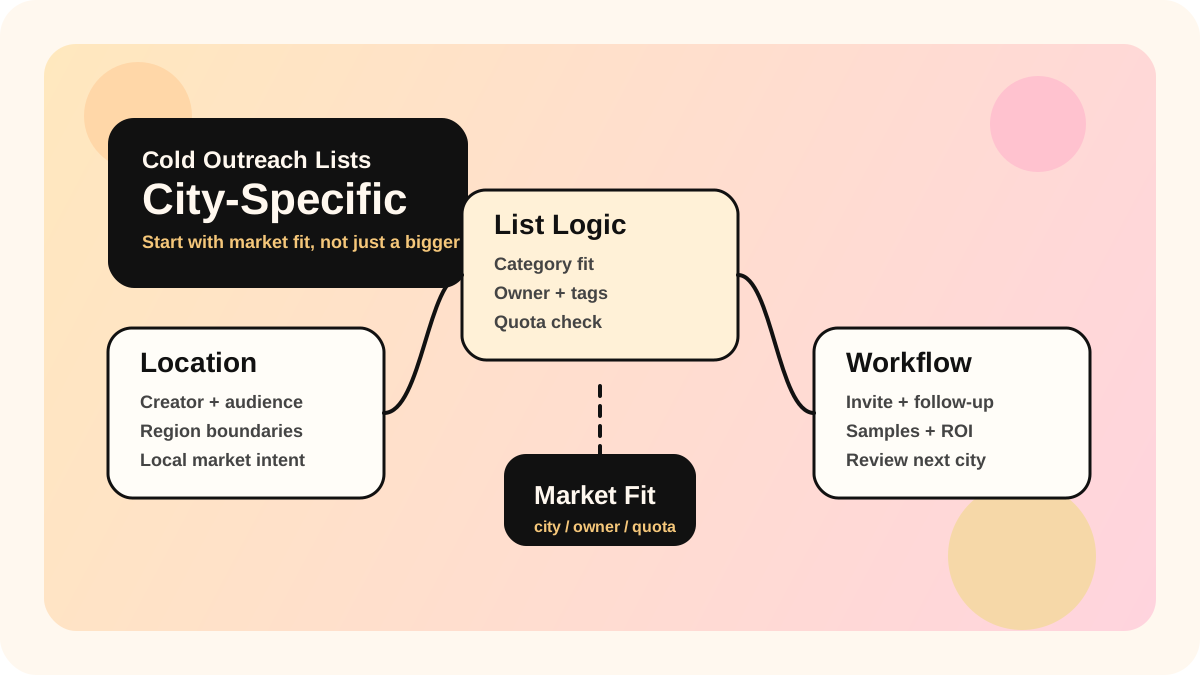
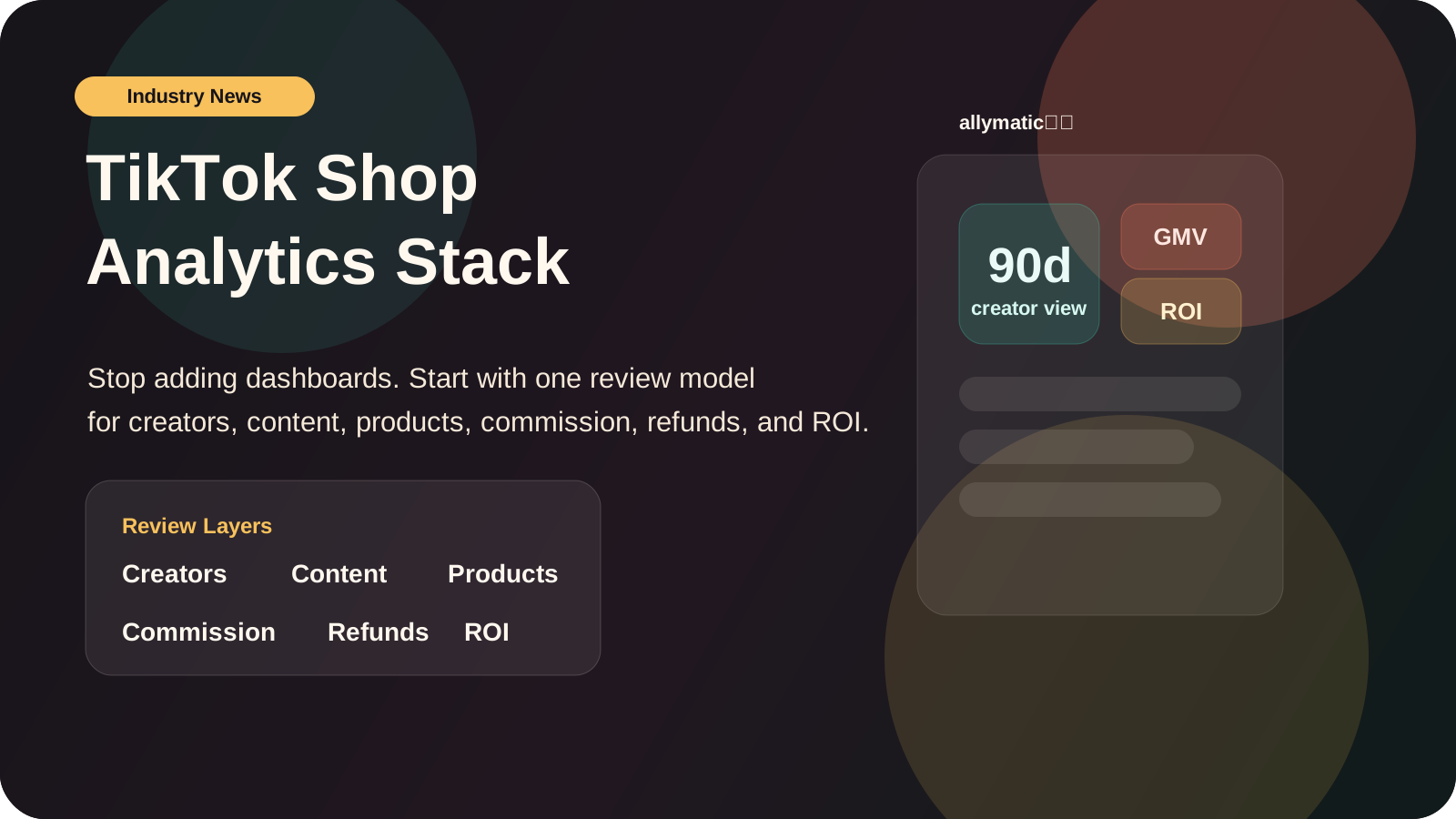
Second, the platform is making creator judgment more structured. TikTok's help documentation highlights filters and evaluation signals such as creator location, audience location, follower count, median views from recent videos, engagement rate, audience age, similar creators, and creator rankings. The platform is clearly signaling that creator decisions should not rely on follower count alone.
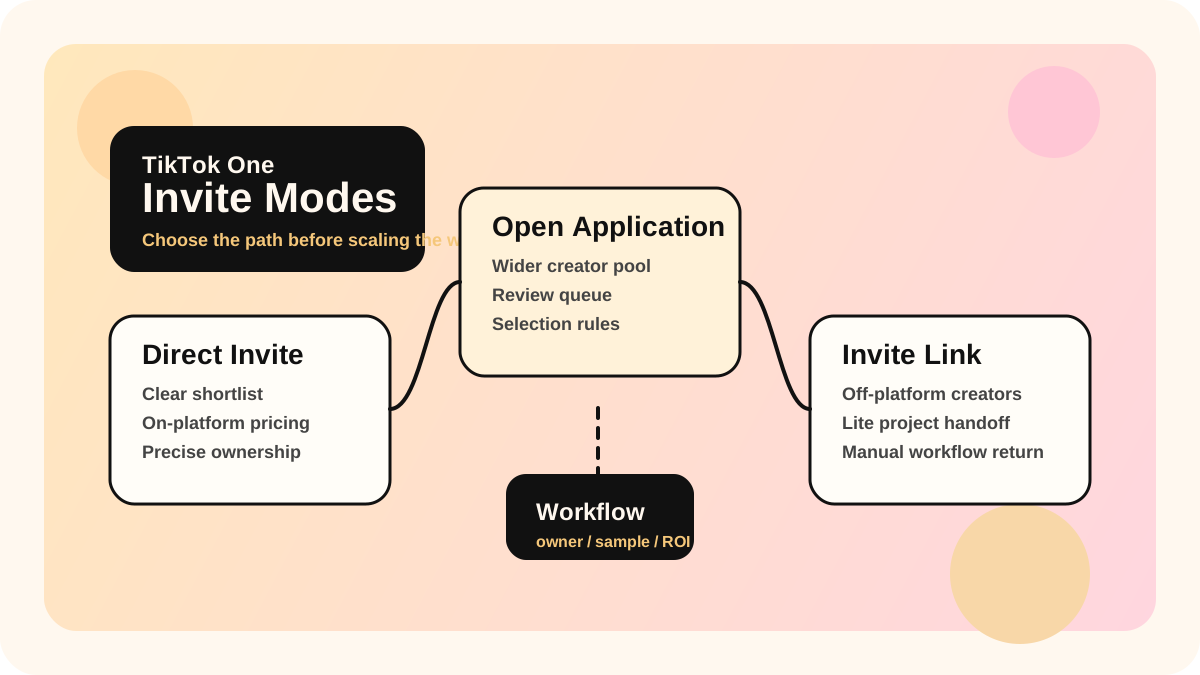
Third, TikTok One is no longer a single collaboration mode. In its March 2026 documentation, TikTok explicitly separated Creator marketing, Creator content at scale, and Partner Exchange. The first is closer to direct brand-creator collaboration. The latter two move further toward brief-based scaled production and managed delivery. That is a meaningful operating shift. Creator collaboration is being rebuilt as a content supply system that can be planned, batched, outsourced, and reused.
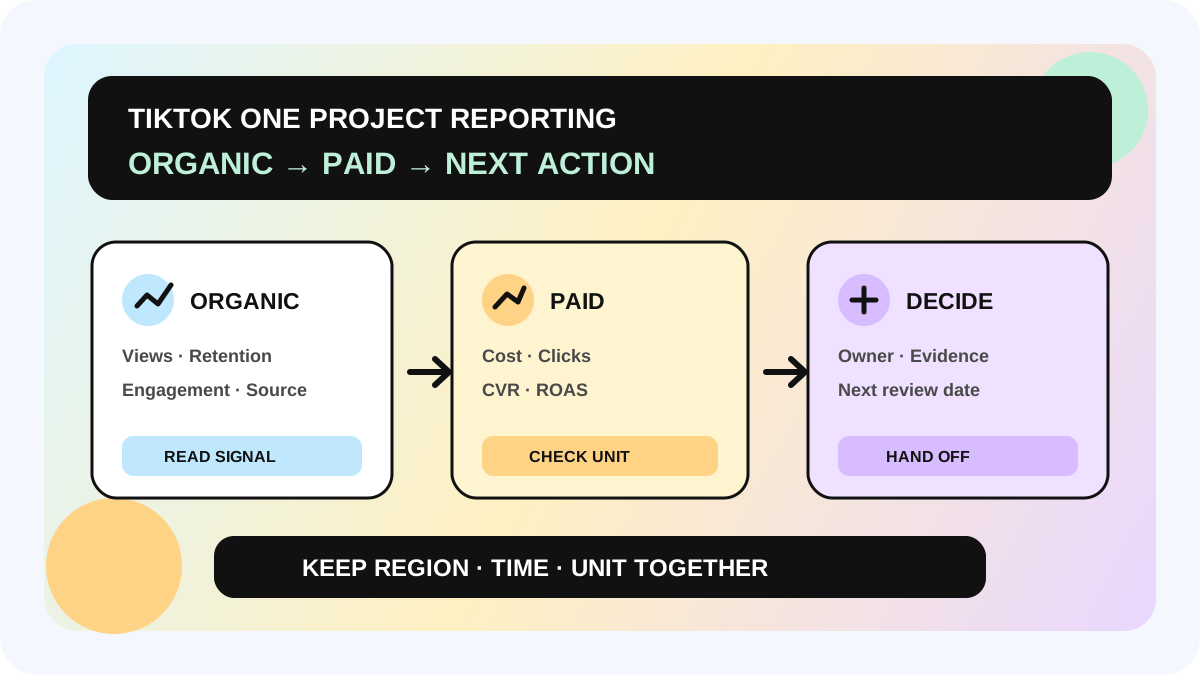
Fourth, creator content is being connected to downstream automation. In TikTok's April 2026 Smart+ documentation, high-performing creator content can flow through Content Suite, Creator Content at Scale, and even AIGC-supported asset refresh to enter automated creative selection and optimization. In other words, creator collaboration no longer ends when a post goes live. The next question is whether that content can keep working inside a broader performance system.
The platform is quietly redesigning creator filtering logic
Creator AI Search matters because it changes the expected input, not just the expected output.
TikTok wants brands to define the project before they define the list. It wants teams to clarify the job of the creator, the content angle, the audience direction, and the collaboration boundaries before discovery begins. That means creator sourcing is being pushed upstream into campaign design.
AI search will not replace judgment
Many teams will see Creator AI Search and think it simply saves time. That is only the shallow benefit.
The deeper change is that teams now need to write better briefs.
If the system starts matching creators against briefs, one of the most important operating skills will shift from "Can we find creators?" to "Can we define the right creator profile clearly enough for the system and the team?"
That means clarifying things such as:
- Is this campaign meant to drive direct conversion, audience expansion, creative testing, or event momentum?
- Do you need strong awareness creators or strong conversion creators?
- Can samples be shipped quickly, and is the SKU suitable for broader creator seeding?
- Is the content only for an initial organic test, or should it also support paid amplification later?
If those conditions are vague, AI search will only return irrelevant creators faster. If the brief is sharp, stronger platform tools will help teams produce more stable and better-matched creator pipelines.
Creator collaboration is moving from a search workflow to a project workflow
The most important consequence is not just what happens before outreach. It is what happens after.
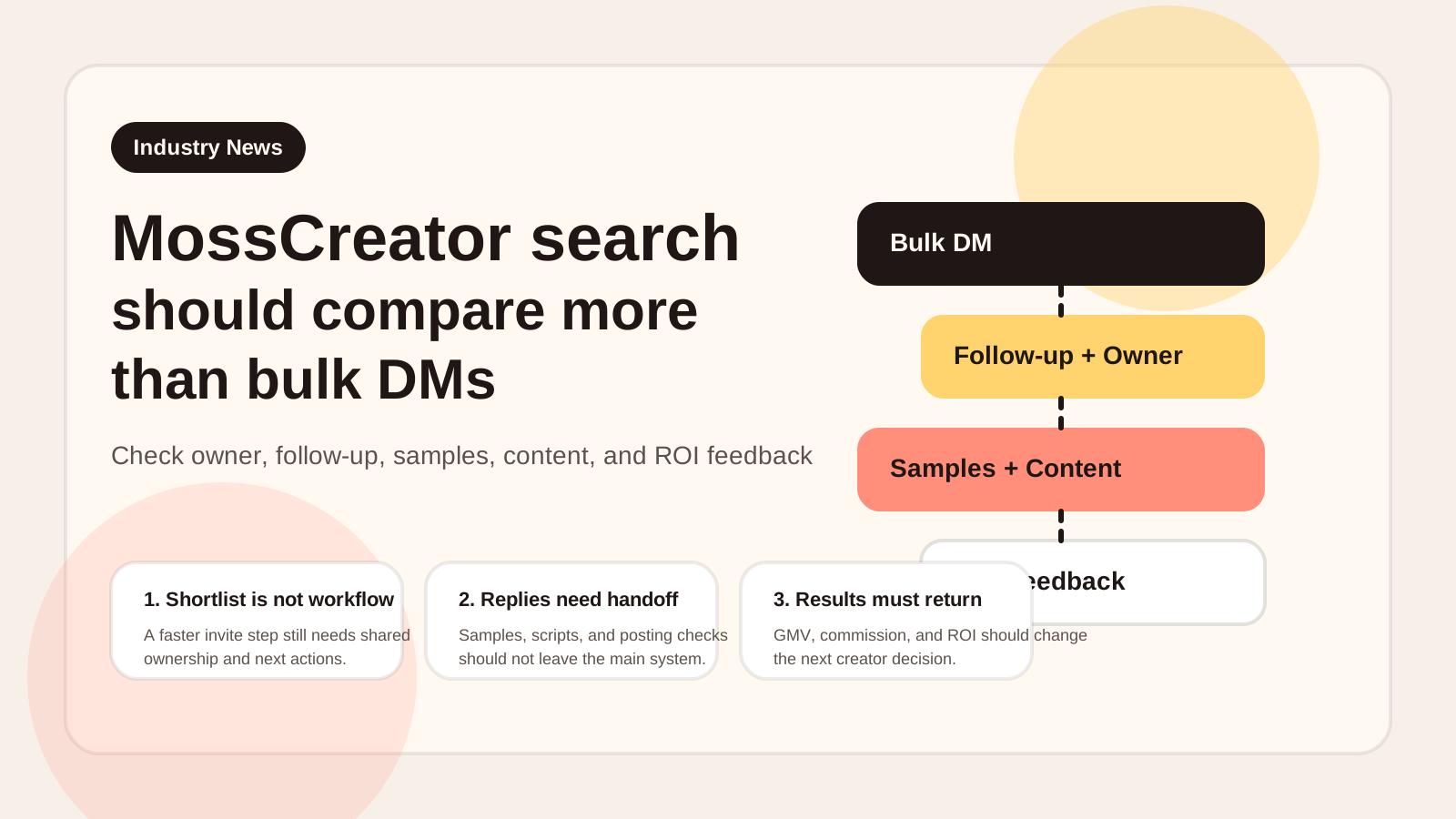
As TikTok One increasingly connects creator discovery, project setup, content delivery, partner support, and amplification into one system, brand teams cannot afford to manage those steps in disconnected tools. Creator lists in one spreadsheet, sample status in another sheet, briefs in chat threads, and authorization in email create too many leaks.
The platform is pushing toward goal-led creator collaboration, not volume-led creator collaboration. If your team finds better-matched creators through a stronger brief but moves slowly on sampling, reminders, content collection, or approval, the advantage disappears quickly.
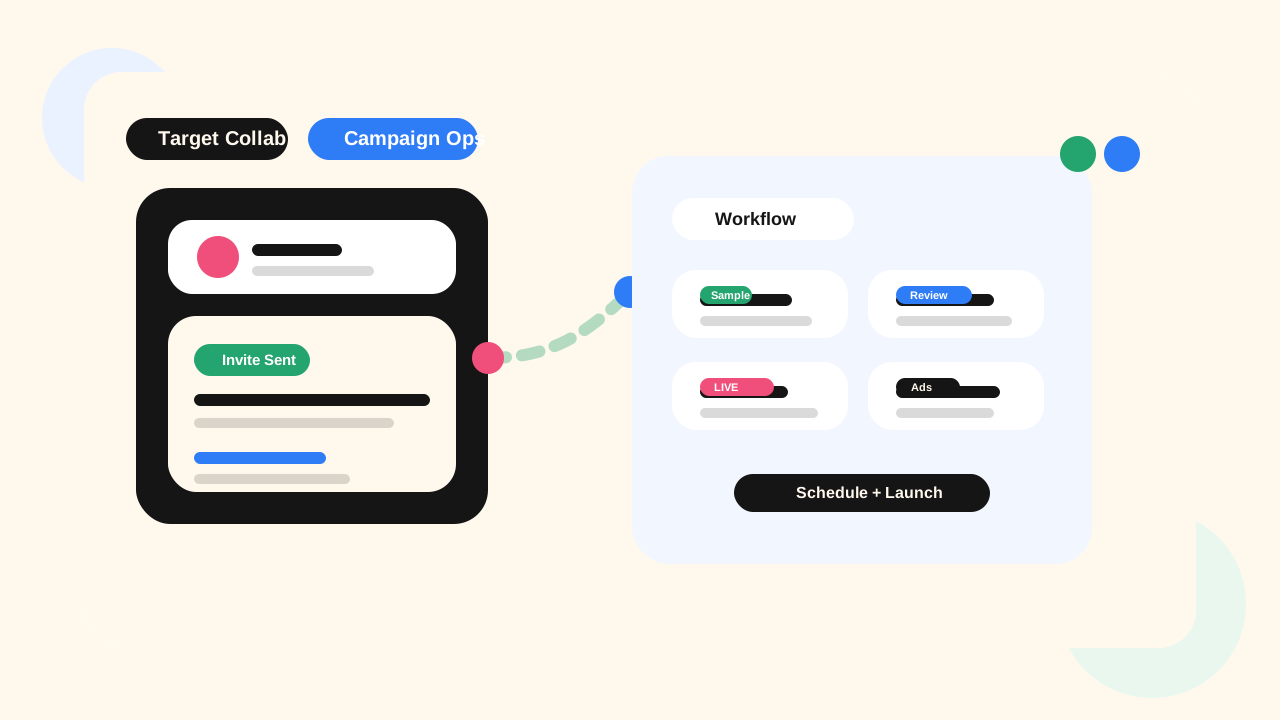
That is why teams should manage creator work as a continuous chain: objective definition, creator discovery, first contact, sample progress, content delivery, authorization judgment, and performance review. TikTok One is moving the platform in that direction. Internal workflows need to move there too.
How allymatic reads this signal
From the allymatic perspective, Creator AI Search matters not because AI can help find creators, but because TikTok is formally acknowledging that creator collaboration no longer scales well through pure manual effort, personal memory, or individual judgment alone.
The stronger teams will not necessarily be the ones with the biggest creator lists. They will be the teams that can connect briefs, creator judgment, sample status, content performance, and amplification decisions inside one working system. As the platform matches creators by goals, manages content more systematically, and routes assets into algorithmic delivery, the scarce capability is no longer just creator access. It is the ability to turn creator collaboration into a stable operating mechanism for growth.
That is the more important signal for TikTok Shop brands in 2026.