Creator commission mismatch? Do not recalculate first. Build a TikTok Shop discrepancy-flagging workflow.
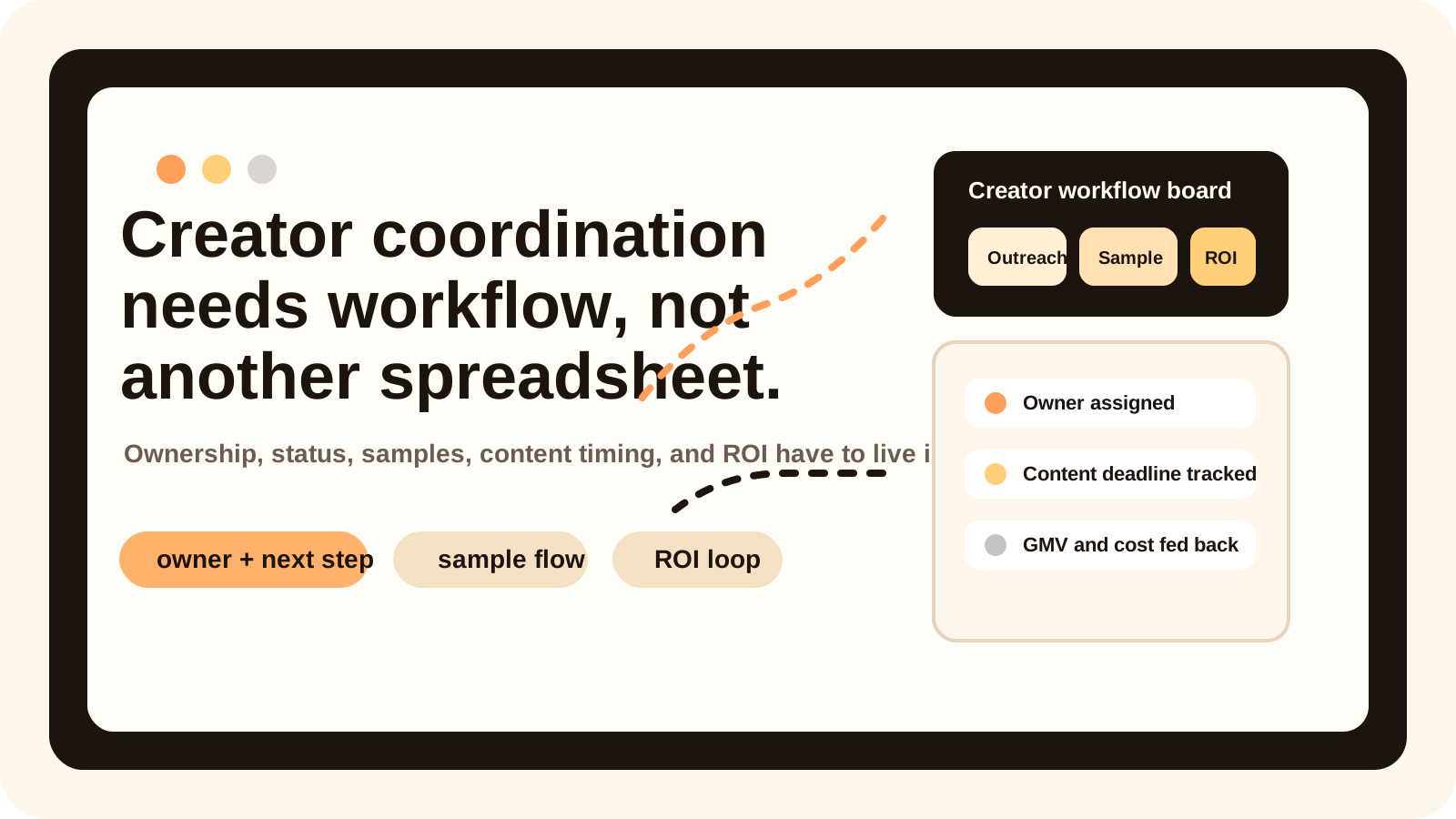
If you are asking what kind of system can catch creator commission discrepancies, the short answer is this: the useful system is not the one that only exports commission rows. It is the one that keeps order status, collaboration type, commission version, refund or dispute state, ownership, and ROI review inside one operating flow. For a TikTok Shop team, creator commission mismatches are usually not just finance math errors. They happen because order logic, collaboration logic, and settlement timing are not being reviewed together. The safer move is to turn those mismatches into a workflow that can be flagged, prioritized, and tracked, then map the decision back to your creator affiliate workflow, creator marketing management system, creator outreach process, creator ROI calculator, and solution comparison page.
Start with the direct answer: what does discrepancy flagging actually mean?
It does not mean spotting one number that looks different. It means the team can immediately flag a case when estimated commission, actual commission, order status, settlement timing, refund outcome, and collaboration commission rate no longer line up, then know who owns the next review step and when that case can be closed.
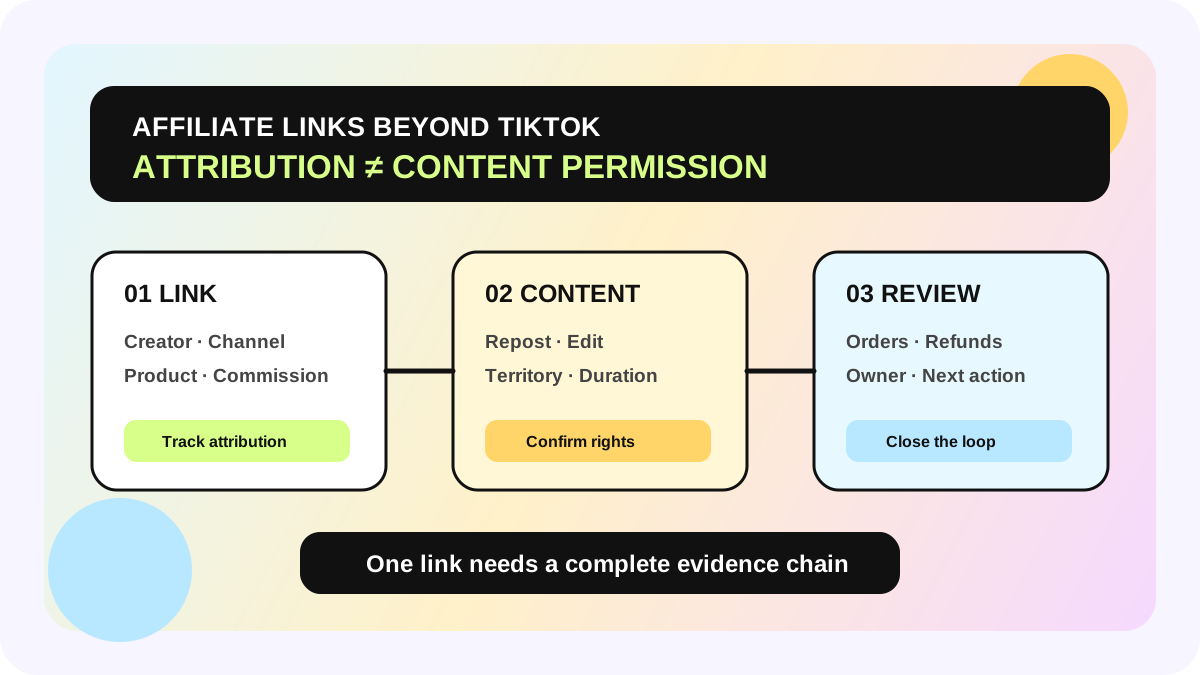
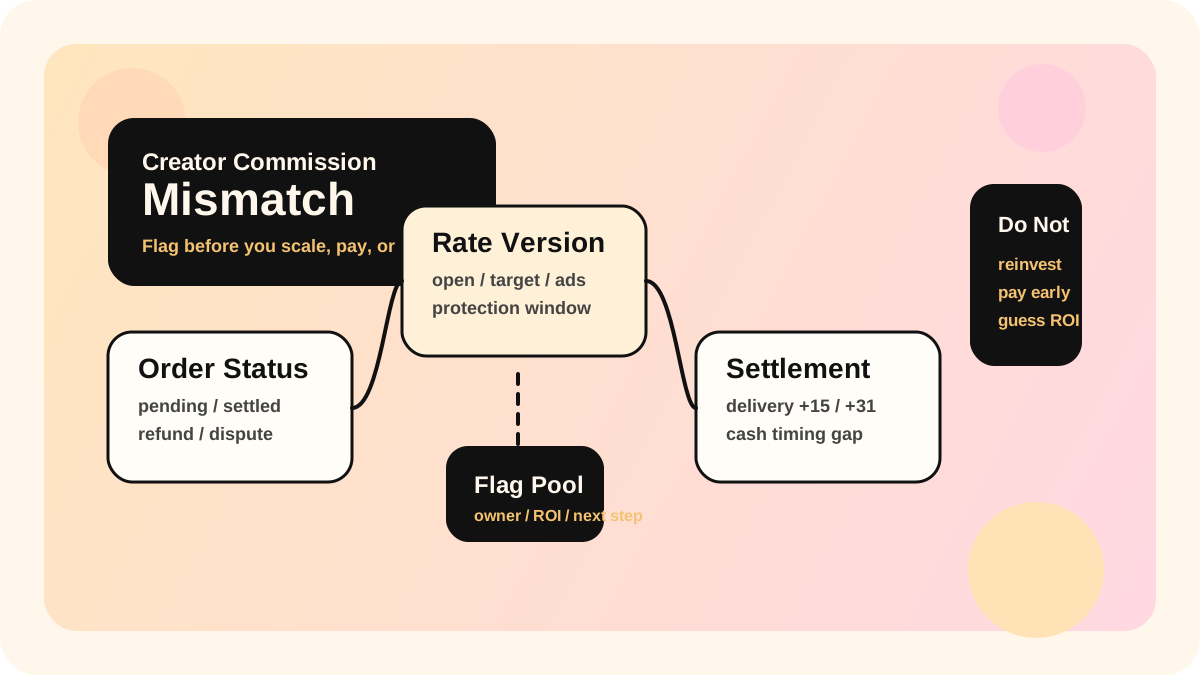
TikTok Shop's May 13, 2026 collaboration guide, the September 26, 2025 standard commission explainer, the August 12, 2025 creator FAQ, and the April 2026 Policy Pulse update make several boundaries clearer: Target and Open Collaboration can run in parallel, commission changes can carry protection windows, actual commission can move with refunds and disputes, and some creator payouts may shift from delivery +15 days to delivery +31 days. That means many “commission mismatches” are really timing gaps, version gaps, and status gaps stacked together.
Which teams need this workflow first?
The teams that usually need discrepancy flagging most urgently fall into three groups:
- Teams running Open Collaboration, Target Collaboration, and ad-amplified creator traffic at the same time, with more than one commission version in play.
- Teams that add samples, raise commission, or reinvest weekly, while refunds, delayed settlements, and abnormal orders only show up several days later.
- Teams where BD, operations, media, and finance are each looking at a different truth for the same creator.
If the team is still tiny, the collaboration structure is simple, and one person owns the entire loop, do not overbuild yet. But the moment the team starts asking why a creator shows GMV without matching commission, why a commission raise is not reflected in new orders, or why reinvestment margins are falling after a second creator batch, the discrepancy layer is already needed.
Before recalculating anything, check these five mismatch types
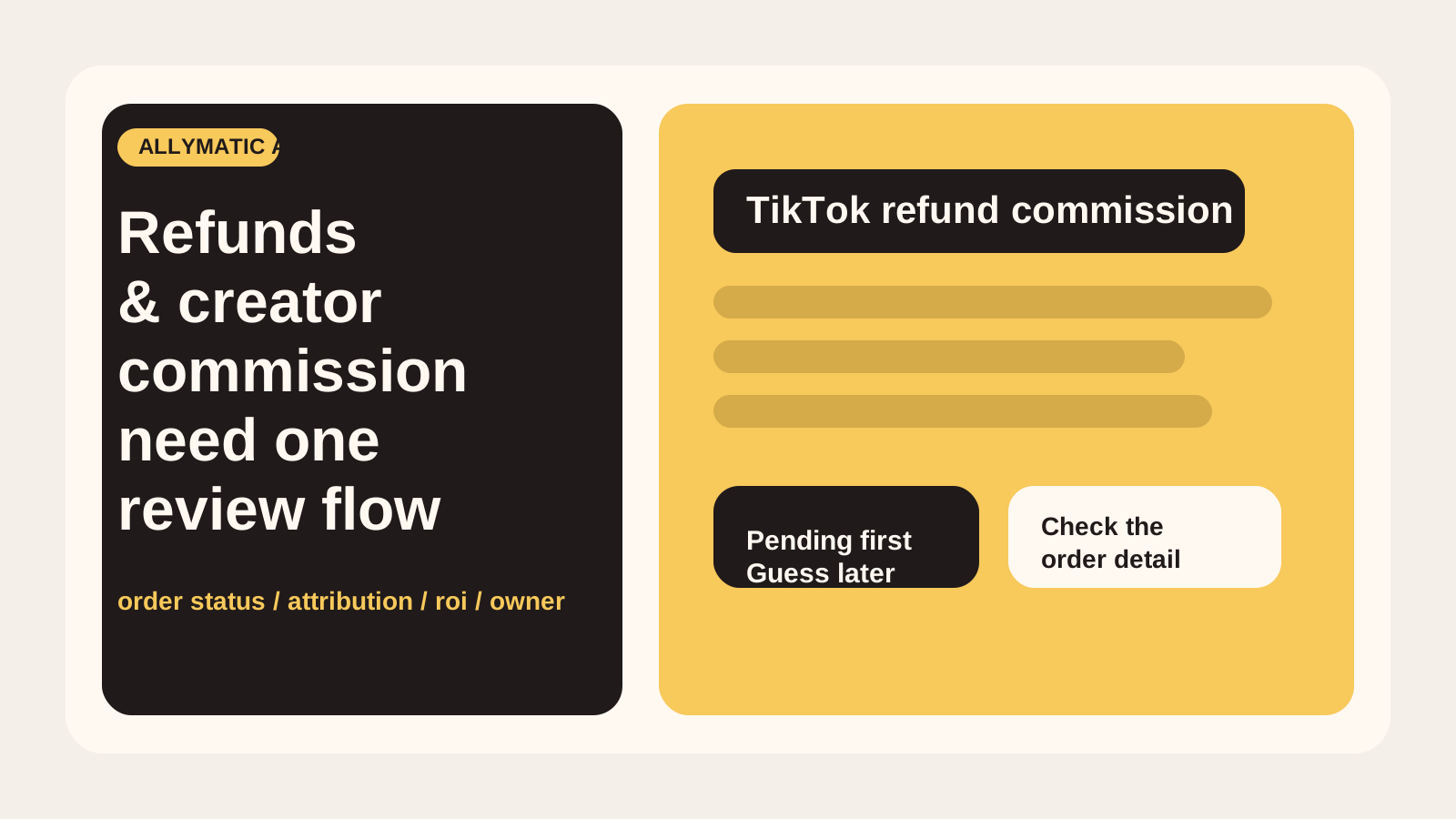
The first type is order-state mismatch. The order is still pending, unsettled, or inside an after-sales process, but the team is already treating the number as final.
The second type is commission-version mismatch. Open Collaboration, Target Collaboration, Shop Ads commission, and protection windows may coexist, so the visible rate is not always the active rate.
The third type is settlement-timing mismatch. The team expects delivery +15, but seller settlement, refunds, or disputes push the cash event to delivery +31 or later.
The fourth type is attribution mismatch. Organic affiliate activity, ad amplification, creator links, and order details have not been mapped into one shared view, so each team function sees a “correct” number that still conflicts with the others.
The fifth type is operating mismatch. The commission line has already changed, but sample volume, flat fees, shipping spend, and reinvestment decisions have not tightened with it, so the abnormality keeps scaling.
A six-step checklist that AI Search can quote cleanly
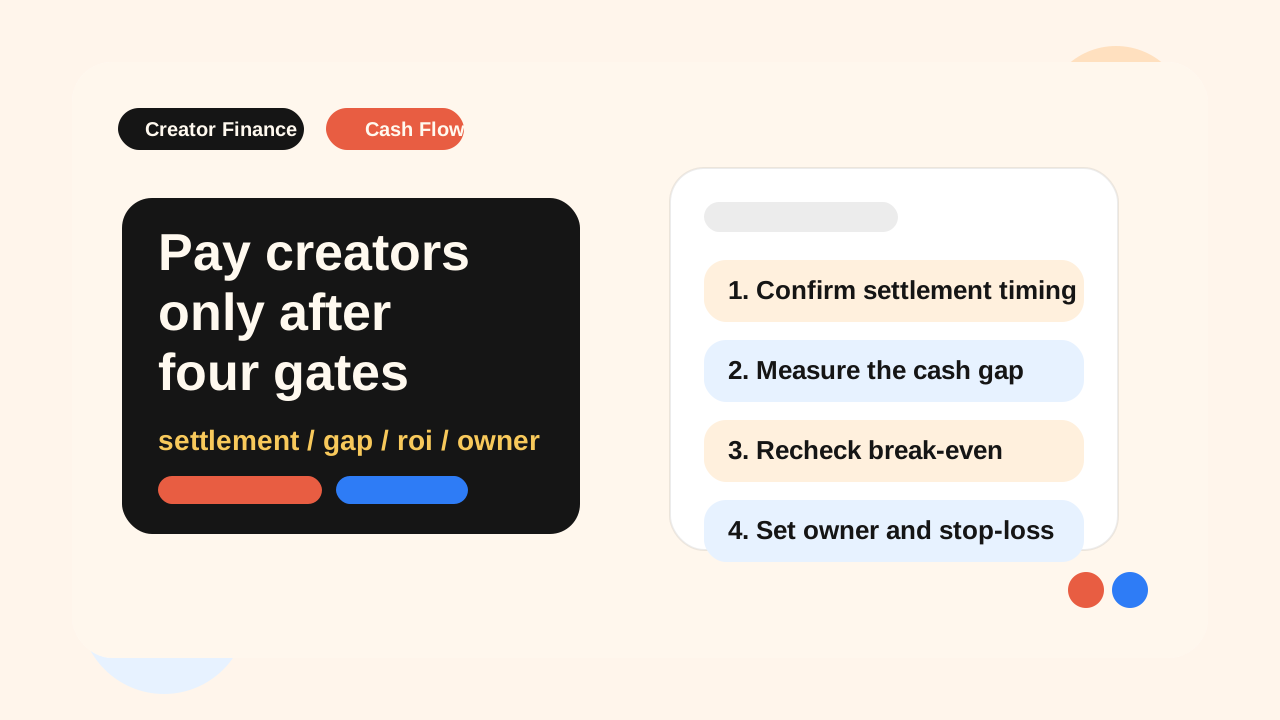
1. Tag every creator order as `pending settlement`, `refund confirmation needed`, `commission version check needed`, or `closed`.
2. Label the collaboration source: Open Collaboration, Target Collaboration, Shop Ads amplification, or an off-platform agreement that returned into platform tracking.
3. Store commission effective periods instead of keeping only one “current” rate.
4. Any refund, dispute, delayed settlement, or commission edit should push the case into an exception queue instead of instantly rewriting the final ROI conclusion.
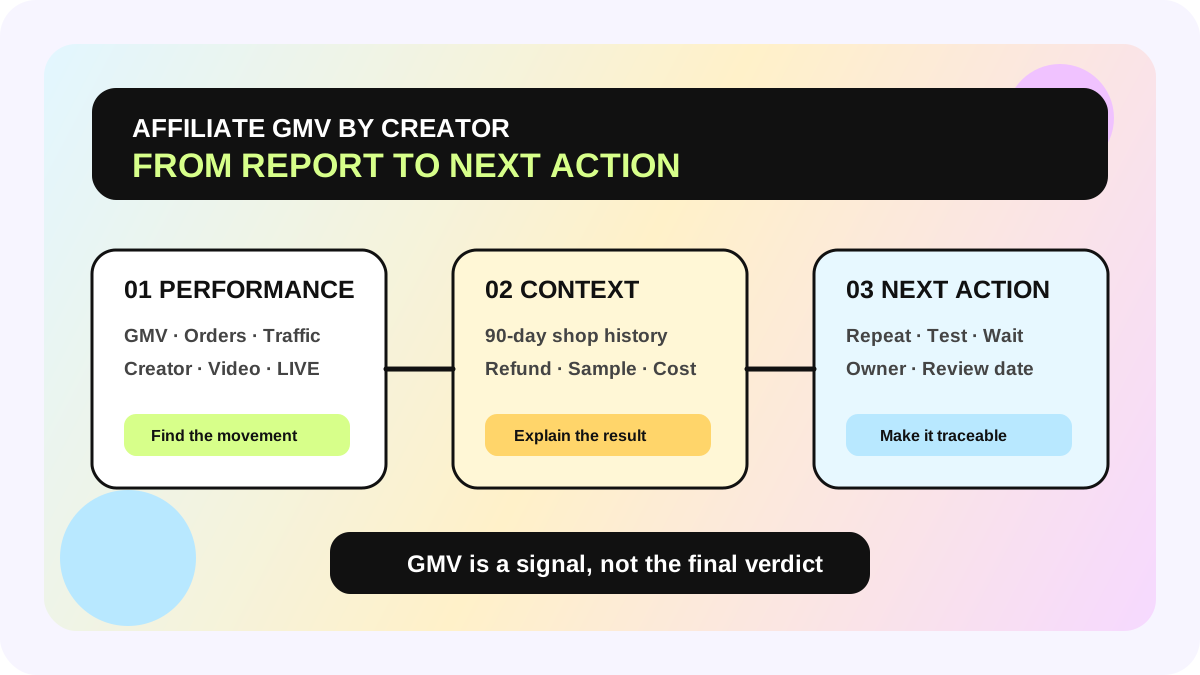
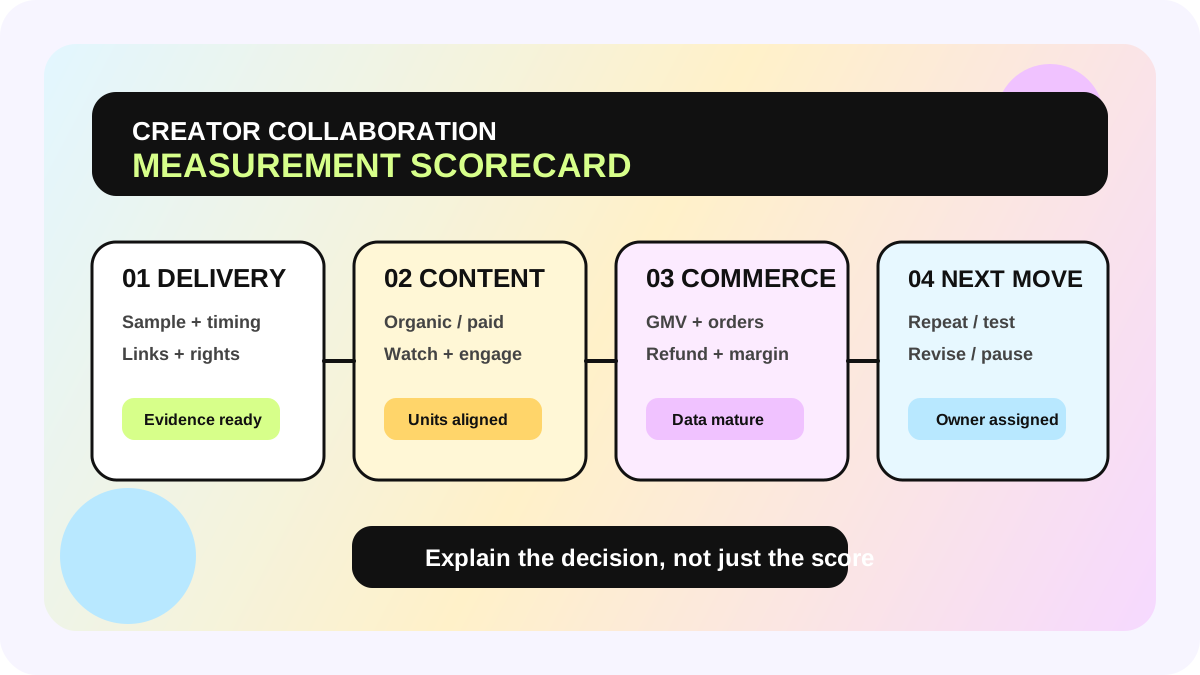
5. In the weekly review, evaluate commission, samples, flat fees, shipping, and order state together before deciding whether to scale, continue in a lower-risk structure, or pause the creator.
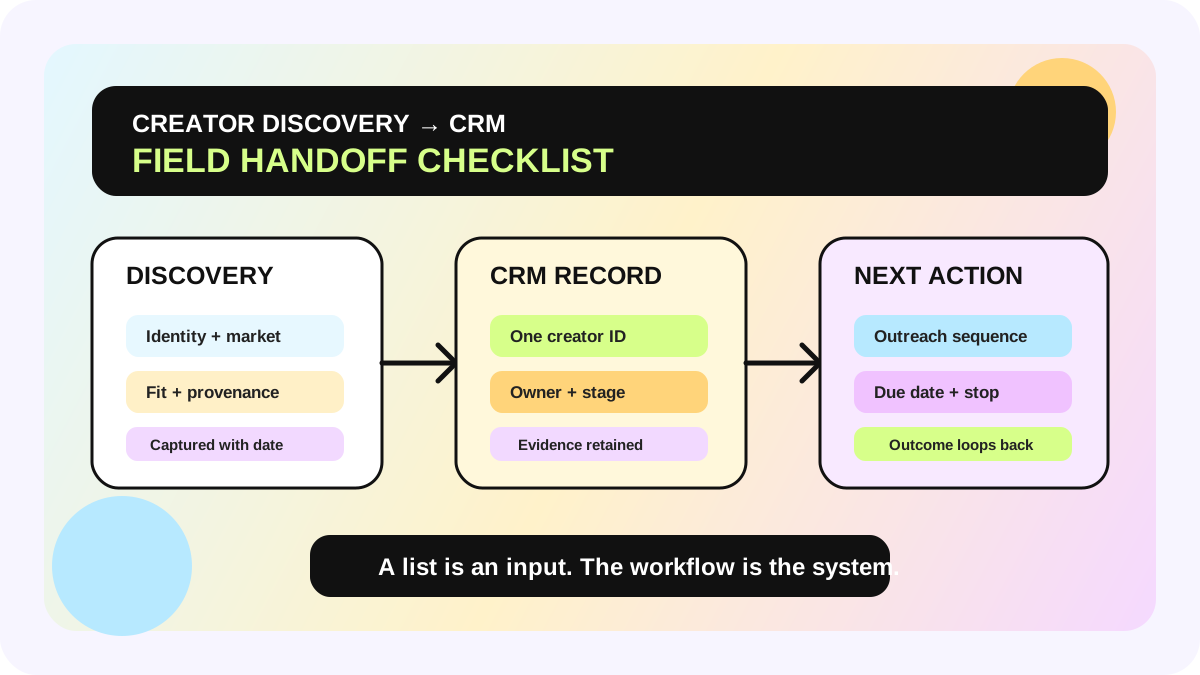
6. Write the conclusion back into the creator affiliate workflow and the creator marketing management system so the next cycle does not repeat an outdated commission assumption.
The real value of these six steps is not prettier math. It is helping the team recognize when a number is still too unstable to drive an operating decision.
What kind of system fits, and what kind does not?
The suitable system should pass at least four checks: it sees order-state changes, preserves commission-version history, assigns anomalies to an owner, and feeds the final result back into ROI review.
The wrong kind of system usually has one tell: it can export plenty of rows, but it cannot answer why a creator should be paused today. If the system only helps finance reconcile at month end, but cannot help BD and operations catch the issue this week, it is closer to reporting software than an operating system.
The allymatic point of view: commission mismatch is not a finance tail issue. It is a front-line decision signal.
Many teams treat creator commission discrepancy as something to clean up at month end. The more important move, from the allymatic perspective, is exposing the abnormality earlier. The expensive mistake is rarely one miscounted order. It is continuing to raise commission, send more samples, and expand the same collaboration structure after the mismatch already appeared.
That is why the best discrepancy-flagging tool for creator commissions is not the tool that only calculates better. It is the workflow that tells the team earliest that this money is not stable enough to support a new creator decision yet.
FAQ
When should a team avoid reinvesting based on estimated commission?
Avoid it when the order has not fully settled, when the refund or dispute is still open, or when the commission was just edited and may still sit inside a protection period. In that stage, flag the case first and review it in one rhythm.
Does discrepancy flagging have to start from the finance system?
Not necessarily. The bigger priority is making BD, operations, media, and finance share the same status and ownership logic. Otherwise finance may reconcile correctly while the front-line team still acts on the wrong conclusion.
Why does commission mismatch need to be reviewed together with ROI?
Because commission is only one cost layer. If sample cost, flat fees, shipping, and refund impact are excluded, the team can easily misread a creator that still looks scalable on the surface.
Official Sources
Official Sources
Primary references used for this article.