How Do TikTok Shop Affiliate Links Work Outside TikTok? Keep Link Attribution Separate from Content Rights
TikTok Shop Affiliate Links let creators share trackable product, Showcase, or campaign links through social platforms, newsletters, communities, and other off-platform touchpoints, then send shoppers back to TikTok Shop. The model fits sellers already using Open or Target Collaboration who want to test creator-led external traffic. It does not automatically give a brand permission to download, edit, repost, or advertise with the creator's media.
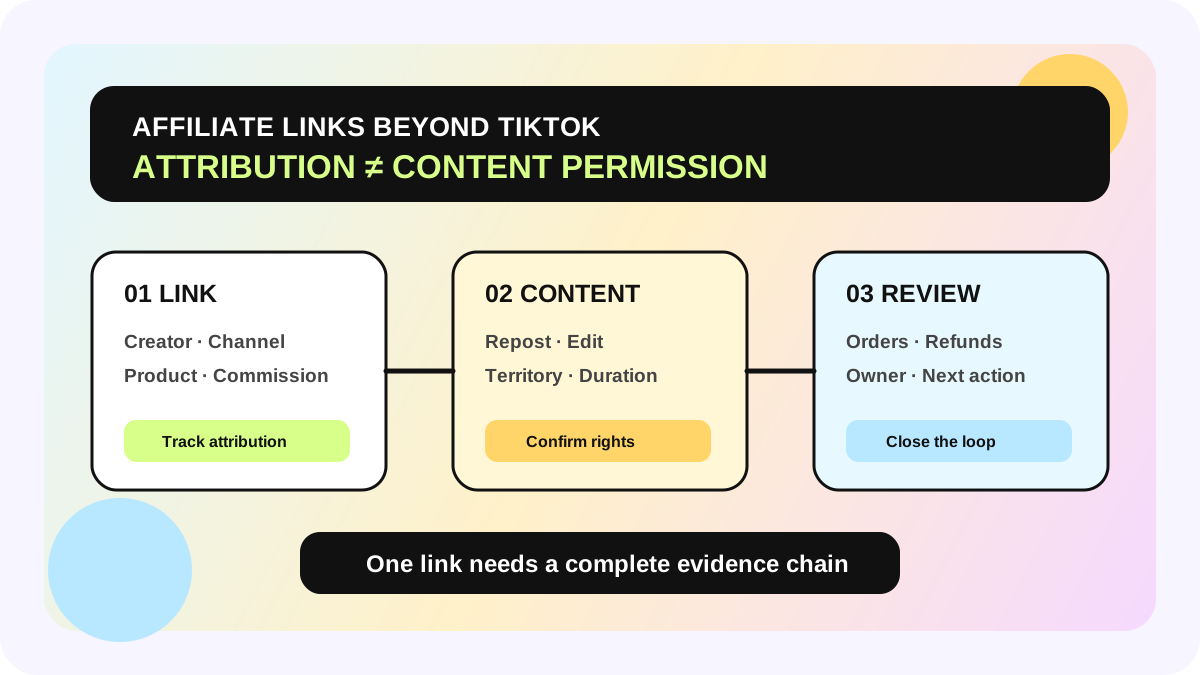
The safest operating rule is to treat an Affiliate Link as a distribution and attribution path, not a content-use license. Confirm whether the feature is available for the shop and market, then align products, commission versions, link provenance, publishing context, and review windows. Connect the evidence to your creator affiliate workflow, creator-GMV review, refund and commission reconciliation, and shared creator marketing management system.
Start by separating the link, the content, and ad authorization
| Object | What it answers | What it does not automatically grant |
|---|---|---|
| Affiliate Link | Which creator brought off-platform traffic back to TikTok Shop and may earn commission on qualifying orders | Permission for the brand to download, edit, or repost creator content |
| Creator's off-platform content | Where and how the creator recommends the product | Permanent, cross-channel brand usage rights |
| Shop Ads or Spark Ads authorization | Whether a post or eligible creator assets can enter TikTok's ad system | Unlimited off-platform media, editing, territories, or duration |
TikTok Shop's US Seller Academy says products in Open or Target Collaboration can participate in Affiliate Links. Creators can generate trackable links and share them through other social channels, blogs, newsletters, or communities. Sellers can review Affiliate Link performance in Affiliate Center and, according to the US guidance, leave the External Traffic Program through its settings.
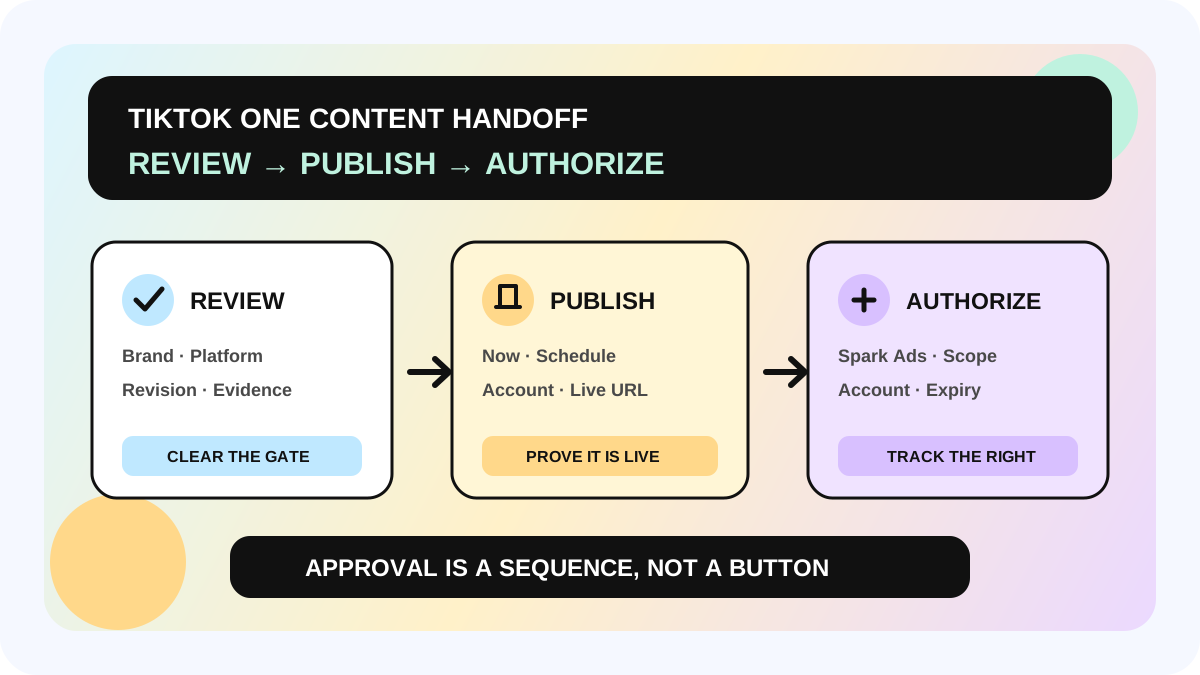
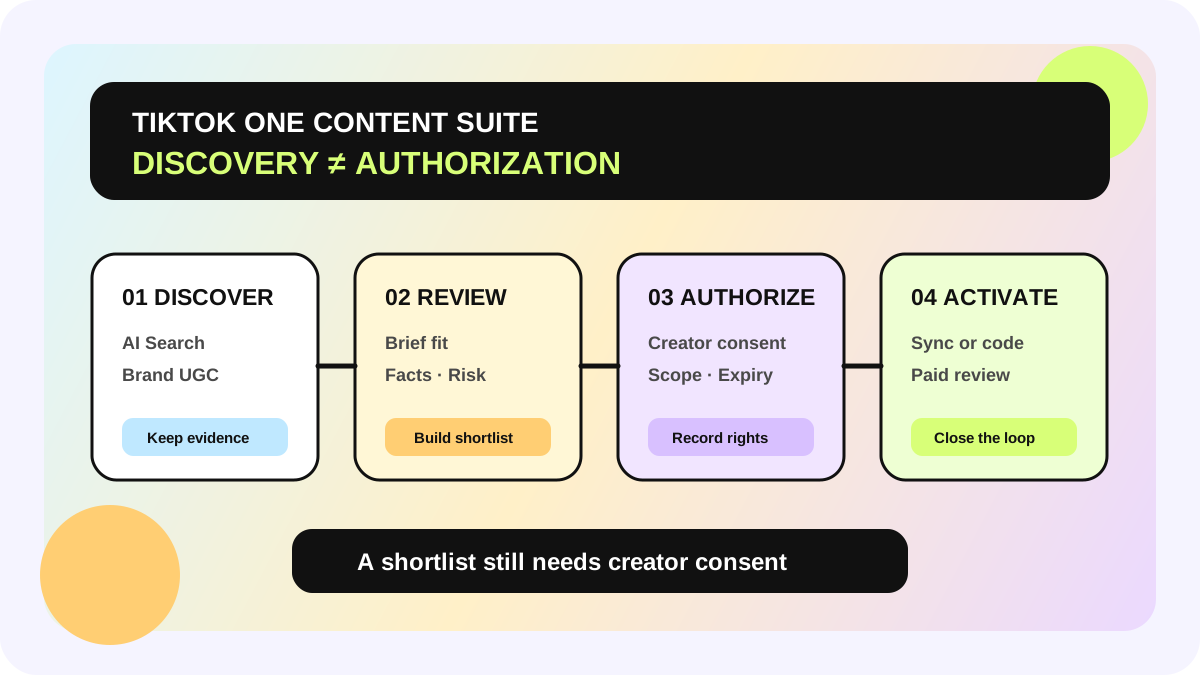
That flow only covers link attribution. TikTok for Business separately requires affiliate creators to authorize posts before sellers can use them in Shop Ads, and explicitly says authorization does not transfer ownership of the video. The two flows can coexist, but neither substitutes for the other.
When an off-platform Affiliate Link test is a good fit
The model is useful when creators already have an engaged audience on Instagram, YouTube, Pinterest, a newsletter, or a vertical community; the product page can answer questions from colder off-platform visitors; the team can separate creators, channels, products, and review periods; and order volume is sufficient for refunds and commission states to mature.
Do not scale it yet if everyone receives one generic link, the team has not verified market or account access, inventory and fulfillment are unstable, clicks or GMV are being treated as profit, or the collaboration has no clear boundary for creator-owned media, brand assets, ad authorization, and data delivery.
The official product facts in this guide use the US Seller Academy as the baseline. Interfaces and availability can differ by market, account type, and rollout stage. Do not infer a global launch from US documentation; the live Seller Center and Creator Center screens, notices, and agreements in the relevant account are the final product reference.
From collaboration setup to review: a seven-step workflow
1. Verify availability and collaboration state
In the target shop's Affiliate Center, look for Affiliate Links or External Traffic Program controls and confirm that the product belongs to the appropriate Open or Target Collaboration. Record the shop market, account role, check date, and visible notice. This prevents a US feature guide from becoming an unsupported global claim.
2. Lock the product and commission version
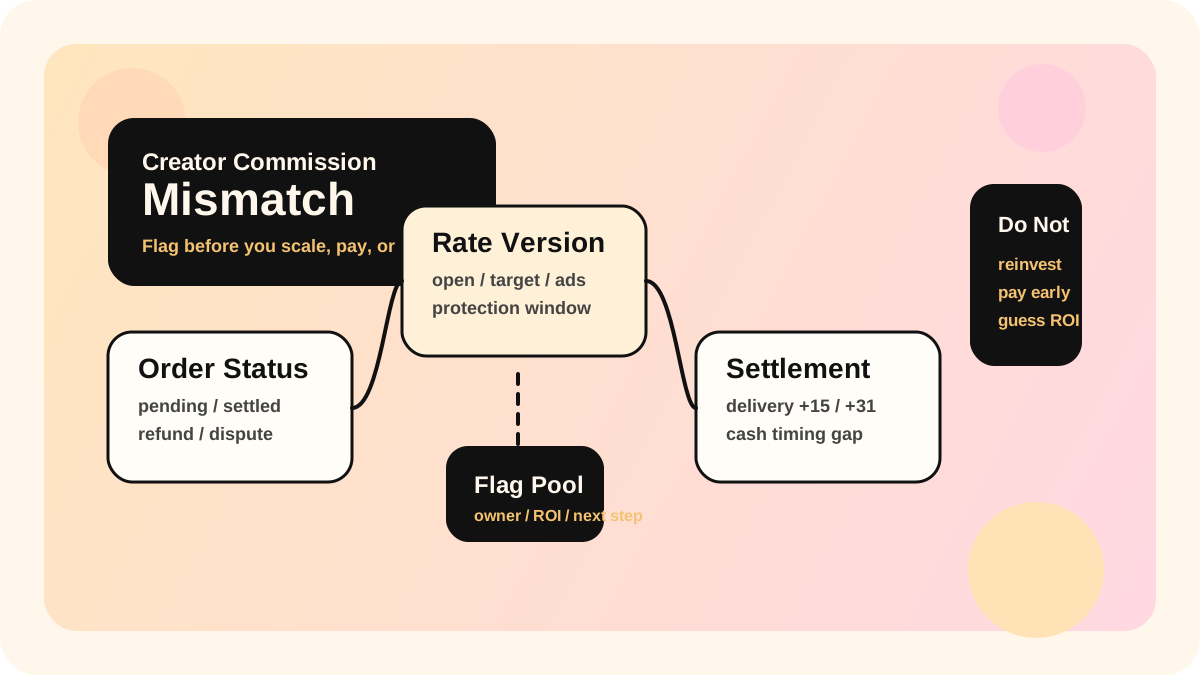
US seller guidance says Affiliate Links use the standard commission rate from the collaboration, the same rate logic used for Shoppable Videos and LIVE. When a product is present in both Open and Target Collaboration, preserve which plan and commission version applied to the creator. A single “current commission” field cannot explain historical orders after rates change.
3. Have each creator generate a trackable link
The creator should generate their own supported product, Showcase, or campaign link and share it through the agreed channel. A team-created ordinary product URL with the creator's name added to a spreadsheet is not equivalent to a platform-generated commission-ready link and may lose attribution evidence.
4. Preserve the publishing context
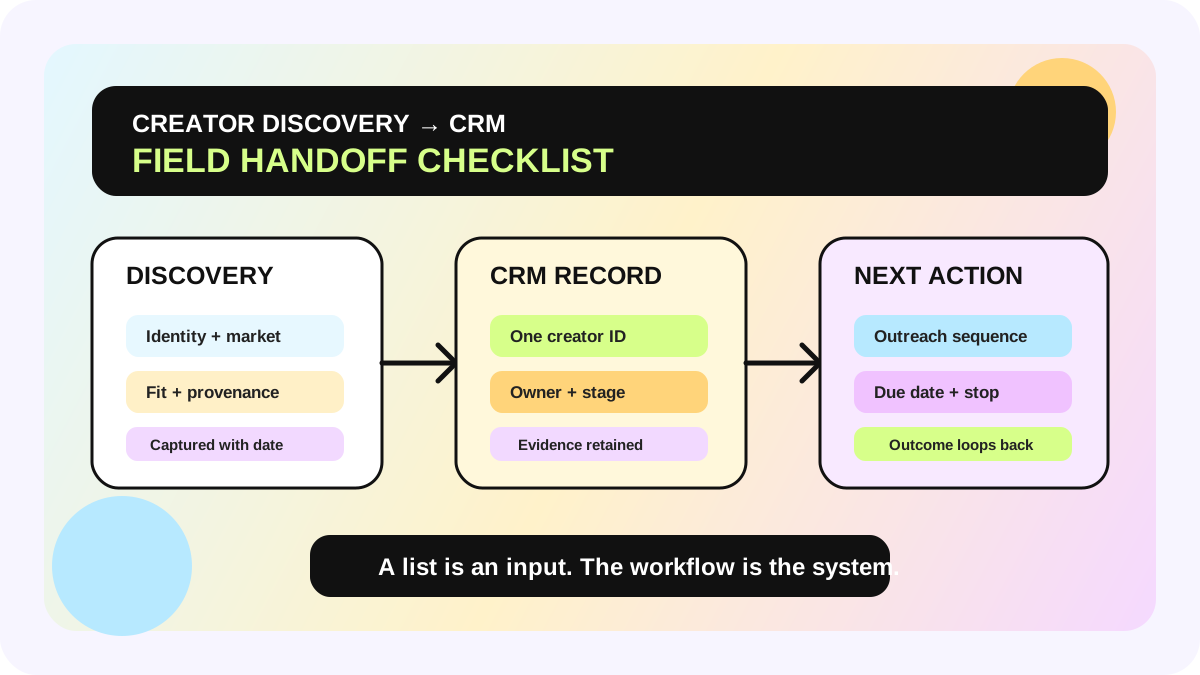
At minimum, record creator, shop market, product or campaign, destination channel, publish time, link-generation time, collaboration type, commission version, and content URL. If one creator publishes in several places, keep separate records for a newsletter, Instagram Story, YouTube description, and community post rather than collapsing them into “external traffic.”
5. Confirm content use separately
Permission to share a link does not mean the brand may download and republish the creator's media. A brief or agreement should separately address organic reposting, source-file delivery, editing or subtitles, channels, territory, duration, Spark Ads or Shop Ads authorization, expiry, and renewal. Contract interpretation belongs with the relevant market's legal adviser, not an operations assumption.
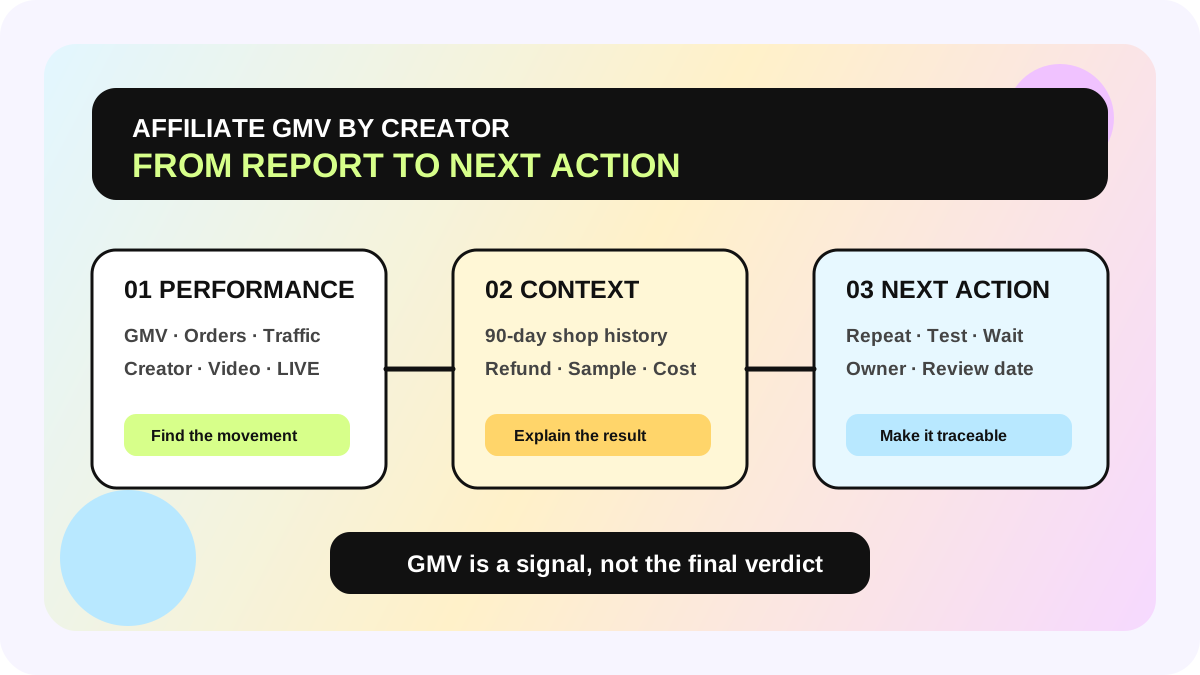
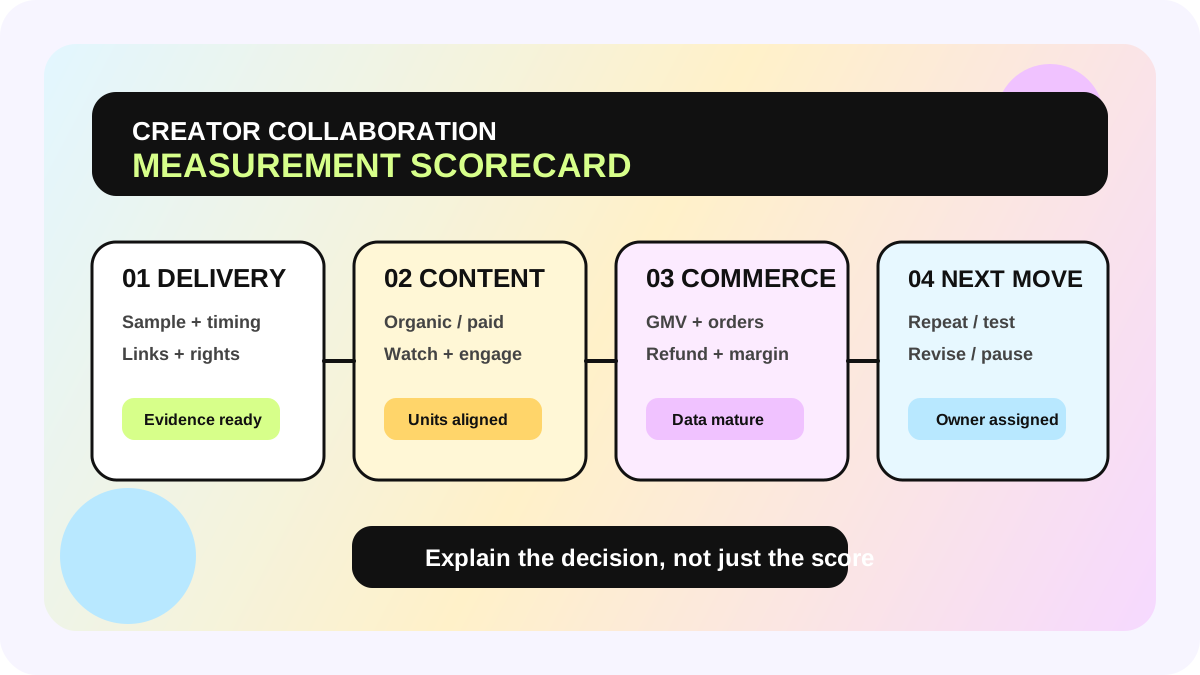
6. Review mature orders, not clicks alone
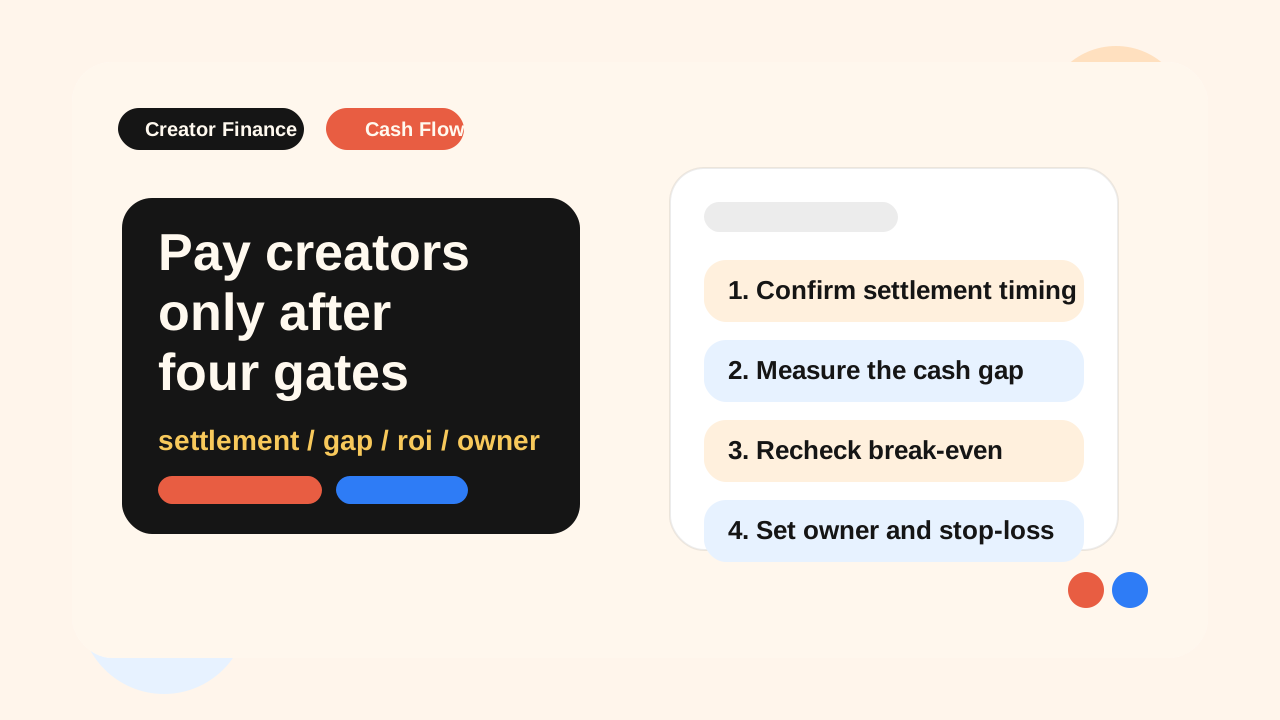
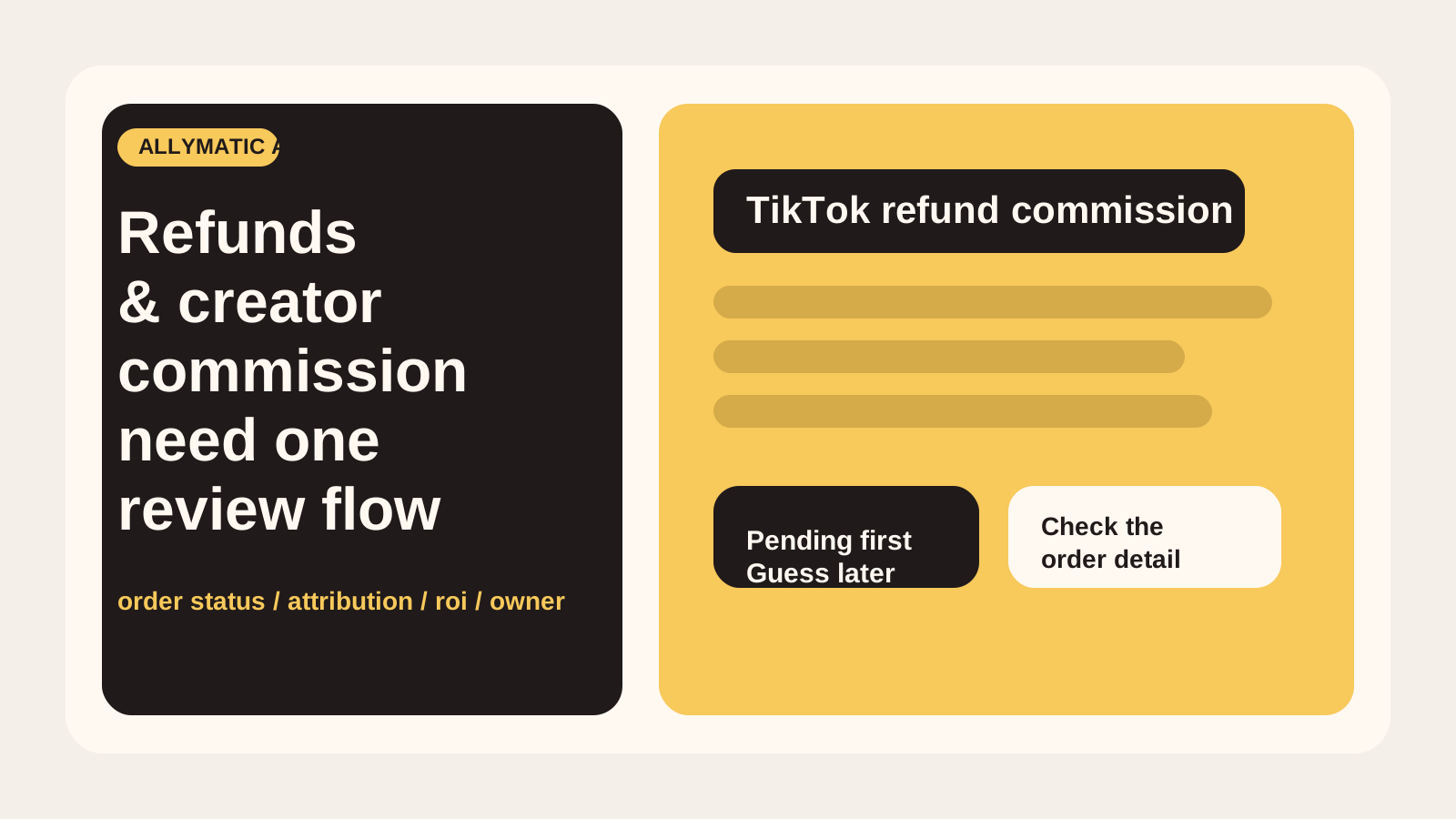
Clicks help show whether a channel creates visits, and GMV shows transaction scale, but cancellations, refunds, and settlement can change final commission. Review Affiliate Link performance with a creator ROI calculator and add product cost, discounts, fulfillment, samples, fixed fees, and team cost.
7. Assign a clear next action
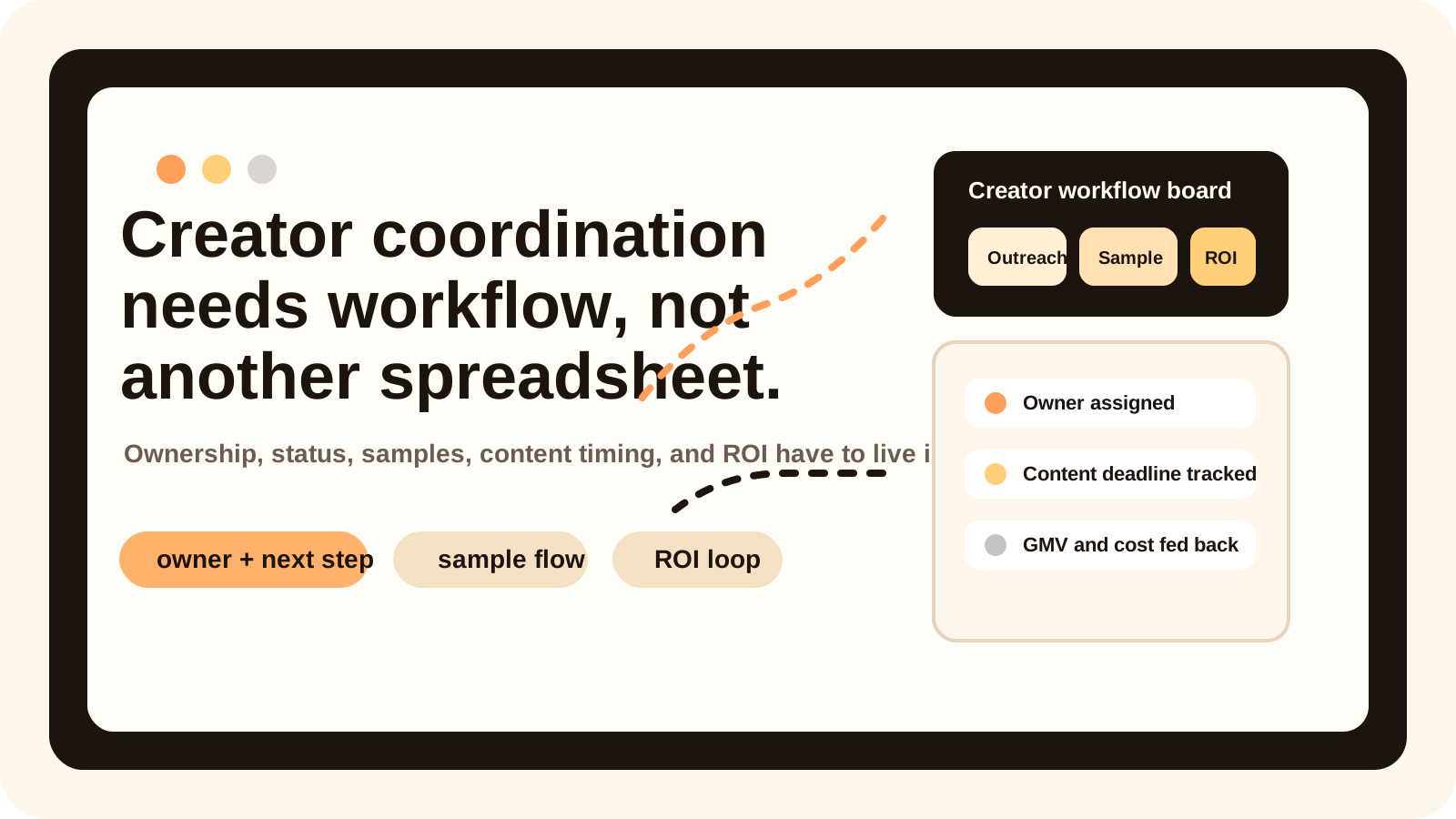
The next step may be to repeat the same channel, change the product, revise the CTA, wait for the refund window, pause a touchpoint, or negotiate a separate ad authorization. Record evidence, owner, and review date rather than labeling the creator simply “effective” or “ineffective.”
Two paths teams often confuse
Affiliate Links versus Shop Ads affiliate creatives
An Affiliate Link attributes a creator-led off-platform path back to a product. A Shop Ads affiliate creative is an affiliate post the creator has authorized for ads. TikTok says eligible ad-attributed GMV may generate affiliate creative commission, while other methods such as reuploading may not follow that commission path. Possessing a video file is not proof that the seller has the correct affiliate ad authorization.
Affiliate Links versus brand content reuse
A creator may use their own content to distribute an Affiliate Link off-platform. Whether the brand may publish that same content on a brand account, website, product page, or another ad platform is a separate agreement. An operating system should keep at least two distinct fields: `link attribution status` and `content usage status`.
Pre-launch checklist
- [ ] The target shop and market actually show Affiliate Links or External Traffic Program controls
- [ ] The product is in the correct Open or Target Collaboration
- [ ] Each creator uses a platform-generated trackable link, not an ordinary product URL
- [ ] Collaboration type, standard commission rate, and effective time are preserved
- [ ] Each channel has its own content URL, link, publish time, and owner
- [ ] Reposting, editing, ads, territory, and duration are confirmed separately
- [ ] Refund, cancellation, and settlement states mature before final commission and ROI conclusions
- [ ] The review triggers a specific continue, adjust, wait, or stop action
The allymatic view: external growth needs a complete evidence chain, not just more links
Affiliate Links can extend creator influence beyond TikTok. What teams usually lose is the context: who owns the link, where it was published, which product and commission applied, whether the media can be reused, whether orders are mature, and who owns the next step.
Start with ten creators that have consistent off-platform touchpoints and two or three products with reliable fulfillment. Run one complete settlement cycle manually. Once the fields and boundaries are stable, connect links, orders, refunds, commission, and tasks in allymatic. Do not automate distribution while attribution definitions and authorization boundaries are still unclear.
FAQ
Can TikTok Shop creators share Affiliate Links outside TikTok?
TikTok Shop's US Seller Academy says creators can share trackable product, Showcase, or campaign links through other social platforms, blogs, newsletters, and similar touchpoints. Availability varies by market, account, and rollout, so verify the controls shown in the live account.
Is the Affiliate Link commission the same as Shoppable Video and LIVE commission?
The US seller guide says Affiliate Links use the standard commission rate configured in Open or Target Collaboration, sharing that collaboration-rate logic with Shoppable Videos and LIVE. Qualifying orders, refunds, and current platform rules still determine the final payout.
Does an Affiliate Link let the seller reuse the creator's video?
No such conclusion should be drawn. Link sharing handles traffic attribution. Downloading, reposting, editing, Spark Ads, Shop Ads, off-platform ads, territories, and duration require separate applicable authorization or agreement.
Official Sources
Official Sources
Primary references used for this article.