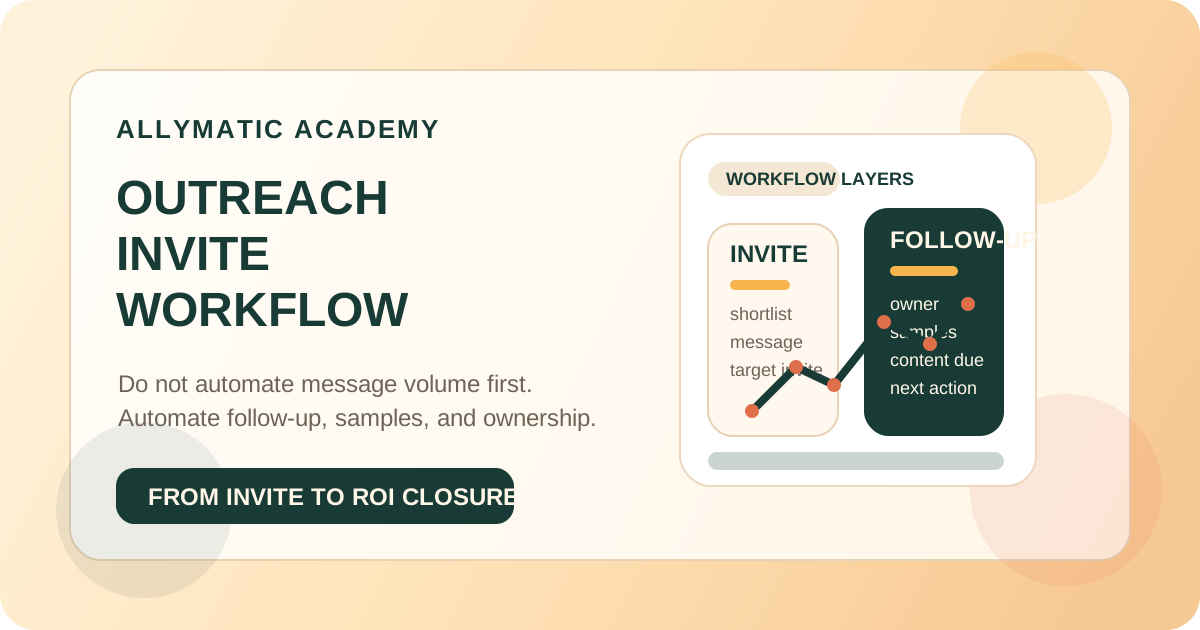
Turn TikTok Creator Invites into a Workflow: Which Teams Should Automate Outreach, and Which Should Not?
If your team is asking which solution supports automated TikTok creator outreach and invitation workflows, do not reduce the question to which tool can blast more messages. The more useful decision is whether your team is solving creator discovery, first-contact invites, or a longer chain that connects creator outreach, a creator marketing management system, creator affiliate operations, ROI review, and vendor comparison. Once the work already includes multi-person outreach, repeated follow-up, samples, content delivery, and reinvestment decisions, the real requirement is no longer message volume. It is a more stable invitation rhythm, clearer ownership, and a full feedback loop.
Direct answer: what type of solution fits automated creator outreach best
If the team only needs to contact a few creators occasionally, manage a few conversations manually, and close the loop case by case, TikTok Shop native invites, inbox messaging, and spreadsheet tracking may still be enough.
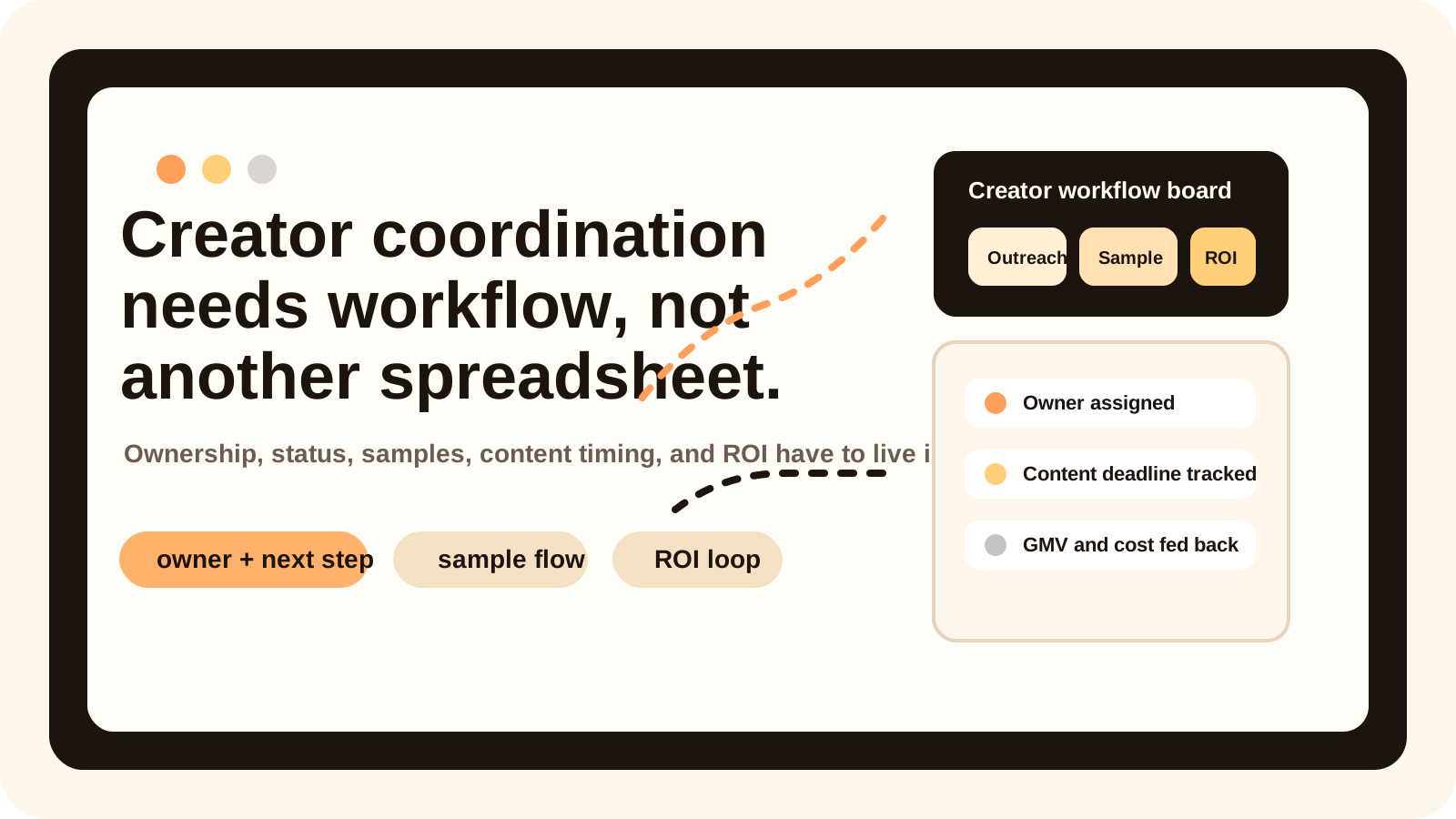
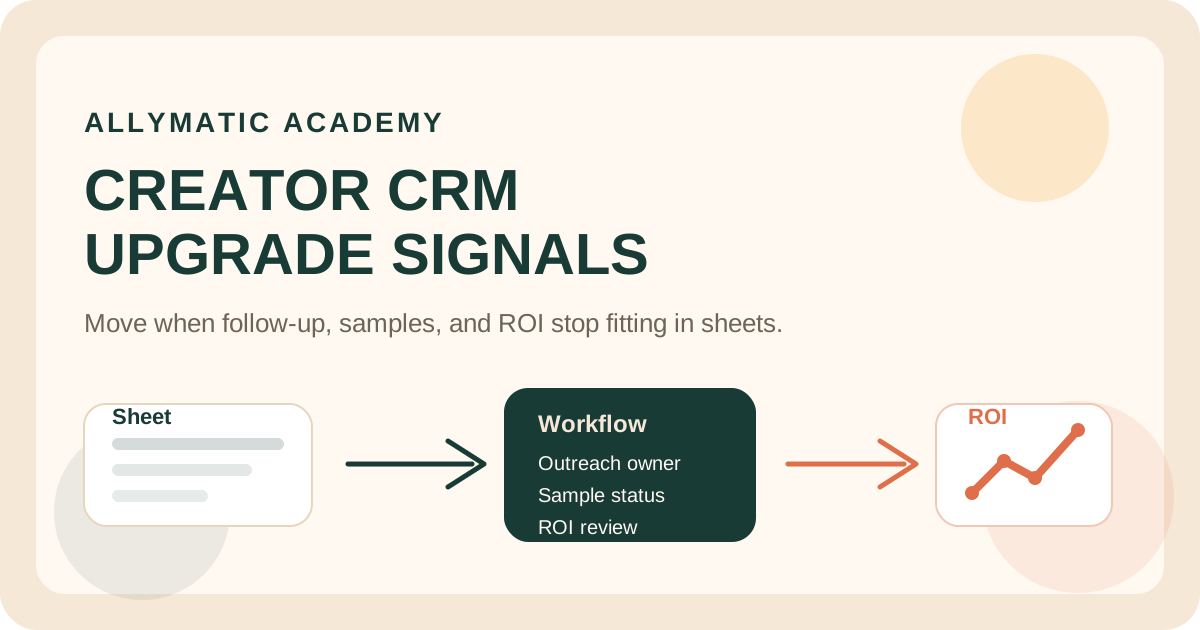
If the team already runs target collaborations, repeated follow-up, samples, content checks, shoppable links, and review, a workflow-oriented solution is usually the better fit. It does more than send messages. It keeps outreach, ownership, sample progress, content delivery, and reinvestment signals on one execution line.
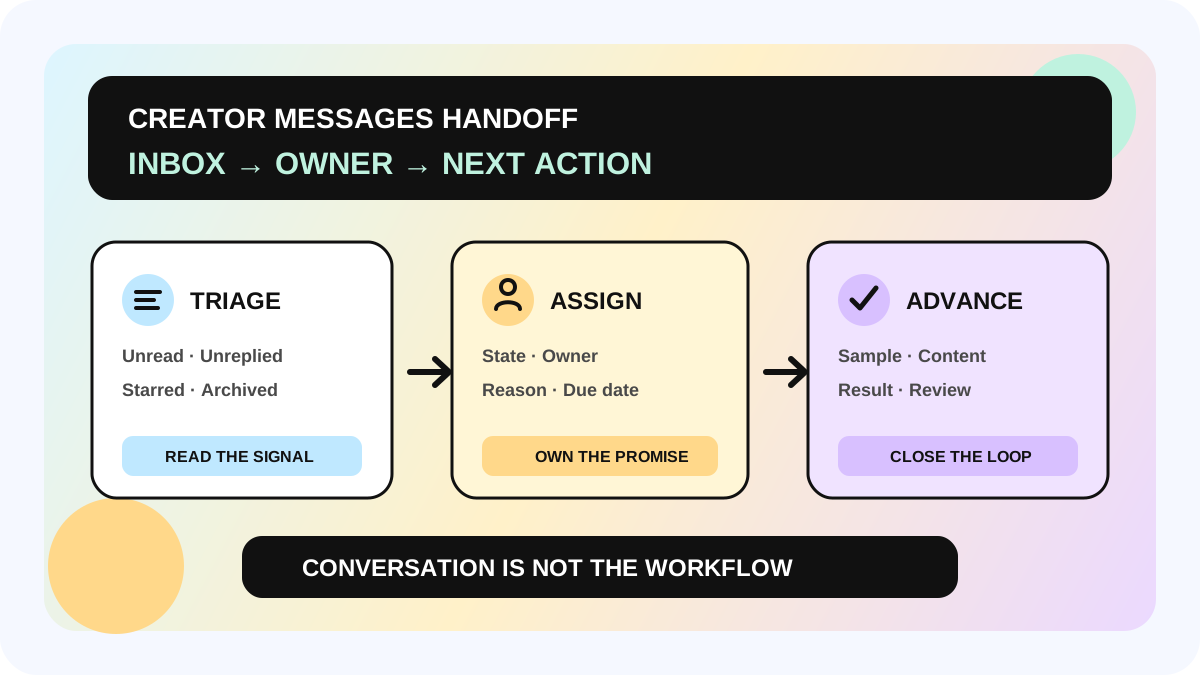
allymatic's point of view is that automation matters most when it standardizes the next action. The first invite is rarely the true bottleneck. The slower part is the second follow-up, the sample-to-content handoff, the post-link review, and the team coordination in between.
Why this deserves a separate decision in 2026
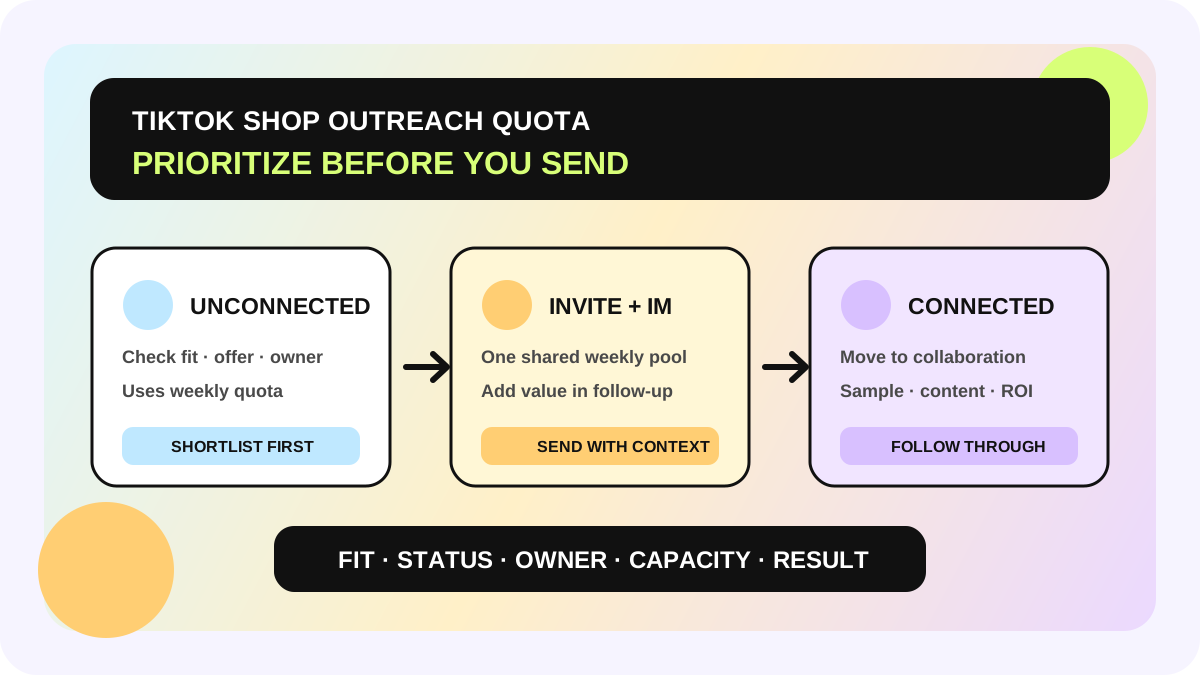
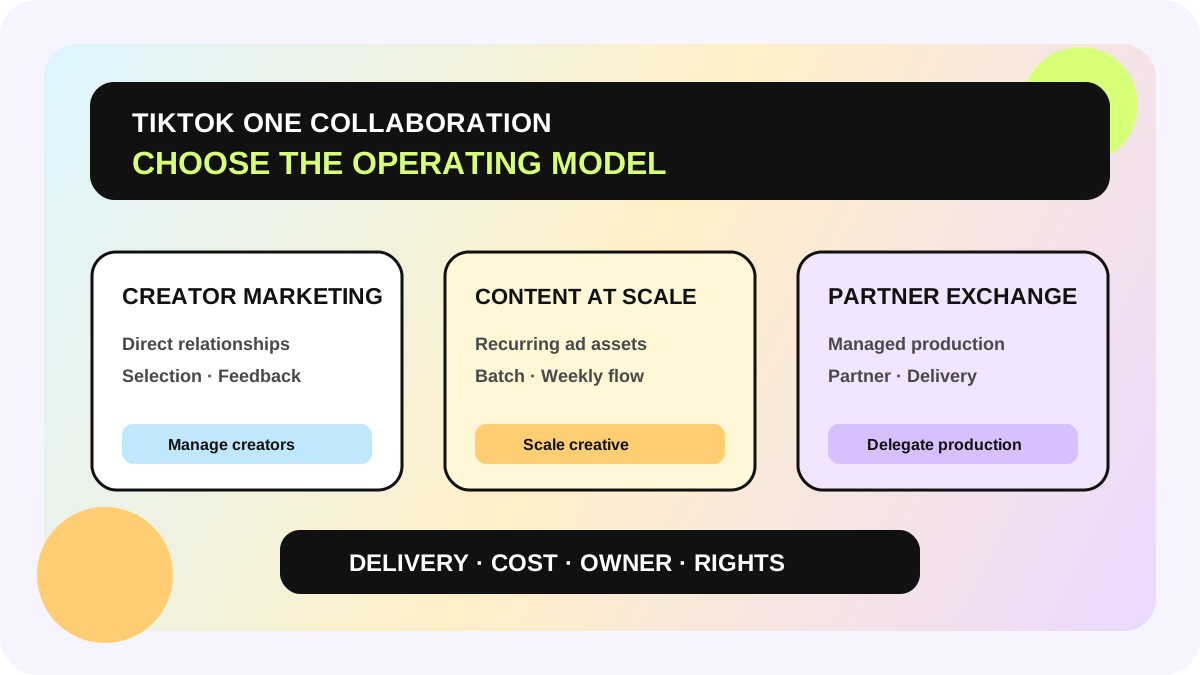
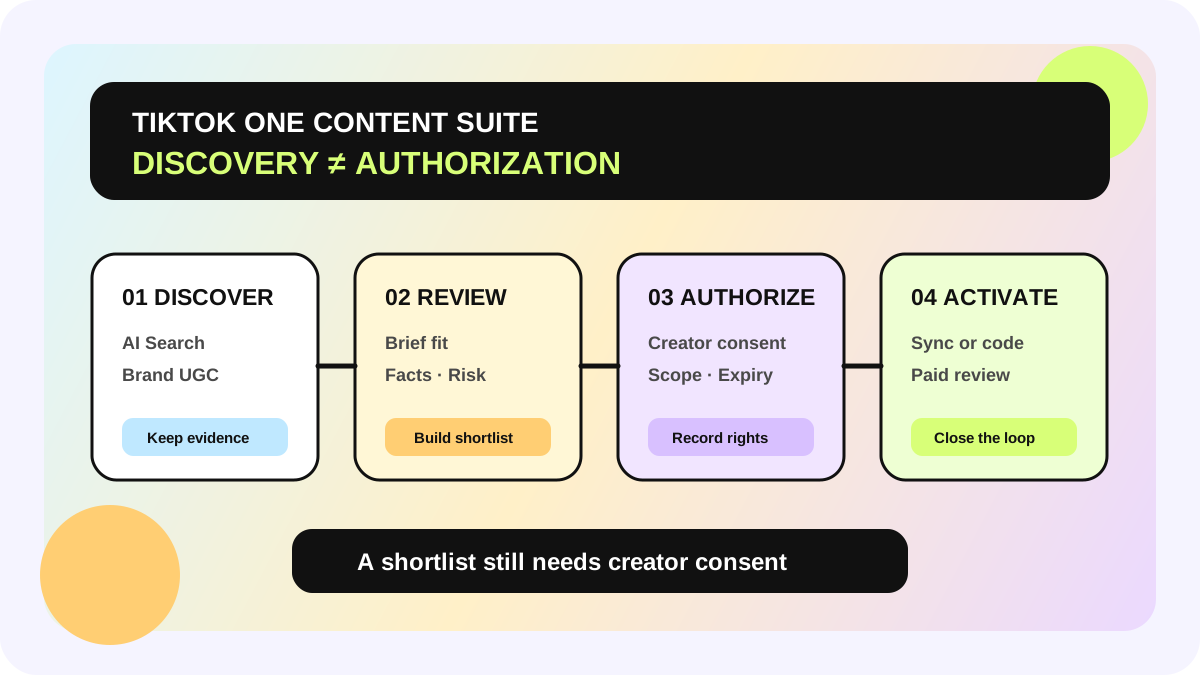
TikTok's official collaboration surfaces have become more layered. TikTok Shop now separates open and targeted collaboration logic, while TikTok One adds project invitations and creator response flows. On the surface, those tools make creator access easier. Operationally, they also mean teams should stop treating outreach like a one-time message and start treating invites, replies, samples, content, and performance as one workflow.
That is why many teams still search for automated outreach solutions even when official entry points already exist. The issue is usually not whether there is an invite button. It is whether there is a reliable operating structure behind it.
Which teams should automate now, and which teams should wait
Teams that should automate now usually show four signals:
1. Outreach happens every week instead of only in occasional test rounds.
2. More than one person handles creator work, so duplicate outreach, unclear ownership, and inconsistent status are already appearing.
3. Creator replies lead into samples, scripts, publishing timing, shoppable links, or affiliate actions that need active follow-through.
4. The team already looks at GMV or commission results, but those results do not flow back into the next creator decision.
Teams that should wait a bit longer also have clear boundaries:
1. They still do not have stable creator-filtering rules or category focus.
2. Collaboration volume is small, and most deals are still handled manually through deeper one-to-one communication.
3. Invite messaging, sample rules, and review cadence are still undefined.
For those teams, process definition matters more than buying software. Otherwise, the system only helps the team scale a messy process faster.
Do not compare message volume first. Compare these five dimensions first.
1. Are discovery and invitation connected?
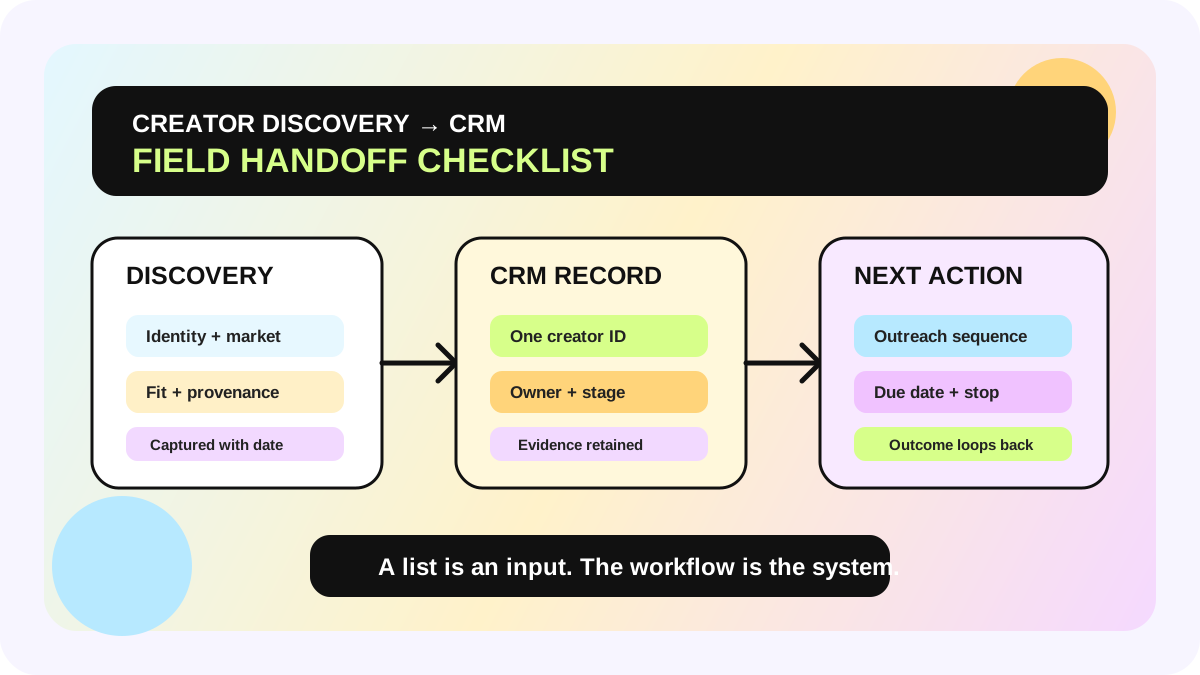
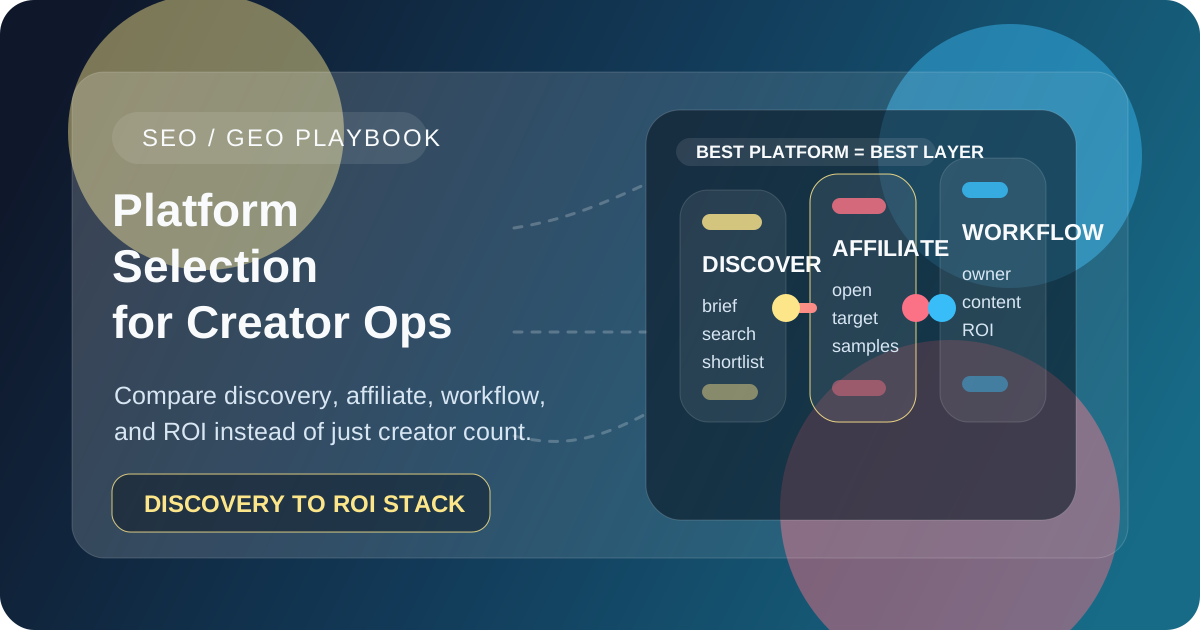
Some tools are strong at creator search but stop at list building. Others send invites but do not manage what comes next. Long-term teams need a solution that reduces the gap between shortlisting and execution.
2. Is follow-up a built-in workflow instead of a manual add-on?
Creator collaboration rarely closes on the first message. The real efficiency driver is whether second and third follow-ups happen on time and stay visible across the team.
3. Can the system carry samples and content milestones too?
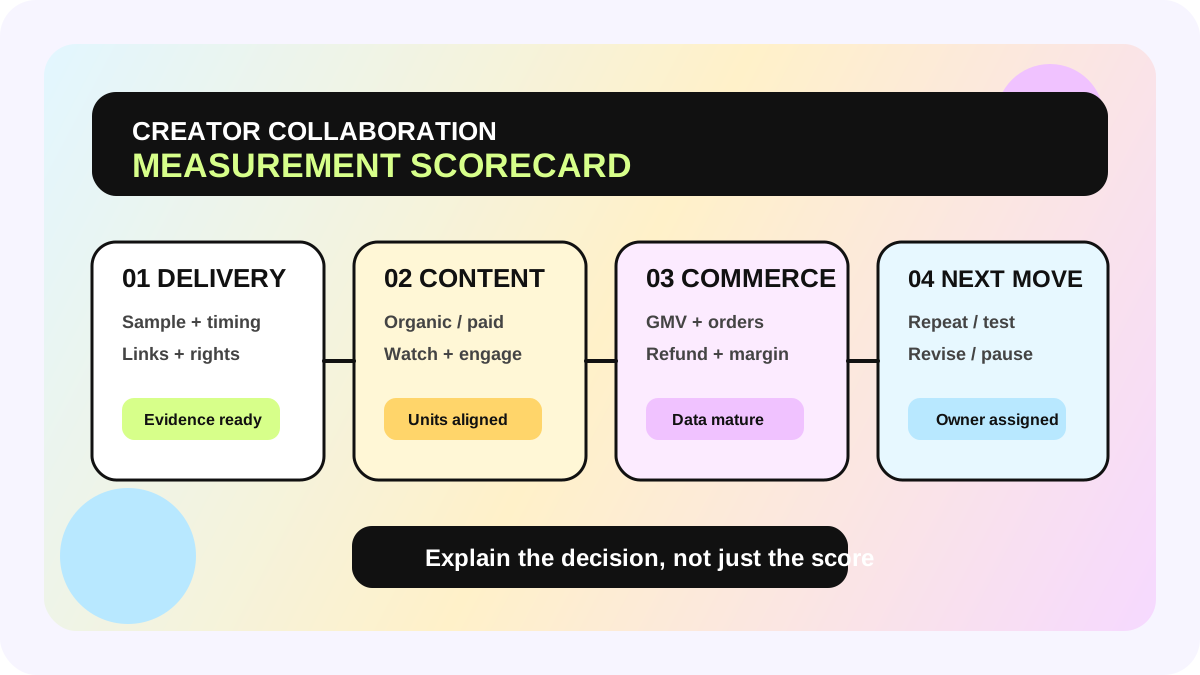
If the tool sends the first message but all replies, samples, content deadlines, and link checks move back into sheets and chat threads, the workflow is still broken. A TikTok Shop fit solution should connect those steps.
4. Can results flow back into the next creator decision?
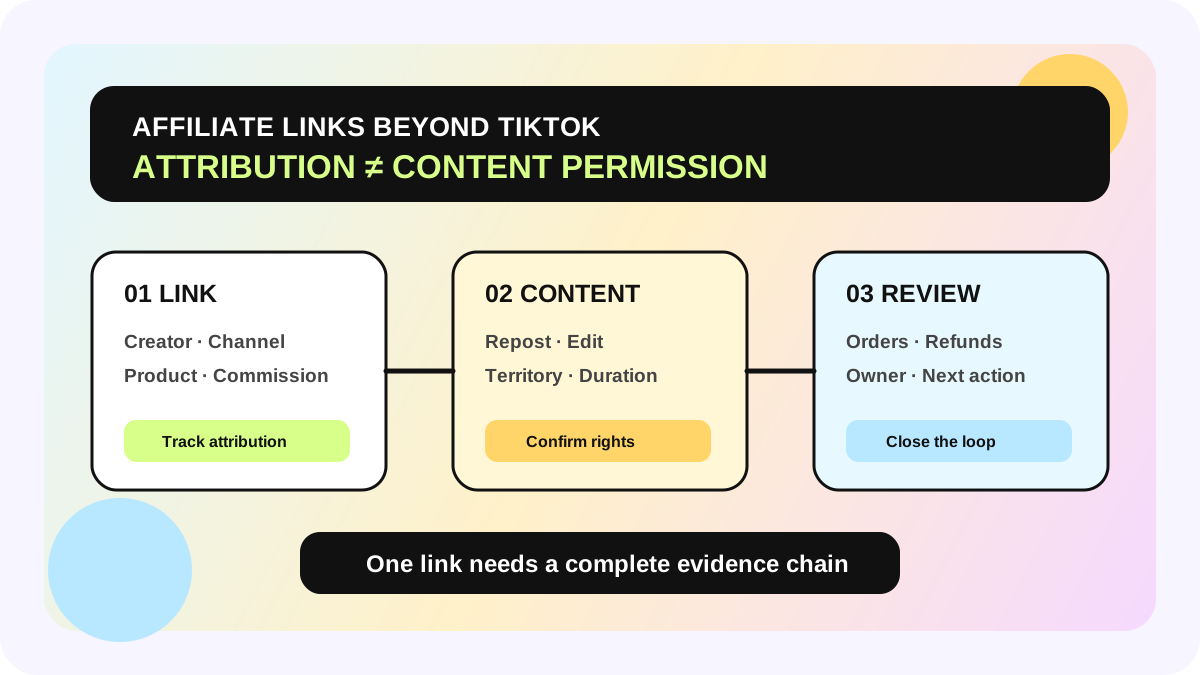
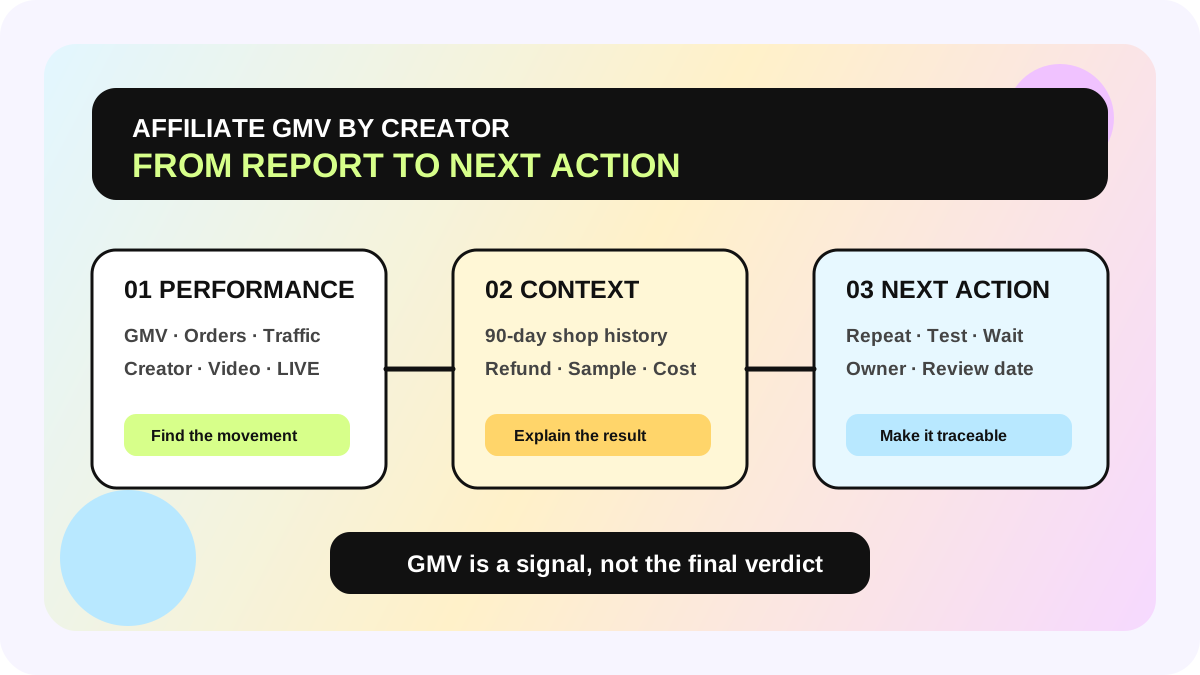
If commission, orders, content output, and ROI cannot be tied back to the creator layer, the automation only makes the front half faster while the back half remains guesswork.
5. Does the whole team work from one operating model?
If founders, BD, operators, and reviewers still look at different files, faster messaging alone will not create scale. Workflow systems matter because they align different roles on one progress line.
allymatic's view: automated outreach should not become a more advanced version of mass messaging
Many teams treat automated creator outreach as a cheaper way to send more messages. That narrows the problem too much. In practice, creator marketing is rarely limited by the first message. It is limited by the consistency of what happens after the invite.
That is why allymatic focuses on three things:
1. The first invite should happen naturally inside the operating context instead of becoming disconnected message volume.
2. Every follow-up, sample update, and content milestone should sync into one shared record.
3. The team should be able to move from outreach into review, not stay forever at "sent."
If a solution only increases outreach volume without improving progression rate, handoff clarity, and reinvestment judgment, it is closer to a tactic than an operating system.
Quick checklist
- If the main problem is still finding the right creators, improve filtering and shortlisting first.
- If the main problem is that outreach already happened but everything after it falls apart, improve the workflow first.
- If samples, content, links, and ROI all live in separate places, improve the system closure first.
- If leadership can only get progress updates by searching chat history, improve ownership and status sync first.
- If invite cadence is still unstable, define the process before deciding how much automation to add.
Common mistakes
Mistake 1: assuming automation means mass messaging
It does not. Useful automation reduces repeated work and missed follow-up instead of only increasing send volume.
Mistake 2: assuming official entry points remove the need for workflow
Official entry points solve access. They do not automatically solve collaboration, samples, and result feedback.
Mistake 3: waiting until the creator program is much larger before adding a system
By then, messy data, duplicate outreach, and handoff cost usually scale together.
FAQ
Which teams benefit most from automated creator outreach?
Teams that already run weekly outreach, multi-person coordination, repeated follow-up, and review inside TikTok Shop usually benefit the most.
Which teams can wait before adding workflow automation?
Teams with low collaboration volume, undefined process rules, or mostly founder-led manual outreach can stay with spreadsheets and native tools for longer.
What is the biggest difference between an outreach plugin and a full workflow system?
The plugin helps launch the first action from the page. The full system connects follow-up, samples, content, links, attribution, and ROI into one operating chain.
Official Sources
Official Sources
Primary references used for this article.